
An Etruscan city reveals what survived below ground.
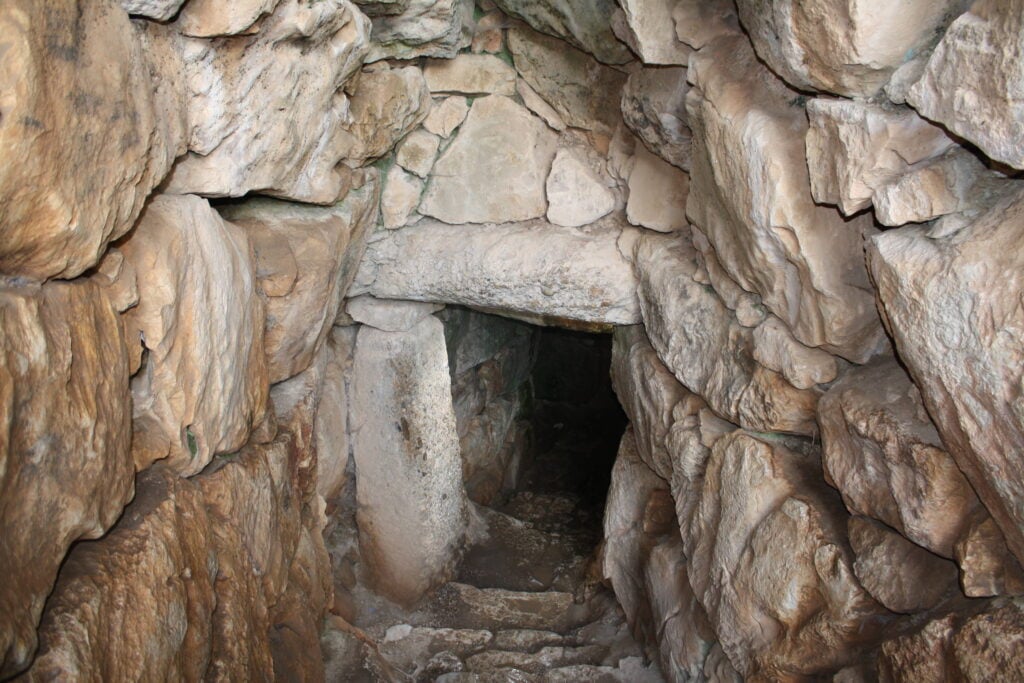
Beneath the farmland north of Rome, the ancient Etruscan city of Veii has long been known for what remained above ground. What no one fully understood was how much of the city still existed below the surface. Recent investigations using rover technology similar to that designed for planetary exploration have revealed an extensive underground system of tunnels, channels, and chambers known collectively as the Etruscan cuniculi. The discovery is reshaping how archaeologists understand urban life, defense, and survival in pre Roman Italy.
1. The rover accessed cuniculi unreachable by human explorers.
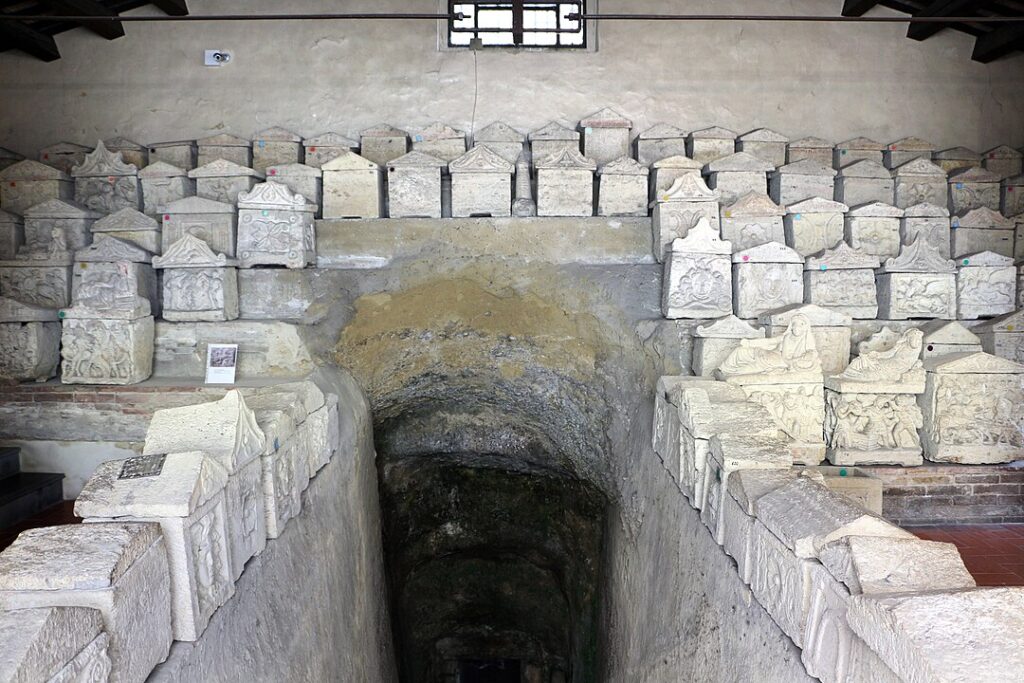
Archaeologists deployed a compact rover into narrow, unstable underground passages beneath Veii that could not be safely entered by people. The rover was equipped with cameras and sensing tools capable of navigating collapsed sections carved into volcanic tuff. According to Archaeology Magazine, this approach allowed researchers to document long continuous tunnel segments previously inaccessible using traditional excavation methods.
The technology revealed that many cuniculi extend far beyond known entry points. These findings confirmed that earlier maps captured only fragments of a much larger system. The rover provided uninterrupted visual evidence of intentional design rather than isolated drainage cuts.
2. The underground network is officially identified as the Veii cuniculi.
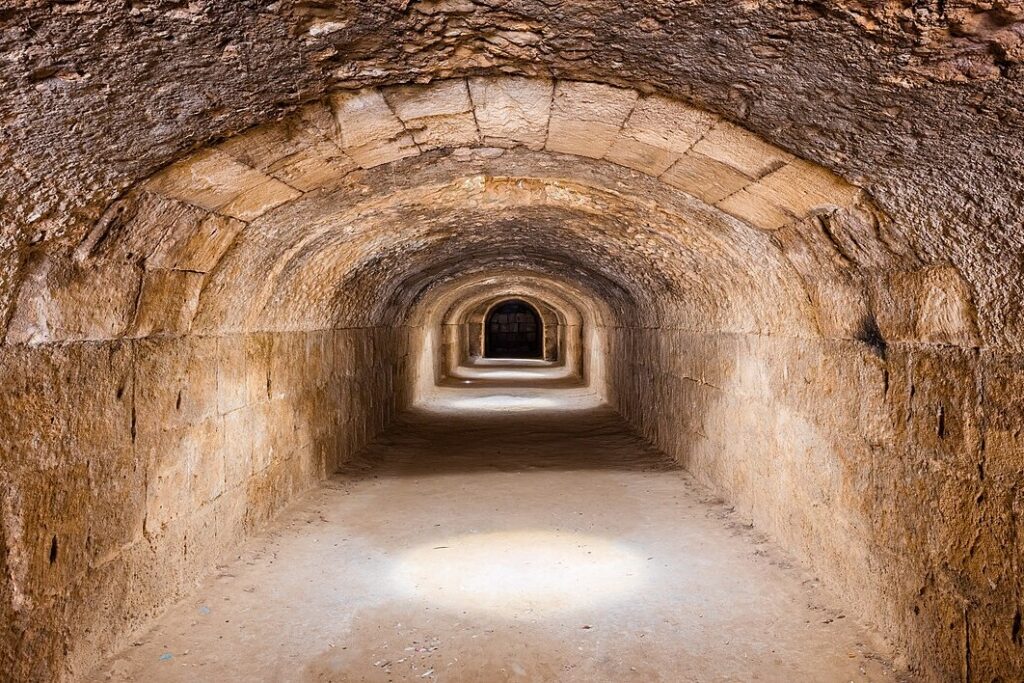
The tunnel system beneath Veii is formally known as the cuniculi of Veii, a term used in Etruscan archaeology to describe artificial underground channels. These cuniculi were carved between the seventh and fourth centuries BCE beneath the Etruscan city. As stated by the Italian Ministry of Culture, the Veii cuniculi represent one of the most extensive underground networks in central Italy.
The official designation matters because it places the discovery within a broader archaeological framework. It confirms that the tunnels are part of a recognized site rather than a newly invented label. This allows the findings to be integrated into existing research on Etruscan engineering.
3. The site is managed through Italy’s national archaeological institutions.
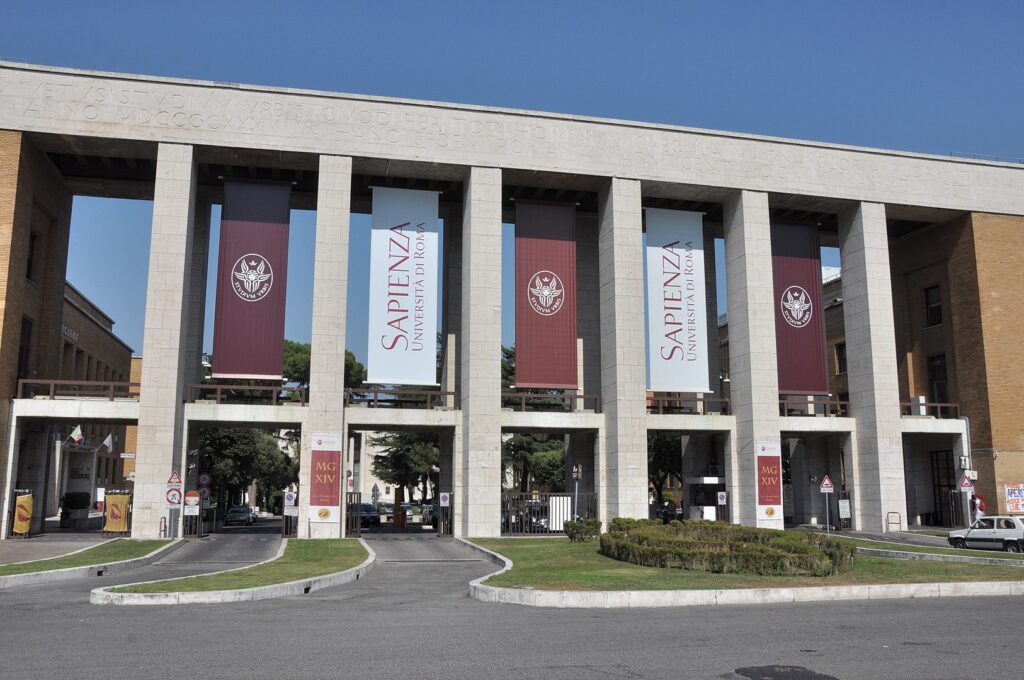
Research at Veii is overseen by Italy’s Soprintendenza Archeologia, Belle Arti e Paesaggio, with collaboration from Sapienza University of Rome and the Museo Nazionale Etrusco di Villa Giulia. According to National Geographic, these institutions coordinated the rover deployment to protect fragile sections while gathering new data.
This institutional oversight ensures the site remains protected under Italian cultural heritage law. It also allows the findings to be peer reviewed and shared internationally. The discovery is not an isolated project but part of an ongoing national effort to document Etruscan civilization.
4. The tunnels were carved into volcanic tuff with precision.
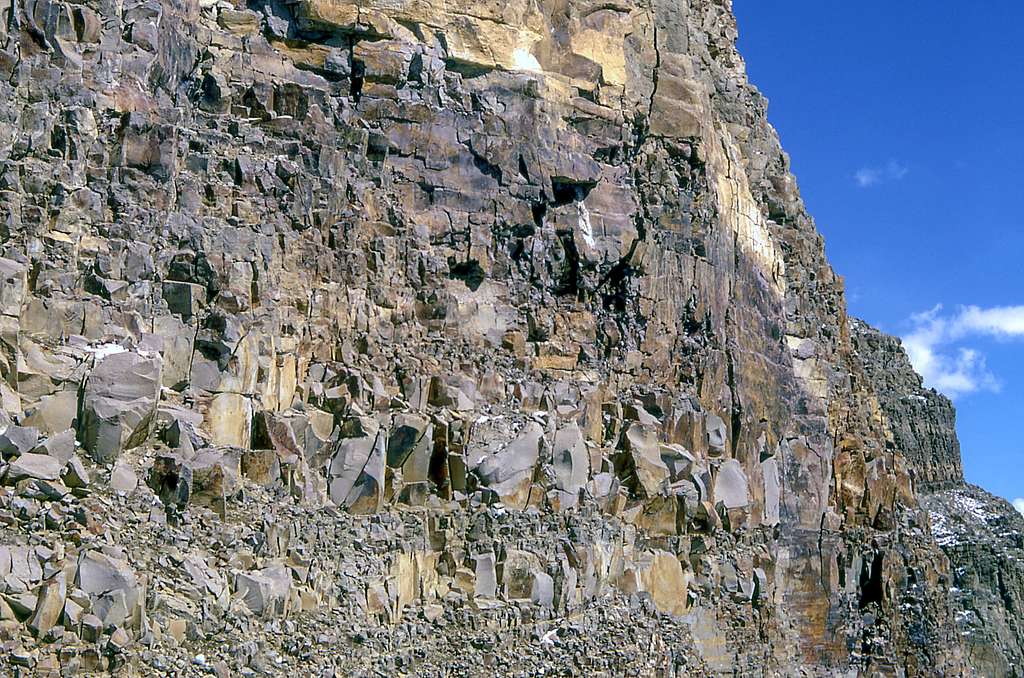
Veii sits on a plateau of volcanic tuff, a soft stone when freshly cut that hardens over time. The rover footage revealed uniform tool marks along tunnel walls, indicating deliberate excavation using consistent techniques. These marks distinguish the cuniculi from natural fissures or erosion channels.
The choice of tuff allowed the tunnels to remain structurally stable for millennia. This explains why so much of the network survived earthquakes, flooding, and Roman reuse. The material itself became a long term architectural advantage.
5. Water management shaped much of the tunnel design.
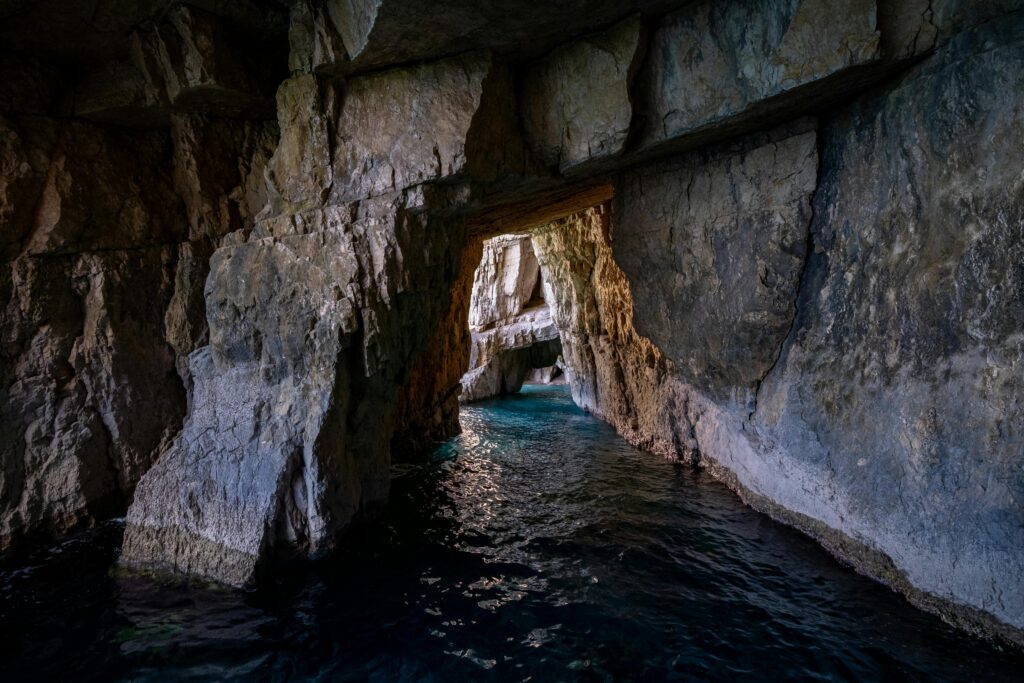
Many cuniculi align with surface drainage systems, river valleys, and agricultural zones. Archaeologists believe the tunnels helped regulate water flow during heavy rains while preventing erosion of the plateau. Some channels direct runoff toward the Cremera River below.
This system protected homes, roads, and farmland above ground. It also ensured reliable water access during dry seasons. The tunnels reflect environmental engineering rather than simple escape routes.
6. Defensive strategy likely influenced tunnel placement.
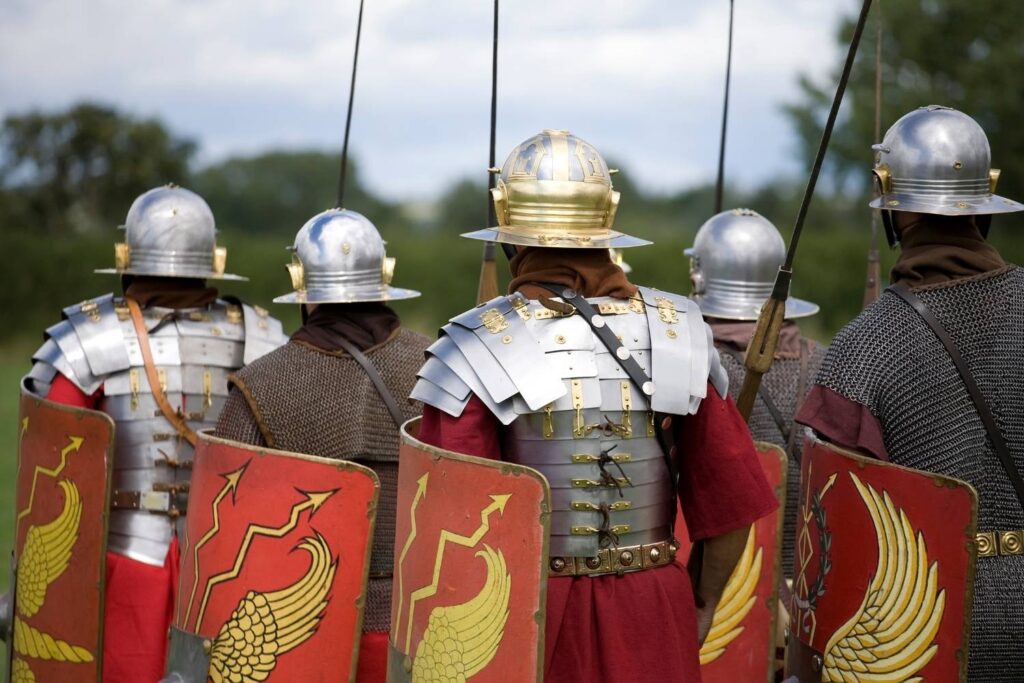
Veii was a rival of Rome for centuries, frequently facing military pressure. Some cuniculi narrow sharply or change direction in ways consistent with defensive movement rather than drainage alone. These features would have allowed residents to move unseen during sieges.
The underground network offered protected mobility beneath city walls. It may have contributed to Veii’s ability to resist Roman conquest until 396 BCE. Defense appears woven into the city’s underground planning.
7. Storage chambers point to long term survival planning.
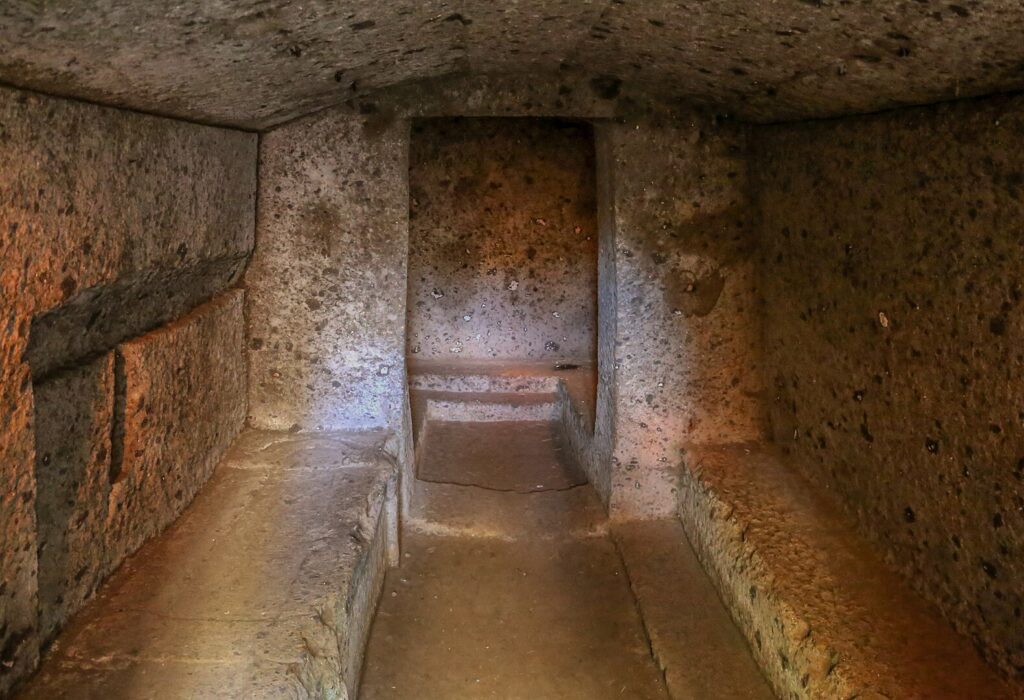
The rover identified widened chambers branching from main tunnels that maintain consistent temperature and humidity. Archaeologists interpret these spaces as storage areas for grain, oil, or wine. Underground storage protected supplies from spoilage and enemy destruction.
This strategy reduced reliance on surface buildings during conflict. It also allowed Veii to stockpile food across seasons. The chambers reveal a city preparing for prolonged disruption rather than short emergencies.
8. Ritual and symbolic use is strongly suspected.
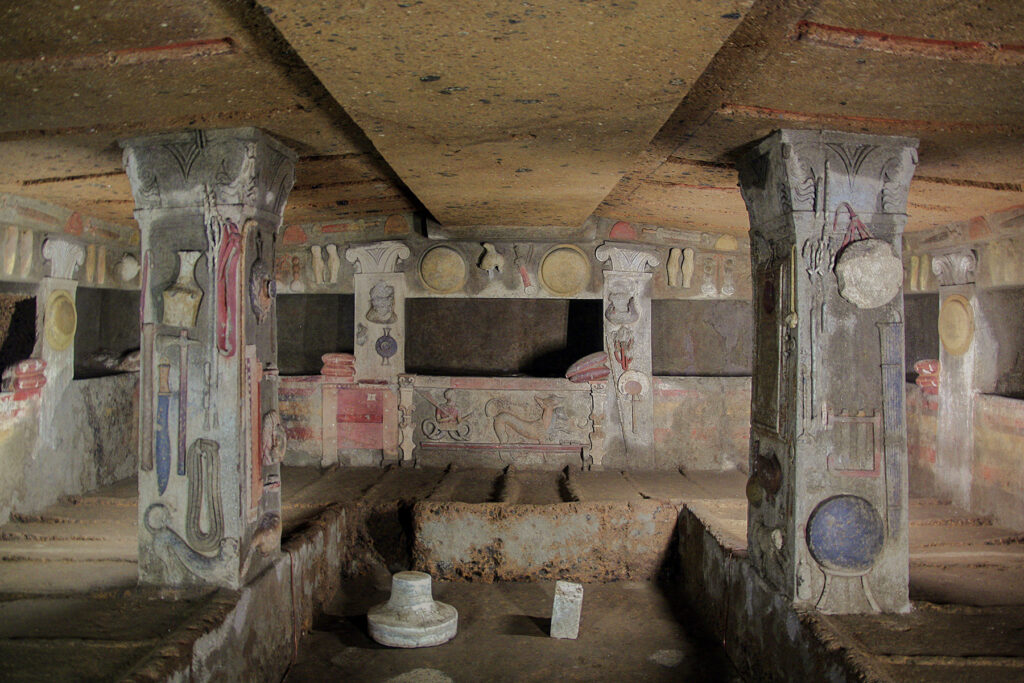
Some tunnel sections terminate in alcoves or niches that lack practical drainage or storage function. These areas show careful carving and isolation from high traffic routes. Etruscan belief systems often associated the underground with spiritual and ancestral realms.
Researchers suggest these spaces may have hosted rituals connected to death, prophecy, or protection. The cuniculi may have served both practical and symbolic roles. This dual purpose deepens their cultural significance.
9. The tunnels predate Roman occupation and reuse.
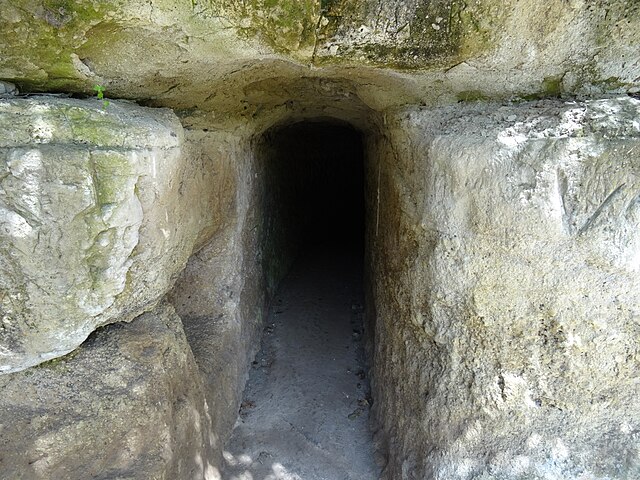
Sediment analysis and associated artifacts place most cuniculi construction before Roman control of Veii. While Romans later reused portions of the network, the core system reflects Etruscan innovation. This distinction clarifies long standing debates about authorship.
The discovery reinforces the technological sophistication of the Etruscans. It challenges older narratives that framed Roman engineering as uniquely advanced. Veii’s tunnels demonstrate complex planning well before Roman expansion.
10. The discovery changes how ancient cities are interpreted.
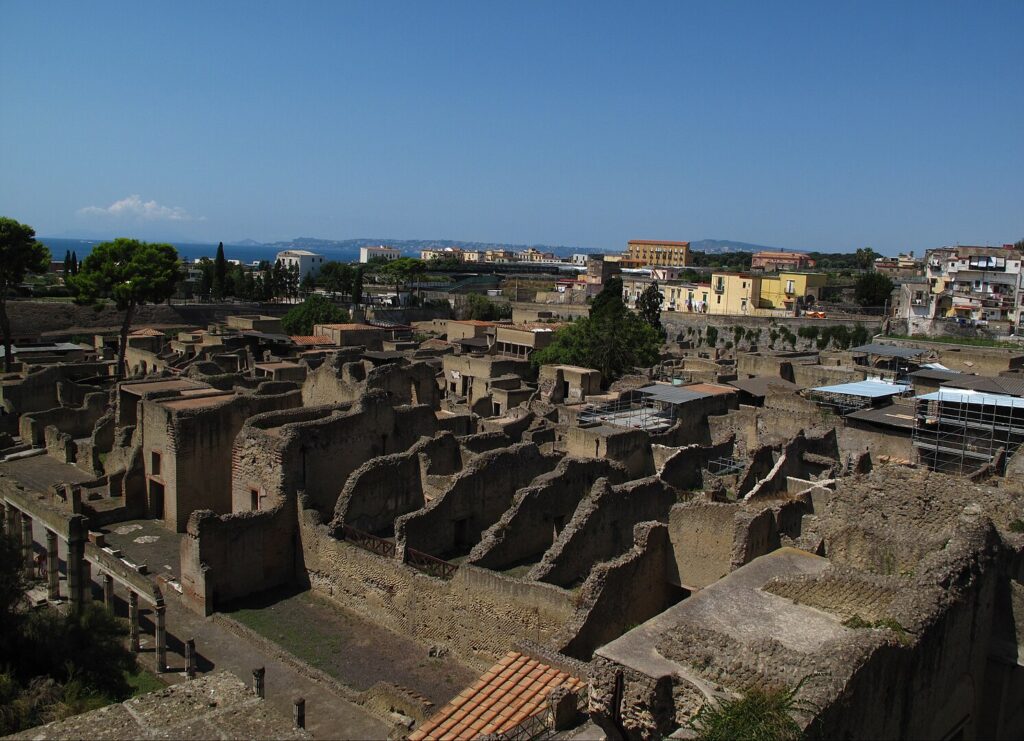
Veii now stands as evidence that ancient cities extended far below their visible remains. Urban life included layered underground infrastructure supporting defense, water, storage, and ritual. Surface ruins tell only part of the story.
The cuniculi reveal foresight, resilience, and engineering mastery. They force archaeologists to reconsider what survival looked like in the ancient world. Veii’s buried network shows that some of history’s most important cities still remain hidden beneath our feet.