
A century of mystery narrows in surprising ways.
For more than one hundred thirty years the name Jack the Ripper has floated through history as a shadow with no face. Investigators, historians and forensic scientists have tried to pull him from the fog of 1888 London, only to meet dead ends and silence. Now fresh DNA work on long preserved evidence has revived a theory once dismissed as unlikely. The results are not definitive, but they have tightened the circle around one man more than any attempt before.
1. Newly analyzed DNA pointed toward a specific suspect.
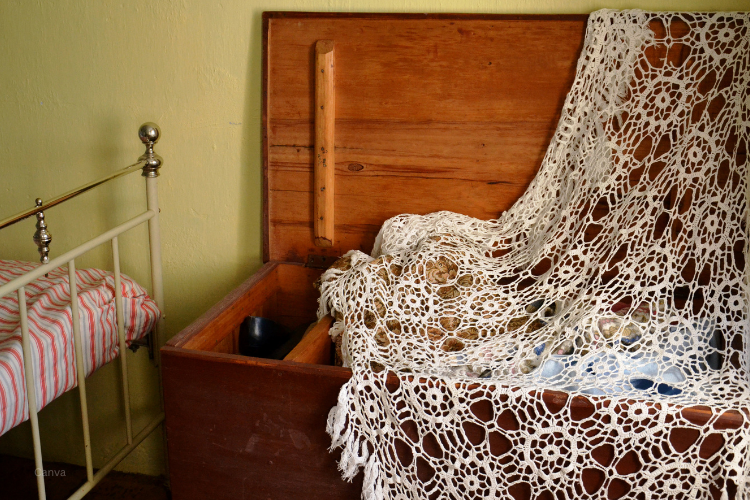
Researchers reexamining biological traces on a shawl linked to victim Catherine Eddowes found genetic markers consistent with the family line of Aaron Kosminski, a Polish barber living in Whitechapel during the murders, as reported by The Guardian. The analysis compared mitochondrial DNA from the shawl to living relatives, forming one of the strongest matches yet noted in the case.
The finding revived a suspect long mentioned in police notes of the period. While mitochondrial DNA cannot name an individual outright, it placed Kosminski’s family line in direct contact with the cloth. The discovery strengthened a theory that had been circulating quietly for decades within Ripper research circles.
2. Surviving police records supported the DNA direction.
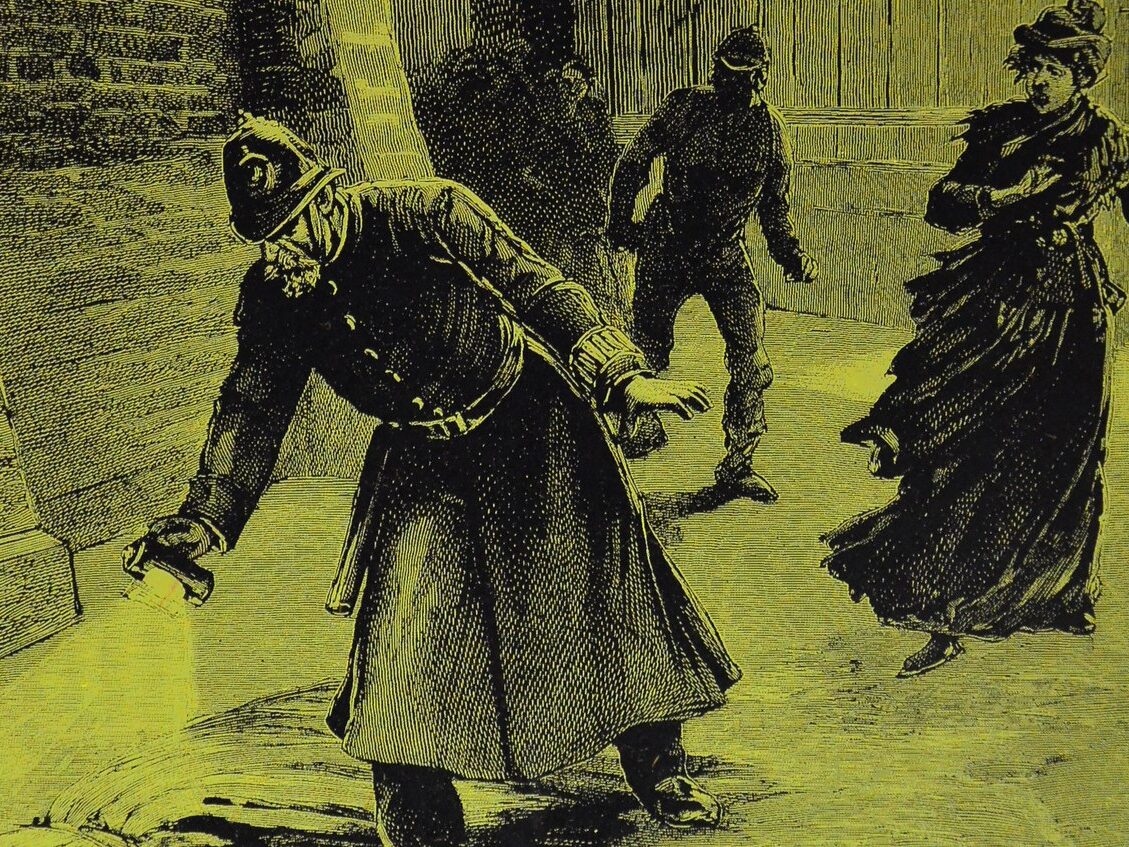
Archival documents from the Metropolitan Police included references to a Polish immigrant who was considered a prime suspect at the time, as stated by the BBC. Officers noted erratic behavior, proximity to the crime scenes and mounting concerns about his mental state. These records aligned with the genetic clues pointing toward the Kosminski family.
The documents described a man known to wander the same narrow streets where the murders occurred. Although the police lacked forensic tools to confirm suspicions, their handwritten notes suggested they believed the killer lived close enough to blend into the neighborhood without drawing attention. The DNA analysis echoed this early intuition.
3. The timeline aligned with long standing investigative theories.

Historians comparing contemporary accounts with modern forensic interpretations found that movements attributed to Kosminski matched the geography of the killings, as discovered by researchers cited in Smithsonian Magazine. His residence sat at the center of several crime scenes, forming a pattern investigators have repeatedly noted.
The timeline placed him in Whitechapel during every confirmed murder. His documented struggles with mental health further matched several behavioral profiles created by criminologists working backward from the brutality of the attacks. Each element reinforced the possibility that one man could tie together the events that defined the autumn of 1888.
4. The shawl’s preservation offered a rare forensic opportunity.

The shawl connected to the Eddowes murder survived untouched in private collections for generations. Its unusual preservation meant that modern researchers could extract material without contamination. Very few objects tied to the murders remain suitable for DNA analysis, giving this piece significant weight in the investigation.
Although the shawl’s chain of custody contained gaps, its early documentation aligned closely enough with the crime scene to justify renewed examination. The fact that any biological material remained at all was remarkable. It offered a bridge between Victorian police work and present day genetic testing.
5. Historical witness accounts subtly pointed in the same direction.
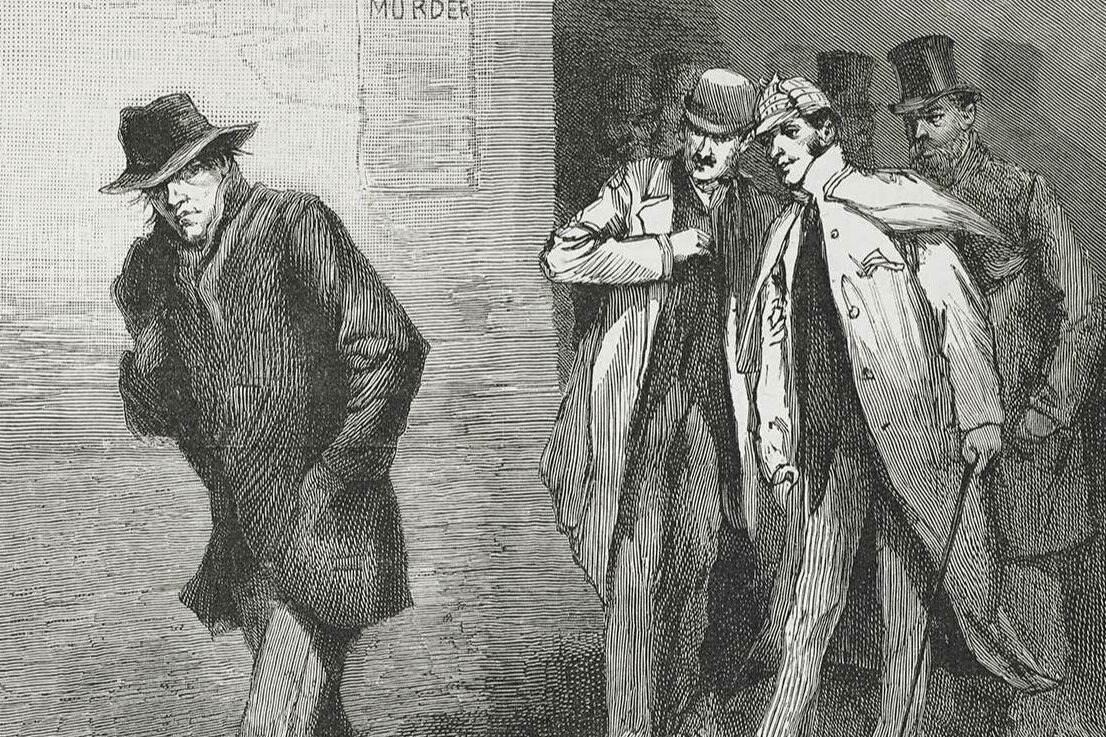
Several witnesses described a man with features resembling profiles later associated with Kosminski. Their accounts varied in detail but consistently referenced a figure moving through Whitechapel’s alleys near the time of the murders. While eyewitness testimony from the era cannot be treated as reliable proof, it created a backdrop that matched the emerging forensic picture.
These observations, entered into police logs shortly after the killings, showed how residents attempted to track unusual behavior. Their recollections hinted at a presence lurking near the edges of nighttime activity. Layered with modern DNA work, the old accounts gained renewed significance.
6. Behavioral patterns fit modern criminal profiling models.

Criminologists examining the nature of the murders noted a pattern suggesting a killer operating inside a familiar environment. The narrow escape routes, quick disappearances and clustered geography implied detailed knowledge of Whitechapel’s chaotic maze. Kosminski lived in the heart of this area, moving daily through the streets that later became crime scenes.
The methods used by the killer suggested a person comfortable working under cover of darkness and able to vanish rapidly. These traits aligned with someone who blended into the community easily. By mapping the movements, investigators saw how the killer’s behavior could mirror the life of a man who lived steps from each location.
7. Medical history provided an unsettling layer of context.
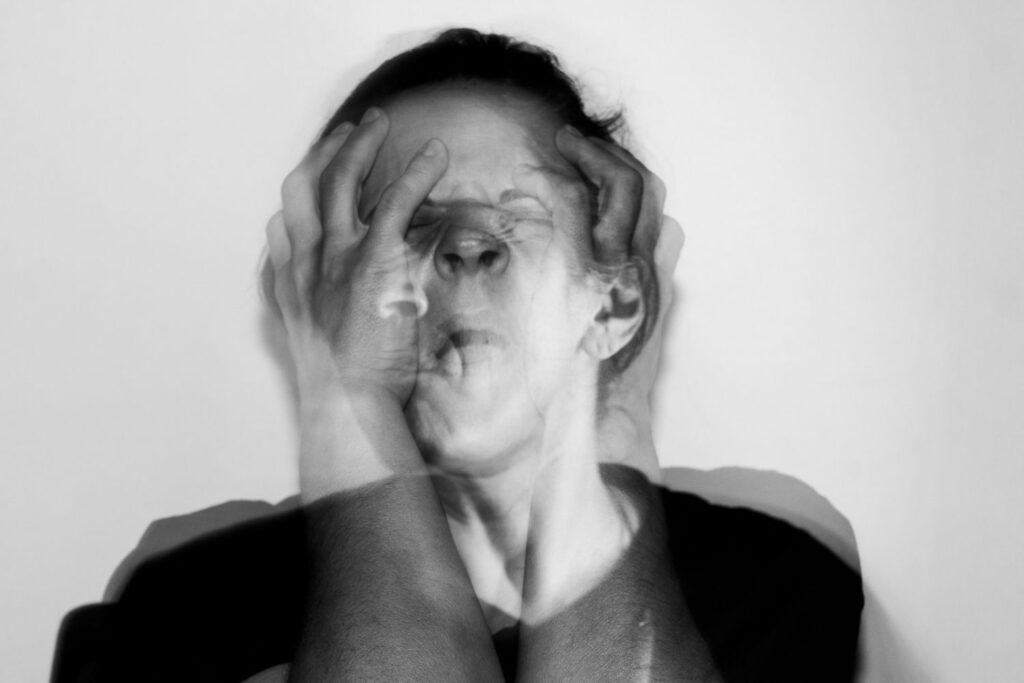
Records from the time described Kosminski experiencing auditory hallucinations and erratic emotional episodes. Such symptoms, though documented with the limited language of the era, hinted at psychological instability that criminologists now consider relevant. The nature of the attacks suggested a mind under severe internal strain.
These historical notes did not prove guilt but showed a person struggling with a condition that might lead to unpredictable and violent behavior. The overlap between his medical history and the brutality of the murders created a connection that researchers continue to explore carefully.
8. Family accounts supported the image of a troubled man.

Later interviews with relatives recalled a figure marked by fear, confusion and withdrawal from social life. These recollections painted a portrait of someone who lived on the margins of his community. While family stories must be treated cautiously, they matched broader descriptions from public records of the time.
The stories outlined a man whose instability shaped daily behavior and strained relationships. Taken together with geographic and forensic evidence, these accounts contributed to the growing sense that a long suspected figure may indeed have played a darker role in history.
9. Experts caution that the case still lacks certainty.

Despite compelling clues, forensic specialists emphasize that mitochondrial DNA cannot isolate a single individual within a family line. The forensic limitations, combined with gaps in the shawl’s documented history, mean the case cannot be declared closed. Researchers remain divided, urging patience before drawing definitive conclusions.
The evidence, however, continues to strengthen one of the most persistent theories in the investigation. It narrows the field of possibilities and offers the clearest direction the case has seen in generations. Even without final certainty, the mystery surrounding Jack the Ripper has shifted in meaningful ways.
10. The investigation now enters a new era of clarity.
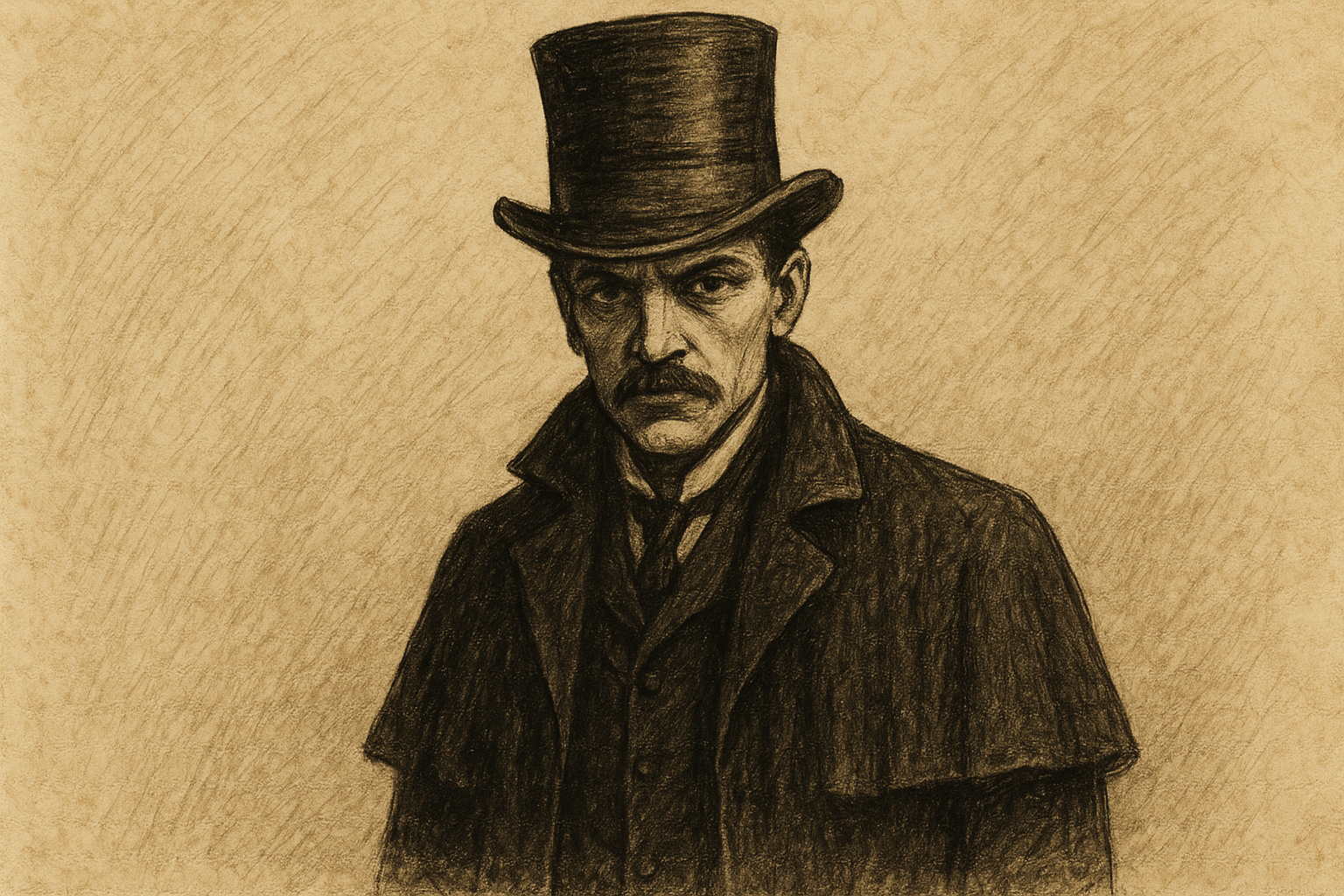
With the convergence of forensic science, historical documents and geographic analysis, the long shadow of Jack the Ripper appears less impenetrable than before. Each piece does not provide an answer alone, but together they form a pattern sharper than any developed in earlier decades.
The case remains one of history’s most haunting mysteries, yet the recent DNA work has changed the landscape. For the first time, the path forward feels illuminated by evidence rather than rumor. The world may be closer than ever to understanding the truth behind the name that defined an era.