
Subtle warning signs many dog owners overlook.

Kidney failure in dogs rarely begins with a dramatic warning. The first changes often unfold quietly, hidden beneath normal routines that seem harmless at first glance. A dog drinks a little less water one week, picks at food another, or seems slightly more tired after play. These subtle shifts can mask a deeper process already underway inside the body. Veterinarians say many of the triggers that damage canine kidneys are surprisingly ordinary, woven into daily life where they easily escape notice. By the time obvious symptoms appear, much of the damage may already be done. Understanding these hidden risks can help owners recognize trouble long before it becomes irreversible.
1. Chronic dehydration sets silent damage in motion.

Even mild dehydration can strain the kidneys over time. When water intake is low, waste builds up and the kidneys have to work harder to flush it out. According to the American Veterinary Medical Association, repeated dehydration episodes slowly damage the filtering structures inside the kidneys. Dogs who don’t drink enough, especially in hot climates or after intense play, are at higher risk. Keeping fresh water always available and monitoring consumption might seem basic, but it’s one of the most effective ways to prevent chronic kidney stress.
2. Hidden toxins quietly accumulate from daily life.
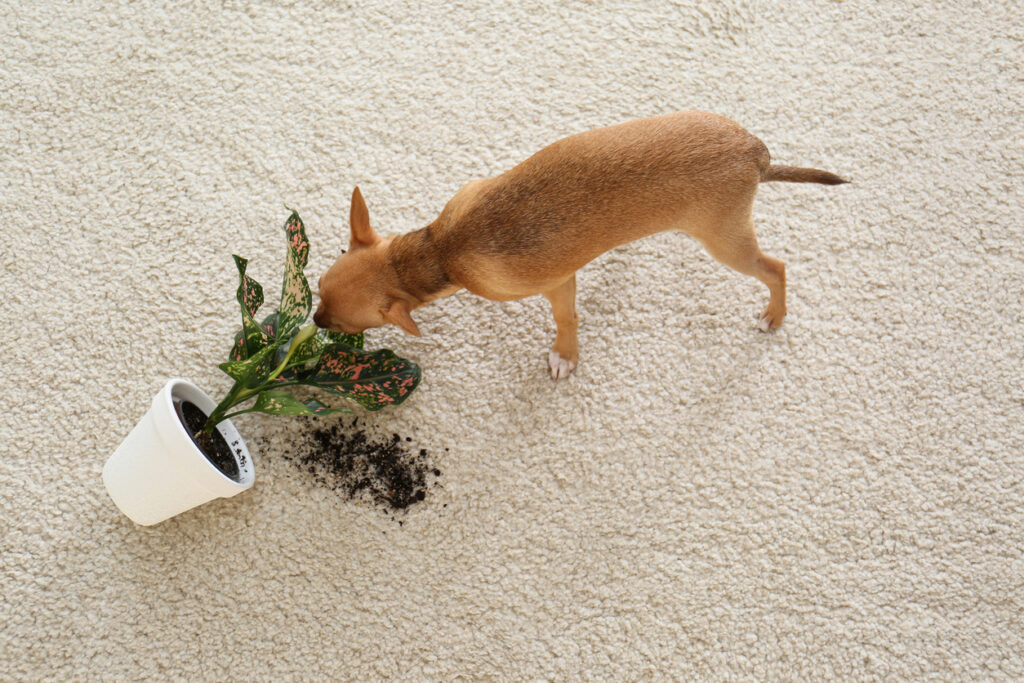
Household toxins, from antifreeze to certain houseplants, can trigger irreversible kidney damage long before symptoms appear. The danger lies in how tiny exposures add up, especially in small breeds. Vets have found that ingestion of ethylene glycol, even in minute amounts, can destroy kidney tissue within hours. As stated by the ASPCA Animal Poison Control Center, lilies, pothos, ibuprofen, and grapes are among the most common culprits. Many owners never realize what caused the failure until it’s too late, making toxin awareness just as vital as treatment.
3. Certain medications quietly overwork the kidneys.
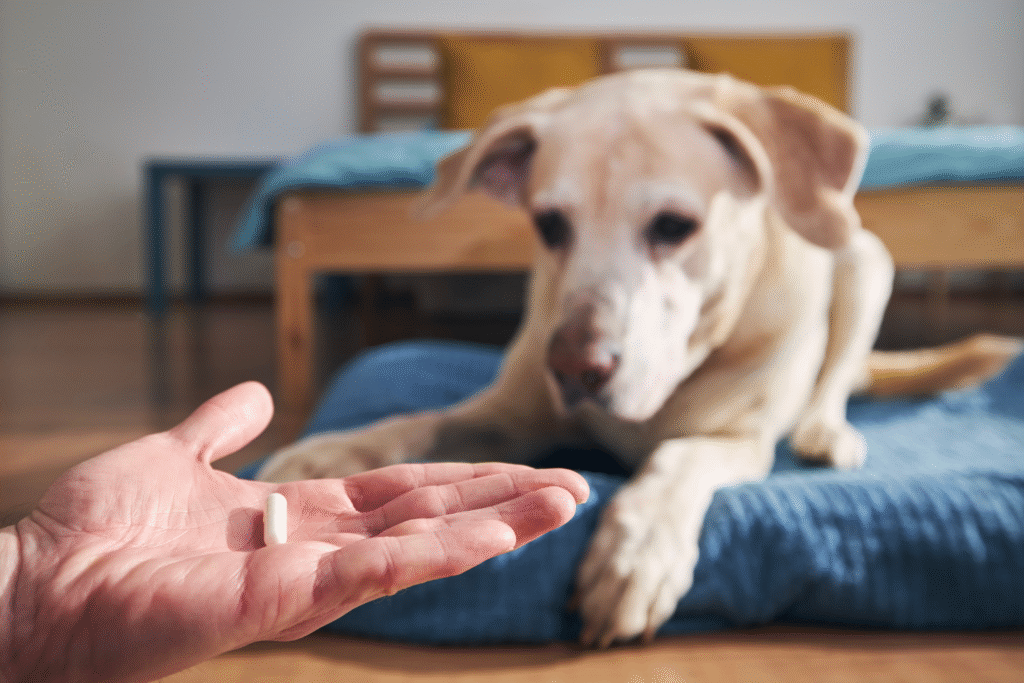
Pain relievers, antibiotics, and some heart drugs can all impact renal function. Reported by the Merck Veterinary Manual, nonsteroidal anti-inflammatory drugs (NSAIDs) are a leading medication-related cause of kidney injury in dogs. Over time, even appropriate doses can reduce blood flow to the kidneys. Vets often recommend bloodwork during long-term medication use to catch early changes before failure develops. Many cases can be prevented by adjusting doses or switching to safer alternatives under supervision.
4. Dental disease slowly poisons the bloodstream.

It may sound unrelated, but poor oral hygiene can directly affect the kidneys. When bacteria from infected gums enter the bloodstream, they create inflammation that damages organs, especially the kidneys. Dogs with chronic tartar buildup or untreated abscesses face a higher risk of developing renal problems later in life. Regular cleanings and at-home brushing keep bacterial levels low and circulation clean. It’s one of those small habits that quietly safeguards more than just a dog’s smile.
5. High-protein diets can backfire for sensitive dogs.

Protein itself isn’t bad, but too much of it can overwhelm dogs already predisposed to kidney issues. The kidneys must filter out nitrogen waste from protein metabolism, and excess amounts can accelerate wear and tear. For senior dogs or breeds with known renal risks, vets often suggest moderate-protein diets to ease the load. Tailoring food choices early can delay or even prevent future decline, especially when combined with routine lab checks.
6. Long-term infections can chip away at kidney health.
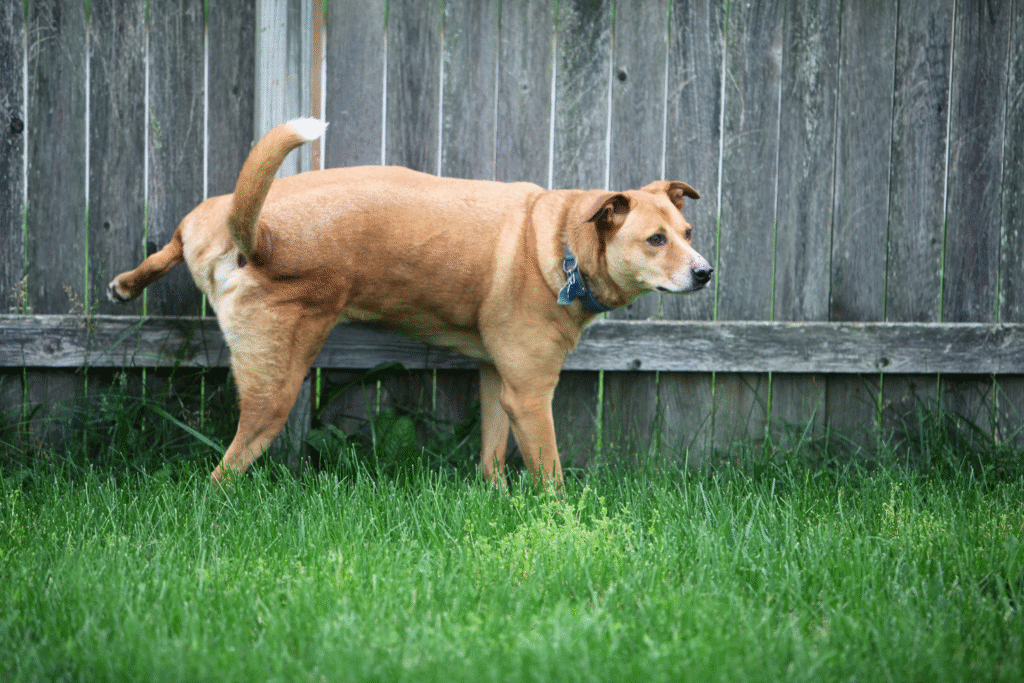
Urinary tract infections that go untreated can spread upward, reaching the kidneys and causing scarring that never fully heals. Leptospirosis, a bacterial disease transmitted through water, is another silent destroyer that directly attacks kidney tissue. Early antibiotics and vaccination where needed dramatically reduce risks. Dogs who suddenly show fever or excessive drinking might already be fighting deeper infections.
7. Genetic predisposition turns routine care into high stakes.

Some breeds, like Bull Terriers, Cocker Spaniels, and Samoyeds, are more prone to congenital kidney disease. They can appear perfectly healthy until early adulthood when the organs suddenly struggle. Regular bloodwork, even in seemingly young, fit dogs, helps catch declining function before symptoms show. Knowing your breed’s risks allows for more tailored diets and hydration plans that offset inherited weaknesses.
8. Aging itself alters kidney filtration and resilience.

As dogs grow older, kidney tissue naturally loses efficiency. The organs can’t concentrate urine as well, and toxins build up faster. Senior dogs should have kidney values checked yearly, even if they appear normal. Early lifestyle adjustments, like reducing sodium and ensuring hydration, make a huge difference in quality of life. Aging doesn’t guarantee failure, but it certainly tilts the odds without careful monitoring.
9. Long-term exposure to poor-quality water matters more than people think.

Tap water high in minerals, fluoride, or contaminants can gradually harm sensitive kidneys. Dogs that rely on unfiltered sources or drink from outdoor puddles may ingest heavy metals or chemicals that accumulate over years. Switching to filtered water systems often improves both hydration and long-term organ health. What seems like a minor upgrade in water quality can have lifelong protective effects.
10. Delayed vet visits turn small issues into crisis points.

Most cases of kidney failure are detected late simply because early signs, like extra drinking or mild appetite changes, go unnoticed or untreated. Routine blood and urine tests can catch kidney decline months or even years before it becomes serious. Early treatment doesn’t just extend life, it preserves it with comfort and stability. The quiet nature of the disease makes vigilance the only real cure for regret.