
Large cats shaped by evolution and selective breeding.

Domestic cats reach impressive sizes when genetics, climate and breeding history all push their bodies in the same direction. Some gained mass through cold survival, others through hybrid ancestry, and a few simply grew heavier as their popularity spread across Europe and North America. Their size becomes undeniable when they settle into a sunny spot or stretch across a couch, revealing proportions far beyond the average house cat. These are the ten heaviest breeds people commonly live with.
1. Maine Coons grow into substantial adult weight.
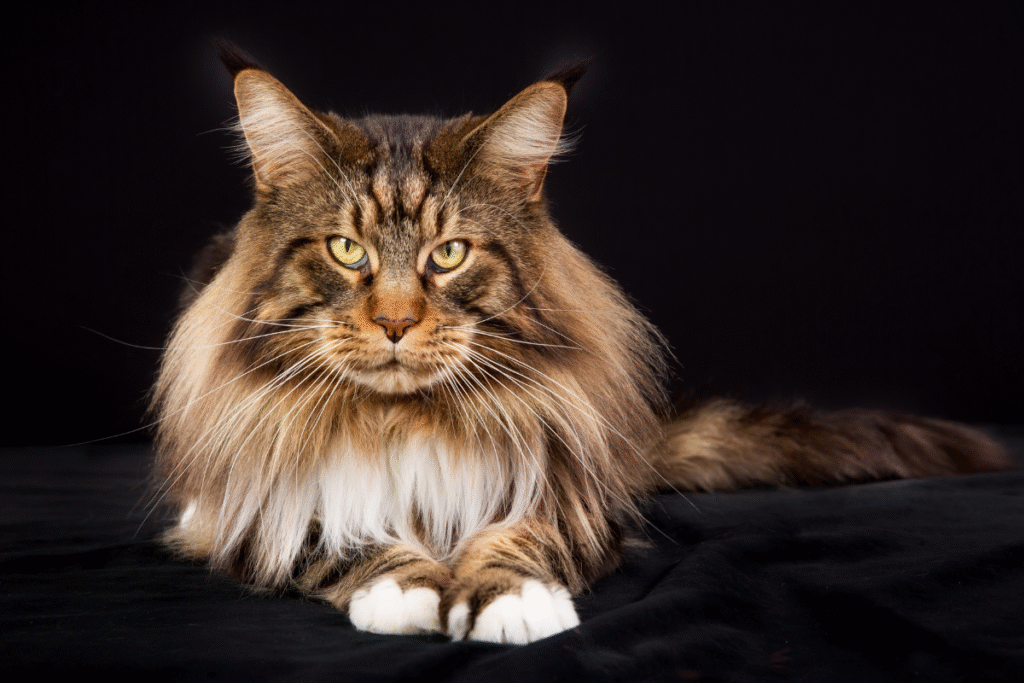
Maine Coons often reach eighteen to twenty pounds, supported by slow maturation that lasts nearly four years. Their size is widely recognized across the United States, and their growth pattern remains consistent according to The Cat Fanciers Association. Their long bodies and thick coats make them appear even larger.
They move with relaxed confidence, especially in colder northern regions where their insulation offers natural protection. Their tails act as counterweights during climbs, and their heavy frames make them feel grounded when resting. Many families discover their real size only once adulthood finally settles in.
2. Ragdolls develop surprising mass with age.

Ragdolls commonly weigh fifteen to twenty pounds, and their calm personality can make their size feel almost deceptive. Their broad shoulders and sturdy frames contribute to their density as stated by PetMD. Many owners do not realize how heavy they are until they reach full maturity after several years.
Their relaxed posture and loose body language add to the illusion of softness, but underneath is solid muscle and long bone structure. They became popular across California in the late twentieth century and have continued gaining recognition for their size. Their weight settles gradually, giving them lasting physical presence.
3. Norwegian Forest Cats carry dense northern weight.
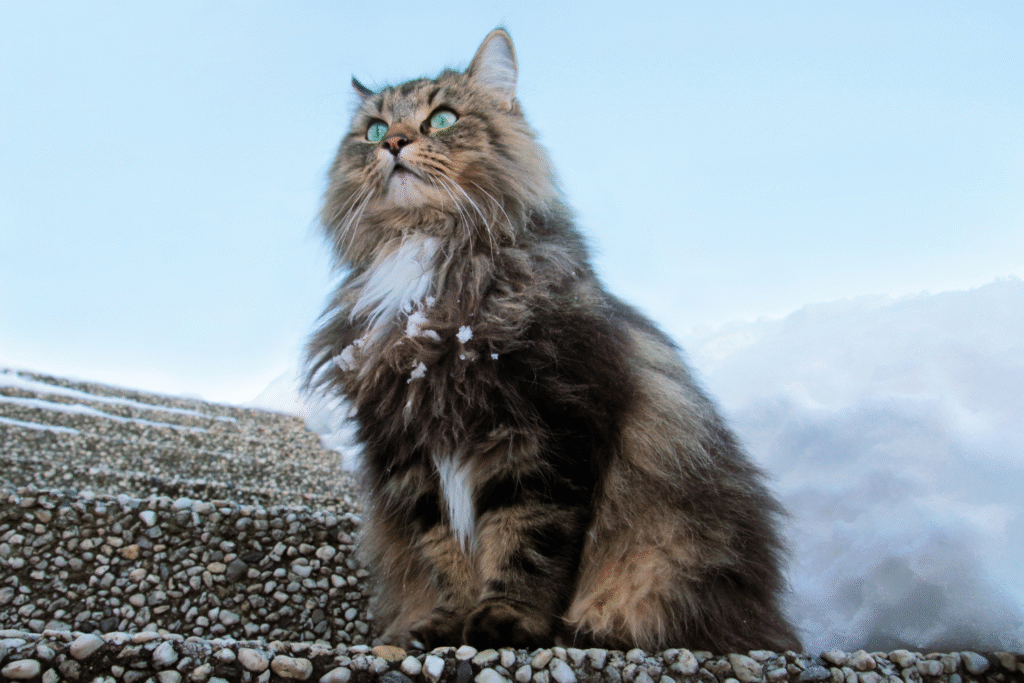
Norwegian Forest Cats often weigh fifteen to twenty pounds, shaped by their origins in the cold Nordic regions. Their double coat and heavy bone structure give them impressive mass that is well documented by the American Veterinary Medical Association. Their bodies evolved to handle harsh temperatures and steep terrain.
Their weight is distributed across a long torso and powerful limbs that allow them to climb efficiently. They move with surprising quietness for their size, slipping through homes with deliberate steps. Their thick fur adds visual volume, making them seem even heavier when resting in warm indoor spaces.
4. Siberians build strong weight through natural adaptation.
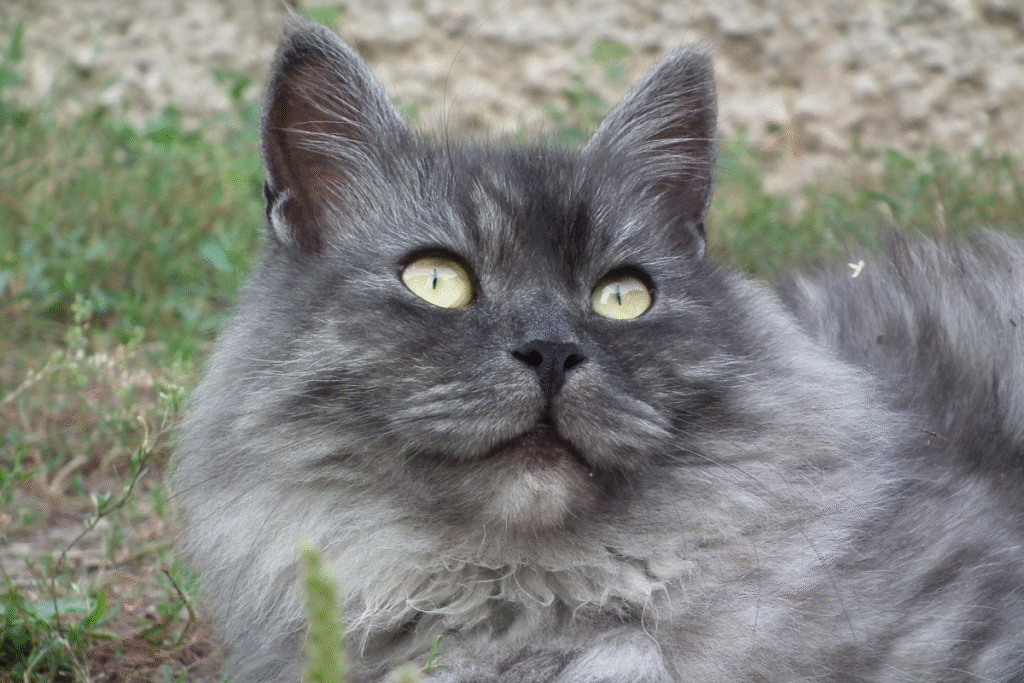
Siberians typically weigh twelve to seventeen pounds, though some exceed that range in colder climates. Their bodies developed through centuries of natural selection across Russia, producing a balanced combination of strength and agility. Their thick coats add visual depth, but their weight comes mainly from muscle and sturdy skeletal structure.
They take several years to reach full adulthood, slowly adding mass that becomes more noticeable with maturity. Their calm temperament contrasts with their size, creating a cat that feels solid yet approachable. Many households appreciate their physical presence, especially in spacious homes where their movement feels effortless.
5. British Shorthairs maintain solid mature weight.

British Shorthairs often weigh twelve to eighteen pounds and carry that mass in a compact frame. Their rounded build and broad chest come from generations of working farm cats that relied on strength and durability to survive. Their muscle density and calm demeanor make them feel steady when held or observed.
Their bodies develop gradually, giving them a statuesque appearance when resting. They move less frequently than other large breeds, conserving energy while still maintaining a commanding presence. Their balanced weight distribution makes them appear composed, even when navigating tight indoor spaces or adjusting themselves on furniture.
6. Savannah Cats reach notable size through ancestry.

Savannah Cats usually weigh twelve to twenty pounds, influenced by their serval lineage. Their height often exaggerates their size, though their actual weight still places them among the heaviest domestic breeds. Their long legs and elongated body create a silhouette that stands out immediately in any room.
Their mass comes from lean muscle and extended bone length, giving them a powerful yet graceful stride. They require space to move comfortably, especially in active homes. Their ancestry contributes to their bold energy level, making their weight more noticeable when they jump, sprint or perch above eye level.
7. Chausies grow into athletic heavy frames quickly.

Chausies generally weigh fifteen to twenty pounds, shaped by their roots in jungle cat hybrids. Their frames are long and lean, yet dense enough to feel substantial when lifted. Their wild ancestry contributes to their strong limbs and developed core strength, making their weight feel purposeful rather than bulky.
Their bodies mature quickly compared to other large breeds, and their mass becomes obvious during movements across furniture or elevated spaces. Many households notice their presence through soundless landings and confident posture. Their heavy muscle distribution supports impressive agility, giving them a physical advantage during play or exploration.
8. Turkish Vans carry naturally strong adult weight.

Turkish Vans typically weigh twelve to eighteen pounds, with long muscular frames that increase their overall density. Their origins around the Lake Van region of Turkey exposed them to mountainous terrain that encouraged durable physical structure. Their mass becomes particularly noticeable when they stretch across large beds or window ledges.
Their coats do not add much visual size, which makes their actual weight surprisingly noticeable when picked up. Their bodies handle activity well, moving with quiet power. They have a balanced physique that reflects centuries of adaptation to rugged landscapes, giving them reliable strength throughout their adult lives.
9. Bengals develop compact but powerful weight.

Bengals usually weigh ten to fifteen pounds, though their muscle density makes them feel heavier than expected. Their hybrid origins shaped their athletic build, allowing them to maintain agility while carrying solid mass. Their sleek appearance hides how dense their bodies truly are, especially in their shoulders and hindquarters.
Their weight becomes clear during high speed play or abrupt turns, revealing the strength behind their movement. They thrive in active homes where their energy has space to unfold. Their physical presence remains consistent regardless of age, giving them a distinct combination of grace and grounded power.
10. American Bobtails settle into sturdy reliable weight.
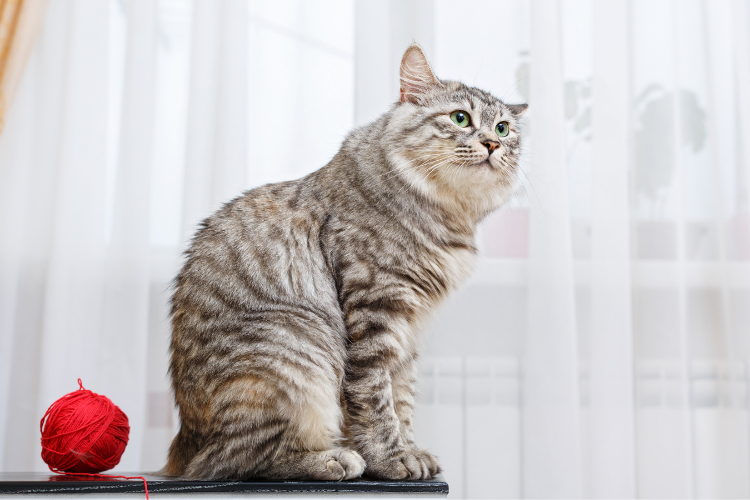
American Bobtails often weigh twelve to sixteen pounds, with broad shoulders and powerful hindquarters that reflect their natural development across diverse regions of the United States. Their shortened tails do not reduce their physical presence, and many carry surprising strength through their back and legs.
Their weight becomes noticeable through their slow deliberate posture, especially when they shift across cushions or navigate elevated spaces. They mature steadily, maintaining their sturdiness throughout adulthood. Their dense build allows them to move confidently while still appearing relaxed, giving them a quiet but unmistakable sense of solidity in daily life.