
A rare landing leaves the city guessing.
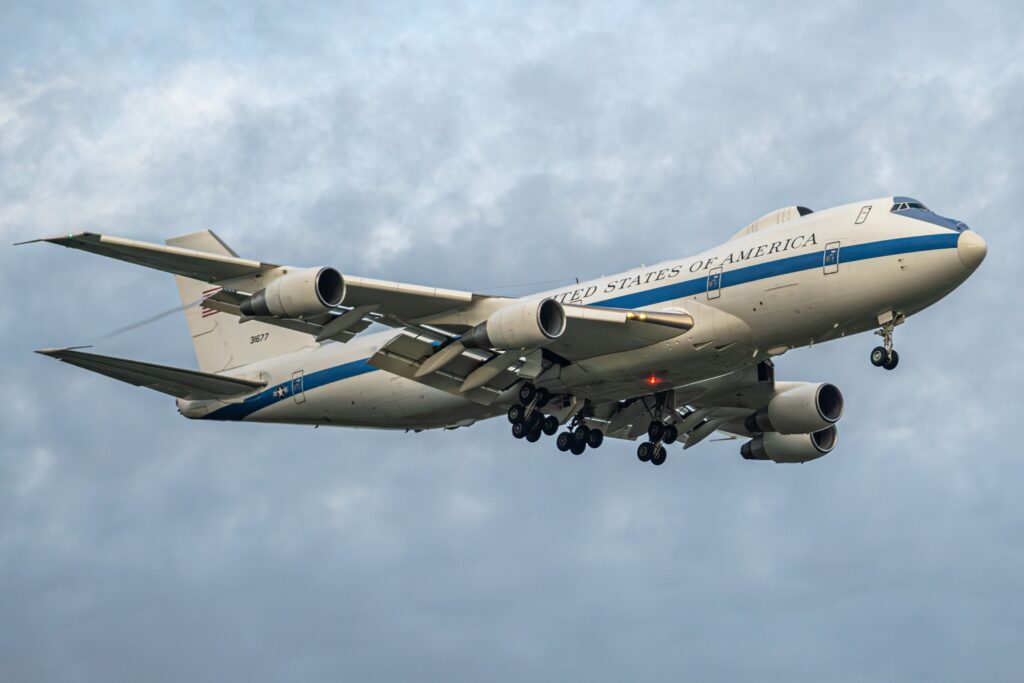
People waiting for rides outside Los Angeles International Airport noticed it first, a hulking four engine jet moving with unusual priority near the runways. Spotters began posting clips, travelers started asking staff, and speculation outran facts. The nickname attached to the aircraft did not help, and neither did the lack of an explanation. By the time it parked, the airport felt like it was holding its breath, because some arrivals look ordinary until you remember what they are built for.
1. The aircraft appearance immediately sparked public speculation.
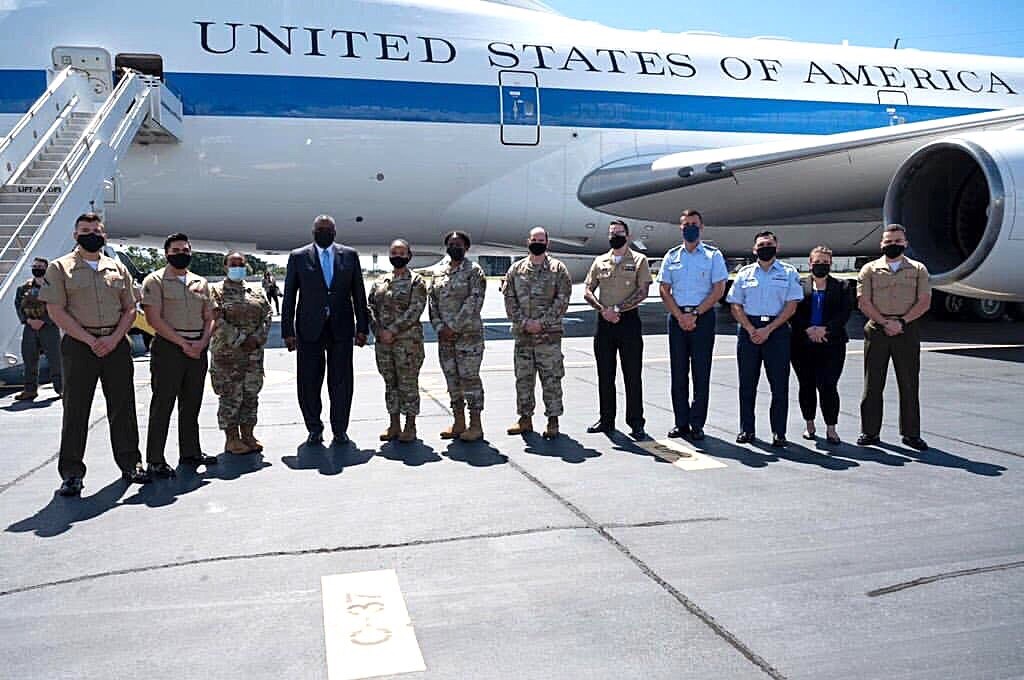
The aircraft did not arrive like a celebrity jet, it arrived like a piece of infrastructure. It rolled past terminals that run on routine, and suddenly routine looked fragile. People in Terminal 4 and the Sepulveda corridor traded screenshots, asking why a command plane would choose LAX at all.
Context emerged in fragments, not announcements. The Los Angeles Times reported it was the Boeing E 4B Nightwatch, in town to move senior defense leadership during a Southern California stop. That explanation calms some nerves, but the choice of a busy civilian airport still raises new questions for those watching closely.
2. Calling it a doomsday plane changes everything.
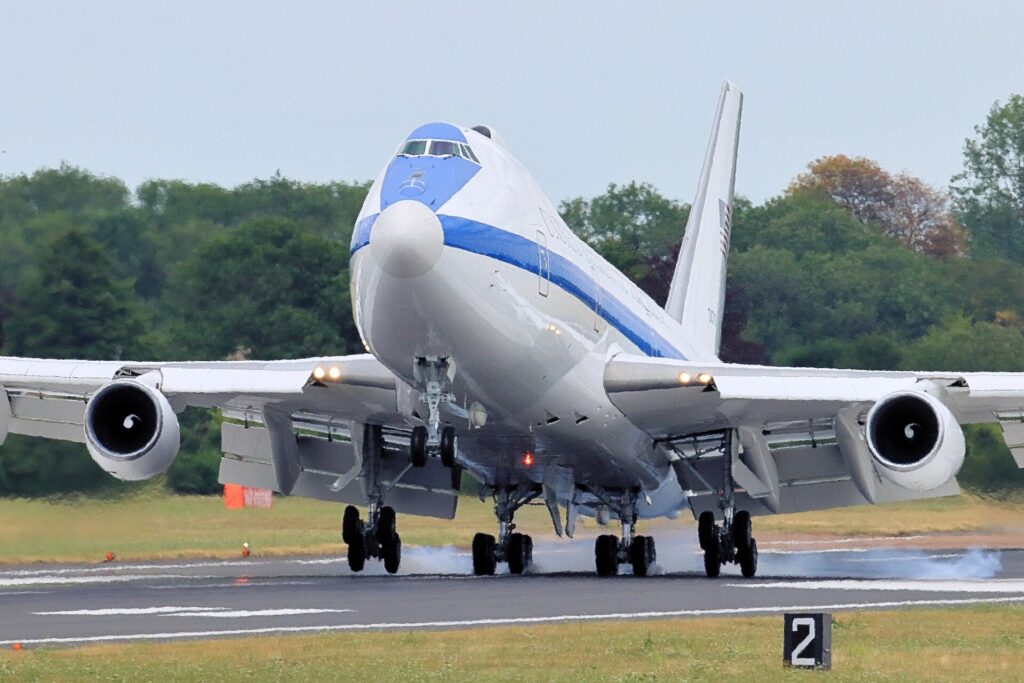
Calling it a doomsday plane turns a technical platform into a campfire story. At LAX, that label landed on families heading to baggage claim and drivers circling the horseshoe. When an aircraft is built for continuity of government, even a routine landing can feel like a signal.
The U.S. Air Force describes the E 4B as a highly survivable command, control, and communications center, according to a fact sheet. It exists to function when ground networks fail. Knowing that purpose explains the design, but it does not explain why people saw it here instead of on a quieter base.
3. For aviation watchers, the location felt deliberate.

For aviation watchers, the oddest detail was not the nickname, it was the location. LAX is dense, loud, and exposed, the kind of place where every camera finds you. That visibility fuels uneasy narratives, especially when flight trackers show unusual routing before touchdown. Some claimed it had never been filmed here before.
Online clips framed it as a warning, then the comments ran wild. Newsweek noted the landing drew alarm on social media, in part because public sightings of the E 4B are rare. Rarity creates a vacuum, and vacuums get filled fast, even when the real reason is boring.
4. Airport staff had little they could share.
On the ground, the tension was partly procedural. When a large military aircraft shows up at a commercial hub, gates, towing crews, and security lanes adjust on the fly. Passengers see movement but not the planning, so silence reads like secrecy. A remote stand, a guarded perimeter, and a quick fuel plan can shift an entire afternoon schedule at once.
LAX regularly handles military and government flights, yet this platform draws extra attention. Even if the arrival is scheduled, details may stay compartmentalized for security. That leaves frontline staff with polite scripts, while the internet invents a more dramatic backstory.
5. What makes this jet unsettling is its purpose.
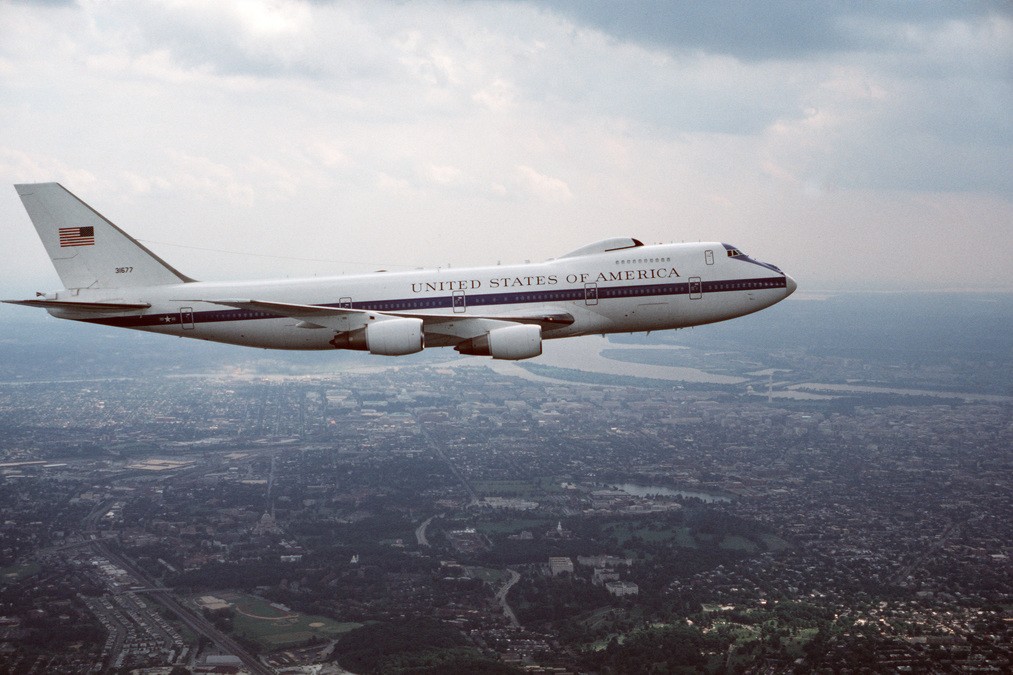
What makes this jet unsettling is that it is built for the day you hope never comes. Its mission implies scenarios most people avoid thinking about, and the nickname keeps dragging those images back. At a place like LAX, surrounded by vacation luggage and coffee runs, that contrast feels sharp.
The aircraft is essentially a flying command post, with communications capacity designed to stay functional under extreme conditions. That does not mean a crisis is underway. Still, when a system is designed for survival, people assume it only moves when the clock is ticking, even if that assumption is wrong.
6. Timing alone is what made locals uneasy.
Timing is what made locals uneasy. Aviation watchers tracked the approach on a weekday, while commuters on the 405 saw the silhouette and wondered what meeting required that kind of platform. In Los Angeles, where aerospace and defense contracts live next door to movie premieres, symbolism spreads quickly.
Trips like this can align with inspections, tours, or briefings across Southern California facilities. Officials often travel with secure communications even for ordinary itineraries. The problem is that the public only sees the hardware, not the calendar, so the narrative becomes about threat instead of logistics and gap breeds anxiety in crowds.
7. Online, the plane became a puzzle quickly.

Online, the plane became a puzzle people tried to solve in real time. Users compared tail markings, listened for radio chatter, and watched the taxi route on live streams. The speed of amateur analysis can make uncertainty feel like evidence. At LAX, every angle had a witness for hours.
Military flights are often visible through public tracking data, but details can be incomplete or delayed. A call sign might change, a transponder might behave differently, and routing can reflect air traffic needs. When information arrives in partial pieces, the most confident theory tends to win, not the most accurate one.
8. Some travelers noticed security posture shift subtly.

Some travelers reported extra patrols near certain access roads and more watchful eyes at terminal edges. Even small changes in posture can feel ominous when paired with a high profile arrival. In airports, people read security like weather, scanning for what might be coming next.
Large government aircraft may park at remote stands and use controlled vehicle routes, which can increase visible security without changing the threat level. Coordination with airport police and federal partners is routine for sensitive passengers. The trouble is that routine looks like escalation to anyone who is already primed by the doomsday nickname in public.
9. Suddenly, wild claims traveled faster than verification.

The loudest claims traveled faster than any correction. Within minutes, posts tied the landing to wars, attacks, and secret alerts, then screenshots escaped their original context. By the time someone asked for verification, the story had already hardened into a feeling.
Platforms reward urgency, and rare aircraft are perfect fuel for that machine. A single clip can be reposted with new captions, each more ominous than the last. Local group chats in Westchester and El Segundo lit up with speculation overnight. Even when officials clarify a mundane purpose, the emotional imprint remains, because the brain remembers fear better than footnotes.
10. After it lands, the story keeps growing.
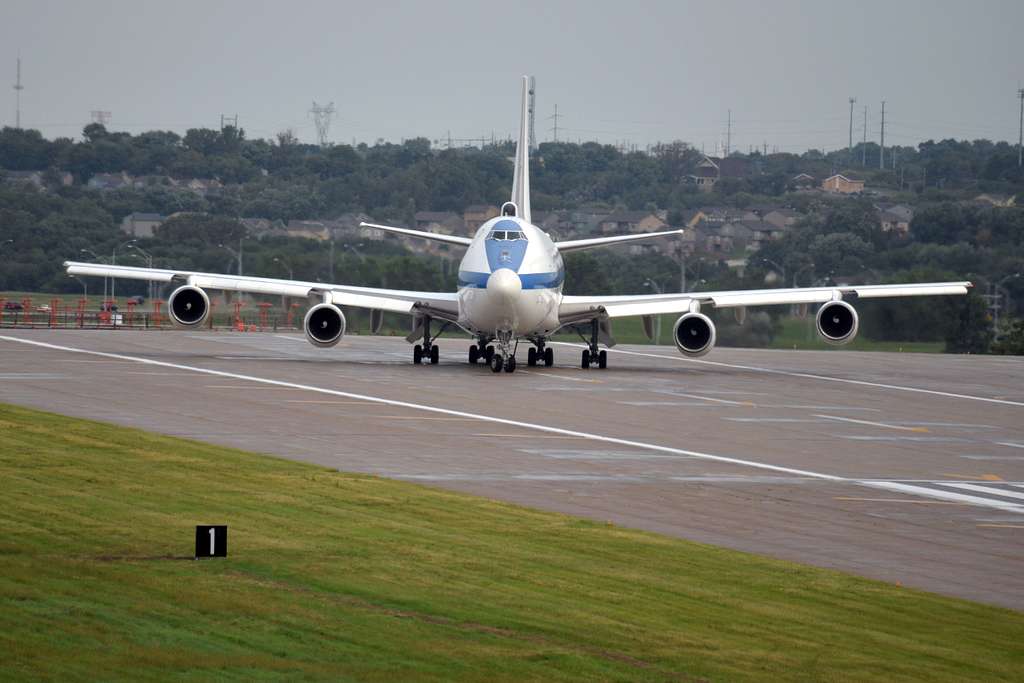
After it lands, the story does not end, it mutates. People watch for an escort aircraft, a sudden departure, or a second arrival that confirms their worst suspicions. At LAX, even the direction of takeoff becomes a clue in someone else’s theory.
In reality, these aircraft rotate through maintenance, crew training, and travel needs that can look dramatic from the outside. A short stay can be nothing more than a pickup, a refuel, or a schedule constraint. Still, once the doomsday label sticks, every future sighting at a civilian airport will feel like a test of nerves for everyone.