
Ancient texts breathe again through modern technology.

In the ruins of Herculaneum, buried under ash from Mount Vesuvius in AD 79, hundreds of papyrus scrolls lay carbonized and unreadable for two thousand years. Now, artificial intelligence has helped scientists read these fragile relics, unveiling the words of Philodemus, a philosopher of Epicurean thought. Using advanced imaging and machine learning, experts have resurrected ideas about pleasure, knowledge, and life once shared in Roman villas. What follows is the unfolding story of how ancient philosophy met modern technology—and how a lost voice from antiquity is speaking again after centuries of silence.
1. AI-trained algorithms revealed text hidden within burnt scrolls.
The Herculaneum papyri were thought lost forever—blackened lumps of carbon impossible to open. But researchers using machine-learning tools and 3D scans taught algorithms to recognize tiny traces of ink invisible to the human eye. As discovered by the Herculaneum papyri project, these systems separated letters from folds of papyrus without unrolling them. What once seemed beyond recovery is now readable text, letter by letter. The technology didn’t just save words; it saved ideas that had vanished into ash. Through pixels and algorithms, history regained a heartbeat and philosophy found a digital second life.
2. Philodemus of Gadara emerges from two millennia of silence.
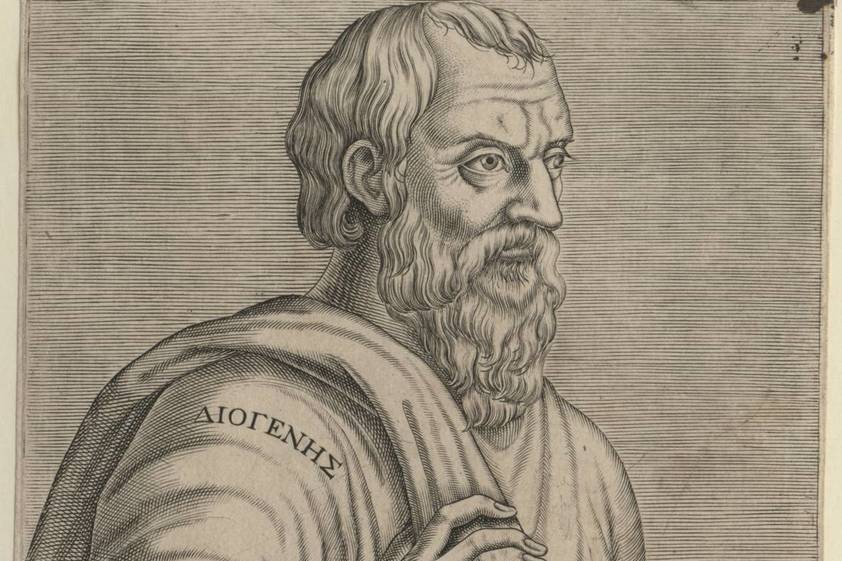
Among the deciphered fragments, scholars recognized the elegant phrasing of Philodemus, a Greek philosopher who lived in Italy during the first century BC, as stated by The Guardian. His writings, rooted in Epicurean philosophy, explore the pursuit of pleasure, virtue, and perception. The identification is monumental because only a handful of his works survived the ancient world intact. Through AI’s intervention, Philodemus speaks again—debating pleasure, art, and thought with clarity that bridges centuries. The rediscovery places him firmly among Rome’s great intellectuals and reintroduces a thinker once thought permanently lost to history.
3. The rediscovered passages reveal how Romans viewed pleasure.
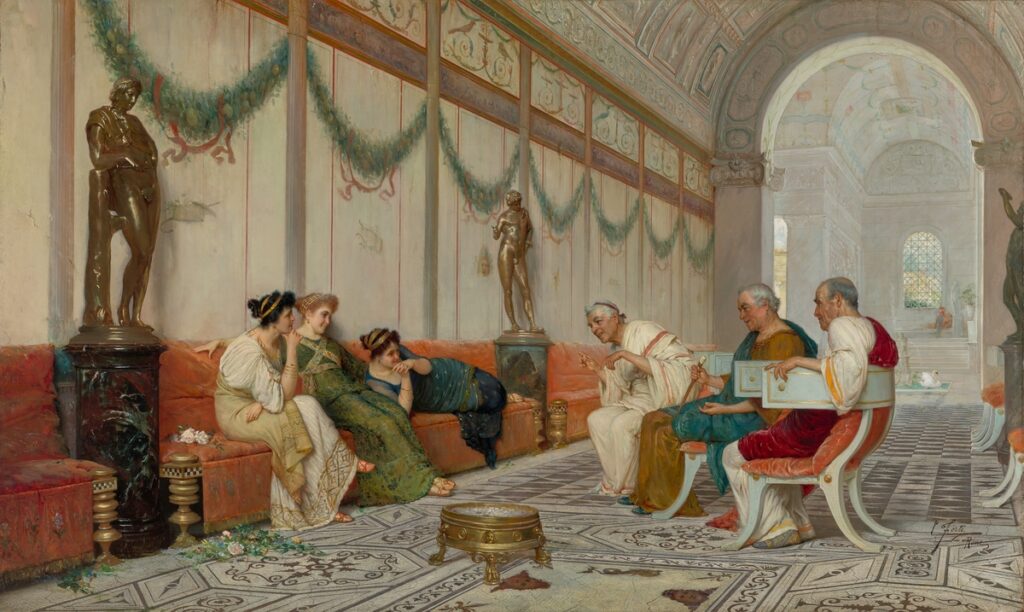
One translated section wrestles with a question that feels timeless: does scarcity make pleasure more valuable, or is abundance the truest joy? The text dives into sound, taste, and color—treating beauty as an experience rather than a possession, according to Smithsonian Magazine. These musings challenge assumptions that ancient philosophy was abstract or detached from real life. Instead, they show a society reflecting deeply on happiness and meaning. The scrolls don’t just record ideas; they show how Romans thought, argued, and found delight in the physical and intellectual worlds intertwined.
4. The Villa of the Papyri preserved a philosopher’s world.
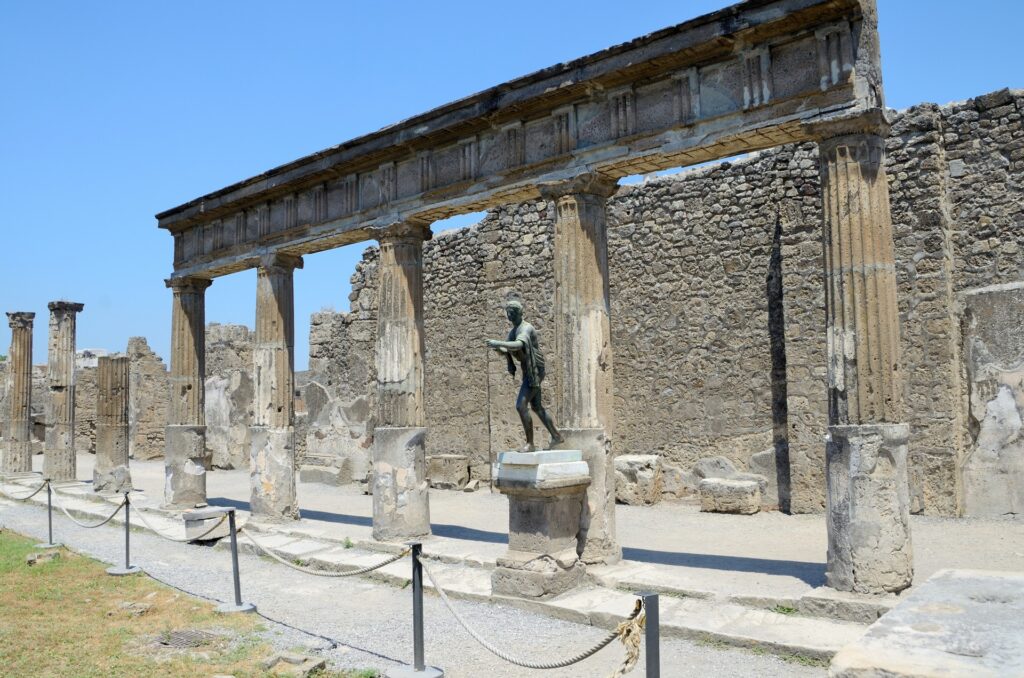
The scrolls came from the luxurious Villa of the Papyri, believed to have belonged to a wealthy patron of learning. When Mount Vesuvius erupted, lava and ash buried the villa and sealed its library like a time capsule. Ironically, the same catastrophe that destroyed Pompeii protected these texts from decay. Excavations centuries later revealed thousands of papyrus rolls—too delicate to open by hand. What the volcano silenced, AI has now revived. The villa’s charred ruins are no longer just archaeological remains; they’ve become a conversation between past and present.
5. Virtual unwrapping brought the scrolls to digital life.
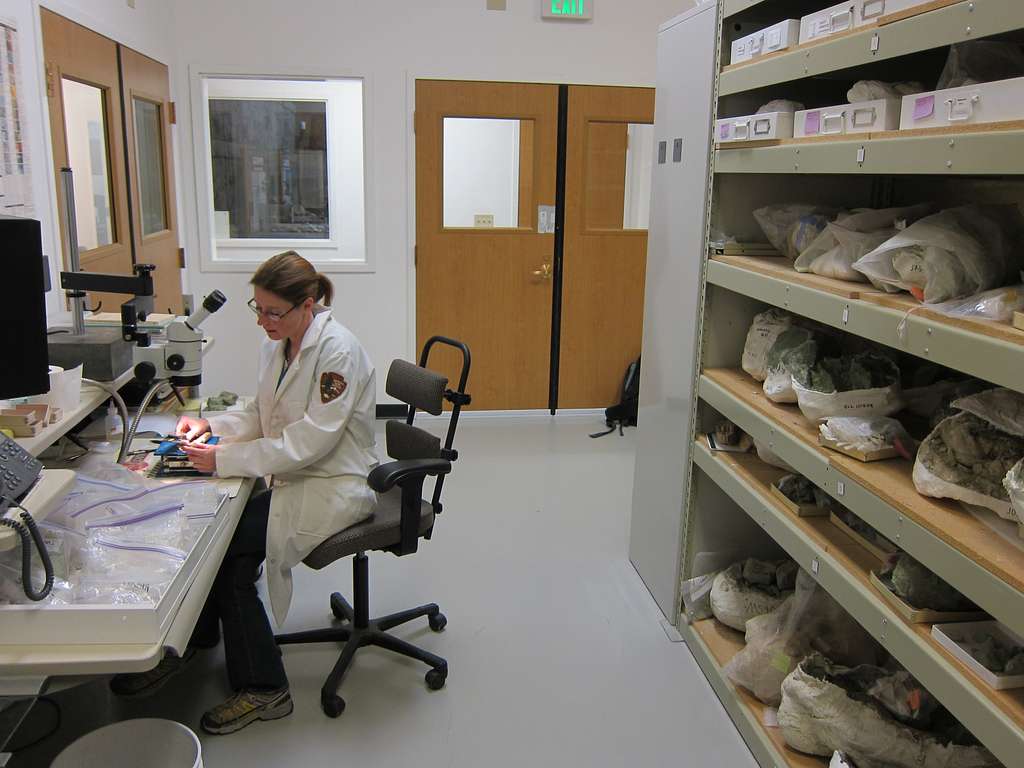
Rather than physically touching the fragile rolls, scientists used CT scanning and virtual reconstruction to “unwrap” them layer by layer. High-resolution imaging allowed computers to map the structure of each scroll in microscopic detail. This method, pioneered by researchers at the University of Kentucky, means the papyri can be read without ever being unrolled. It’s like peeling back time itself, revealing text untouched since antiquity. The same tools used in medicine and physics now give voice to ancient thinkers, turning fragile artifacts into permanent digital archives for the world to study.
6. AI’s precision reduced decades of manual work into months.

For generations, reading a single burnt papyrus was painstaking and uncertain. But artificial intelligence changed the rhythm of discovery. Algorithms trained to detect patterns in texture and density can now identify ink even when it blends into blackened fibers. What once took scholars years can now be done in months. The process doesn’t replace expertise—it enhances it, freeing human eyes to interpret rather than hunt for traces. The collaboration between human insight and machine precision is what finally pulled meaning from ash and gave ancient philosophy a new, modern cadence.
7. Epicureanism gains new depth through the recovered ideas.
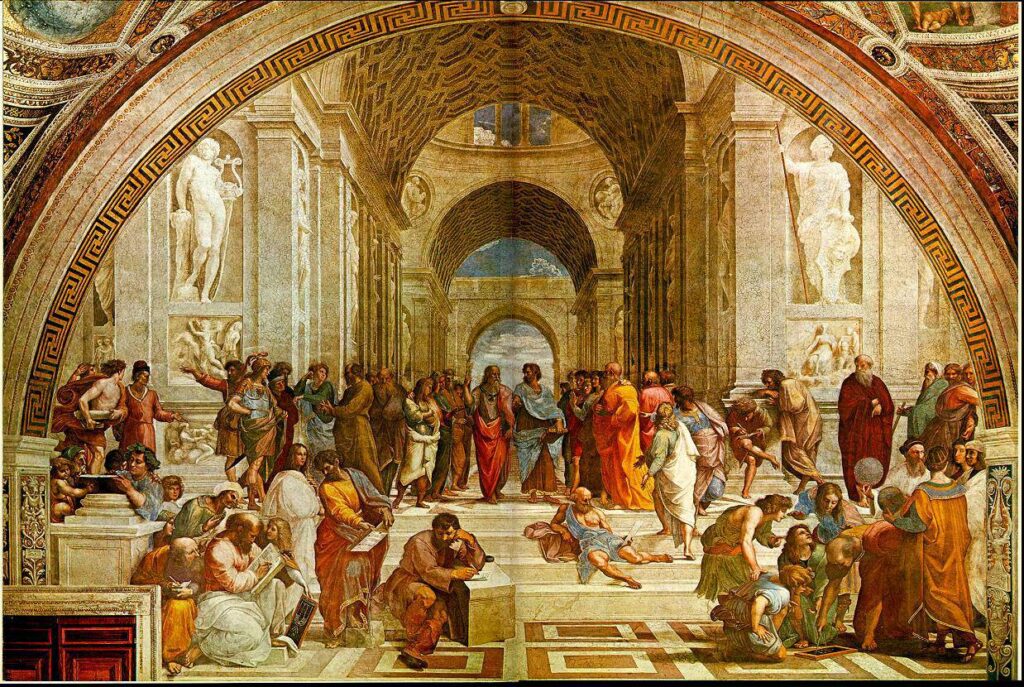
Before these discoveries, Epicurean philosophy was known mainly from fragments and summaries written by others. The new translations reveal a richer and more personal perspective on pleasure, moderation, and human fulfillment. Philodemus discussed the senses as gateways to knowledge and contentment, not as temptations to avoid. These texts recast the Epicureans as thoughtful observers of human experience, not hedonists as history often portrayed them. Each decoded passage adds complexity to a philosophy that shaped later thinkers—and shows that joy, balance, and curiosity have always defined the human search for meaning.
8. Technology and humanities merge to rewrite ancient history.
This breakthrough isn’t just about reading old scrolls—it’s about how AI and classical scholarship can work hand in hand. Engineers, computer scientists, and linguists collaborate with historians to interpret what the machines reveal. The fusion of code and context breathes life into ancient cultures, offering lessons for modern research across disciplines. The same algorithms decoding papyri could soon help analyze faded paintings, weathered inscriptions, or ancient maps. When technology listens to the humanities, the past doesn’t just survive—it evolves into a living, interactive narrative that connects generations.
9. The project’s next step aims to decode the full library.
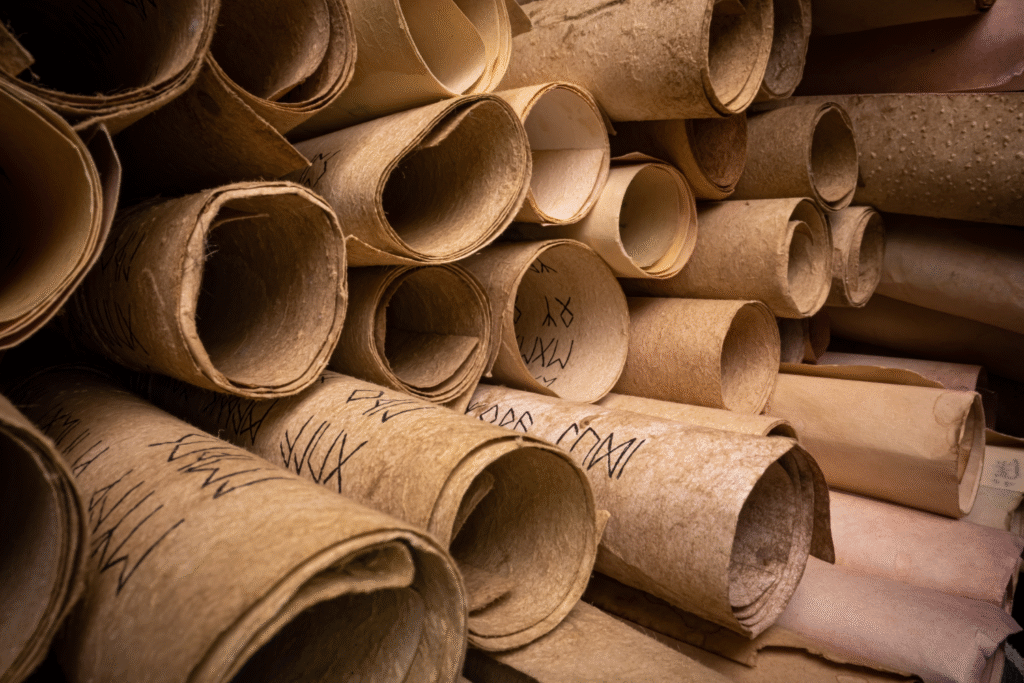
With only fragments of the Herculaneum papyri read so far, researchers now plan to scale up scanning and AI translation for the entire collection—nearly 1,800 scrolls. Each could contain lost works of poetry, science, or philosophy. The vision is ambitious: to reconstruct the ancient world’s first private library in full. If successful, the findings could rival the rediscovery of the Rosetta Stone in impact. The journey that began with one scroll and one algorithm may soon reveal an entire civilization’s inner life, preserved in ink, ash, and data.