
Excavation clues finally align into a forgotten sanctuary.
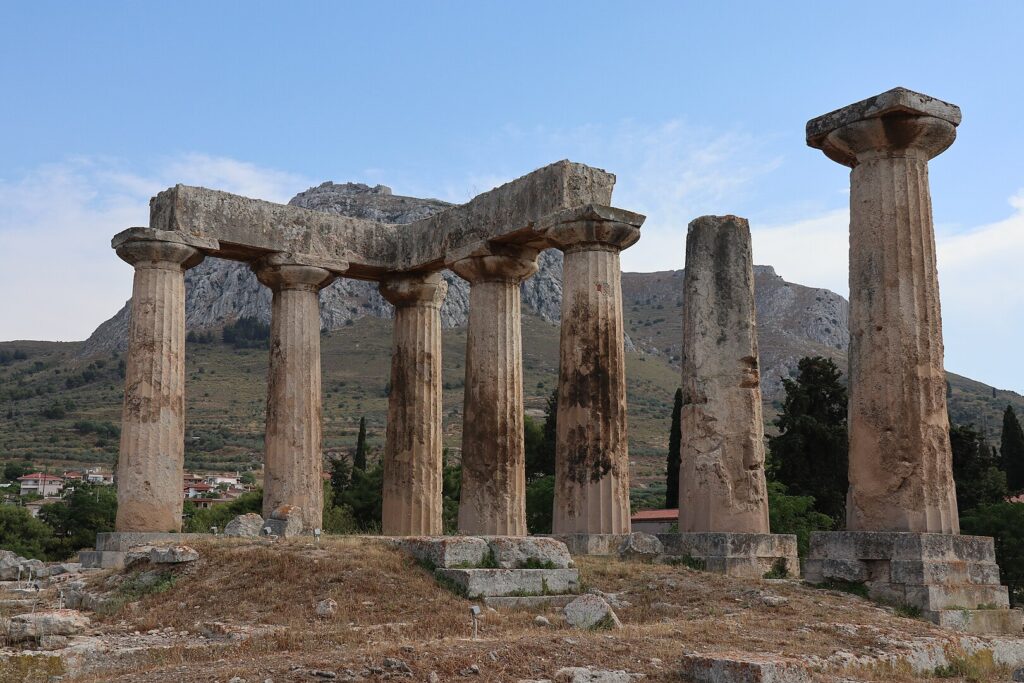
For decades, scholars suspected that something significant lay buried beneath the rocky hills of western Crete, but evidence remained scattered and inconclusive. Recent excavations near the ancient city of Aptera changed that abruptly. Stone alignments, inscriptions, and ritual debris began forming a coherent pattern tied to Apollo, one of the most influential gods in the Greek world. The discovery does not just reveal a building. It restores a missing chapter of Cretan religious life during the Hellenistic and Roman eras, when faith, politics, and geography were tightly bound.
1. Foundations confirm a formal sanctuary once stood here.
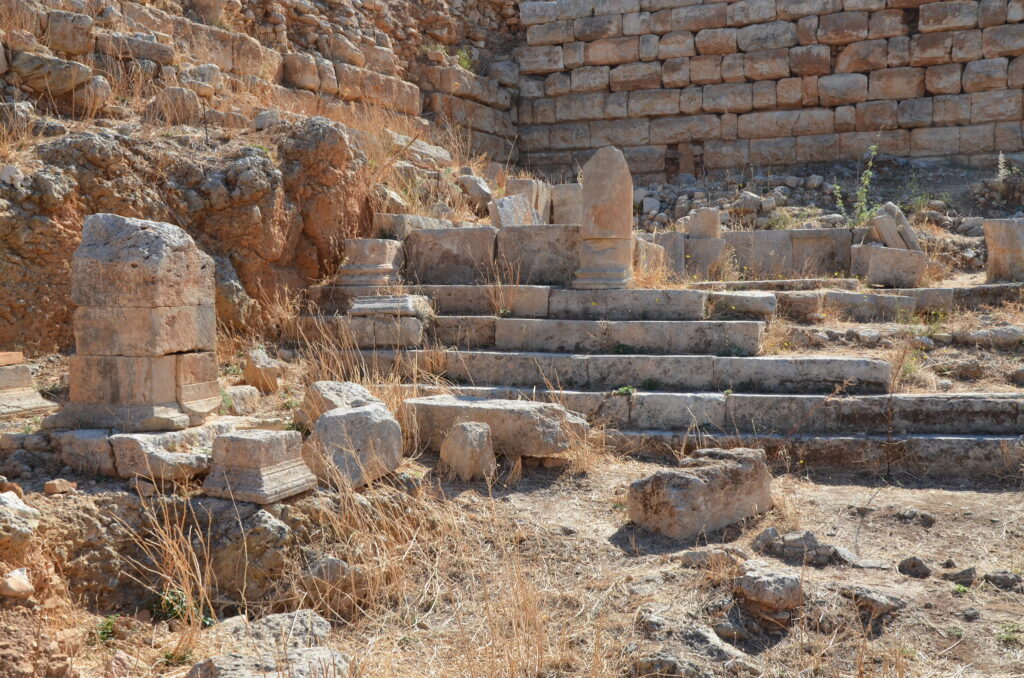
Excavators uncovered large limestone foundations arranged in terraces overlooking Souda Bay near Aptera. The size and orientation rule out domestic or military use, pointing instead to ceremonial architecture intended for public ritual gatherings.
Aligned walls guide movement toward a central sacred zone. Column drums and dressed blocks suggest a monumental façade visible from a distance. According to the Greek Ministry of Culture, the layout closely matches known Apollo sanctuaries from the Hellenistic period, supporting the conclusion that this was a formally planned religious complex rather than a local shrine.
2. Stone inscriptions directly identify Apollo as deity.

Fragmented inscriptions recovered from reused blocks contain dedicatory language naming Apollo. The lettering style dates to the late Hellenistic period, when public religious identity was often displayed prominently in stone.
The texts reference offerings and communal devotion rather than private worship. As reported by the Archaeological Institute of America, these inscriptions resolve long standing debate about the sanctuary’s patron deity, confirming Apollo’s presence through direct epigraphic evidence rather than architectural inference alone.
3. Ritual objects match known Apollo worship practices.
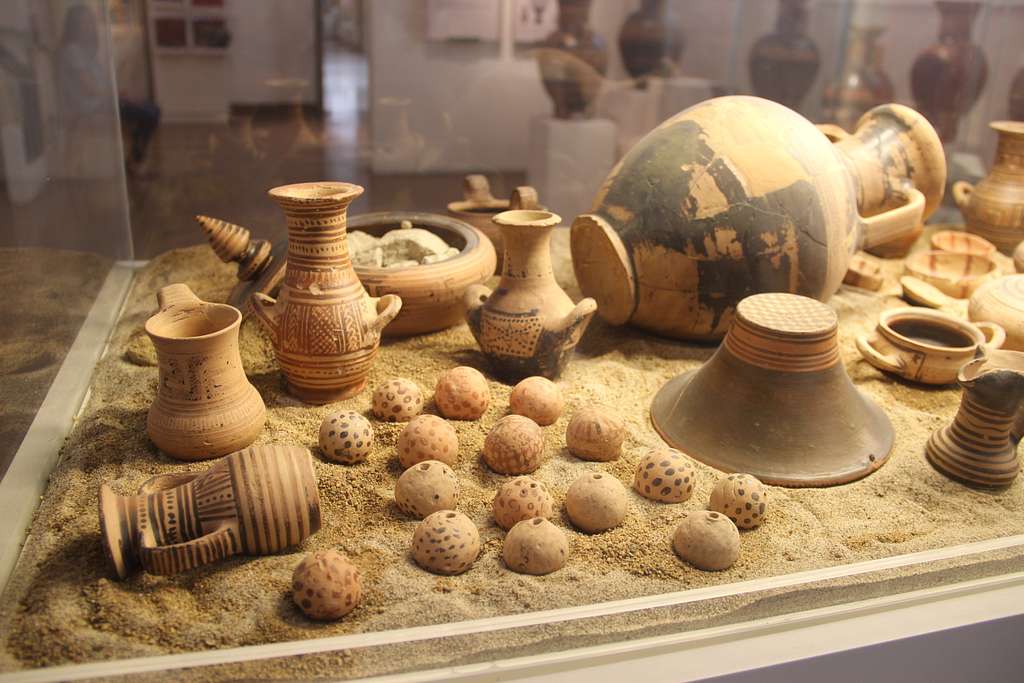
Clusters of votive offerings including ceramic vessels and bronze figurines were found near what appears to be an altar zone. Their placement suggests repeated ritual use rather than random deposition.
Several objects feature musical and laurel motifs traditionally associated with Apollo. As stated by the academic journal Hesperia, the assemblage closely parallels material recovered from confirmed Apollo sanctuaries elsewhere in the eastern Mediterranean, strengthening the identification through comparative archaeology.
4. The site commanded both land and sea approaches.

The sanctuary occupies elevated ground with unobstructed views of Souda Bay and inland roads leading into Aptera. This position ensured visibility to travelers arriving by ship or land.
Such placement reflects Apollo’s role as protector and civic guide. Pilgrims approaching the city would encounter the sanctuary before entering urban space. The temple functioned as both religious center and territorial marker, reinforcing spiritual authority through geography and visibility.
5. Stratigraphy reveals centuries of continued devotion.
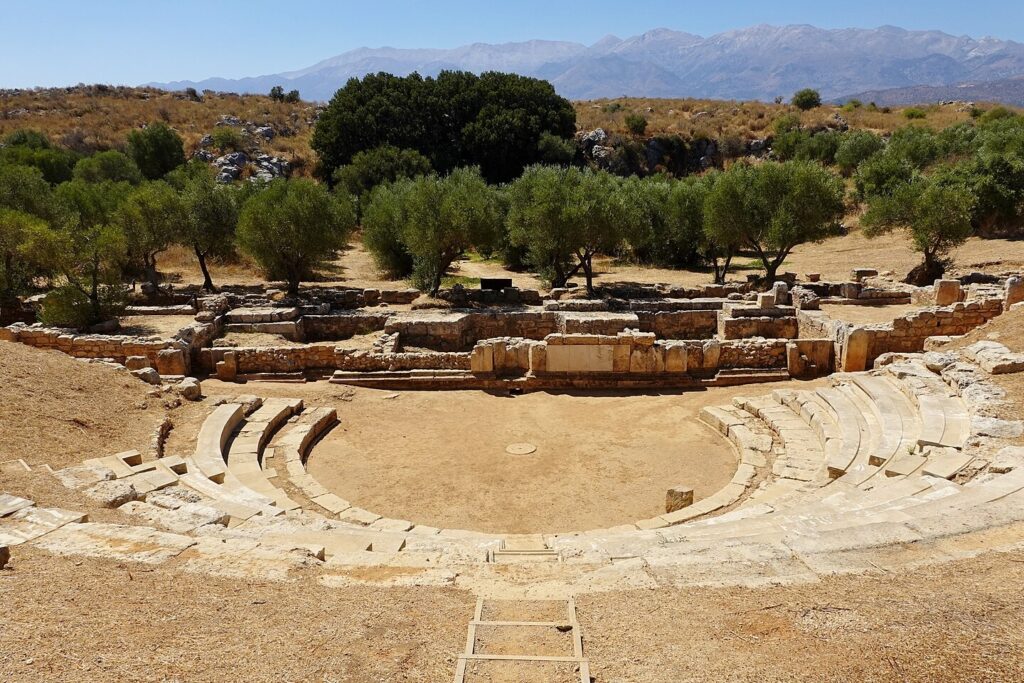
Excavation layers show the sanctuary underwent multiple construction phases rather than a single period of use. Earlier Hellenistic foundations were later modified with Roman era building techniques.
These changes indicate maintenance rather than abandonment. Sacred orientation remained consistent across phases, suggesting ritual continuity. The site evolved alongside political shifts, demonstrating that Apollo worship at Aptera adapted rather than disappeared as authority changed hands.
6. Roman renovations reshaped the sacred environment.
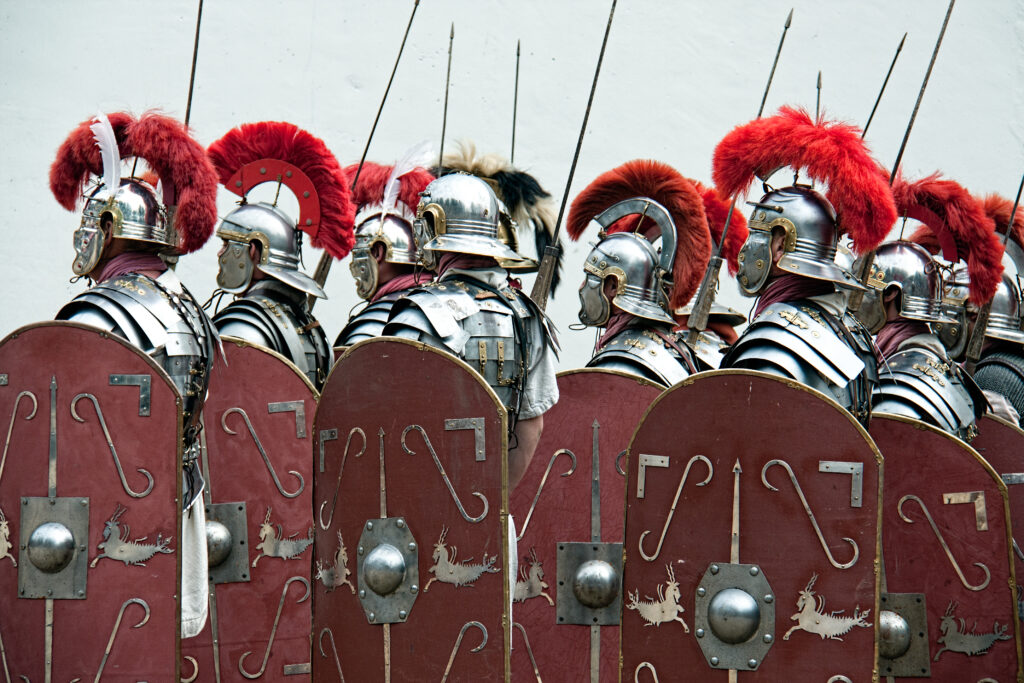
During Roman control of Crete, the sanctuary received architectural upgrades including stone paving and refined masonry. Imported materials suggest investment beyond local means.
These renovations reflect integration into Roman religious life without erasing Greek tradition. Apollo’s cross cultural significance allowed the sanctuary to remain relevant. The space became more formalized, accommodating larger gatherings while preserving established ritual practices familiar to local worshippers.
7. The discovery elevates Aptera regional importance.
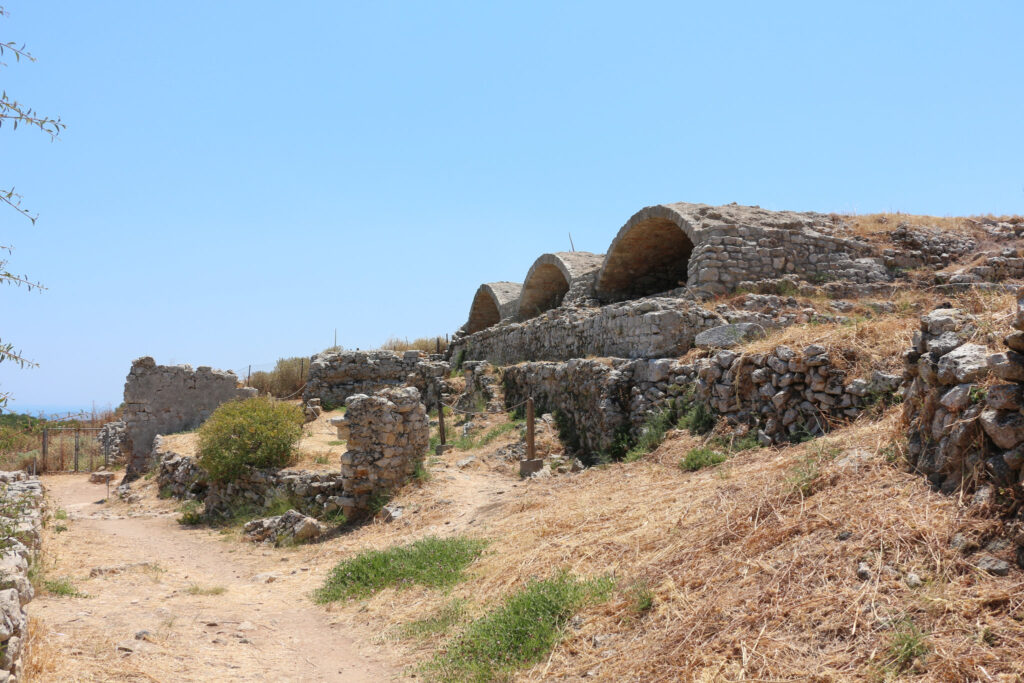
Before this excavation, Aptera was often considered secondary to larger Cretan religious centers. The scale of this sanctuary challenges that assumption directly.
A major Apollo temple implies regional pilgrimage and influence. Religious gatherings would have drawn visitors, resources, and prestige. The city’s role in western Crete appears more central, with faith serving as a conduit for political and cultural standing.
8. The find fills a historical gap on Crete.
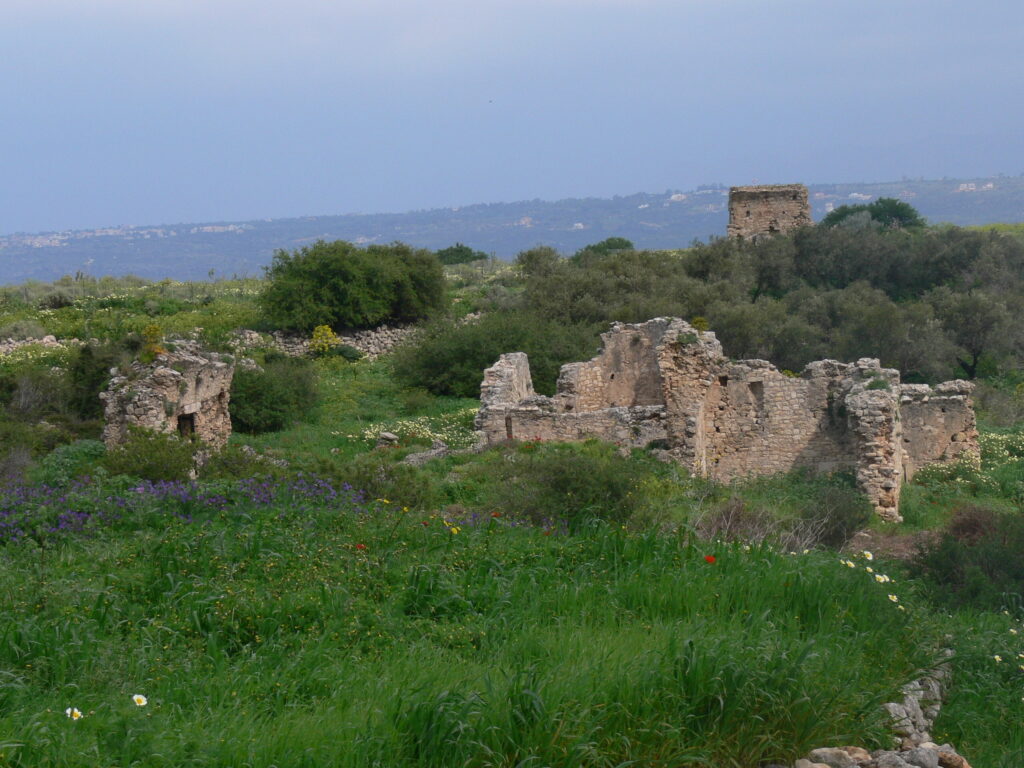
Crete’s narrative often jumps from Minoan palaces to Roman infrastructure, leaving intervening centuries thinly documented. This sanctuary anchors that missing span.
It demonstrates continuity in religious life and civic organization. Rather than decline, communities invested in shared sacred spaces. The temple offers tangible evidence of cultural persistence during periods once thought transitional or diminished.
9. Ongoing excavations hint at a larger complex.

Geophysical surveys indicate additional structures beyond current excavation trenches. These may include courtyards, stoas, or priestly quarters tied to ritual administration.
Each newly exposed wall refines understanding of how worship functioned daily. The sanctuary likely extended beyond the temple itself, forming a broader ceremonial landscape that structured movement, gathering, and offerings across the site.
10. The temple reshapes interpretations of Cretan religion.
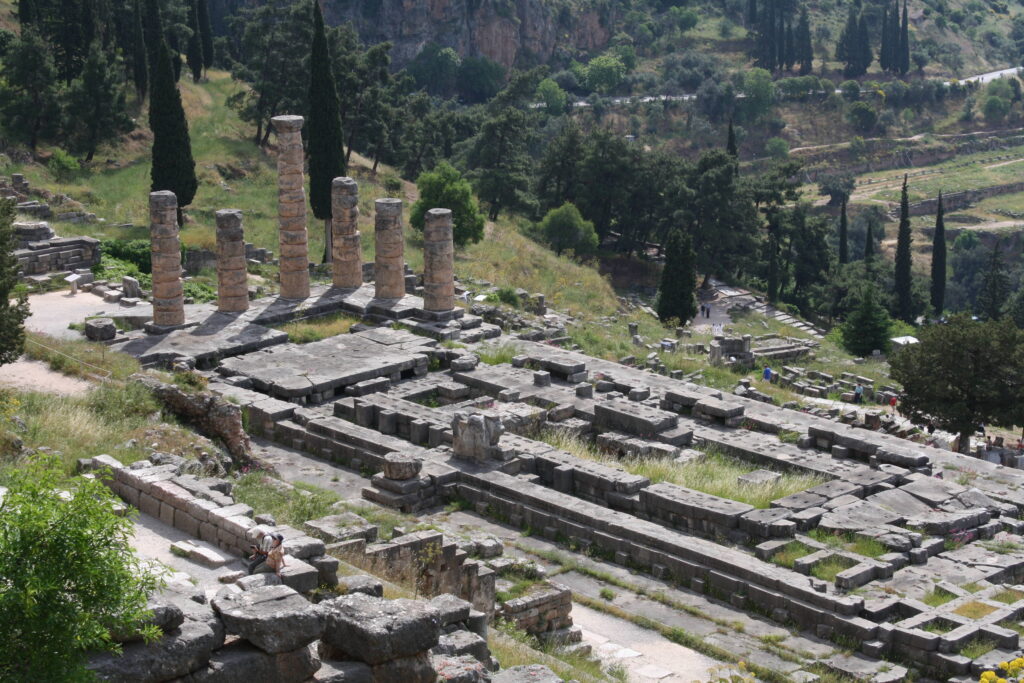
This discovery forces scholars to reconsider how religious networks operated on Crete. Apollo worship here appears organized, enduring, and publicly significant.
Rather than isolated practice, the sanctuary connects Aptera to wider Mediterranean traditions. The temple stands as evidence that faith, politics, and place remained deeply intertwined, even as empires shifted, leaving a legacy only now returning to view.