
That giant fluff might be working overtime at night.
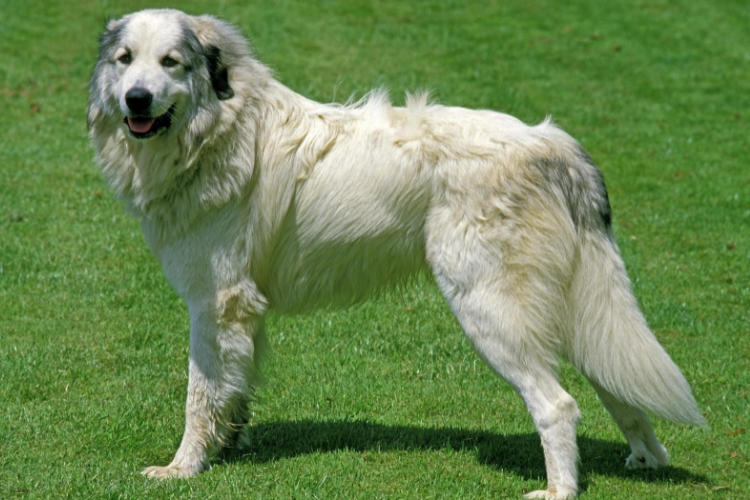
If you’re charmed by the regal silhouette of the Great Pyrenees—its thick white coat, calm approach and loyal guard-dog legacy—you’re not alone. But behind that majestic look lies a very real trait: persistent barking, especially at night. This working-breed origin means the Pyr is wired to patrol, alert and vocal. In this article we’ll walk through 10 reasons why those serene evenings can turn into full-on bark marathons, and how knowing the causes helps you manage the behaviour with respect and empathy.
1. Their guarding instinct never truly takes a night off.
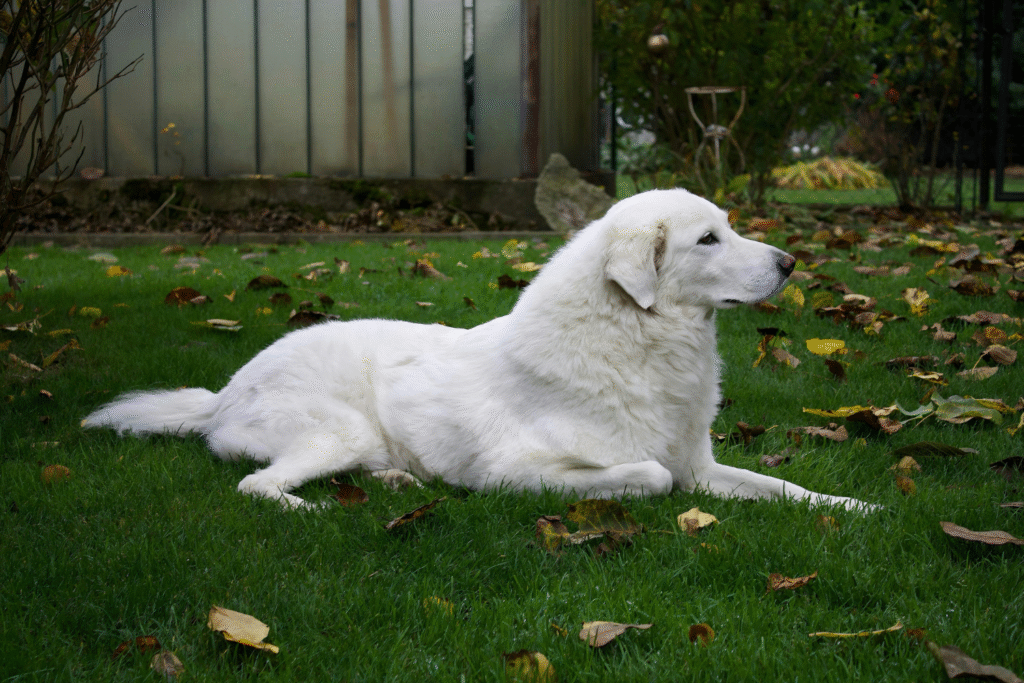
With roots as livestock guardians in the Pyrenees Mountains, the Great Pyrenees was bred to watch over sheep and repel predators—day and night. According to the breed profile by Hill’s Pet Nutrition, their guarding nature also translates into strong barking instincts at odd hours. That history explains why a Pyr may consider a distant rustle or passing car as a threat requiring vocal response.
When your big white dog stands at the window or emits a deep bark into the darkness, it isn’t just random noise—it’s a puppy who inherited a 1,000-year job. Recognising that this is instinct rather than mischief helps shift our mindset from annoyance to understanding. Harnessing that purpose takes more than a calm voice—it takes channelled activity.
2. They detect faint noises that we would never hear.
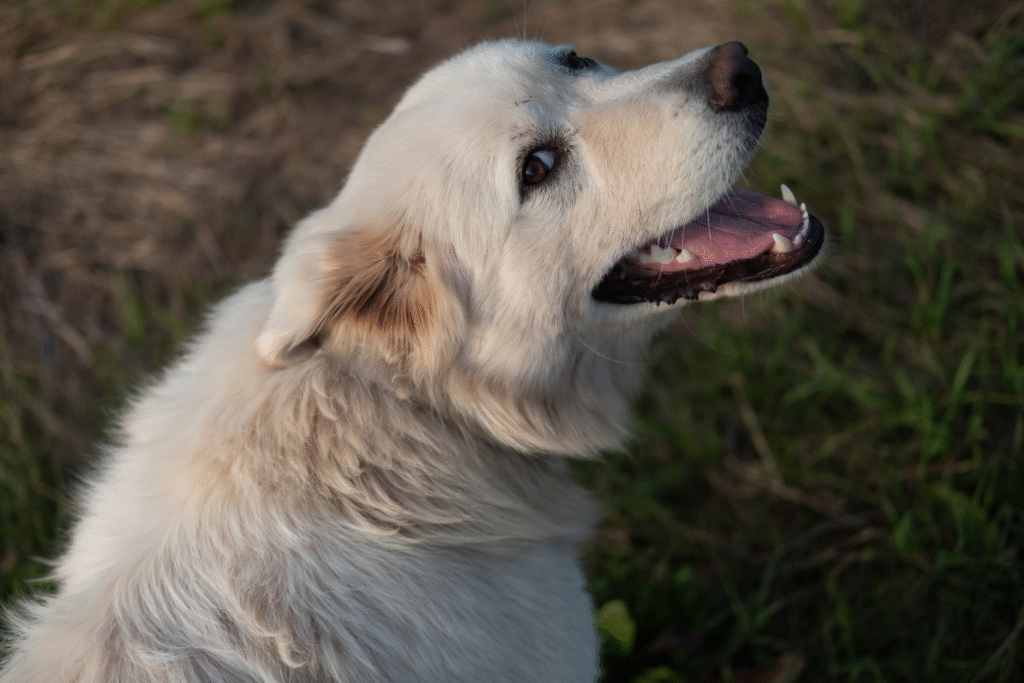
Great Pyrenees have acute hearing and heightened alertness, which means they respond to stimuli well before we even know something happened, as stated by Noah’s Ark Veterinary Clinic. A cat walking nearby, a distant car alarm, even the wind shifting over the roof—all can trigger instant barking. For a human sleeping soundly, it might seem arbitrary, but for a Pyr, it’s a duty in action.
Because their brain is keyed to guard, that bark is a signal: “I sense something.” So if you hear them barking when you don’t see a cause, consider it a notification rather than an error. Working with that instinct—providing clear boundaries and signals of “all clear”—can quiet the night without silencing the soul of their role.
3. The mature adult Pyr often keeps puppy-level barking habits.
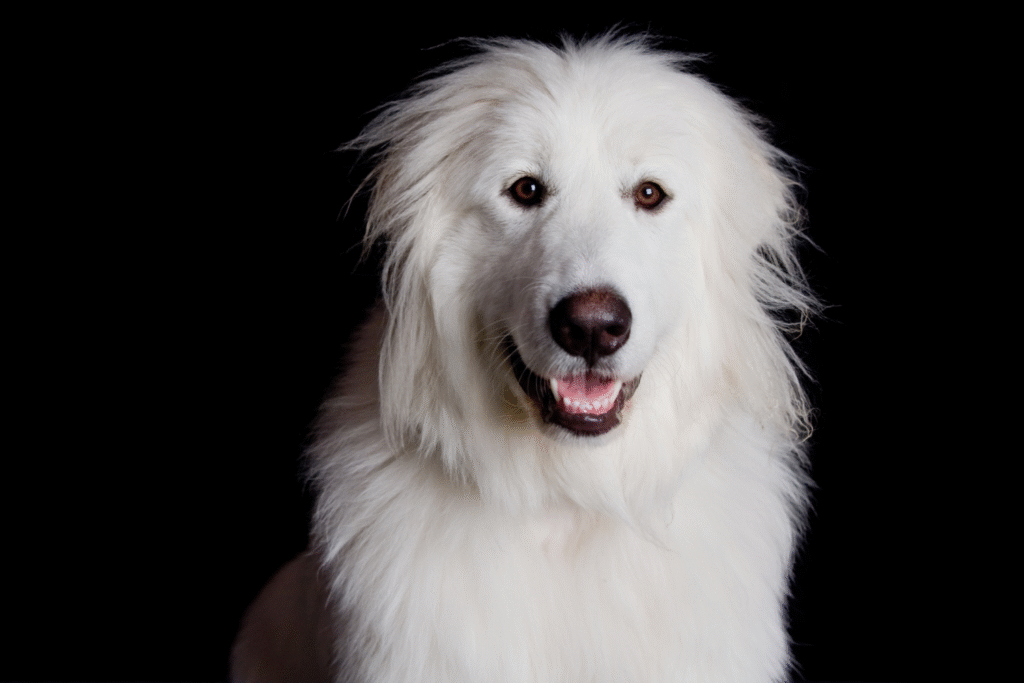
Although the Great Pyrenees may reach physical maturity around one year, full mental maturity and calm often come later. As reported by PetCare on breed-specific barking, owners frequently note that Pyrs continue to bark into adolescence and adult years because their brain still processes signals as potential threats. That means late-night barking is not necessarily a behavioural failure—it’s a delay in settling the guard instinct.
If your adult Pyr is still vocal at night, it may simply mean their internal alarm system is still highly sensitive. Addressing this means consistent training—letting them know what counts as “safe” and what requires reaction—and creating a secure environment where fewer triggers exist. The goal isn’t silence, but precision.
4. Lack of mental or physical stimulation leads to excess vocalisation.
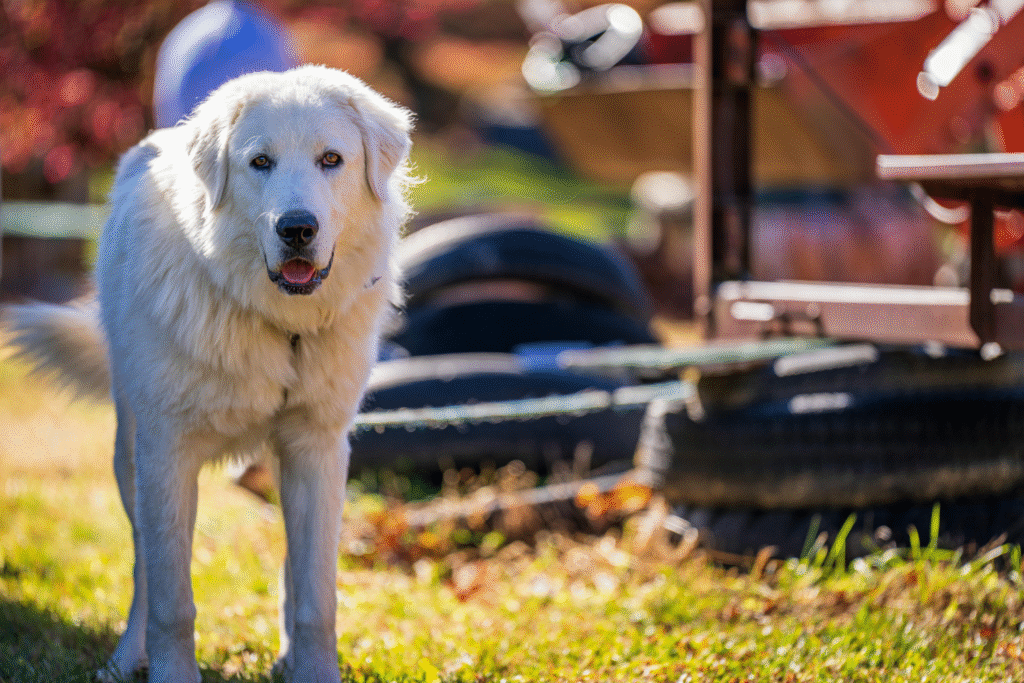
When a Pyr isn’t given a meaningful role or sufficient exercise, they may resort to their natural guarding channel—barking. If during the day they haven’t had enough activity, the night becomes their turn to run the alert shift. It’s like giving a guard the night off but forgetting to turn off the lights.
Setting your Pyr up for success means giving morning walks, supervised yard time and interesting activities so that by night they’re less inclined to patrol. It also means removing boredom triggers—if they’re barking because they heard a noise in an empty yard, consider whether you’ve given them enough reason to relax instead.
5. The nighttime environment heightens their vigilance.
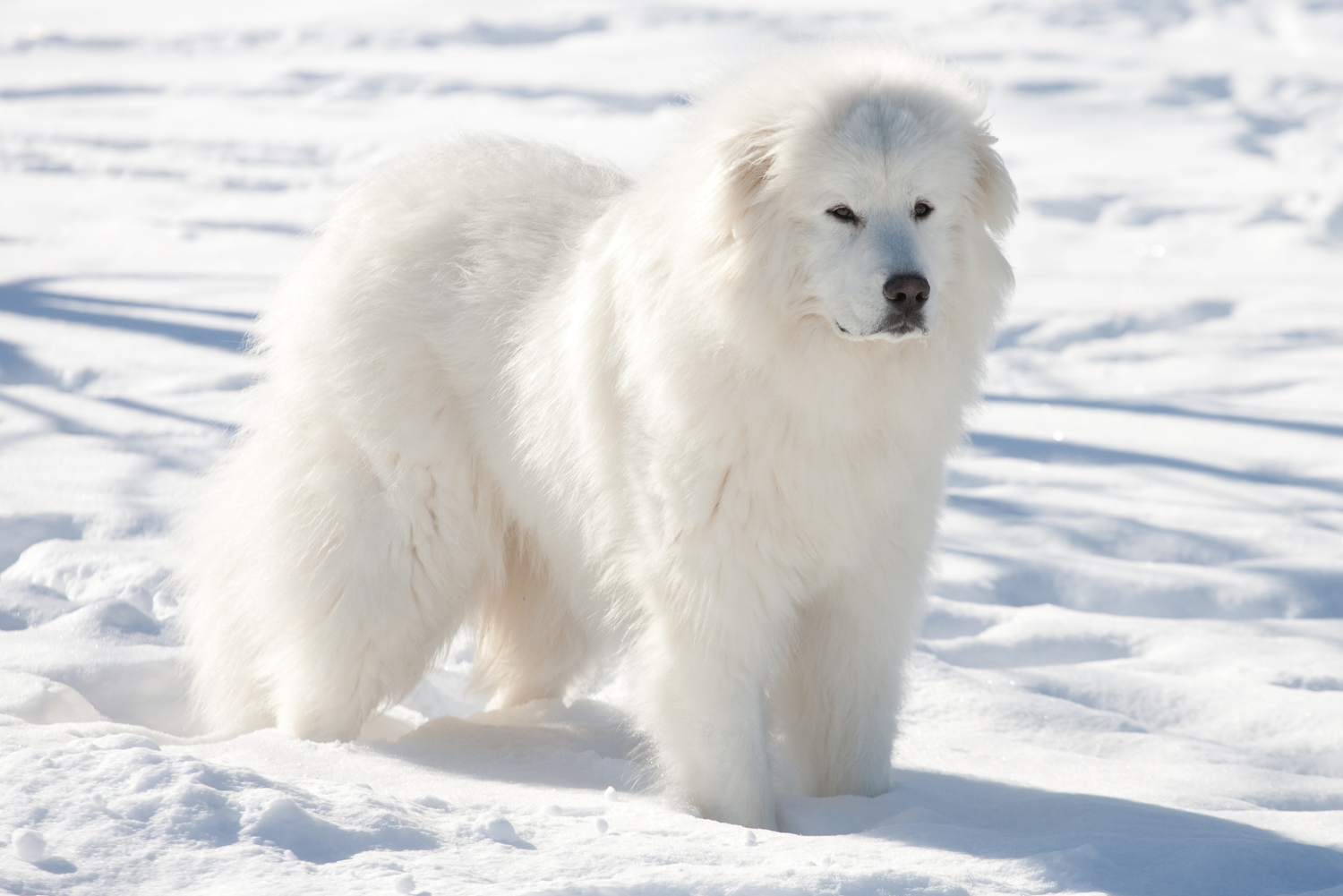
At dusk or during deep night hours, sound carries farther, shapes shift, and the world feels more unpredictable to a guardian breed. The Pyrenees’ patrol instinct kicks in especially when visibility drops and unusual noises stand out. Night becomes prime guarding time, not downtime.
If you’re trying to sleep while your Pyr is barking at shadows or moonlit branches, know that their senses are working over-time. Helping them adjust may include limiting exposure to the window or yard at night, using white noise, or designating a safe indoor area where outside noise isn’t endlessly amplified.
6. Unsociable triggers or unfamiliar sounds spark the alert response.
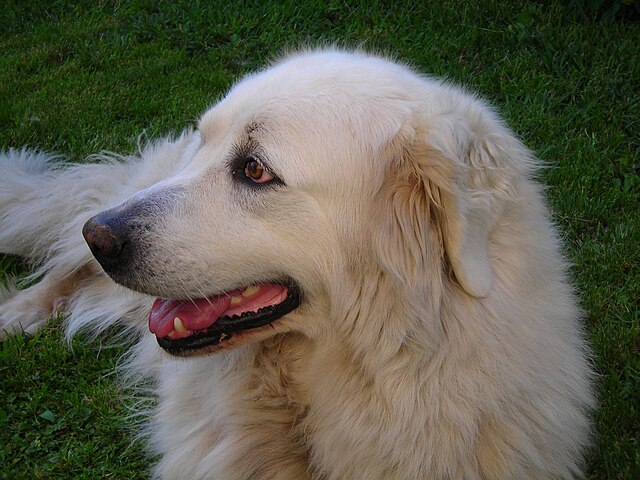
Delivery people, passing wildlife, unusual visitors or unfamiliar sounds inside walls can set off that guard bark. Because the breed is naturally suspicious of strangers, they won’t always wait for you to assess the situation—they’ll start vocalising immediately. In a home environment the result can be noise fatigue.
Understanding this means you become part of the guard system. Instead of seeing the barking as a nuisance, you work with it: teaching your dog what situations demand bark and which don’t. With time the message becomes clearer, and the night’s riddles fewer.
7. Poor sleep or disrupted environment fuels early morning barking.
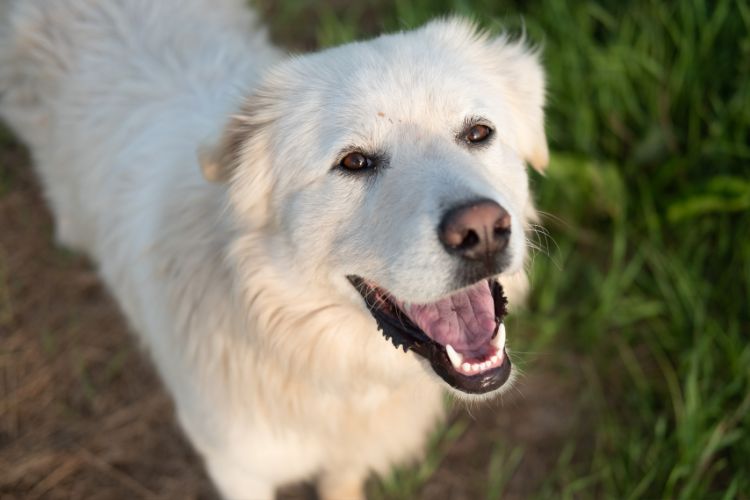
If your Pyr’s sleeping area is uncomfortable, near outdoor noise, or lacks proper shelter, they may wake up and start their shift early. Being a guardian breed, lack of restful sleep doesn’t mean they rest later—it means they work sooner. For owners this means sunrise can come with Karaoke bark.
Checking your dog’s sleep setup—quiet zone, good bed, minimal external stimuli—can make a significant difference. When the body is rested, the guard can afford downtime. If it’s not, the bark becomes their alarm clock.
8. Lack of training or inconsistent leadership strengthens barking habits.
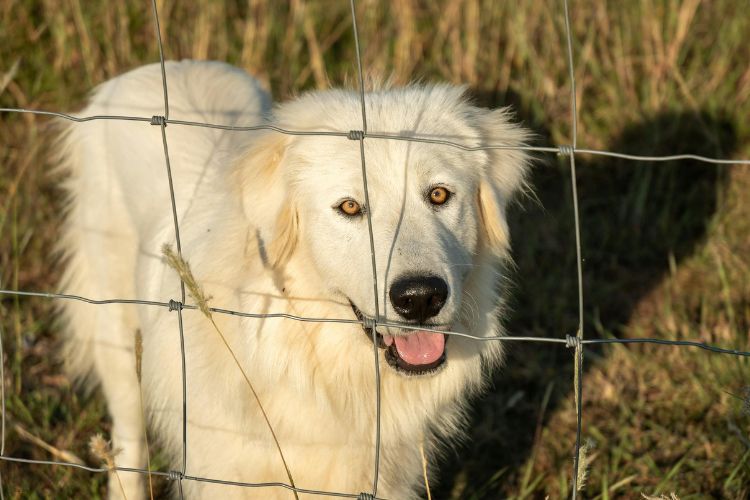
A Great Pyrenees needs clear boundaries and consistent responses to their guard behaviour. If training is sporadic, the barking reflex becomes default. They won’t always wait for instructions—they’ll act first and ask questions later. Establishing cues like “quiet” or “enough” works only when you’ve reinforced them consistently.
Working with this means daily routines, calm leadership and patience. The breed isn’t disobedient—often they’re just autonomous. If you let that autonomy govern the night watch without guidance, you’ll end up with an all-night patrol team rather than a companion who rests.
9. Inadequate indoor refuge from environmental noise incites barking.
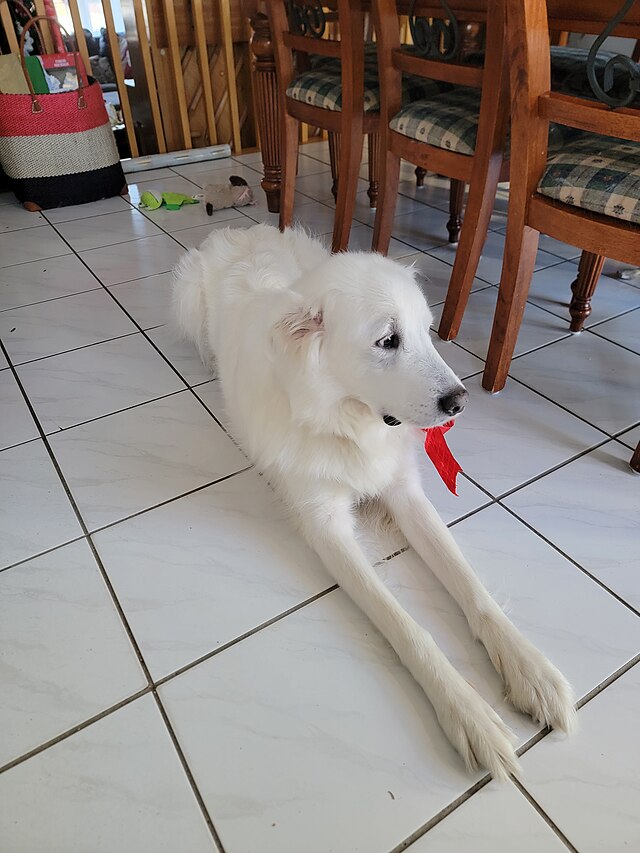
If your dog’s indoor sleeping spot is near windows facing noisy streets, wind-gates, or wild animal routes, their guard system stays alert. Because they were bred to sense threats, even minor disturbances can trigger a vocal response. The night becomes a threat list.
Giving your Pyr a defined safe space—away from windows, with solid walls and minimal external cues—reduces those triggers. In that space they can sleep deeply, lowering the likelihood of barking when the world outside whispers its mysteries.
10. Their territorial awareness means minor movement triggers aerial alarms.

Great Pyrenees have a heightened sense of territorial boundaries—even if “territory” is your home and yard. Movement at night—a raccoon in the yard, a delivery truck, a neighbor closing a gate—can launch a barking cascade. What seems minor to you is serious business to them.
One way to manage this is regular exposure: let the yard host small safe events, teach your dog that movement doesn’t always mean threat. Gradually the bark reflex softens. You still honour their guardian role—you just teach them when to stand down.
11. Missing outlets for their natural work drives the night shift.

At heart, a Great Pyrenees is a purpose-driven dog built to protect. If modern life denies that work, no wandering flock, no moonlit patrol—they may default to acting anyway. The night then becomes the domain where that instinct plays out. Giving them an outlet—a job, structured protection task, or designated night-watch routine—changes the script.
Offering this kind of structure, check-in routines, yard inspections together, safe night gear—turns barking into duty rather than inconvenience. When boredom and guarding collide at midnight, what looks like chaos may just be a Pyr trying to make sense of a role without parameters.