
Layered signals beneath Mars are raising new questions.
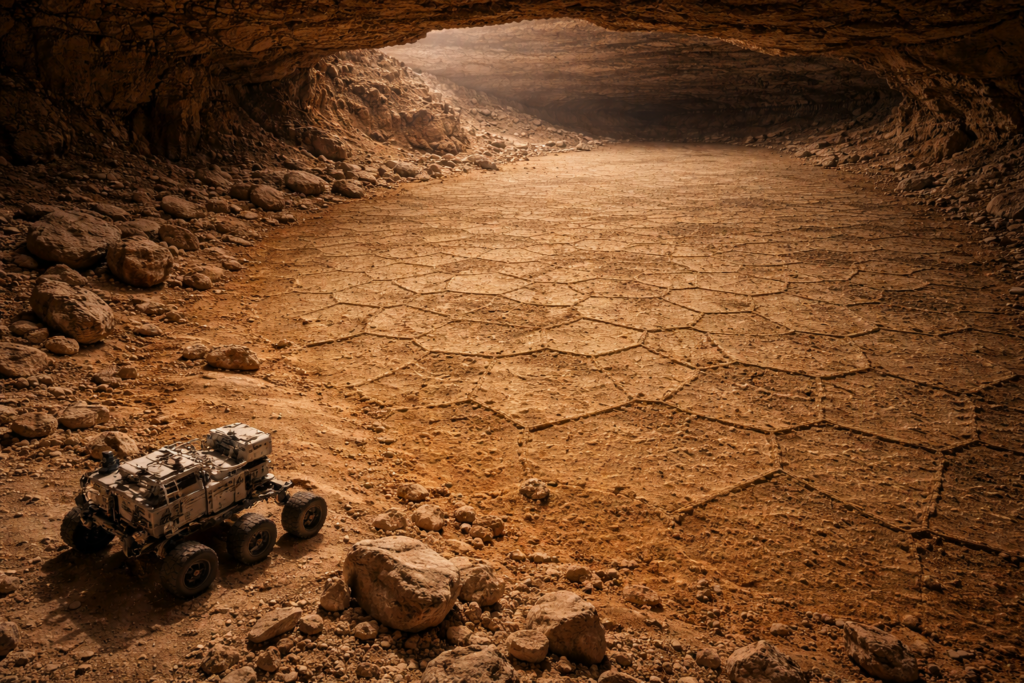
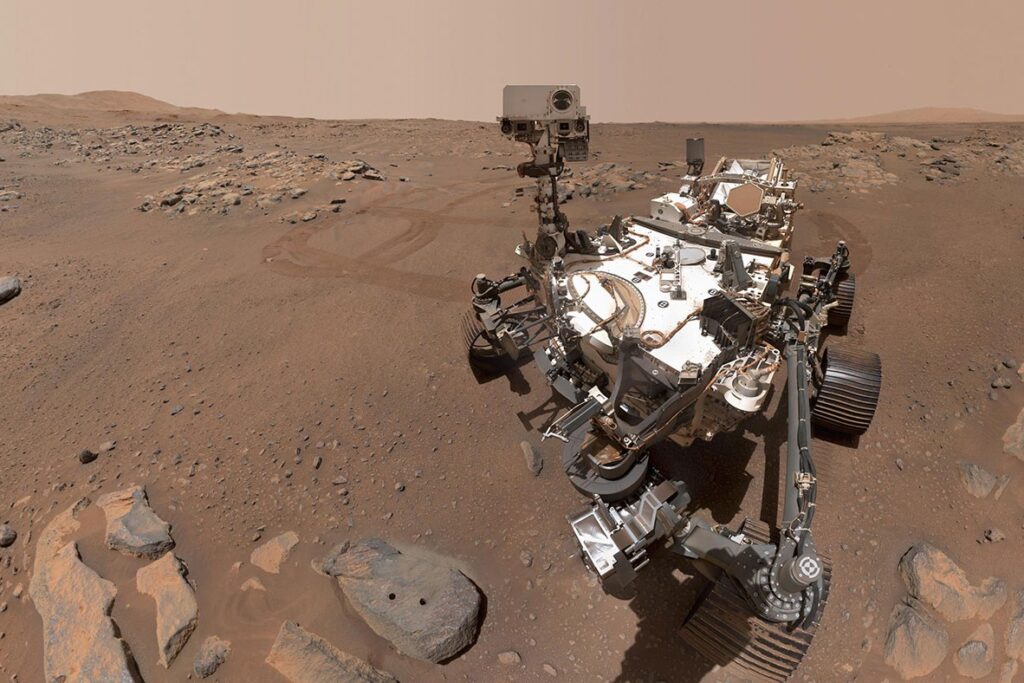
Beneath the dusty surface of Jezero Crater, instruments aboard Perseverance have been probing deeper than any rover before it. What they are detecting is not random, and it is not easily explained by surface conditions alone. Subsurface reflections are forming shapes that resemble something structured, something repeated. The depth matters, and so does the location at an ancient river delta. Scientists are now trying to determine whether this pattern reflects a familiar process, or something Mars has been hiding for far longer.
1. Radar signals revealed repeating subsurface layering patterns.

Perseverance used ground penetrating radar to scan beneath the delta surface, sending signals down and measuring how they bounced back. Instead of chaotic reflections, the data showed repeating bands at consistent intervals. That level of organization is not what scientists typically expect from long eroded terrain.
These patterns extend across multiple passes and align with sedimentary structures, suggesting deposition over time rather than random accumulation, according to NASA Jet Propulsion Laboratory. The consistency hints that something sustained and stable once shaped this region, raising questions about the conditions that allowed such uniform layering to form.
2. The formations sit deep below ancient river deposits.
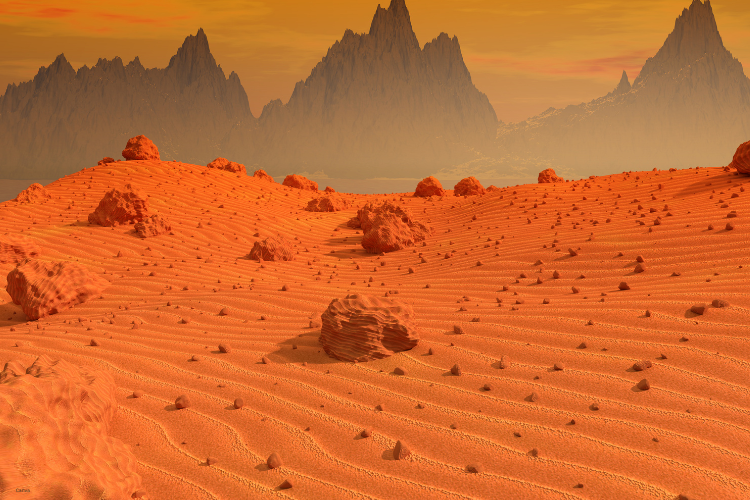
The detected layers lie well beneath the visible surface of the delta, reaching depths close to 115 feet. That positioning places them within older geological material, likely formed during a period when water actively flowed through the region. Their depth suggests preservation rather than recent disturbance.
Because these formations sit below known river deposits, they may represent earlier phases of the delta’s evolution, as reported by Science Magazine. This raises the possibility that the environment changed over time in ways that left distinct signatures buried beneath newer layers, creating a stacked record of shifting conditions.
3. Sediment structure appears more organized than expected.
The layering shows a level of order that implies consistent flow conditions rather than sporadic flooding. On Earth, such uniform deposits are often linked to sustained water movement in stable environments like river deltas or lake beds.
Mars, however, is not expected to have maintained those conditions for extended periods, making this discovery harder to explain, as discovered by researchers contributing to Nature Geoscience. The structure suggests that whatever shaped these layers operated with a degree of persistence that challenges assumptions about how long water remained active in this region.
4. Grain size variation hints at changing flow conditions.
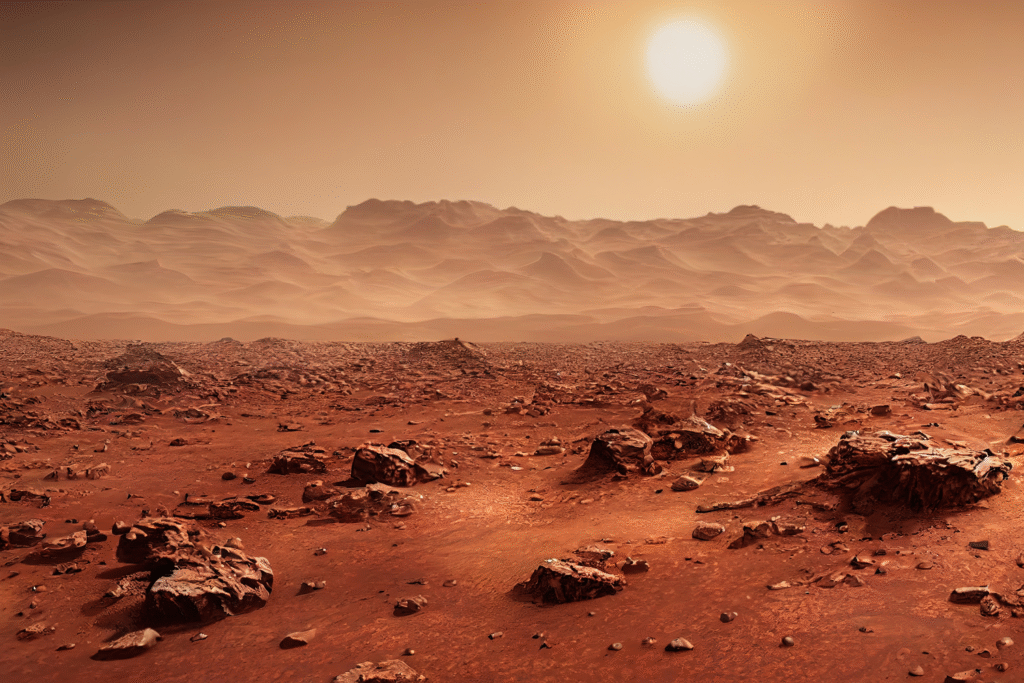
Within the layered structure, variations in density suggest shifts in sediment size over time. This kind of pattern often reflects changes in water speed, where faster flow carries larger particles and slower flow allows finer material to settle.
The alternating bands could represent cycles of stronger and weaker currents. If confirmed, this would point to a dynamic system rather than a single event. The question remains how long such cycles persisted and what drove those changes on a planet now defined by dryness.
5. The delta location makes the pattern harder to ignore.
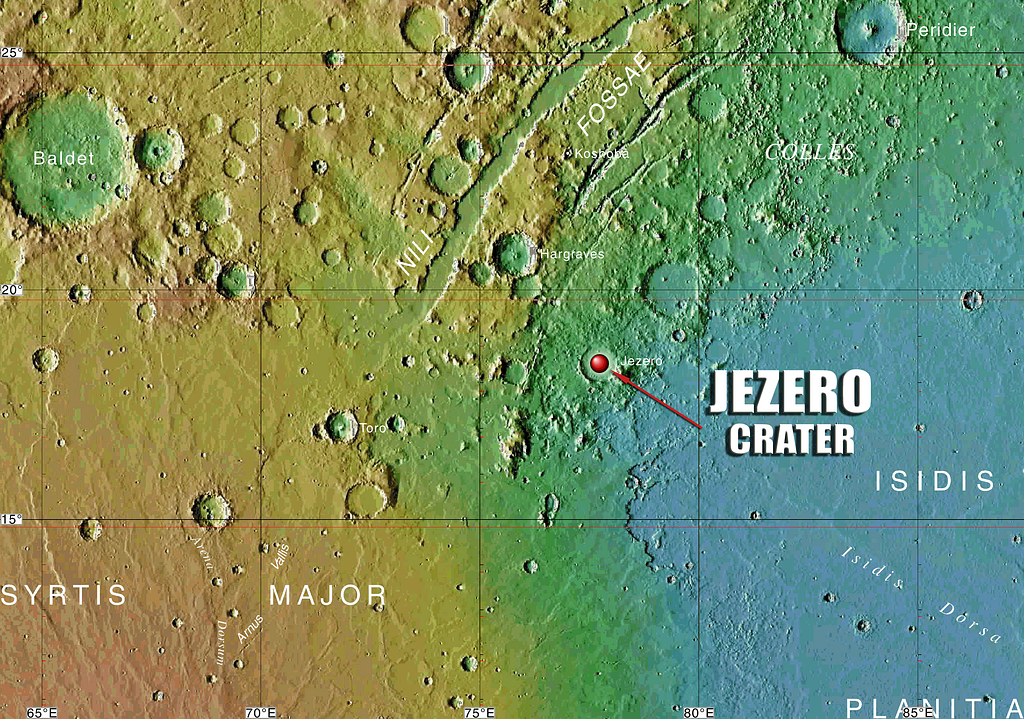
Jezero Crater was selected because it once hosted a river delta, a place where water would have slowed and dropped sediment. Finding structured layers in this exact environment strengthens the case that these patterns are tied to past water activity.
However, the depth and preservation suggest conditions that were more stable than previously assumed. This location is not just consistent with water, it amplifies the significance of what has been found, making it harder to dismiss as a simple geological coincidence.
6. Buried layers may record multiple climate phases.
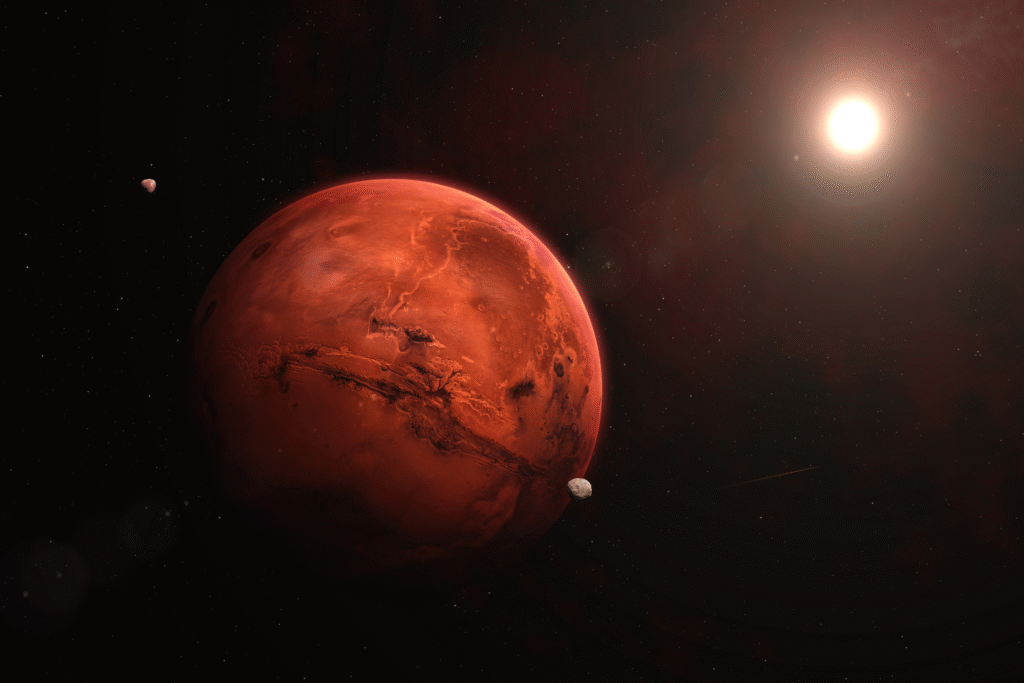
The stacked formations could represent different environmental periods, each leaving its own signature in the sediment. Changes in climate, water availability, or seasonal cycles might be recorded as distinct layers over time.
If so, the subsurface becomes a timeline rather than a single snapshot. Each band could correspond to shifts in conditions, offering a way to reconstruct how Mars transitioned from a wetter world to its current state. That possibility adds weight to the discovery without fully resolving its implications.
7. Mineral composition could reveal past water chemistry.
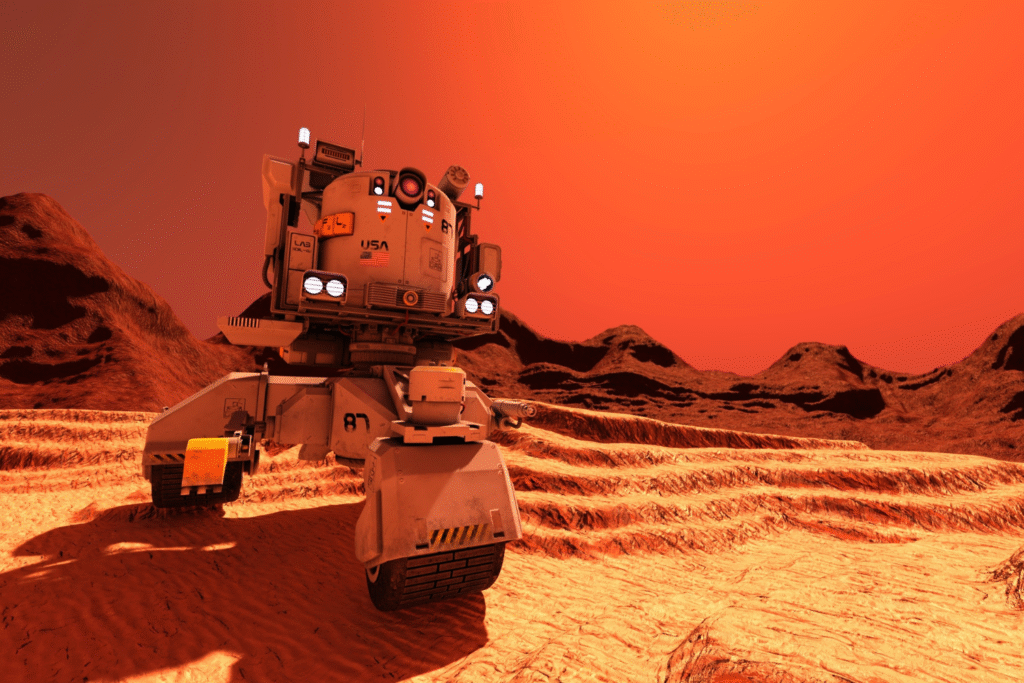
The radar data alone cannot determine composition, but it provides targets for further study. If the layers contain minerals formed in water, their chemistry could reveal details about the environment in which they formed.
Certain minerals only develop under specific conditions, such as particular temperatures or pH levels. Identifying them would help clarify whether the water was stable, seasonal, or short lived. That information could reshape how scientists understand the habitability of ancient Mars.
8. Subsurface preservation suggests minimal later disruption occurred.
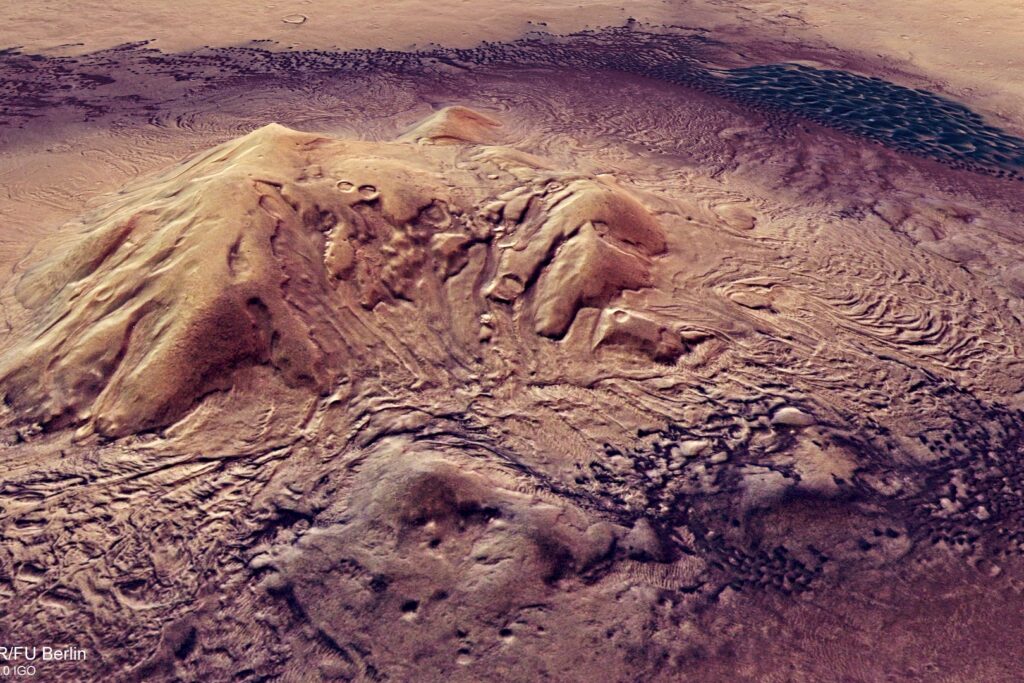
The clarity of the layering implies that these structures were not heavily disturbed after formation. On a planet exposed to impacts and erosion, that level of preservation is notable.
It suggests that once these layers were buried, they remained relatively intact. This raises questions about what protected them and how surface processes evolved afterward. The absence of disruption may be just as important as the patterns themselves.
9. Similar patterns on Earth often indicate long stability.
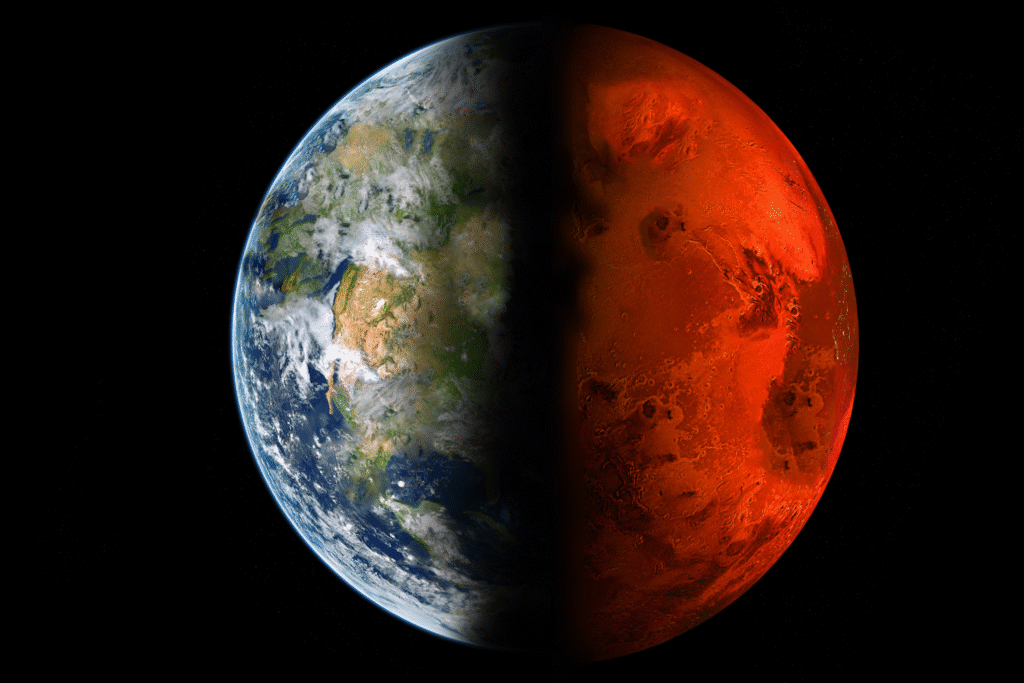
On Earth, repeating sediment layers are typically linked to environments that remain stable over extended periods. Rivers that flow steadily or lakes that persist for thousands of years create ordered deposits.
If Mars shows similar patterns, it may point to a longer lasting presence of water than previously thought. That comparison is not definitive, but it provides a framework for interpreting what these subsurface signals might represent.
10. The pattern raises questions about Mars habitability timeline.

If these layers formed under stable conditions, they may correspond to a period when Mars supported environments more favorable to life. The persistence implied by the structure suggests more than brief, isolated events.
That possibility does not confirm anything directly, but it shifts the timeline under consideration. Instead of short windows of habitability, scientists may need to consider longer intervals where conditions remained suitable for sustained processes, leaving behind the patterns now being uncovered.