
A controversial idea refuses to disappear from public debate.

In the late 1990s, a Japanese researcher began publishing images that seemed to show water responding to human intention. The photographs spread quickly, appearing in books, lectures, and documentaries worldwide. Supporters described the work as revolutionary. Critics warned it blurred science and belief. Decades later, the claim still circulates online, resurfaces in wellness spaces, and unsettles scientists asked to respond. The question persists not because it is proven, but because it touches something deeply human about meaning, consciousness, and how much influence we truly have.
1. Emoto claimed intention changed frozen water crystals.

Masaru Emoto argued that water exposed to words, music, or emotions formed different ice crystals when frozen. He presented photographs showing symmetrical crystals after positive words and distorted shapes after negative language. The images felt emotionally persuasive and visually striking.
Supporters saw evidence of mind matter interaction. Scientists questioned methodology and controls. According to Scientific American, critics noted that the experiments lacked blinded procedures and reproducibility, raising concerns that selection bias rather than intention explained the crystal differences shown to the public.
2. The photographs spread faster than peer review.
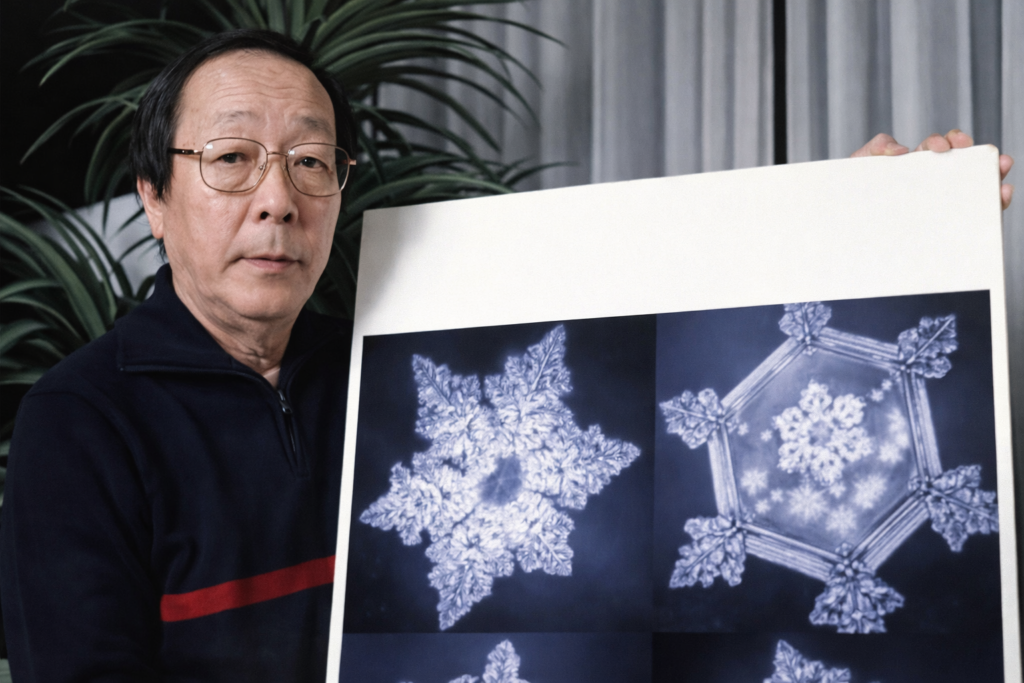
Emoto’s images appeared in bestselling books and public talks before formal scientific evaluation. The appeal was immediate because the visuals required little technical understanding. People felt they could see the effect directly.
This popularity complicated scrutiny. As reported by Nature, the work was never published in a peer reviewed physics or chemistry journal. Without independent replication, researchers argued the claims remained untested observations rather than scientific evidence grounded in accepted experimental standards.
3. The experiments lacked standard scientific controls.
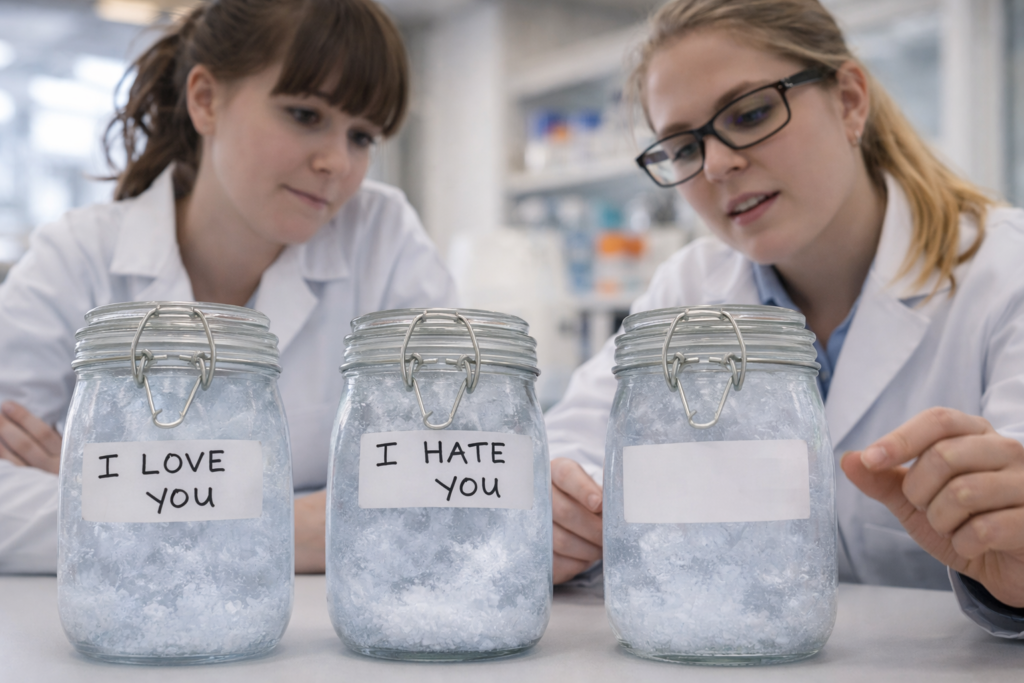
Independent scientists attempted to assess Emoto’s methods and found missing safeguards. Variables such as temperature, freezing rate, and sample handling were not consistently documented. Selection criteria for photographs were unclear.
As stated by the James Randi Educational Foundation, when blinded tests were proposed, Emoto declined participation. This refusal reinforced skepticism. Without controlled conditions or independent verification, critics argued the findings could not support extraordinary claims about consciousness altering water structure.
4. Water structure is already well understood physically.
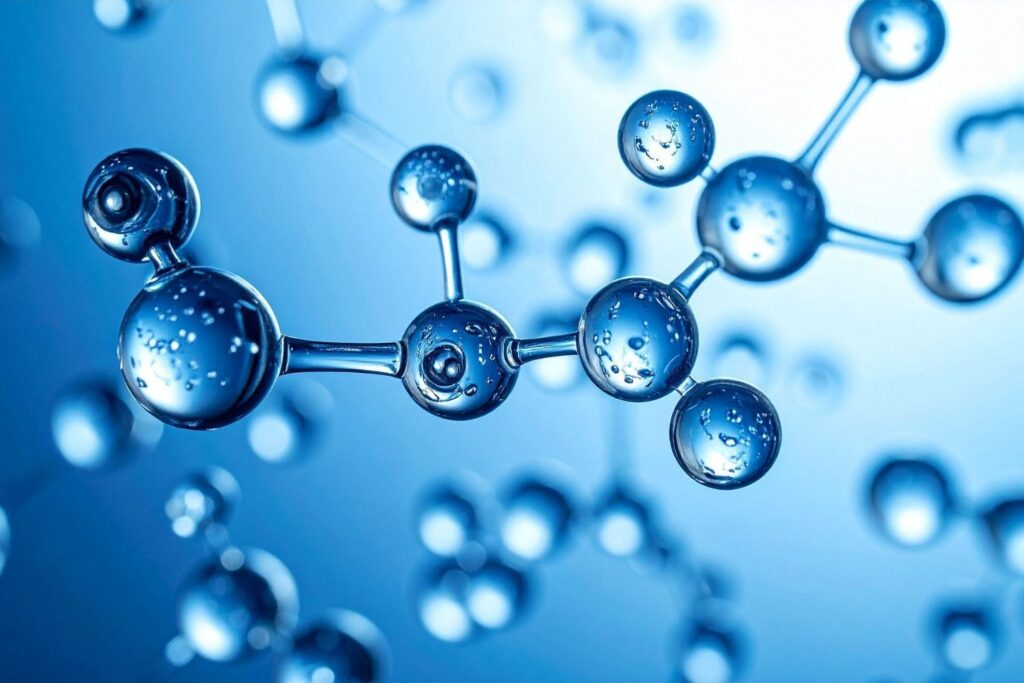
At a molecular level, water molecules form transient hydrogen bonds that constantly break and reform. These structures change in trillionths of a second, making long lasting patterns unlikely under normal conditions.
Physical chemistry explains crystal formation through temperature gradients and impurities. Introducing human emotion as a variable conflicts with established models. While water responds to environmental factors, no known mechanism supports mental influence persisting through freezing in a predictable, repeatable way.
5. The idea resonated with spiritual and wellness movements.

Emoto’s claims aligned with beliefs about intention, vibration, and healing. Wellness communities adopted the imagery as symbolic truth rather than empirical proof. The message spread through workshops and alternative health spaces.
Symbolic resonance does not equal physical causation. Psychologists note humans seek meaning in patterns, especially when imagery reinforces emotional beliefs. This cultural uptake explains longevity, even as scientific consensus remains unconvinced by the underlying claim.
6. Scientists warn of misunderstanding correlation and causation.
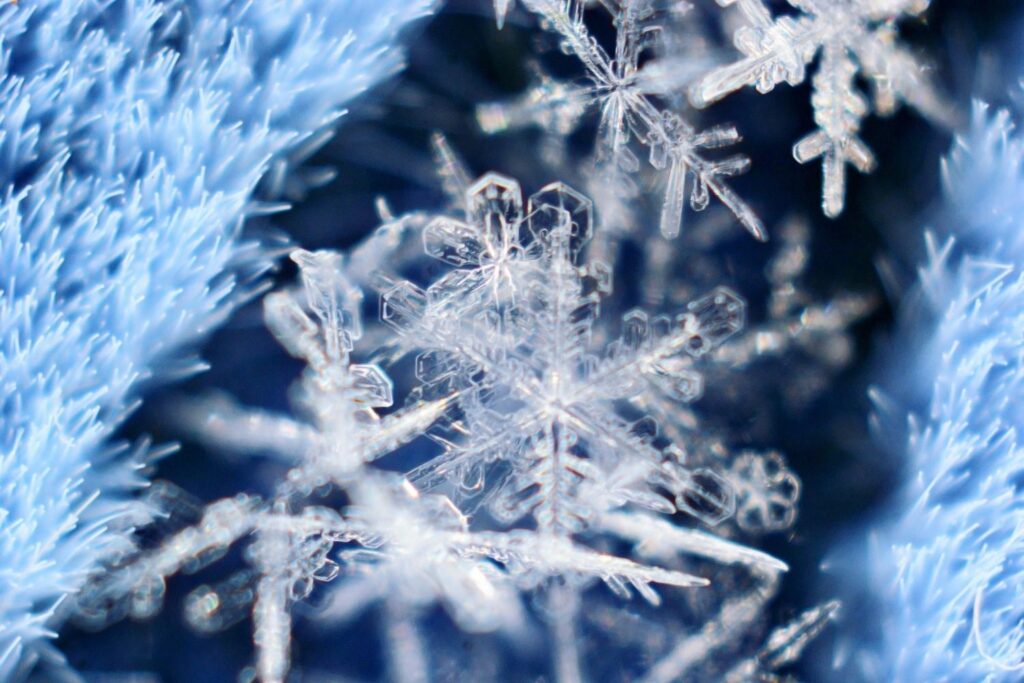
Seeing different crystal shapes does not explain why they differ. Without isolating variables, observers may mistake coincidence for influence. This confusion is common in visually compelling demonstrations.
Experimental science demands elimination of alternative explanations. In Emoto’s case, crystal variability is expected naturally. Without causal linkage, the images demonstrate aesthetic variation, not evidence that language or emotion directly alters molecular structure.
7. Attempts at replication failed to confirm results.
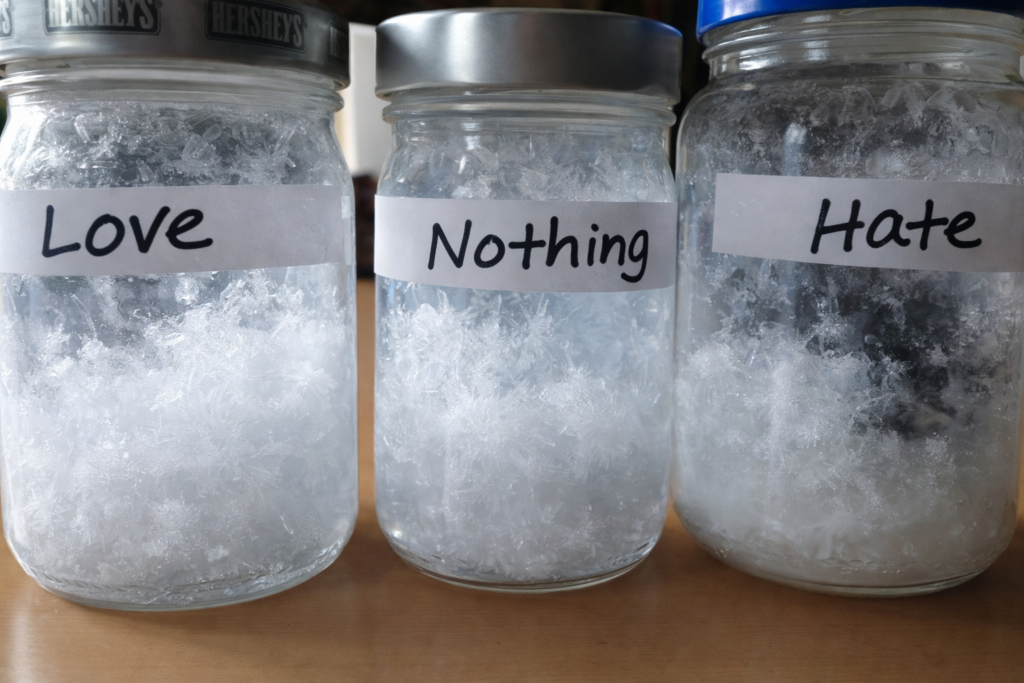
Several groups attempted similar experiments using controlled protocols. Results showed random crystal variation unrelated to spoken words or intention. No consistent pattern emerged.
Replication is central to scientific validation. When results cannot be reproduced independently, claims lose credibility. Emoto’s findings remained unique to his own demonstrations, further isolating them from accepted experimental science.
8. The work blurred metaphor and measurement.
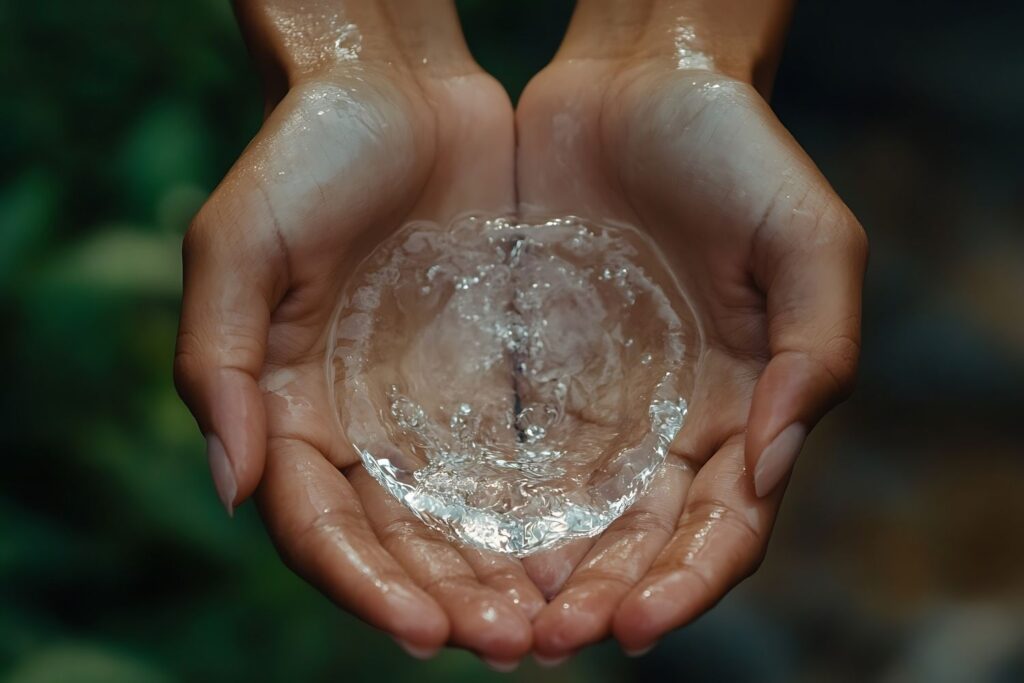
Emoto often spoke poetically about water reflecting human consciousness. This language resonated emotionally but confused scientific interpretation. Metaphor slipped into explanation.
Science relies on measurable mechanisms. When metaphor replaces measurement, interpretation becomes subjective. Critics argue Emoto’s framing encouraged belief without requiring empirical validation, allowing symbolic meaning to masquerade as physical effect.
9. Educators use the case as a cautionary example.

Science communicators frequently reference Emoto’s work when teaching critical thinking. The images illustrate how persuasive visuals can override methodological rigor.
Students learn to question how data is gathered, not just how it looks. The case highlights why peer review, controls, and replication protect against compelling but unsupported conclusions in public science discourse.
10. Many classify the claims as pseudoscience today.
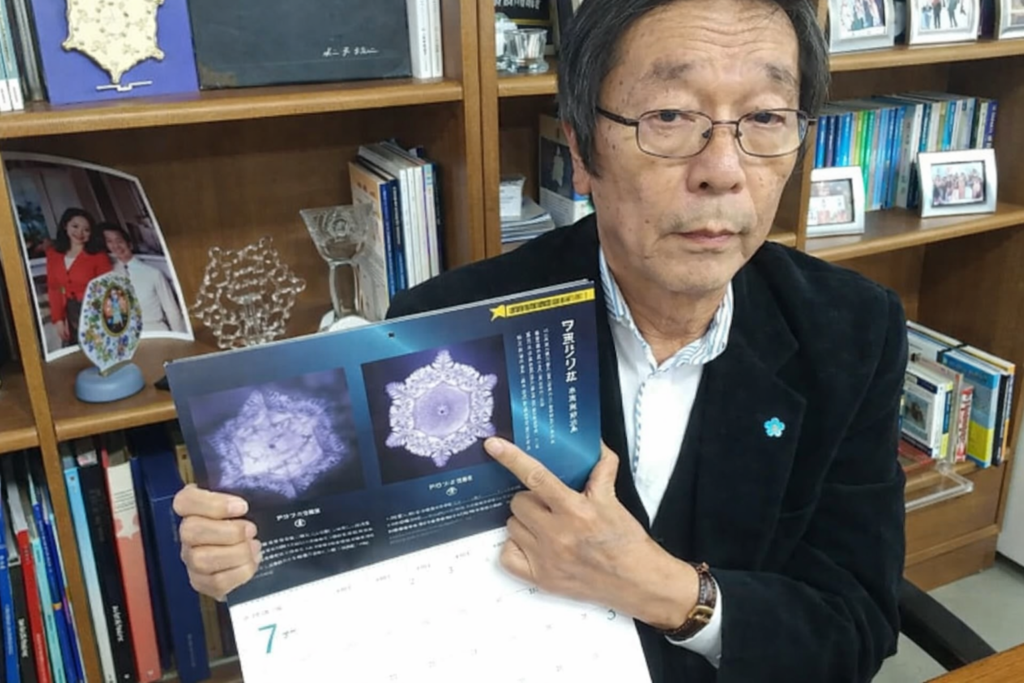
Pseudoscience is defined by lack of falsifiability, resistance to testing, and reliance on anecdote. Emoto’s work exhibits these traits according to critics.
While emotionally powerful, the claims fail scientific criteria. Researchers emphasize that questioning them does not deny human emotion’s importance. It simply separates symbolic meaning from physical evidence, preserving the integrity of scientific inquiry.