
Ancient cities solved water safety far earlier.
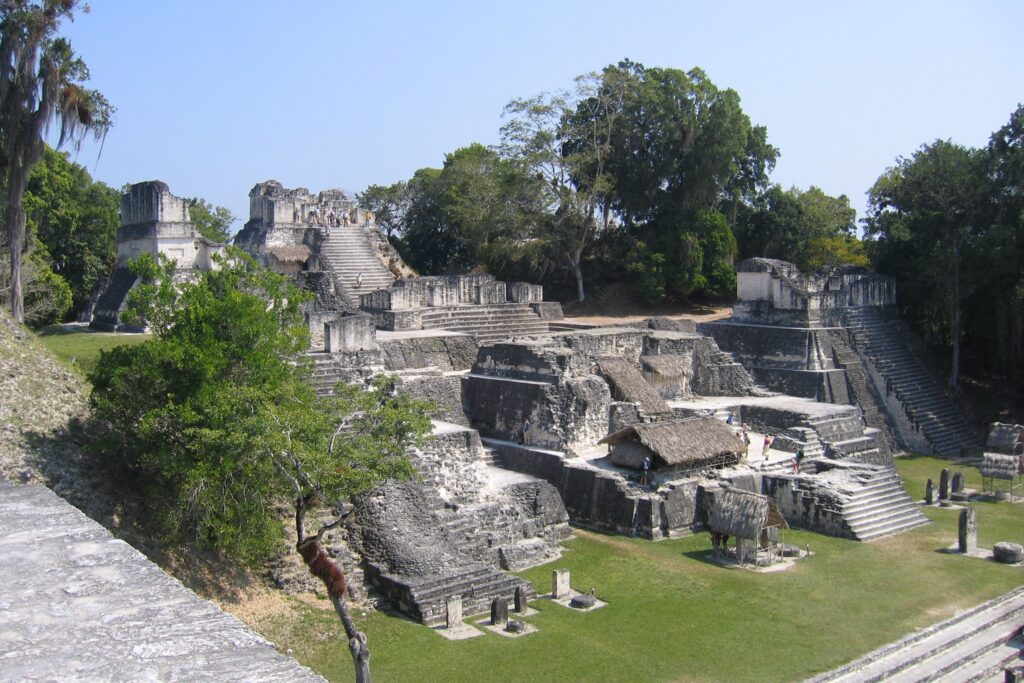
For decades, Maya cities were described as vulnerable to drought and disease, dependent on seasonal rains and exposed reservoirs. That picture has changed. Excavations in northern Guatemala revealed engineered filtration systems built more than a thousand years ago, quietly protecting drinking water long before similar solutions appeared in Europe. These systems were not accidental or primitive. They were planned, maintained, and tied to urban survival. What archaeologists uncovered reshaped assumptions about ancient engineering, public health, and how early civilizations understood the invisible dangers in water.
1. Reservoir systems were designed with deliberate filtration layers.
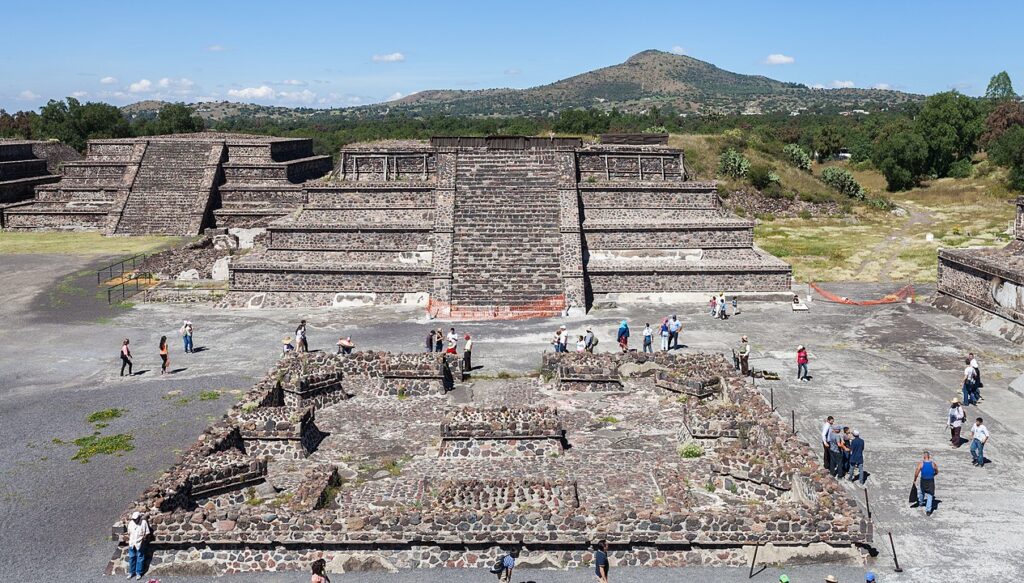
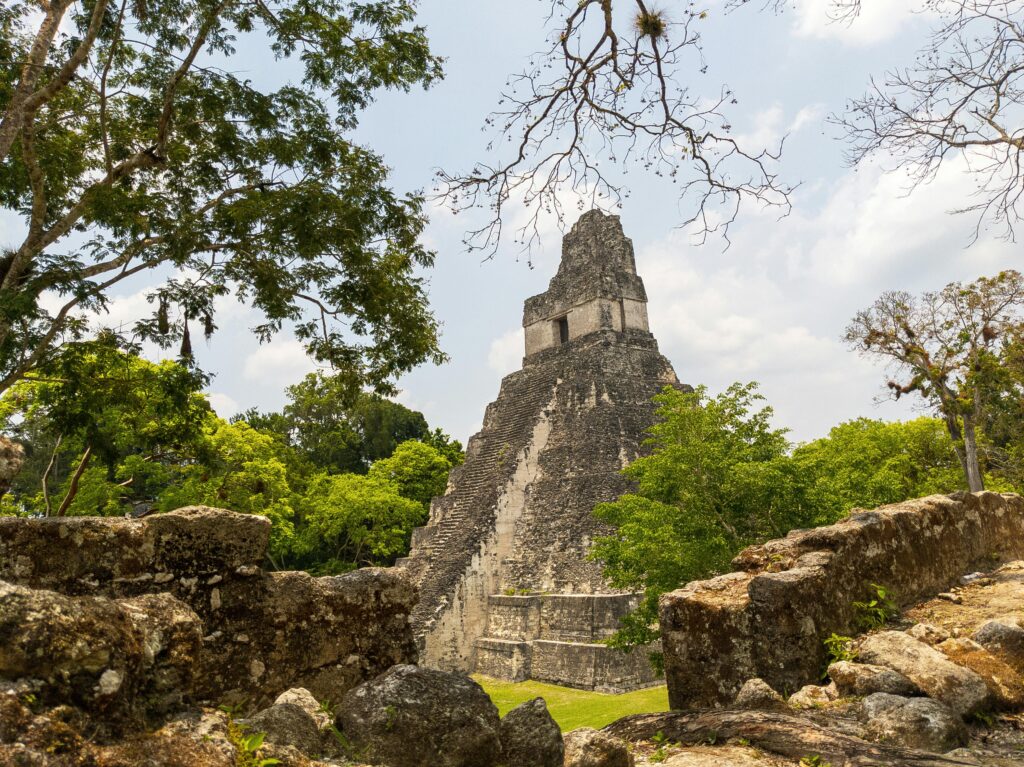
Excavations at the Maya city of Tikal revealed reservoirs lined with carefully arranged materials, including quartz sand and crushed volcanic stone. These layers were not decorative. They were placed where water entered storage basins, forcing sediment and contaminants to settle out before reaching the main supply, according to research published by the University of Cincinnati.
The design required planning and maintenance. Materials had to be sourced, transported, and replaced over time. This suggests water quality was a known concern, not an afterthought. The system reflects an understanding that clear water was not always safe water, a realization Europe would formalize much later.
2. Zeolite played a crucial role in purification.
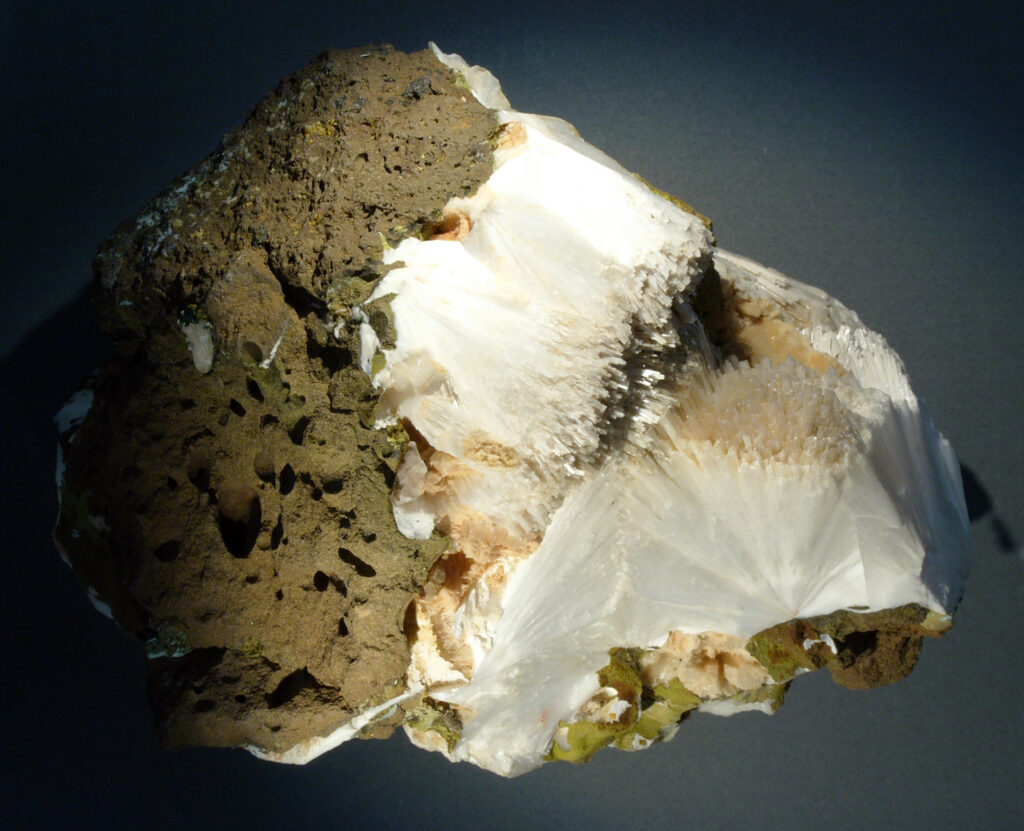
Chemical analysis showed the presence of zeolite, a volcanic mineral known to remove heavy metals and microbes. This mineral does not occur naturally near Tikal. It was transported from deposits over thirty kilometers away, as reported by National Geographic.
That effort signals intent. The Maya selected materials for specific properties, not convenience. Zeolite binds contaminants at the molecular level, making it highly effective. Its inclusion indicates empirical knowledge gained through observation. Long before microscopes or germ theory, Maya engineers recognized that certain stones made water safer to drink.
3. These systems predate European filtration by centuries.
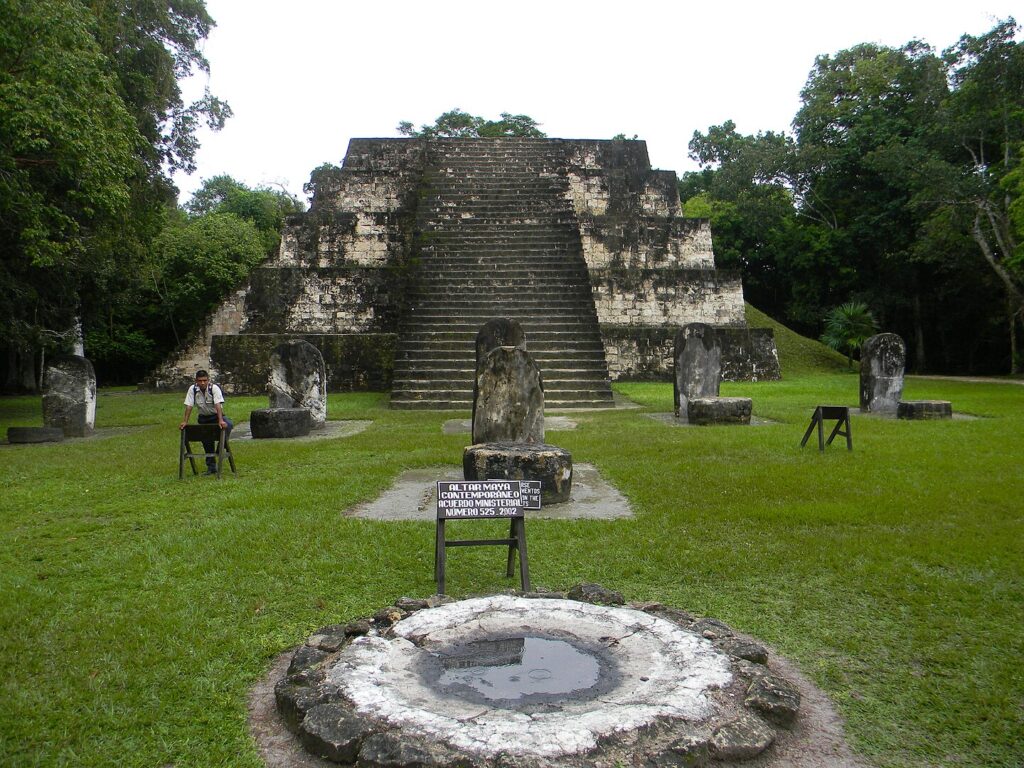
The Tikal filtration system dates to at least 200 BCE and remained in use for centuries. In Europe, comparable sand filtration systems did not appear until the nineteenth century, as stated by Smithsonian Magazine.
This timeline matters. It challenges narratives that frame advanced public health infrastructure as a modern invention. The Maya developed effective water treatment in response to dense urban living and limited freshwater sources. Their solutions arose from necessity, experimentation, and long term observation, not borrowed ideas, placing them far ahead of their time.
4. Filtration protected cities during drought conditions.
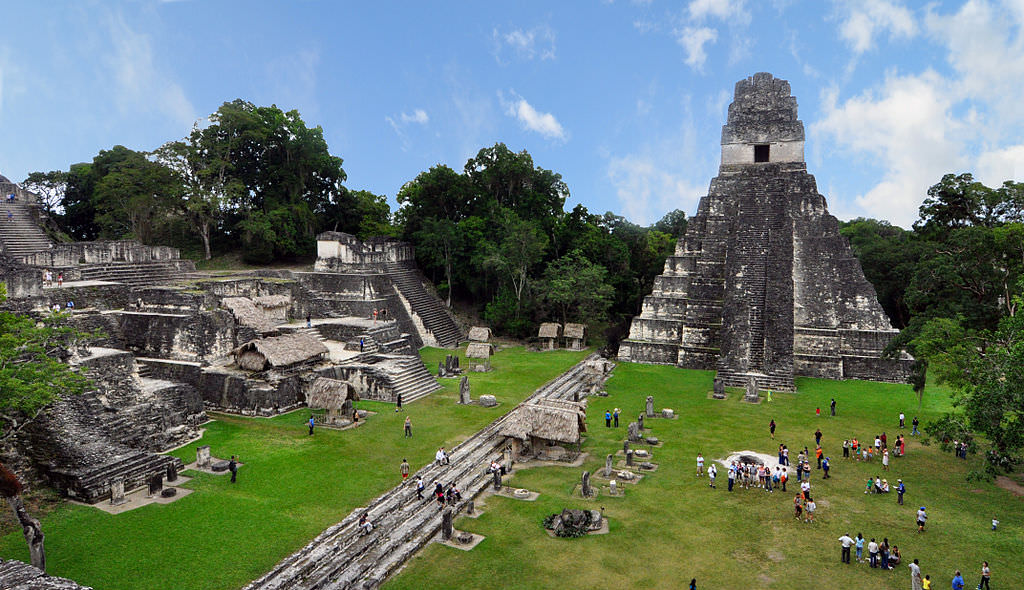
Northern Maya cities relied heavily on rain fed reservoirs rather than rivers. During dry seasons, stored water could stagnate, increasing disease risk. Filtration systems helped mitigate that danger by improving water quality even when volume dropped.
This capability likely supported population growth and urban stability. Clean water during drought would reduce illness and social stress. Rather than abandoning cities during dry cycles, residents could rely on infrastructure designed to carry them through environmental uncertainty, strengthening resilience across generations.
5. Urban planning integrated water safety from the start.

Reservoir placement and filtration zones were embedded within city layouts. Water management was not added later. It was foundational. Channels directed runoff through filtration points before storage, showing coordinated planning across neighborhoods.
This integration suggests centralized oversight and shared priorities. Water safety was treated as civic responsibility. The Maya invested labor and resources into systems that benefited everyone, reflecting social organization capable of sustaining complex infrastructure without modern bureaucracies or industrial tools.
6. Knowledge passed through observation rather than theory.
The Maya did not write treatises on chemistry, yet their designs worked. Trial, error, and long term observation likely guided material choices. When water from certain reservoirs stayed clearer and safer, patterns would have emerged.
Over generations, those patterns became tradition and practice. This kind of applied science does not rely on formal theory. It relies on attention and memory. The filtration systems show how practical knowledge can rival later scientific frameworks when communities commit to learning from outcomes.
7. Collapse was not caused by ignorance of water.
The presence of filtration challenges older explanations for Maya collapse centered on environmental mismanagement. These cities were not careless with resources. They adapted intelligently to constraints.
While droughts and political fragmentation still played roles, water contamination alone no longer explains decline. The Maya understood their environment deeply. Their fall appears more complex, shaped by social and climatic pressures rather than a failure to solve basic survival problems.
8. Modern engineers now study ancient solutions.

Researchers examining sustainable water systems increasingly look to Maya designs for inspiration. Gravity fed filtration, local materials, and low energy maintenance align with modern resilience goals.
These ancient systems functioned without electricity or chemicals. Their longevity proves effectiveness. Studying them offers alternatives for communities facing water insecurity today, especially where modern infrastructure is fragile or expensive to maintain.
9. The discovery reshaped how Maya innovation is viewed.
For years, Maya achievements were praised mainly in astronomy and architecture. Water engineering received less attention. That imbalance has shifted.
Filtration systems reveal a civilization attentive to public health and long term planning. The Maya were not simply reacting to nature. They were actively shaping safer urban environments. This discovery adds depth to their legacy and reminds us that some of humanity’s most practical innovations emerged long before they were written into textbooks.