
A predator caught in a long national conflict.

The tension around the Mexican gray wolf has been simmering for decades, building through ranching towns in Arizona and New Mexico, and reinforced by stories that have taken on lives of their own. Once you start listening to people who live near them, you hear echoes of old fears and modern frustrations overlapping in strange ways. The wolf ends up carrying the weight of every anxiety about wild spaces returning.
1. Many ranchers believe wolves threaten their livelihood.

In rural New Mexico, ranchers describe the same worry that has echoed since the early 1900s when these wolves were nearly eliminated. They fear losing calves during the spring calving season, and any sighting near grazing land sparks tension. These concerns appear repeatedly in conflict reports, as stated by the U.S. Fish and Wildlife Service.
Even when losses are rare, the fear shapes how communities respond. People talk more about possibility than reality, and the wolf becomes a symbol of risk.
2. Their comeback feels forced to some communities.
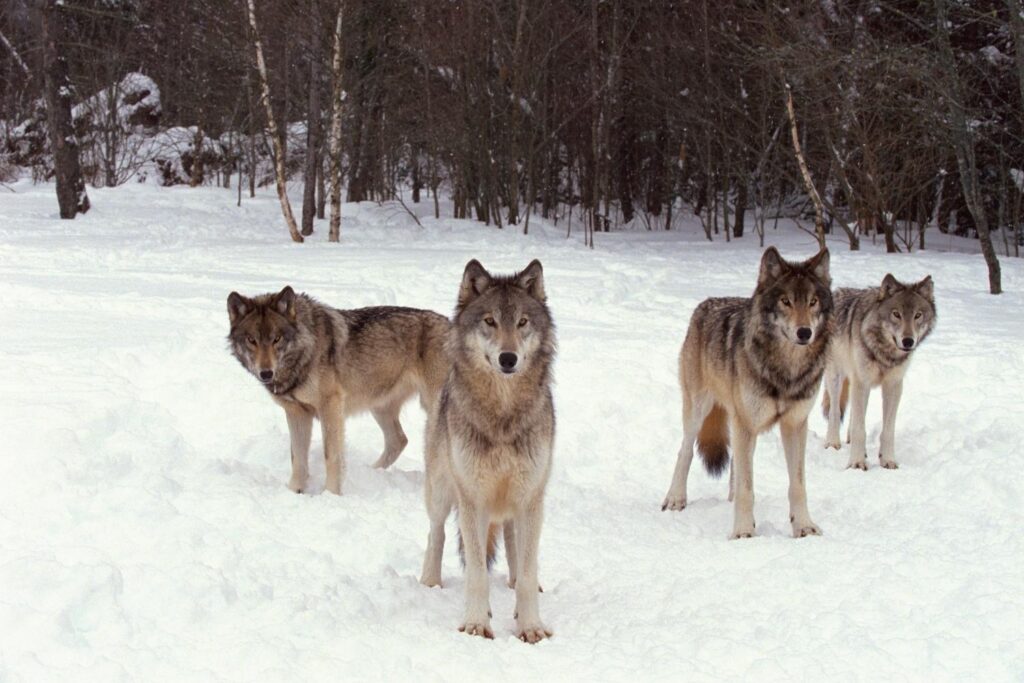
When federal reintroduction began in 1998 in eastern Arizona, many families felt the decision arrived without their input. Even now, some locals describe feeling pressured into coexistence with an animal they spent generations avoiding. This friction has been documented in long term community surveys, as reported by the Wildlife Management Institute.
Residents argue they were handed a responsibility they never asked for. That resentment lingers through new policies and fuels distrust toward any expansion of wolf territories.
3. They are blamed for declines in local game animals.
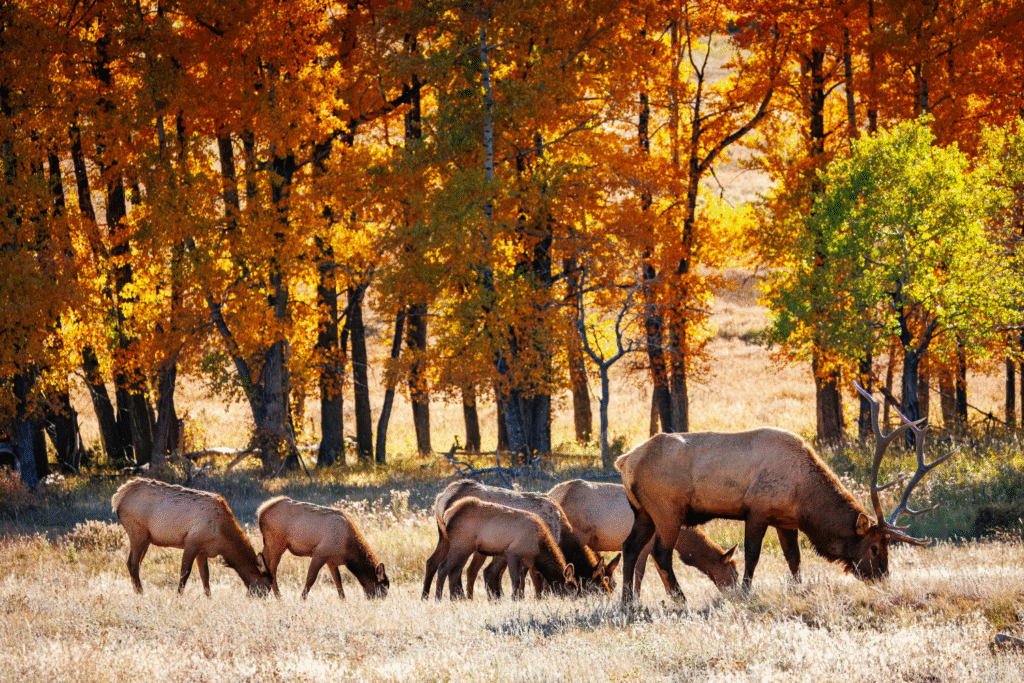
Hunters throughout the Apache Sitgreaves region often connect elk shortages to wolves, even when drought and habitat change play larger roles. Sightings of wolves near hunting units spark heated conversations at check stations each fall. This belief persists despite broader ecological data, according to the Arizona Game and Fish Department.
People want a clear target when game numbers shift. Wolves, being visible and familiar, become the easiest explanation during difficult hunting seasons.
4. Their eerie howls unsettle people unfamiliar with them.
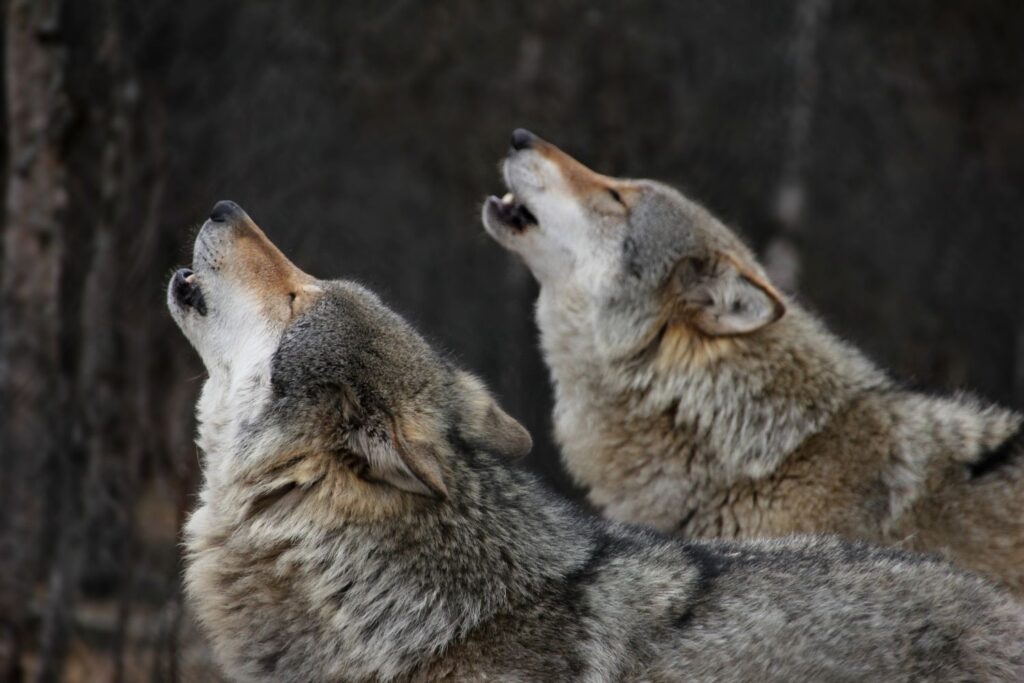
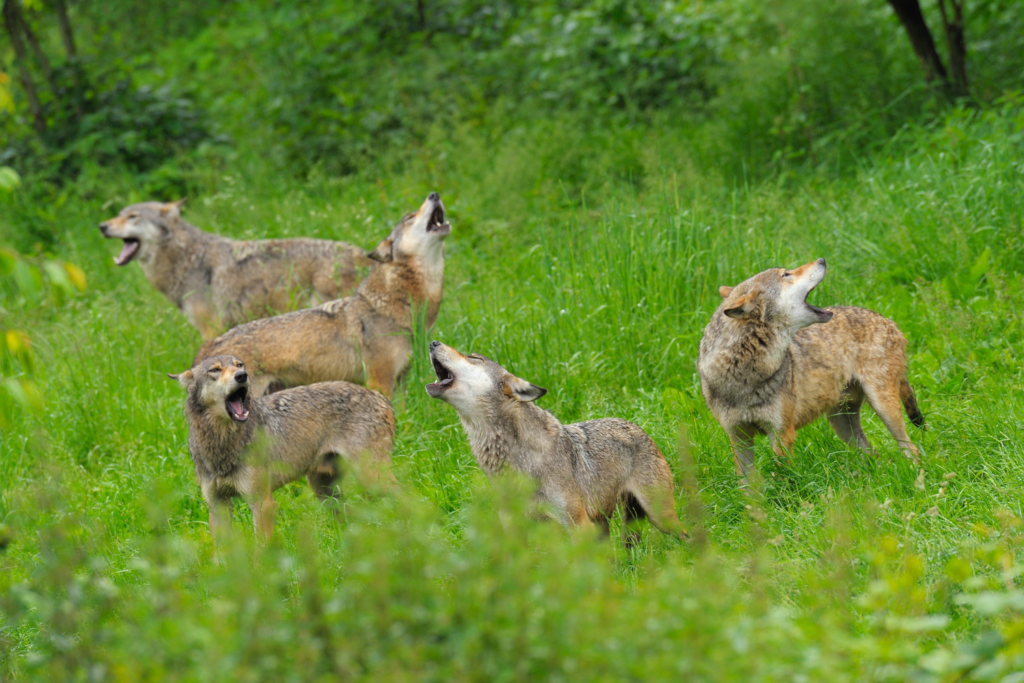
Visitors in remote areas like the Gila Wilderness often describe a strange unease when wolves vocalize at night. The long calls echo across canyons in a way that makes people feel watched. That reaction is strong among campers who have never heard large predators communicate so clearly.
The sound triggers the old stories many Americans grew up hearing. Even without danger nearby, the call alone creates tension that people carry home and retell with added intensity.
5. Old myths still shape public opinion today.
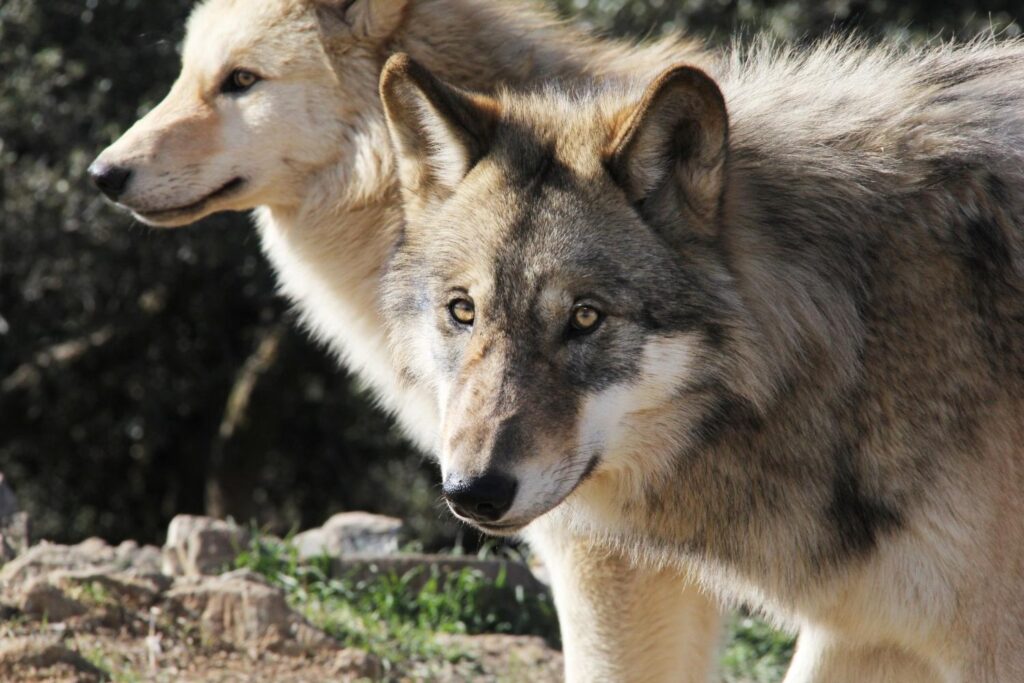
Generations of storytelling left the wolf tangled in folklore that painted it as a threat. Families in rural areas pass down those stories through cautionary warnings to kids, shaping how people think before they ever see a wolf. The legacy of those myths still colors conversations in small towns.
Even with modern science available, emotional memory lingers. Many people process wolves through narratives formed long before conservation efforts began, making new information harder to accept.
6. Their protected status feels restrictive to landowners.
Landowners across Apache County talk about the rules they must follow when wolves move across their property. Some say they feel powerless when they cannot haze or remove wolves that approach their livestock. They describe frustration at being held accountable for outcomes they cannot control.
These rules often become a flashpoint in local debates. People see wolves as tied to complicated government oversight rather than simply a native species reclaiming territory.
7. They are hard to avoid in certain grazing corridors.
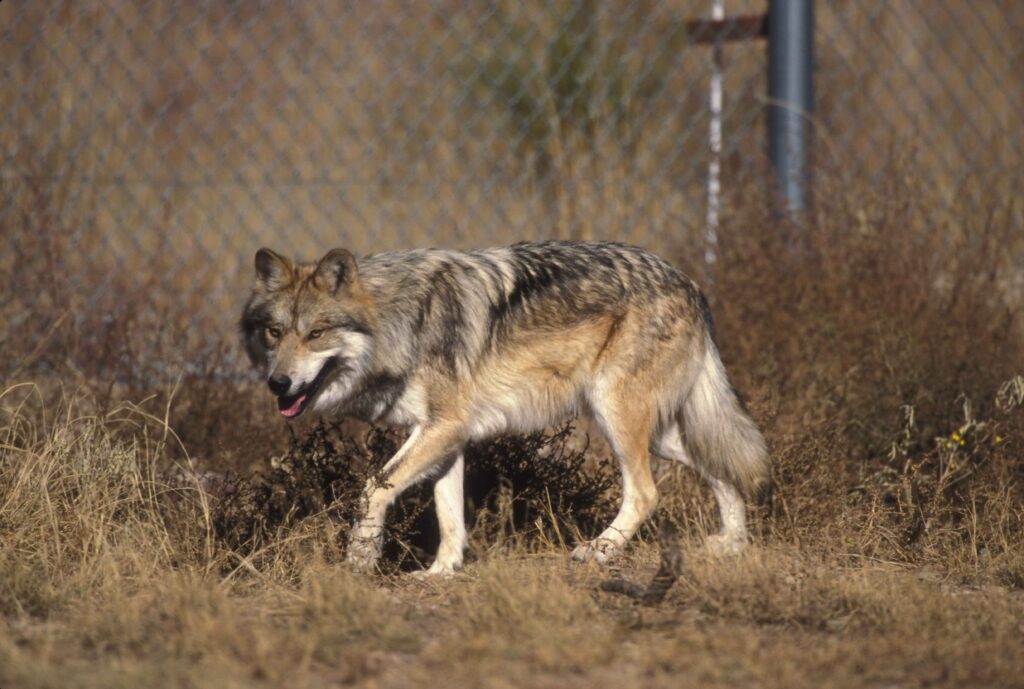
In areas south of Alpine, Arizona, wolves move naturally along valleys where ranchers place seasonal cattle herds. This overlap is nearly impossible to prevent. Families working the land describe days spent scanning tree lines because they are never fully sure what might appear.
The constant vigilance builds exhaustion over time. Even if wolves do not approach, the possibility adds stress that makes people view them as an ongoing burden.
8. Their presence changes how residents use outdoor spaces.

Some hikers around Reserve, New Mexico, say they adjust their routes after hearing wolves nearby. Parents often limit how far children wander during camping trips. These shifts in routine make wolves feel like an active element in daily life rather than a distant wildlife issue.
People describe the sensation of being watched even when they know the wolves avoid humans. That psychological weight shapes attitudes more intensely than actual encounters.
9. They stir political debates that divide communities.
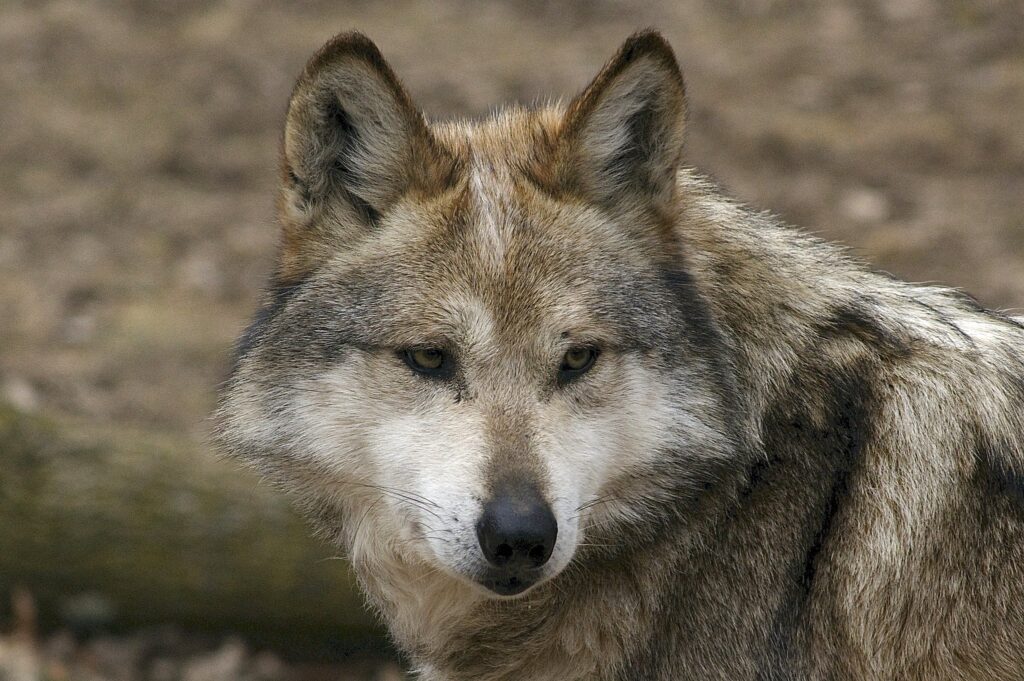
In towns like Springerville, discussions about wolves quickly turn into arguments about land rights, conservation funding, and federal involvement. Neighbors who agree on everything else often take opposite positions on wolves. The animal becomes a stand in for bigger cultural disagreements.
Once emotions flare, the wolf itself fades into the background. What remains is the tension between people who feel pressured by outside decisions and those who hope to protect the species.
10. They are still recovering, which keeps the spotlight on them.
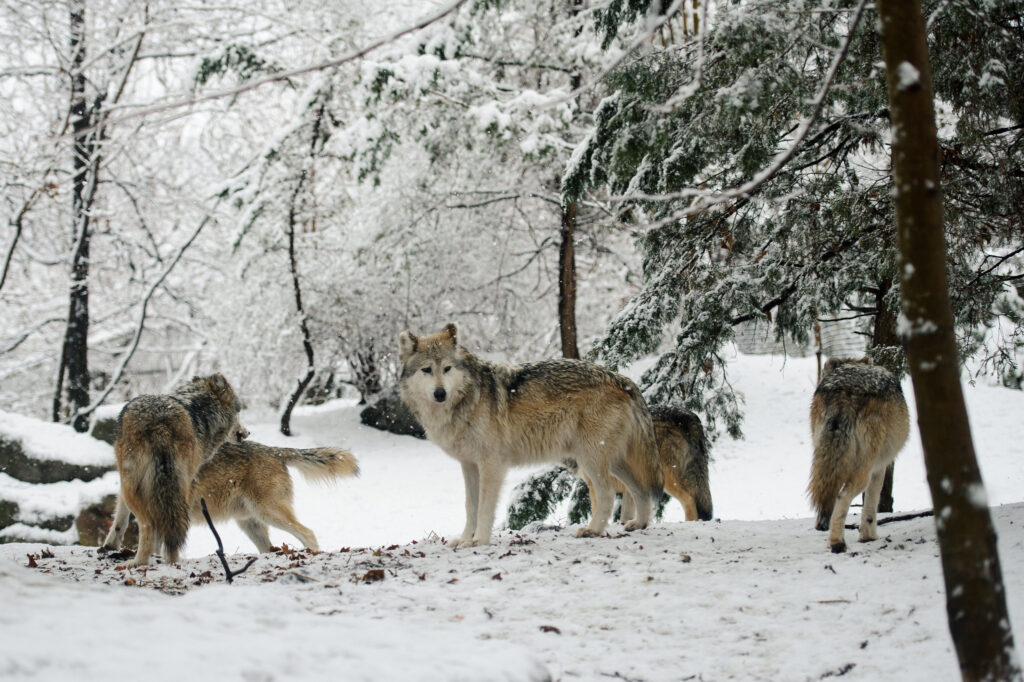
The population remains small enough that each disappearance or birth is tracked closely. When a wolf leaves the recovery area or a pack shifts territory, news spreads fast through local networks. People who might not think about other wildlife hear about wolves constantly.
That visibility keeps public attention high. Every movement becomes a story, and every story adds another layer to an already complicated relationship Americans have with this elusive predator.