
The status symbols are getting replaced quietly.

Millennials are not exactly swearing off nice things, they are just demanding that nice things earn their keep. After years of price hikes, rent shocks, and subscription creep, the new flex is a jacket that lasts, a car that sips fuel, and furniture that survives a move. You can feel the shift in airports, grocery aisles, and group chats where someone asks, is it worth it. Even gifts are getting practical. Function is starting to beat flash, quietly but consistently.
1. They are trading logos for lasting materials.

The shift shows up first in what millennials stop buying. Loud branding is losing its power when a cheaper bag lasts longer, a plain sneaker fits better, and a coat with real stitching survives three winters without looking tired. People are reading tags, checking zippers, and asking about warranties instead of chasing status. That is not anti luxury, it is luxury being forced to prove value.
A big driver is price sensitivity paired with select splurging. Many millennials now buy fewer items, but demand more usefulness from each one, according to McKinsey. That mindset makes everyday decisions feel sharper. If the premium option does not save time, reduce stress, or last longer, it becomes an easy pass, even when it is beautifully marketed.
2. Experiences are winning over expensive objects.

You can see it in travel bookings, concert tickets, and weekend plans that get treated like a priority purchase. A designer item used to feel like a milestone. Now the milestone is a flight, a wellness retreat, or even a meal that feels like an event. The object stays home. The memory gets carried everywhere.
Luxury brands are feeling this because aspirational shoppers are pulling back while still spending on experiences that feel more personal. The emotional math is simple. A bag can feel like pressure to keep up. A trip feels like relief, connection, and a story that does not sit in a closet. This pivot has been widely tracked in luxury market analysis, according to Bain.
3. Financial stress is steering taste toward utility.

Millennials are making choices in a world where rent, childcare, insurance, and groceries can rise faster than paychecks. That reality changes the definition of smart spending. A high end purchase now has to justify itself against emergency savings, student loans, and the feeling that one surprise bill could wreck the month.
Function becomes a form of control. Buying the reliable thing feels calming because it reduces future hassle. A practical car lowers repair anxiety. A durable couch reduces replacement cycles. Even skincare and clothing get judged by performance rather than prestige. Financial insecurity is a repeated theme for millennials globally, according to Deloitte, and it shows up in the way they shop with a quiet edge.
4. Repairability is becoming a new kind of prestige.
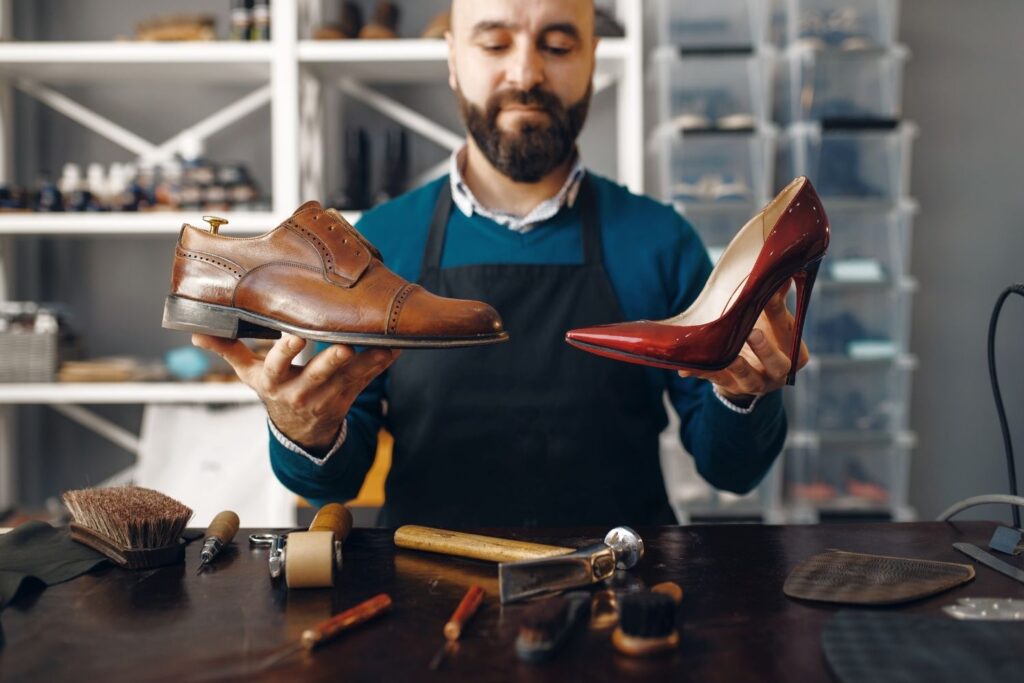
A surprising status symbol now is the item you can fix. People brag about resoling boots, replacing phone batteries, and patching a jacket rather than replacing it. Repair culture is spreading through local cobblers, bike shops, and online tutorials, especially in cities where sustainability and budget pressure overlap.
This is not nostalgia. It is a reaction to products designed to fail. Millennials are increasingly suspicious of fragile materials and sealed designs, so they buy things that can be opened, serviced, and maintained. When you own fewer items, each one matters more, and the ability to extend its life feels like a win. The quiet pride is in keeping something going, not constantly upgrading.
5. Home purchases are shifting toward multipurpose basics.
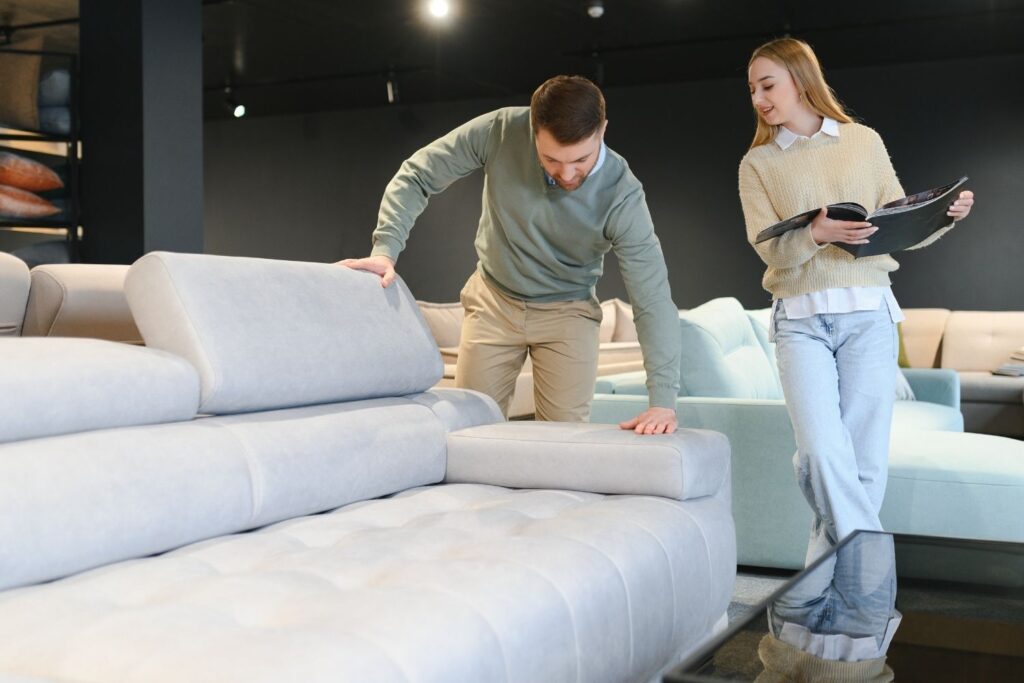
Millennials furnishing apartments and starter homes often choose pieces that adapt. A dining table doubles as a desk. A storage bed solves closet problems. A couch is judged by stain resistance and comfort during a long movie, not how it photographs. The home is no longer a showroom, it is a workspace, a gym corner, and a place to recover from everything outside.
This is especially visible in the rise of modular furniture, washable covers, and neutral palettes that survive trend cycles. People want fewer pieces that do more. The vibe is calmer, but the reasoning is practical. When moves happen, jobs change, and living space is expensive, functional design is not boring, it is defensive planning that looks tasteful.
6. Wardrobes are shrinking, but quality standards rise.
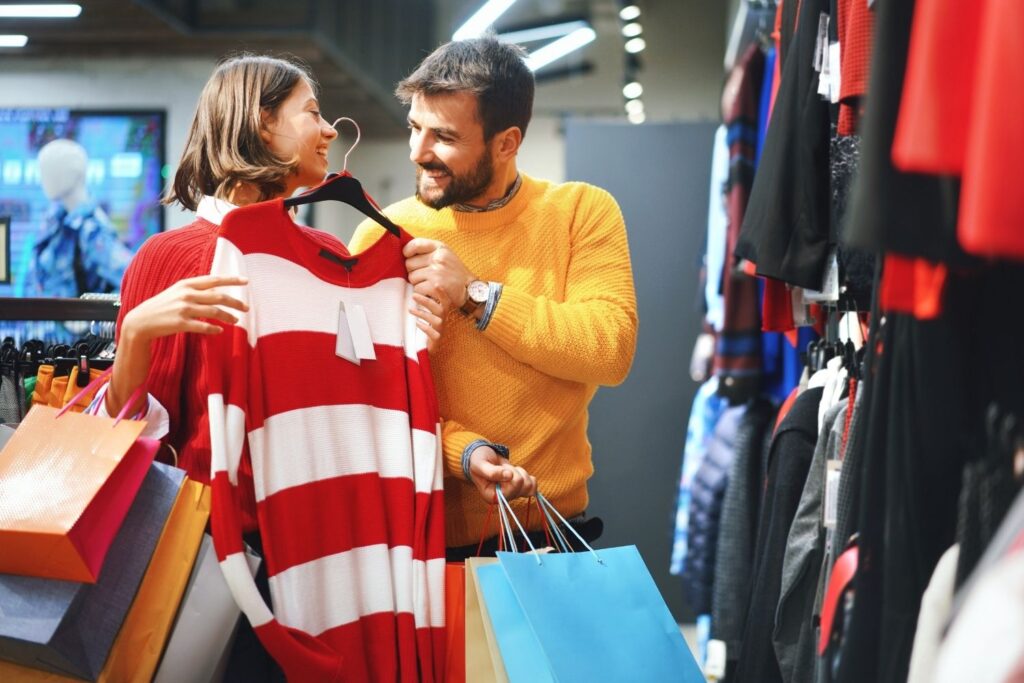
Fast fashion still exists, but many millennials are quietly tiring of it. Instead of buying five trendy items, they are hunting for one pair of pants that fits perfectly, one jacket that layers well, one shoe that does not punish their feet. Comfort and repeat wear are the new filters, and the closet starts to look simpler.
This shift also changes how people judge style. The question becomes, does it work with my life. Can I wear it on a flight, to a meeting, and to dinner. Does it survive a wash without drama. A functional wardrobe reduces decision fatigue, and that matters in a world that already asks for constant choices. Owning less feels lighter when what you own performs.
7. The car conversation is getting brutally practical.

Millennials who used to dream about flashy vehicles are now comparing mileage, maintenance records, and insurance costs. They talk about charging access, reliability ratings, and monthly payments instead of horsepower. Even when someone buys a luxury model, the justification tends to be safety features, longevity, or commute comfort, not attention.
This is partly economics, partly exhaustion. A car that breaks often is a life problem, not a minor inconvenience. People want predictable costs and fewer surprises. Function shows up as driver assistance tech that reduces stress, a cabin that stays quiet, and seats that do not wreck your back. The status move is having your transportation handled, not being seen.
8. Secondhand shopping is now a strategy, not shame.

Resale used to be treated like a budget fallback. Now it is a deliberate system. Millennials browse thrift stores, consignment apps, and vintage markets for durable pieces that already proved they can last. They also like that secondhand shopping slows down the pressure to buy new trends on someone else’s schedule.
Function matters here too. A used leather jacket with strong seams is often more practical than a new one made for a photo. A refurbished laptop can be the smarter tool. Even furniture gets sourced secondhand because solid wood beats flimsy composites. The ethics are part of it, but the performance is a bigger driver than people admit. When you can get quality and save money, it feels like winning twice.
9. Sustainability claims are being tested by usefulness.

Millennials still care about sustainability, but the bar is changing. They are less impressed by green labels and more interested in what reduces waste in real life. A reusable product only matters if it is actually used. A compostable item only matters if the city can process it. That practicality is forcing a new kind of skepticism.
The result is a preference for boring solutions that work. Refillable soap that fits the sink. A water bottle that does not leak. A product that lasts long enough to avoid replacement. Function becomes the bridge between values and behavior. When sustainable choices are convenient and durable, they stick. When they are fragile or performative, they fade fast.
10. Luxury is not gone, it got stricter.

Millennials are not rejecting luxury as a concept, they are rejecting luxury that feels hollow. If something is expensive, it now needs a reason that holds up on a stressful Tuesday. That reason might be comfort, time savings, craftsmanship, or service that actually solves problems. What is fading is luxury that only signals status.
This creates a sharper market. Practical premium brands gain loyalty. Overpriced basics get mocked. People still splurge, but they do it with a personal rulebook that focuses on durability and daily benefit. The quiet shift is that function is becoming the language of self respect. It is not about owning less to be virtuous. It is about owning smarter so life feels easier.