
Sixteen small worlds just broke the neat rules.
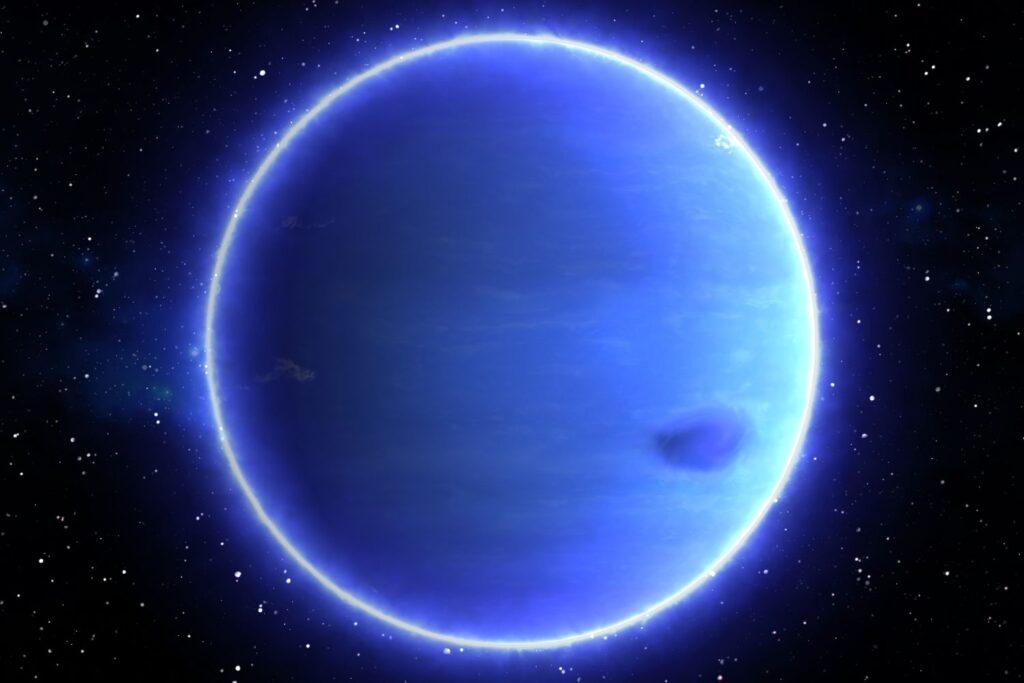
Mini Neptunes should have been the easy middle children of exoplanets, bigger than Earth, smaller than Neptune, predictable in bulk and behavior. Then a set of sixteen worlds started misbehaving. Their spectra refused to line up, their densities hinted at hidden interiors, and their atmospheres looked less like thick blankets and more like scraps. Astronomers using new space based tools can now see what older telescopes blurred. The unsettling part is what these patterns imply about planet birth across space.
1. Their atmospheres looked thinner than theory allowed.
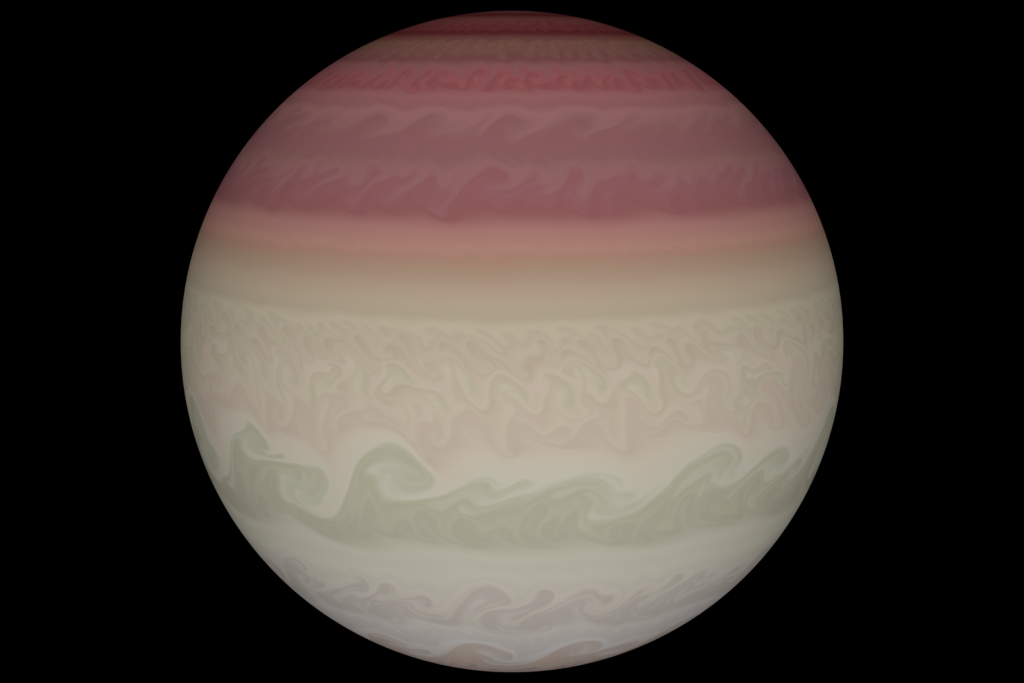
Expectations said these worlds keep thick hydrogen blankets, especially at two to three Earth radii. The sixteen targets instead showed a range from puffy to surprisingly pared down, a clue that something is removing gas faster than models budgeted. Some look like they are midway through a makeover, caught between Neptune and bare rock.
When a mini Neptune sits close to its star, ultraviolet light and heat can drive escape, but core heat can help too. The surprise is how common the thinning looks across different systems, which turns a category into a moving phase, according to PNAS right now.
2. Some mini Neptunes may hide solid surfaces.
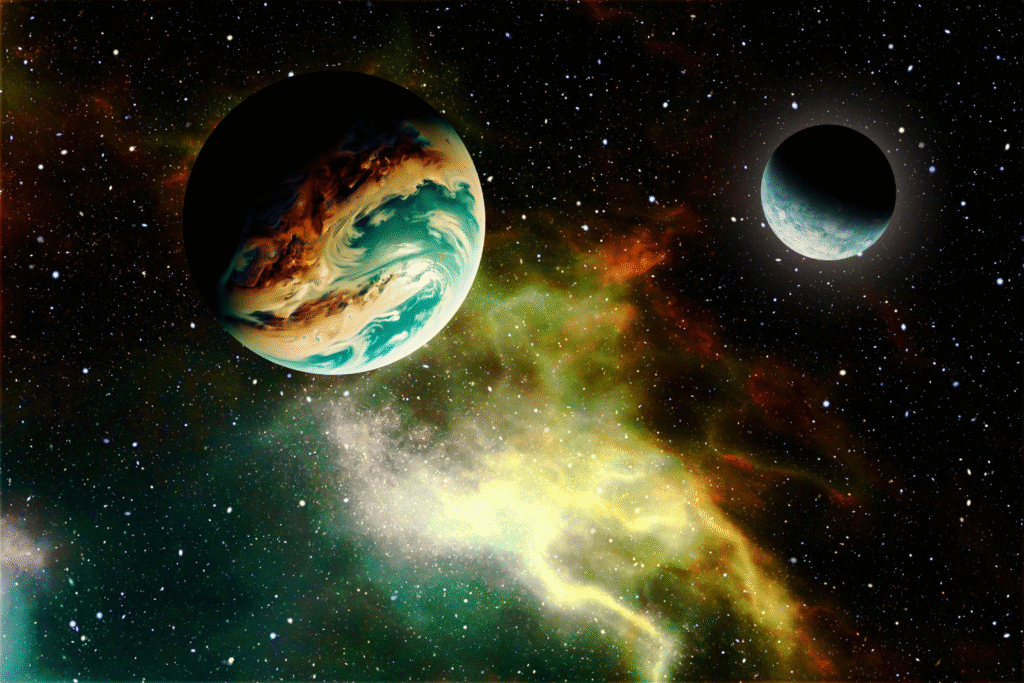
One assumption kept sneaking into every chart, that mini Neptunes are oceanless gas dwarfs with no solid surface to speak of. The new comparisons across sixteen worlds put that comfort at risk, because several look dense enough to hide something firmer underneath. It also shifts the search for habitable conditions into a stranger middle zone.
If the envelope is thin, pressure at depth drops, and a rocky surface or high pressure water layer becomes plausible. That changes what haze, clouds, and chemistry mean, because they may sit above a boundary, not endless gas, as reported by the University of Chicago.
3. Chemistry kept shifting across the whole sample.

Chemistry was supposed to be a tidy fingerprint, but these sixteen planets keep swapping prints. Some spectra show muted methane, others hint at carbon monoxide or sulfur chemistry, and the same size class suddenly looks like multiple species wearing one label. That makes atmosphere comparisons feel unstable.
Part of the tension is that hazes can hide the truth by flattening features, while metallicity can exaggerate them. When both vary, interpretation becomes a minefield, and the planet you think you see may be a mirage. The diversity of haze and chemistry in sub Neptunes has been highlighted, according to Nature Astronomy.
4. Density numbers refused to match size categories.
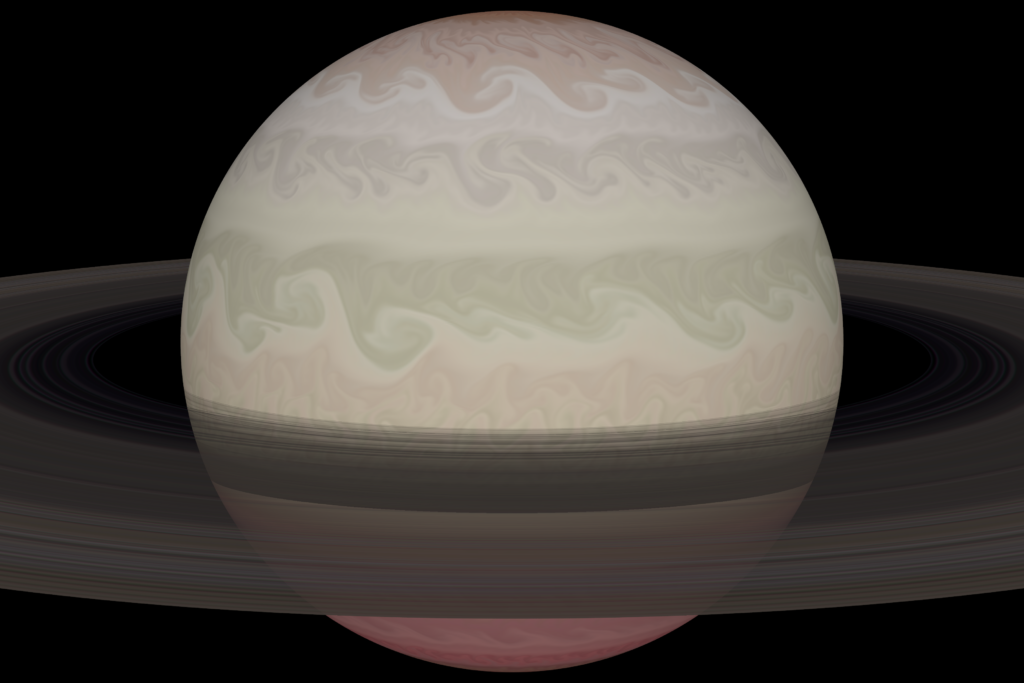
Mass and radius once felt like enough, until these sixteen worlds refused to sit neatly on the usual curves. A few have densities that hint at massive cores, while others look inflated, as if heat or composition is holding them up.
That mismatch matters because it decides destiny. A denser planet can cling to gas longer, but it may also point to an interior rich in rock or water that changes atmospheric chemistry from below. An inflated planet may be easier to strip, turning it into something else. The uncomfortable possibility is that size labels are hiding radically different interiors.
5. Formation may have happened faster than expected.

If these planets formed slowly, they would have had time to build stable envelopes. The sixteen cases suggest the opposite, rapid assembly while the protoplanetary disk was still thick with gas and dust, followed by a harsh adolescence.
Early formation exposes them longer to stellar tantrums, when young stars blast X rays and ultraviolet light. That period can peel atmospheres before planets settle into mature orbits. The result is a population that looks older than it is, chemically aged by violence. The open question is whether we are seeing survivors, or merely the ones caught mid transition in our surveys.
6. Orbital layouts hinted at long distance migration.
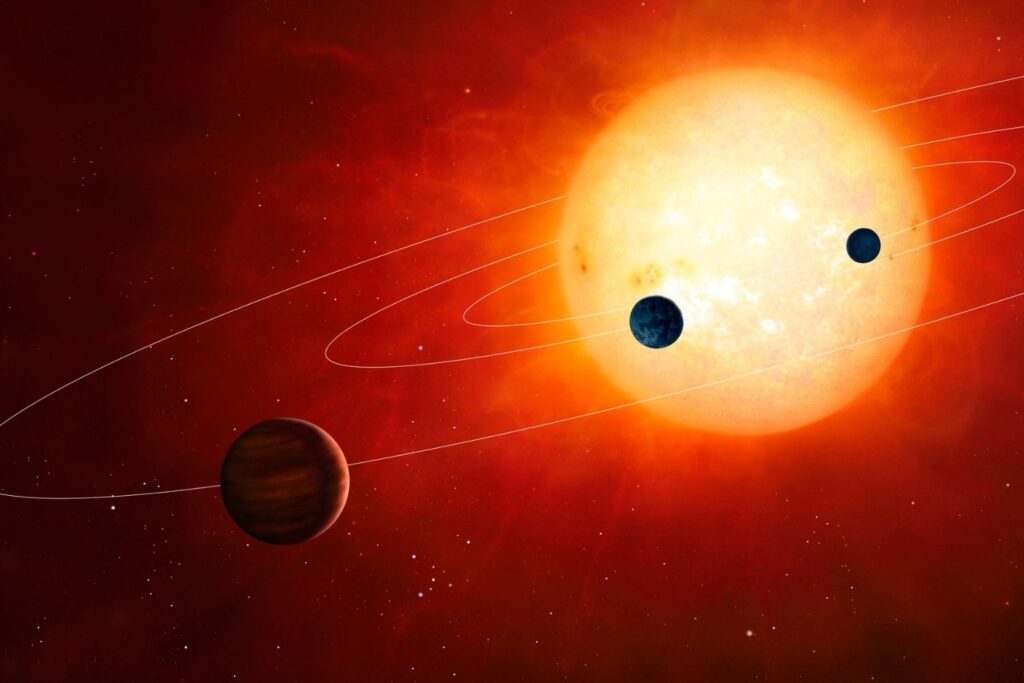
Several of the sixteen sit in compact systems where planets line up like beads. That architecture often signals migration, worlds forming farther out and then drifting inward through the disk, with gravity and gas acting like a conveyor belt.
Migration changes everything because it drags a planet across temperature lines. Ices can evaporate, cores can accrete different materials, and atmospheres can be reheated or shocked. By the time the planet reaches a close orbit, its original identity may be scrambled. What looks like an atmospheric oddity could be a travel history written in molecules, not maps that we barely read.
7. Internal heat may be fueling ongoing gas loss.
Radiation gets blamed first, but some of these planets may be undoing themselves from the inside. A young mini Neptune can carry leftover formation heat for ages, and that internal energy can puff the atmosphere upward where escape becomes easier.
Once the upper layers expand, stellar wind and ultraviolet light have more to grab. Even if the star calms, the planet may have already crossed a threshold where loss feeds more loss. That is why two planets with similar orbits can diverge sharply. The body count is written as missing gas, and the clock is internal as much as external.
8. Weak magnetic shielding could leave atmospheres exposed.
A magnetic field is a quiet shield, invisible until it fails. If some of the sixteen lack strong dynamos, charged particles from their stars can punch deeper into the upper atmosphere, driving chemistry and stripping at the same time.
Field strength depends on interior layering, rotation, and conductivity. A water rich mantle, a slow spin, or a stifled core can weaken protection. Without a sturdy magnetosphere, even a moderately active star can do outsized damage. The trouble is we rarely measure fields directly, so absence shows up indirectly as erosion, haze, and chemistry that refuses to settle over long years.
9. Several worlds may be changing into super Earths.

The unsettling thought is that mini Neptune may be a temporary costume. If gas loss continues, a planet can slide into the super Earth range, leaving a rocky or water rich core behind with a very different surface environment.
That kind of transformation helps explain why the galaxy shows a radius gap, a shortage of planets at certain sizes. It suggests we are catching some planets before they finish changing. For observers, that means classification is a snapshot, not a biography. A planet labeled mini Neptune today may be an exposed core tomorrow, at least on cosmic timescales in practice.
10. Our planet counts may be skewed by timing.
Mini Neptunes are often called the most common planets we detect, but detection favors big atmospheres. If those atmospheres are fragile, then the census is biased toward planets in a phase when they are easiest to see.
As envelopes thin, radii shrink, transits dim, and many worlds may drop below our detection thresholds. That would make mini Neptunes look abundant even if they are short lived. It also means our estimates of how many rocky worlds exist could be off, because some rocks are hiding under temporary gas. The sixteen planets act like a warning label on the statistics today.
11. Theories now must explain many mini Neptune paths.

Sixteen is not a huge number, yet it is enough to make old shortcuts feel reckless. A single story cannot explain thin atmospheres, thick hazes, dense interiors, and divergent chemistries all inside one size class.
The emerging picture is that mini Neptunes are shaped by a stack of forces, birth timing, migration, irradiation, internal heat, and perhaps magnetic shielding. Change one variable and the planet grows into a different outcome. That is why the surprise matters. It suggests the galaxy is not assembling planets on a factory line. It is improvising with physics, and we are still learning the rules.