
A mirror biology threat looms over Earth.
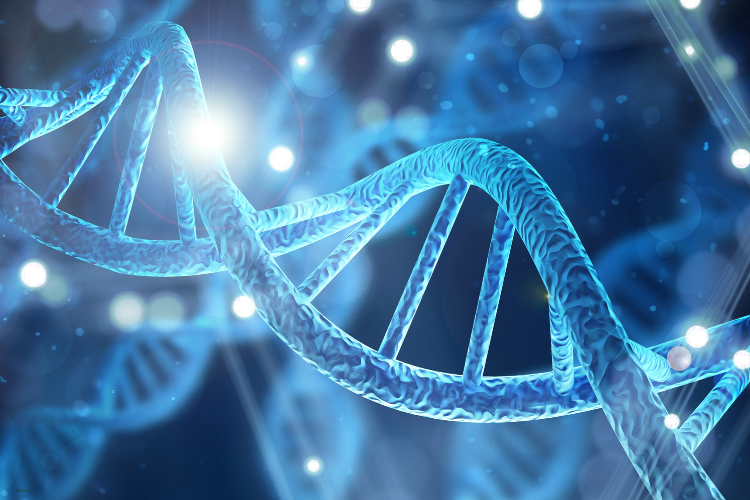
Something unusual is taking shape inside controlled labs, and even the scientists closest to it are treading carefully. This new concept, often called mirror life, challenges the basic rules that all known organisms follow. At first glance, it sounds like a clever scientific twist, a way to better understand how life works. But the deeper researchers look, the more complicated it becomes. Some say it could reshape medicine and technology. Others warn it may introduce risks that cannot be easily undone, especially if it escapes beyond the lab.
1. Mirror life would evade our immune defenses.
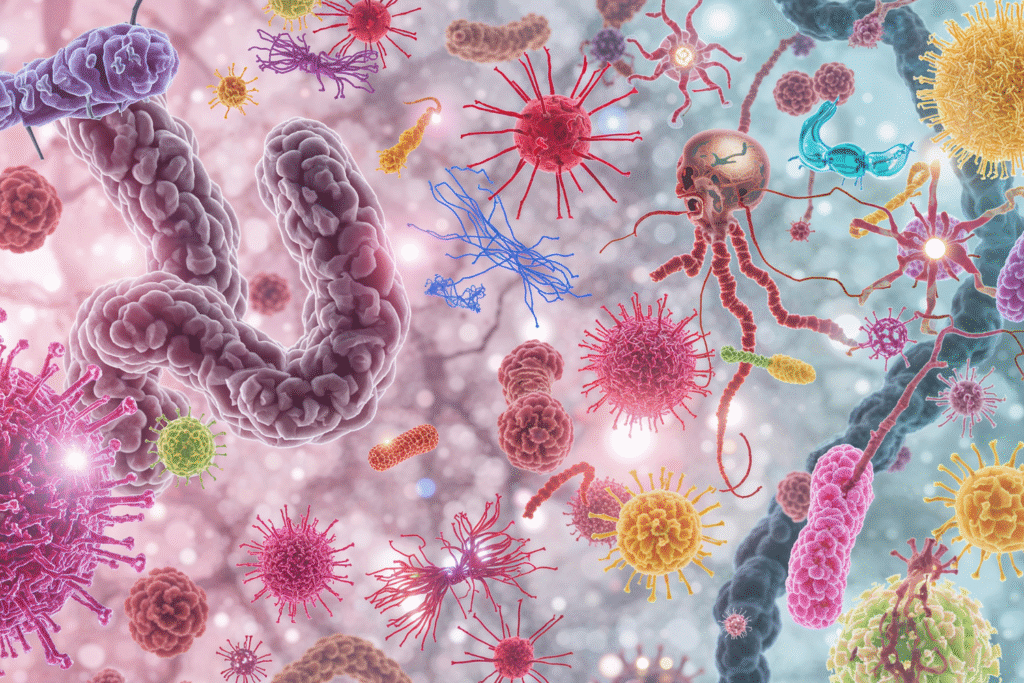
Every living thing on Earth recognizes invaders through molecular shape, a lock and key system built into biology itself. Mirror life would flip that system, using inverted molecules that our immune systems cannot detect. Scientists are exploring this idea because it could lead to ultra stable drugs, longer lasting treatments, and lab grown organisms that stay contained.
But that same feature raises concern. According to a recent commentary in Science, mirror bacteria might move through organisms unnoticed, avoiding immune response entirely. If exposure ever occurred outside the lab, infections could spread before detection, creating risks biology was never designed to handle.
2. Mirror organisms may resist natural predators.
In normal ecosystems, bacteria are kept in balance by predators such as bacteriophages and amoebas. As stated by researchers at the Wyss Institute, mirror microorganisms would not be recognized by those natural controls, allowing them to multiply freely according to the authors.
Without those built-in predators, mirror microbes could dominate environments uncontested. They might fill ecological gaps with no resistance, potentially displacing native species and creating biological imbalances that ordinary life cannot correct.
3. Standard antibiotics and enzymes may become useless.
Antibiotics and enzymes rely on the alignment of molecular structures to function. As discovered by molecular biologists studying chirality, mirror molecules would not interact properly with those tools, rendering them ineffective. That means medicine as we know it would not work on mirror organisms.
If such life became infectious or widespread, doctors would have nothing to treat it with. The gap between known treatments and the biology of mirror life could make even simple infections impossible to control.
4. Mirror life could invade ecosystems with no resistance.

Once released, mirror organisms could spread through soil, rivers, or oceans without facing competition. Native species have no evolutionary experience with mirror chemistry, so they would not recognize it as part of their food chain or defense systems. Such organisms could quietly expand, reshaping the microbial foundation of entire ecosystems.
Over time, these changes could ripple outward, affecting everything from crop health to ocean chemistry. The shift might be slow at first, but ecological transformations often build invisibly until collapse appears sudden.
5. Evolution would let mirror life adapt unpredictably.
If mirror organisms reproduce, they evolve. Random mutations could change their behavior, allowing them to tolerate new environments or interact with traditional life in ways scientists cannot yet predict. The longer they exist, the more unpredictable they become.
Evolutionary pressure has always shaped life, but mirror life would be starting from an alien foundation. Its future path might diverge so completely that forecasting its impact becomes impossible.
6. Diagnostics may fail to detect mirror life.
Modern detection tools depend on chemical reactions that match known molecular structures. Mirror organisms would not react in those predictable ways, causing diagnostic tests to fail or misread. They might pass through labs unnoticed, even when scientists are looking for them.
Undetected presence means response time would vanish. By the time anyone realized mirror organisms existed, containment could already be beyond reach.
7. Containment strategies may lack proper safeguards.
Laboratory safety systems are designed for ordinary biological materials. Mirror organisms would not obey those assumptions. Air filters, sterilization procedures, and containment materials might not neutralize them effectively.
If one escaped into the environment, current biosafety levels would offer little defense. The challenge is not only in preventing accidents but also in realizing when a breach has occurred at all.
8. Ethical and governance frameworks are unprepared.

Regulations for synthetic biology remain focused on known organisms. Mirror life falls into a gray area that international law does not yet define. Researchers can design mirror molecules in laboratories, but no unified oversight exists to manage how far they go.
Several scientific bodies have urged immediate cooperation between nations to set limits before experimentation begins. Without coordinated rules, innovation could move faster than caution, creating risks no single country can contain alone.
9. A moratorium may be necessary before risks escalate.

Many of the thirty-eight scientists who coauthored recent warnings have suggested a pause on any attempt to synthesize complete mirror organisms. They argue that without strong containment and detection technologies, the threat outweighs potential scientific benefits. This call for restraint represents an unusual level of unity across international research groups.
A temporary moratorium could give policymakers time to understand what is at stake. It is not about halting progress, but about ensuring humanity is ready before venturing into a biological experiment with no precedent.
10. Mirror life reminds us how fragile our assumptions are.
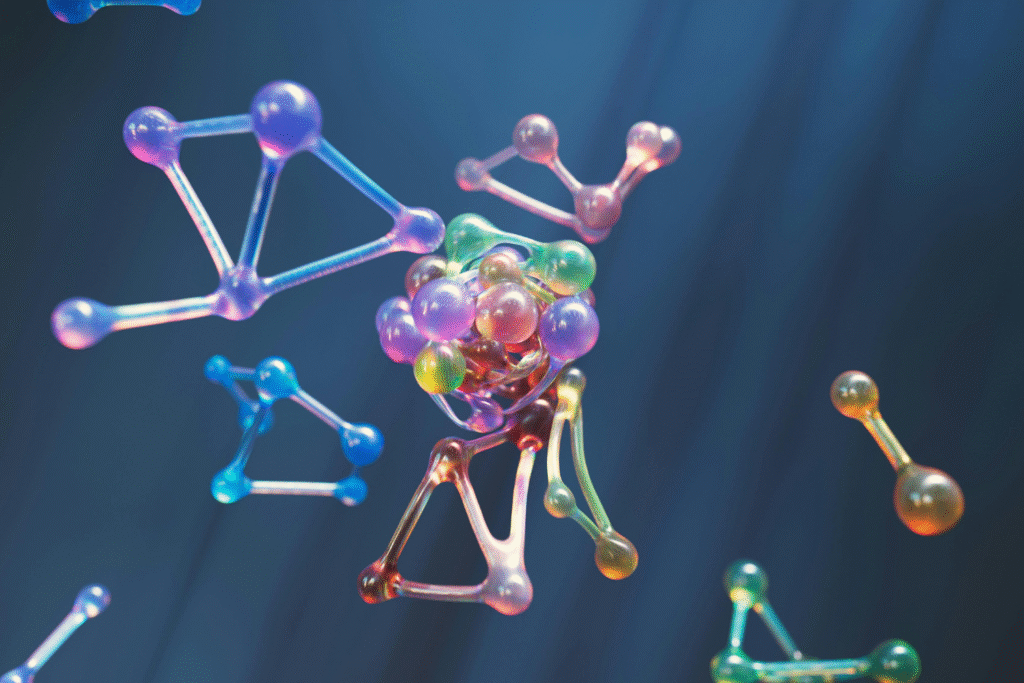
All living systems depend on a single orientation of chemistry. Mirror life would rewrite that rule entirely. It is not just another discovery, it is an inversion of the molecular foundation of existence. Scientists see both wonder and danger in that possibility.
If such life is ever created, it will test not only biology but our ability to manage power responsibly. The warning is clear: when we mirror nature, we risk creating something that no longer mirrors us at all.