
A closer look at the sport’s rising pressures.

Thoroughbred racing has evolved into a high speed system shaped by global breeding, intense training cycles, and the demands of event calendars that rarely slow down. Conversations with trainers in Kentucky, veterinarians in Newmarket, and researchers in Australia reveal how these horses face stress across multiple fronts. When you look closely at recent patterns, it becomes easier to understand the growing concern for equine welfare and why experts argue the sport has reached a critical moment.
1. Breeding pressures create fragile physiques in young horses.
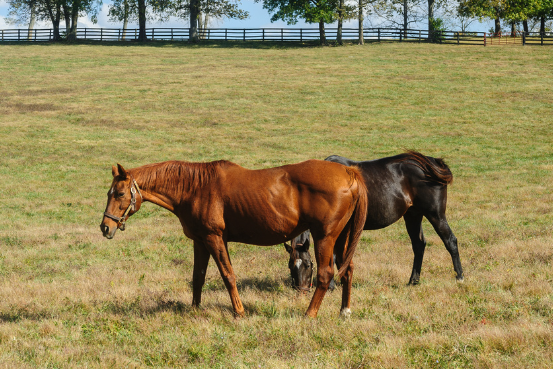
Over recent decades breeders from Ireland, Japan, and the United States have selected for speed over durability, narrowing genetic variation and creating lighter bone structures. Vets studying fracture patterns now identify structural weaknesses tied directly to early breeding choices. These concerns match findings reported by The New York Times, which examined how intensive selection eliminates traits that once supported resilience.
Handlers often adjust training schedules, yet many horses still arrive with reduced tolerance for stress. When workloads increase, fragile limbs struggle to adapt. Trainers frequently report small warning signs in gait or posture that hint at deeper strain. Even subtle imbalances can grow into injuries that end promising careers before they fully begin.
2. Early training timelines overload developing joints and muscles.

Yearlings begin structured workouts long before their bones fully mature, especially in major racing hubs like Lexington and Dubai. Trainers push them to adapt quickly to the demands of speed work, creating cycles of strain on tissue that has not reached adult strength. This trend aligns with concerns described by the Associated Press, which highlighted how accelerated training contributes to long term vulnerability.
Many horses start showing discomfort within their first months under saddle. Small inflammatory episodes become repeating patterns that require constant management. As workloads escalate, immature joints absorb forces that exceed their natural capacity. Even with careful monitoring, the imbalance between growth and demand often places horses at heightened risk.
3. Synthetic and dirt surfaces create inconsistent stress patterns.
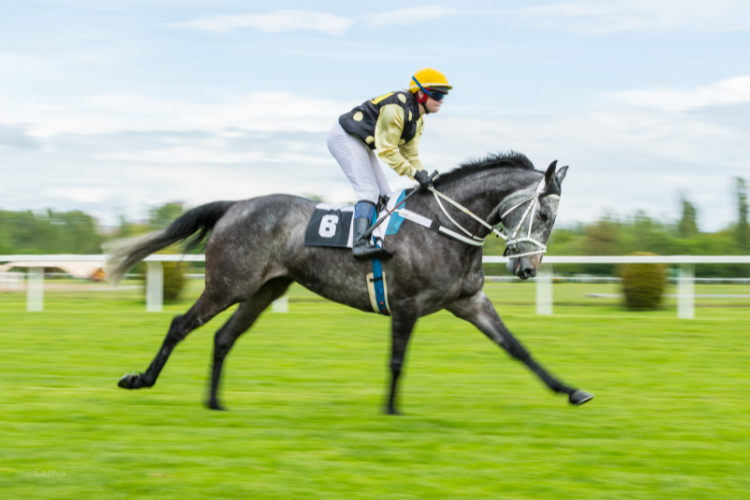
Racing surfaces differ widely across tracks in California, Hong Kong, and the United Kingdom, and each type changes how force moves through a horse’s body. Dirt can create deeper concussion while certain synthetic surfaces introduce unexpected torque during turns. These patterns have been studied in recent evaluations noted as discovered by National Geographic, which examined how surface composition influences injury trends.
Horses must adapt quickly when shifting between tracks. Sudden changes in footing create unfamiliar stresses that muscles and tendons cannot predict. Even confident runners may struggle to find rhythm on a new surface. These small disruptions accumulate across a season, compounding strain and increasing the likelihood of fatigue related breakdowns.
4. Crowded racing schedules push horses into constant exertion.
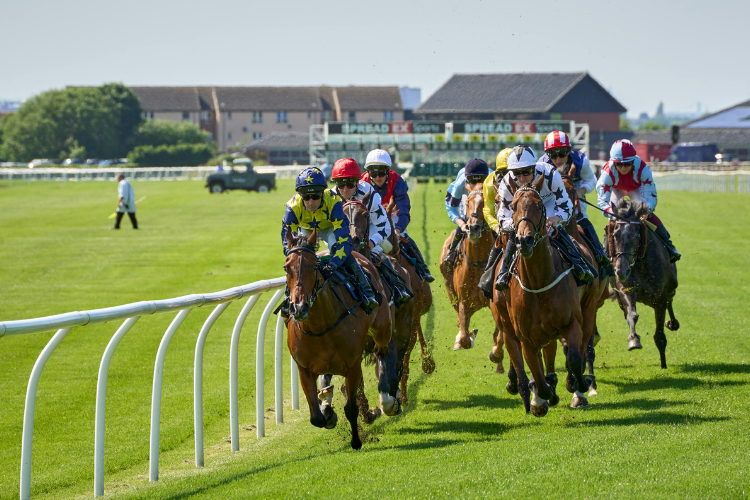
Many stables enter their top runners into back to back events during peak seasons, hoping to capitalize on brief competitive windows. Horses recover unevenly, and residual fatigue often lingers between races. Trainers sometimes confront tough decisions when calendars stack regional races weeks apart.
Even when performances look strong, internal markers of stress can remain elevated long after a race ends. Muscles repair slowly under repeated pressure, and small defects in connective tissue begin to multiply. Without extended rest periods, horses plateau or regress, making them more vulnerable during high intensity efforts later in the season.
5. Travel demands add hidden physiological strain across continents.

Racehorses now move internationally for events in Riyadh, Melbourne, or Saratoga, enduring long flights and rapid climate shifts. These transitions challenge their immune systems and disturb sleep cycles, creating windows of vulnerability that trainers must anticipate.
Recovery varies widely between horses. Some fail to adjust to humidity or altitude in time for major races, showing stiffness or reduced appetite. Even experienced travelers feel the impact of sudden changes in temperature and stable routines. Over the course of a season, these disruptions create cumulative stress that heightens the risk of injury or illness.
6. Medication routines sometimes mask early signs of breakdown.

Veterinarians use anti inflammatory treatments to manage discomfort, yet repeated use can blur the line between therapeutic relief and suppression of critical warning signs. Horses may appear sound while underlying tissue damage progresses quietly beneath the surface.
Trainers describe moments when a horse looks ready but reveals deeper injuries only when stress increases. Careful teams try to limit medication, but competitive pressures complicate decisions. The temporary comfort encourages performance while long term consequences remain hidden. Without transparent oversight, early hints of trouble can disappear until they emerge as severe failures during training or competition.
7. High speed workouts produce cumulative microdamage in limbs.
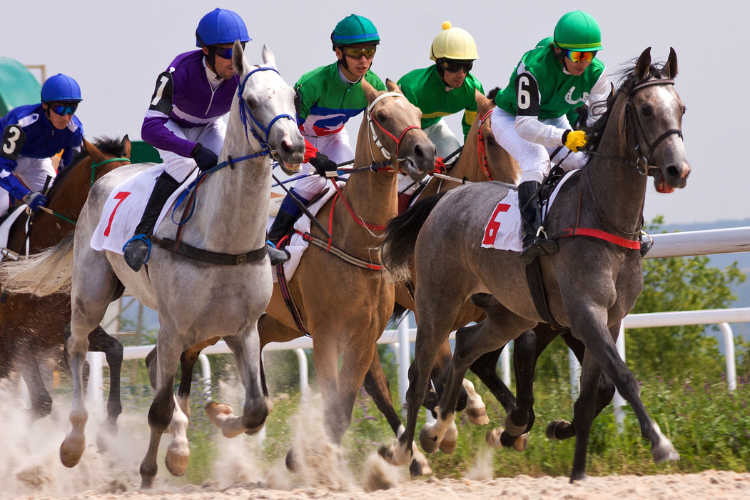
High intensity breezes at training centers in Ocala or Chantilly expose horses to forces far beyond what wild equines would experience. Each stride sends shock waves through bone and tendon, creating small areas of microdamage that need time to heal.
When rest is insufficient, these tiny fractures develop into larger structural weaknesses. Trainers often schedule light days, but tight preparation timelines shrink recovery windows. Horses that appear strong may carry unseen stress in their hind or forelimbs. Over time these small imbalances multiply, setting the stage for sudden breakdowns during demanding races.
8. Hard turns amplify stress on tendons and ligaments.
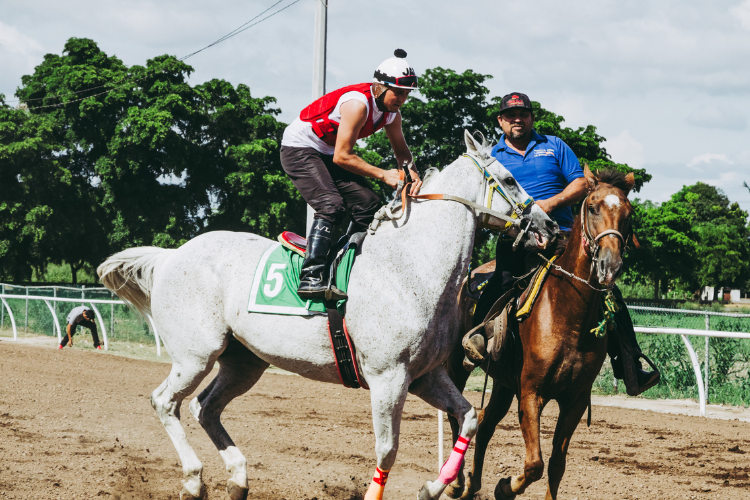
Tightly curved tracks require horses to lean heavily into turns, pushing force into specific joints and soft tissues. These moments amplify tension across the inside leg and shoulder, especially in fast paced races.
As horses repeat these motions during training, tissues adapt unevenly. Some areas strengthen while others weaken under constant torque. Trainers sometimes notice subtle stiffness after sessions on smaller tracks. Without rotation to varied layouts, these accumulated stresses can predispose horses to tears or strains that appear abruptly during competitive events.
9. Competitive pressure encourages running horses beyond their limits.
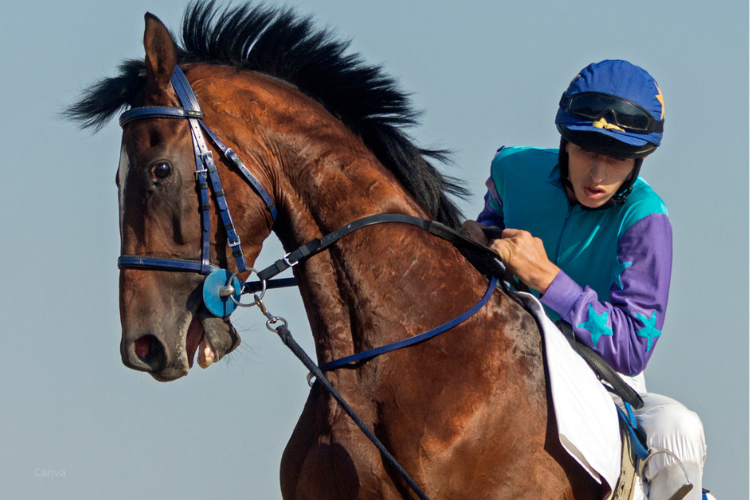
Owners and trainers often feel compelled to race promising horses even when signs of fatigue or mild injury appear. The financial stakes rise sharply at high profile events, and scheduling windows can narrow quickly during peak seasons.
While many teams practice caution, others take risks that compound existing vulnerabilities. Horses may perform admirably despite discomfort, masking deeper issues that worsen under strain. The drive to compete shapes decisions that do not always align with long term health. Over time the repeated push erodes physical resilience and increases the likelihood of serious injury.
10. Retirement pathways remain inconsistent across the industry.
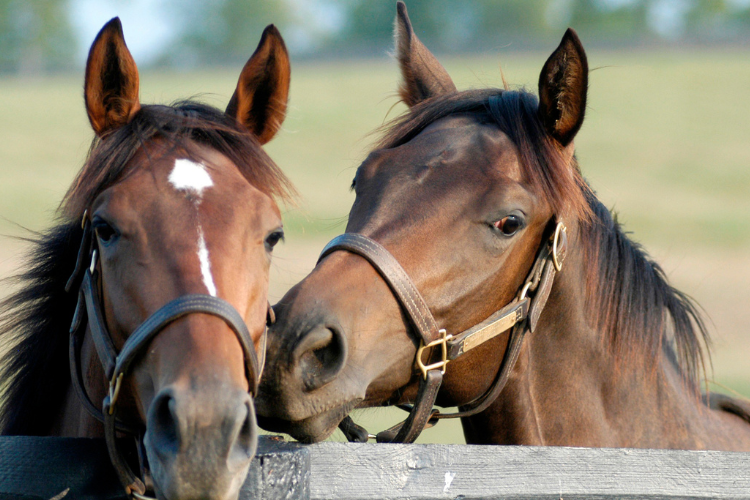
Not every racing region offers robust aftercare programs, leaving some horses without structured transitions into new careers. When retirement decisions are delayed or overlooked, aging runners remain active in races that exceed their physical capacity.
Older horses often cope with deteriorating joints, slower recovery, and mounting stress. Without planned rest or retraining, they face higher injury risks. Encouraging consistent aftercare reduces these dangers, yet implementation varies widely between tracks and countries. This uneven support contributes to extended careers that place vulnerable horses in situations their bodies can no longer sustain.