
Changing behavior is blurring boundaries everywhere.
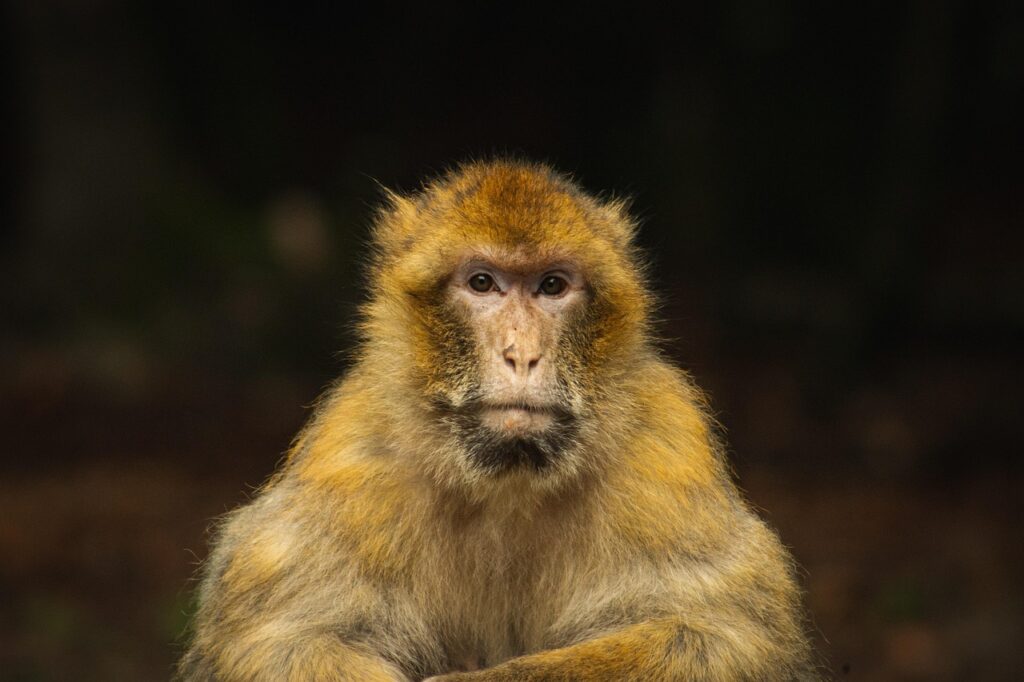
Across regions where people and monkeys live close together, researchers are noticing patterns that look strangely familiar. These animals are copying human routines, adapting to our environments and learning behaviors that once existed only among people. The more they pick up from us, the more complicated the relationship becomes. Scientists studying these interactions say the changes reveal how quickly animals adjust when human life overlaps with their natural world.
The trouble is that some of these shifts help monkeys survive while others create tension. Human food, buildings, technology and daily habits shape their choices in ways that are now impossible to ignore. As these behaviors spread through groups, the risks grow for both sides. What once felt like curious imitation has become a chain of changes that experts say could alter the future of human wildlife interaction.
1. Growing comfort around humans is escalating conflict.

Monkeys in many regions have become remarkably relaxed around people, moving closer to homes, markets and tourist areas. They learn quickly that humans are predictable sources of food, and that confidence encourages them to walk boldly into crowded spaces. Families often react with surprise, which only reinforces the idea that humans are not a threat. The comfort feels harmless at first, yet it frequently leads to tension as both sides compete for the same spaces.
Researchers find that once monkeys lose fear, interactions become more intense. They may guard food sources, push boundaries or crowd into areas where people do not expect them. That shift increases the chance of injury or property damage, creating a pattern that communities struggle to reverse once it begins. This early behavior sets the stage for everything that follows.
2. Some groups now steal food with strategic planning.
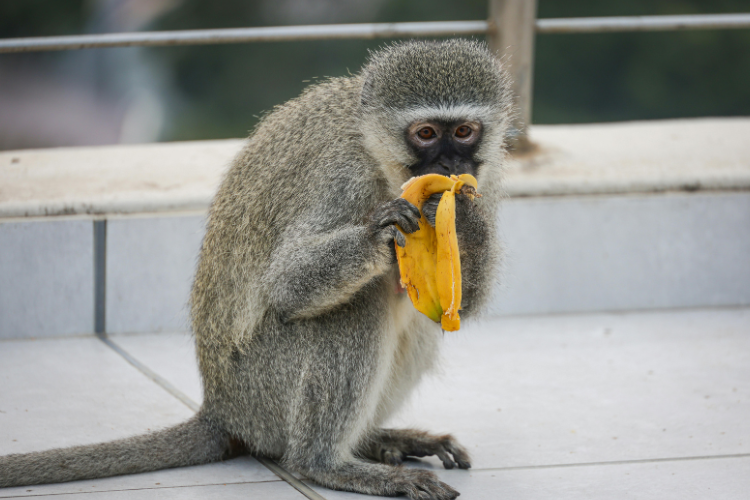
Monkeys have learned to watch humans carefully, waiting for moments when bags open or snacks appear. They work in small teams, distracting people on one side while another individual grabs the food. These coordinated efforts mimic problem solving skills seen in human children. As they practice, their strategies become more refined and more determined.
Communities living with these patterns often change their routines without realizing it. Tourists hold food tighter, vendors build coverings, and residents secure windows. Each adjustment signals to the monkeys that their methods must evolve, which leads to an ongoing cycle of adaptation. This back and forth relationship demonstrates how learned behavior spreads quickly among curious primates.
3. Monkeys are learning to navigate human built environments.

Urban areas once acted as barriers, but monkeys now climb balconies, unzip backpacks and open doors. Their agility helps them explore rooftops, power lines and narrow alleys with surprising confidence. Researchers tracking their movement note how quickly they map out shortcuts through towns and cities. Every new discovery gives them more access to resources that were never part of their natural landscape.
As they grow comfortable in these environments, they expose themselves to more hazards. Traffic, electrical wires and pesticides create sudden threats. People watching these changes often underestimate how dangerous city living is for wildlife. The more monkeys rely on these spaces, the more the balance shifts from survival to risk.
4. Tool use is spreading among certain populations.
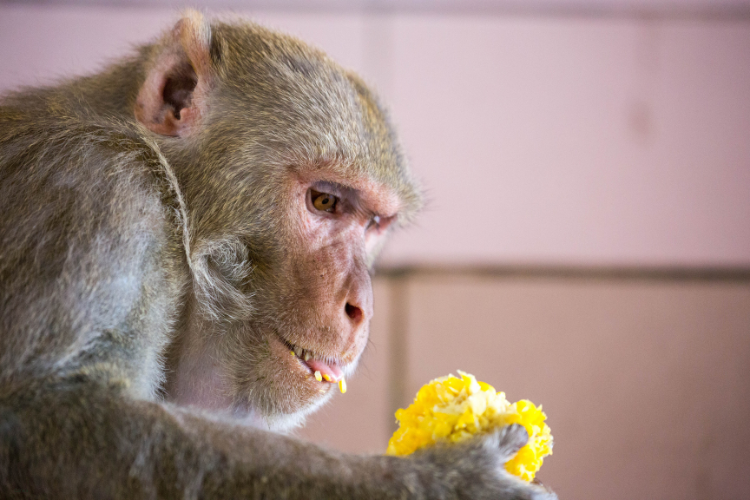
Studies in parts of Asia and Africa show monkeys using sticks, stones and debris to open food containers or access resources. These behaviors appear in groups that spend significant time near humans, suggesting a connection between human presence and tool use. The more they observe us handling objects, the more likely they are to attempt similar actions.
This cleverness sparks fascination, but it comes with problems. Tools allow monkeys to reach food or objects that would otherwise remain out of reach, including items that pose danger. Spread of these behaviors often leads to greater dependence on human environments. The pattern creates a cycle that pushes monkeys further from natural foraging and deeper into human dominated spaces.
5. Changing diets are reshaping their health and behavior.

Human snacks and processed foods offer quick calories, and monkeys quickly learn where to find them. These foods change their energy levels, body weight and activity patterns. Researchers tracking their health have seen higher rates of dental issues, digestive trouble and aggression related to competition for sugary treats. Their bodies were never designed to process these items in large amounts.
Communities often struggle with the consequences. Once monkeys expect human food, they may become demanding, persistent or territorial. This behavior creates frustration for residents and health problems for the animals. What begins as a small shift in diet grows into a long lasting change that affects entire groups.
6. Some species are forming larger groups near human settlements.
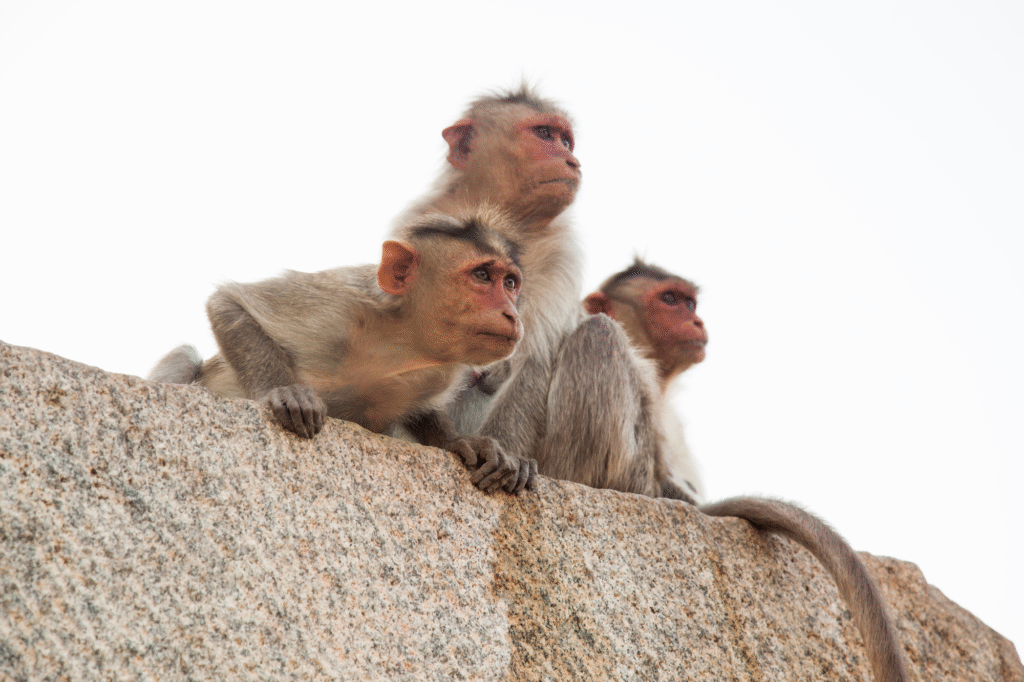
Food abundance around towns and markets encourages monkeys to gather in bigger numbers. These expanded groups develop new social dynamics that differ from those seen in the wild. Conflicts increase, hierarchy becomes more unstable and younger monkeys pick up risky behaviors faster. Scientists note that these social changes ripple through populations as individuals adapt to the new environment.
Larger groups also draw more attention from humans, raising the likelihood of conflict. People may feel overwhelmed by the sheer number of animals moving through their communities. That reaction often leads to calls for intervention, which rarely solves underlying problems. The situation becomes a cycle fed by human activity.
7. Bold behaviors are spreading through social learning.

Young monkeys imitate older ones, picking up habits such as entering houses, grabbing objects or approaching vehicles. These behaviors spread quickly because social learning is deeply ingrained in primate communities. Once a single monkey masters a new trick, the rest of the group tends to follow. This pattern helps them adapt rapidly to changing landscapes.
These learned behaviors do not fade easily. Even when communities try to change feeding habits or secure trash, the behavioral memory persists. Scientists often compare this to cultural transmission, where knowledge passes from generation to generation. The backfire emerges when each new group becomes more emboldened than the last.
8. Interactions with pets are causing new types of conflict.
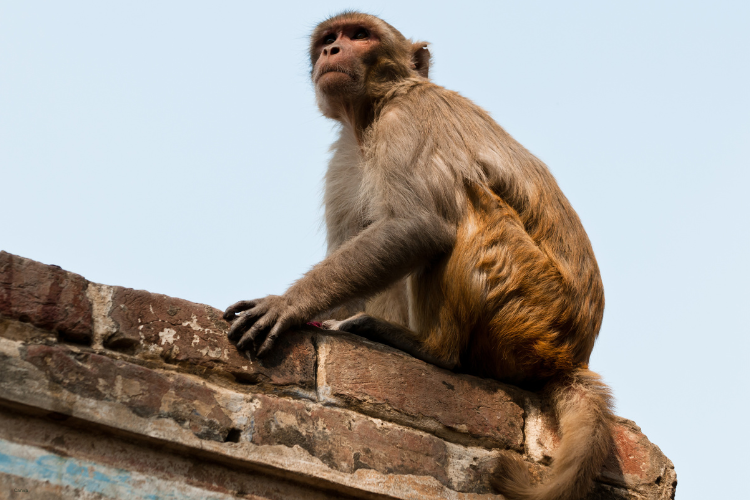
As monkeys enter homes and neighborhoods, they encounter dogs and cats more frequently. These interactions can escalate quickly because both sides feel threatened. Dogs may chase or corner monkeys, which triggers defensive responses. Cats often become prey due to their small size and solitary nature. These encounters leave lasting tension between wildlife and domestic animals.
Communities face difficult decisions when conflicts increase. Some residents try to keep pets indoors, while others push for wildlife control measures. Neither option solves the larger issue of overlapping territories. Each new encounter adds fuel to a growing problem that stems from shrinking boundaries.
9. Monkeys are responding to human emotions with striking accuracy.
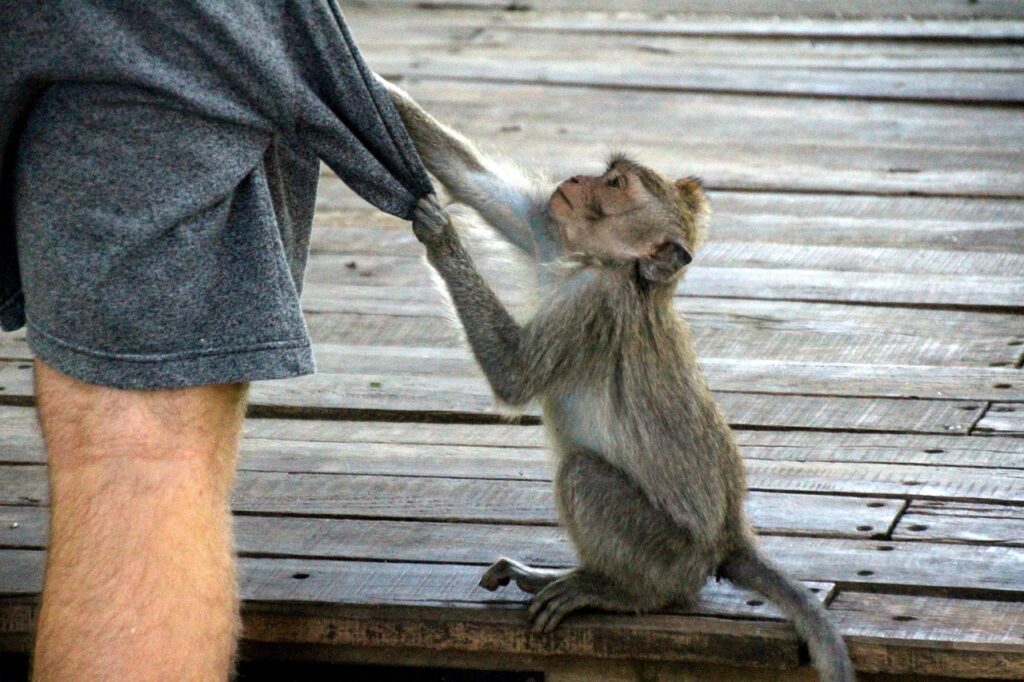
Researchers studying primate behavior have noticed that some monkeys interpret human facial expressions and body language with surprising skill. They recognize hesitation, fear or distraction, often using these cues to decide whether to approach or retreat. This emotional reading gives them a powerful advantage in crowded environments where humans signal intentions constantly.
This ability grows stronger over time as they observe more human behavior. The better they read us, the bolder they become. The backfire appears when monkeys use this sensitivity to predict moments when humans are less likely to resist, which increases risky encounters.
10. Manipulation behaviors are emerging in tourist heavy regions.
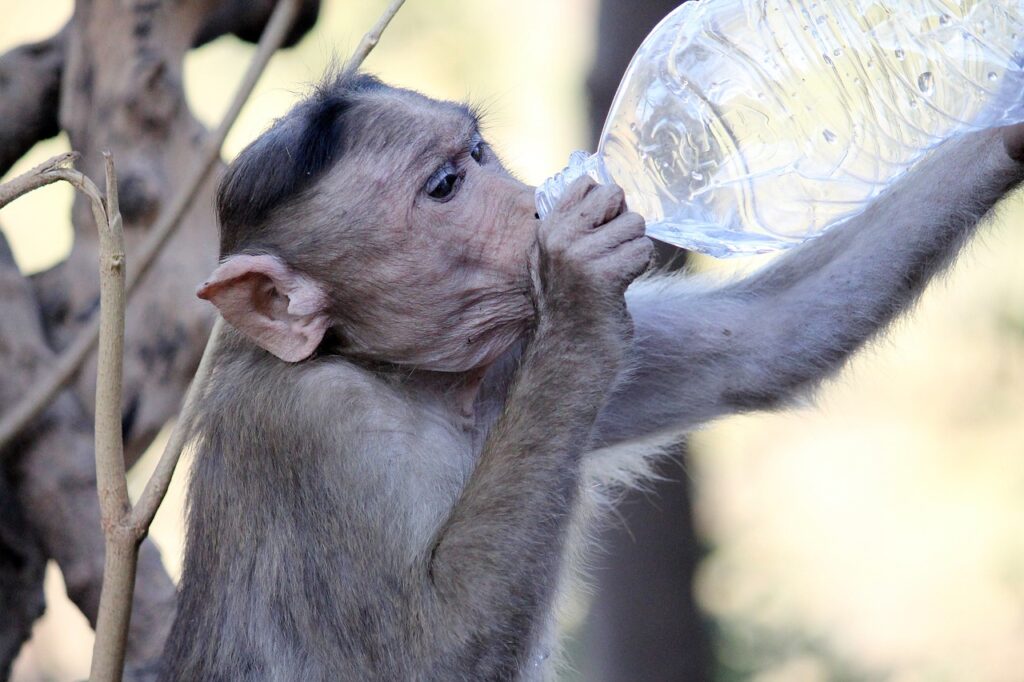
Monkeys living around tourist attractions sometimes display behaviors that resemble negotiation. They grab small items like hats or bottles, then wait for food in exchange. Researchers call this an advanced form of opportunistic behavior that reflects growing sophistication. Tourists often treat it as entertainment, reinforcing the cycle without realizing the long term impact.
Communities must manage the fallout when these behaviors expand beyond tourist zones. Once monkeys learn to leverage human attention, they may continue the pattern with residents who are less amused. This creates an environment where human possessions become bargaining tools, increasing conflict across regions.
11. Increasing exposure to humans raises disease risks for both sides.

Close contact between humans and monkeys allows bacteria and viruses to move in both directions. Researchers are concerned about emerging diseases that appear in areas where interactions have intensified. Monkeys exposed to human waste or contaminated food may pick up infections that spread through their groups, while humans risk illness when scratched or bitten. This constant exchange creates a growing health burden.
Communities often underestimate how quickly disease can travel in mixed environments. Once it spreads, both humans and monkeys suffer. Scientists emphasize that maintaining distance and reducing shared resources are crucial steps to prevent outbreaks. The health connection underscores the broader consequences of blurred boundaries between species.