
A closer look at the dogs that crave closeness.

Dogs have evolved to seek warmth, safety and steady human contact, which is why some breeds lean into affection with an intensity that feels almost scientific. Their histories, instincts and bonding styles help explain why certain dogs curl into their humans every chance they get. Here are twelve breeds that consistently show an instinctive pull toward closeness and physical comfort, shaped by centuries of companionship and selective breeding.
1. Cavalier King Charles Spaniels reach for human closeness.

Their history in seventeenth century European courts shaped a near constant desire to rest against their humans. They settle quickly into arms, beds or laps, responding to soft voices and steady touch. Many owners report that they shadow them from room to room, creating a kind of emotional tether that rarely loosens, according to the American Kennel Club.
They are sensitive to emotional cues and often shift their bodies to match human moods. Their small size makes them feel easy to hold, and they rarely resist being lifted or reassured. They bond early, and their instinct to cuddle remains constant throughout adulthood, making them one of the most consistently affectionate companion dogs today.
2. Labrador Retrievers build calm connections through warmth.

Families describe Labradors leaning into legs or climbing onto couches the moment the evening slows. Their background as cooperative working dogs created an instinct to stay physically close, especially during low energy moments. They often curl up against their people after exercise, settling into long, quiet contact as stated by PetMD.
Even in busy homes, Labs find ways to rest against whoever is available. Their steady temperament makes them dependable comfort seekers, not just occasional cuddlers. They respond to touch with lowered shoulders and relaxed breathing, signaling trust. Their size means they often end up sprawled across laps without quite realizing it, but their calm presence makes the weight grounding rather than overwhelming.
3. Pugs lean into affection with surprising intensity.

Pugs were bred as indoor companions in ancient China, which shaped their instinct to rest close to human bodies. They wait for opportunities to press their faces, chests or sides into whoever they trust. Their expressive eyes and quiet snorts reinforce the sense that they want contact as reported by the UK Kennel Club.
Their compact bodies fit easily into arms or small spaces on a couch. They adjust quickly to familiar scents and voices, relaxing the moment they feel warmth. Many owners mention that a pug will wedge itself between them and a pillow just to maintain closeness. Their consistent desire for touch makes them dependable cuddle partners.
4. Golden Retrievers relax deeply when resting beside people.
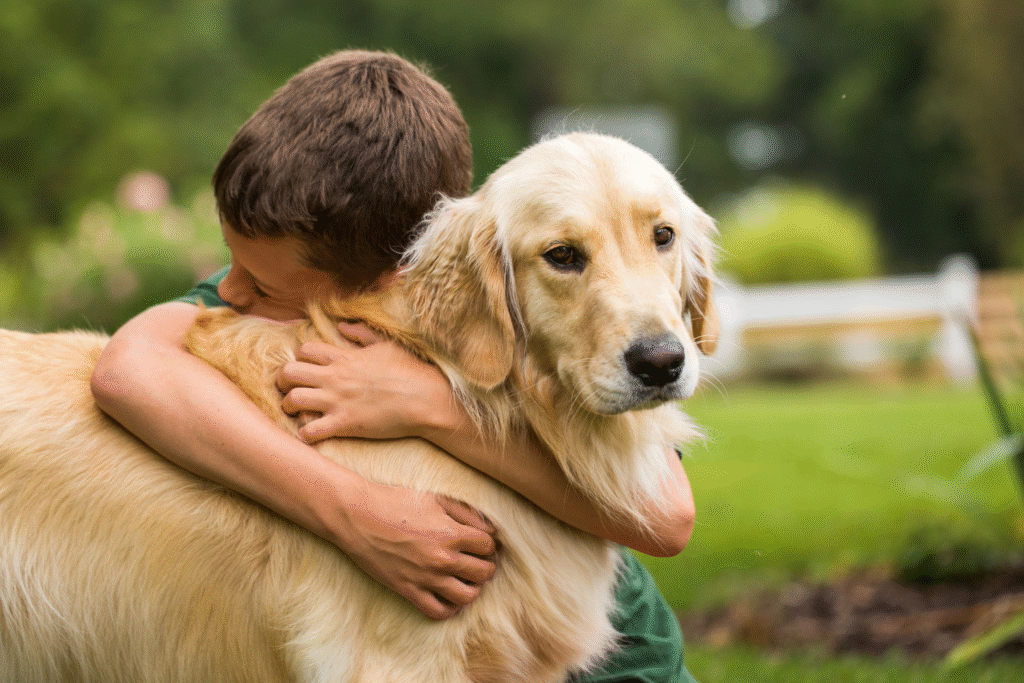
Golden Retrievers often settle their heads on legs or nudge their bodies into open spaces on couches. Their cooperative temperament encourages constant contact, especially after activity. They seek warmth and familiarity, often staying pressed against their humans for long stretches.
Even younger Goldens show this behavior early, choosing physical reassurance over independence. Their soft coats and gentle weight make the closeness feel comforting. They bond quickly and rarely resist extended touch, creating steady routines that center around evening cuddles or quiet moments at home.
5. Shih Tzus rely on closeness to feel grounded.

Shih Tzus have a long history as palace companions, and they hold onto that instinct. They prefer physical proximity, often resting their heads on arms or curling into the smallest possible space beside their humans. Their calm energy makes them easy to hold for long periods.
They also respond strongly to familiar scents, making cuddling a source of comfort during noisy or unpredictable moments. Their need for closeness intensifies when their humans slow down, creating consistent bonding windows. Many settle quickly into laps and rarely shift once comfortable.
6. Bichon Frises seek reassurance through touch and warmth.

Bichons have a playful reputation, but their resting behavior shows how much they value connection. They instinctively lean into hands, arms or legs when tired. Their soft coats and lightweight bodies make them easy to cradle, and they tend to stay still once they find warmth.
Their affection grows stronger with routine. When evenings arrive, many Bichons hop beside their humans and curl their bodies around them for comfort. The familiarity of daily touch helps regulate their energy and keeps them bonded to the people they trust most.
7. Greyhounds develop surprising affection once they feel safe.

Despite their athletic reputation, Greyhounds are calm indoors and enjoy physical closeness. Many rest their long heads on laps or lean into people with quiet intensity. They treat touch as reassurance, especially after activity or travel.
Their thin coats make them sensitive to temperature changes, so they naturally seek body warmth. When they find a calm home, they match their breathing to the person beside them. The closeness becomes part of their adjustment process, creating a soft and steady bond over time.
8. Havanese dogs settle quickly into quiet cuddling.
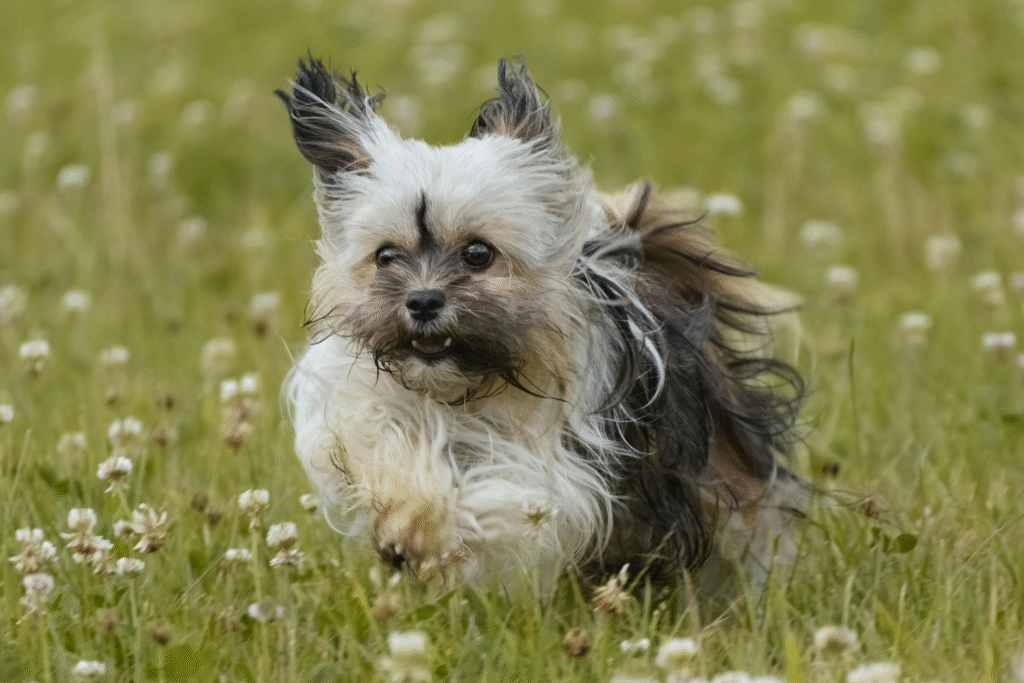
Havanese were bred to stay near people, and that instinct remains clear in modern homes. They drift toward warmth whenever their humans sit down, often curling their sides into legs or resting their heads on arms.
Their playful daytime energy shifts into gentle closeness during evenings, when they look for soft places to rest. They rarely resist being held and often press their paws or noses into their humans to maintain connection. Their small size makes extended cuddling feel natural.
9. Boxers show gentle affection during calm moments indoors.

Boxers have a strong physical presence, but when the pace slows they become surprisingly tender. They sit close, lean heavily or rest their broad heads on laps. Their expressive eyes and slow breathing make the moments feel deliberate.
Even young Boxers show this instinct when they feel safe. They relax fully against familiar people, using contact to regulate excitement. Many owners describe their steady weight as calming, creating shared rest after active play.
10. Cocker Spaniels form emotional bonds through steady closeness.
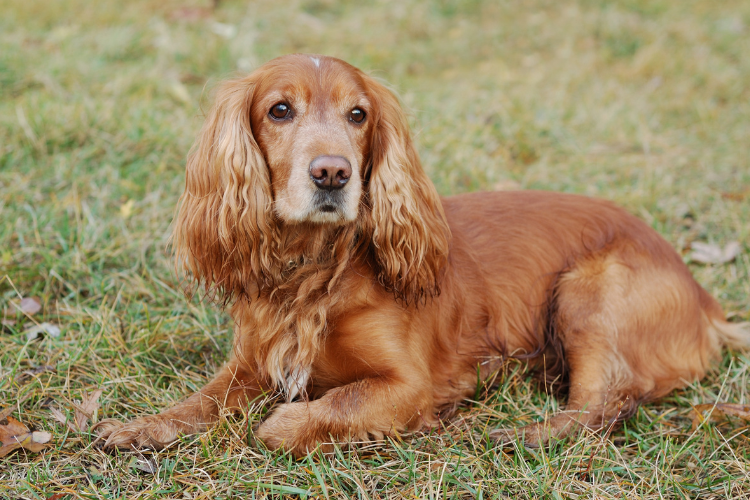
Cocker Spaniels often climb into laps or lie across legs without hesitation. Their history as hunting companions shaped an instinct to stay near familiar humans. Even in busy homes, they look for opportunities to settle against someone they trust.
Their soft coats and gentle weight make the closeness feel soothing. They rest quietly during contact, often curling their bodies to match the shape of the person beside them. Their calming presence turns simple resting into a daily ritual of connection.
11. French Bulldogs relax completely when held by familiar people.

French Bulldogs are known for leaning their compact bodies into whoever sits nearest. They crave warmth, and their calm indoor energy makes them naturally drawn to laps, blankets and soft spaces. Many tuck their heads under arms or into chests when they want reassurance.
They also thrive on predictable routines. When evenings arrive or mornings slow down, they settle quickly beside their humans, staying pressed against them for long stretches. Their quiet breathing and stillness creates an easy, comforting closeness that deepens over time.
12. Maltese dogs treat cuddling as a daily ritual of comfort.

Maltese dogs have centuries of history as small companions, and they continue to curl into human warmth with remarkable consistency. They often choose soft arms or legs as resting places, adjusting their tiny bodies to stay close.
They respond quickly to calm voices or gentle touch, relaxing almost instantly. Their size makes them easy to hold, and their trust grows through repeated contact. Once they bond with someone, they often return to that person for quiet closeness every day, turning simple cuddling into a dependable routine.