
Recovery did not begin where anyone expected.
For years after the eruption, Mount St Helens looked finished. Ash covered everything. Heat sterilized the soil. Rain ran off barren slopes without soaking in. Scientists debated whether life could return at all, or whether the landscape had crossed a permanent threshold. Traditional restoration methods failed repeatedly. Then a quiet decision was made, one that seemed almost reckless at the time. No one expected it to work. What followed reshaped how ecologists think about destruction, recovery, and the unlikely forces that can restart a broken system.
1. Scientists initially believed recovery here might take centuries.
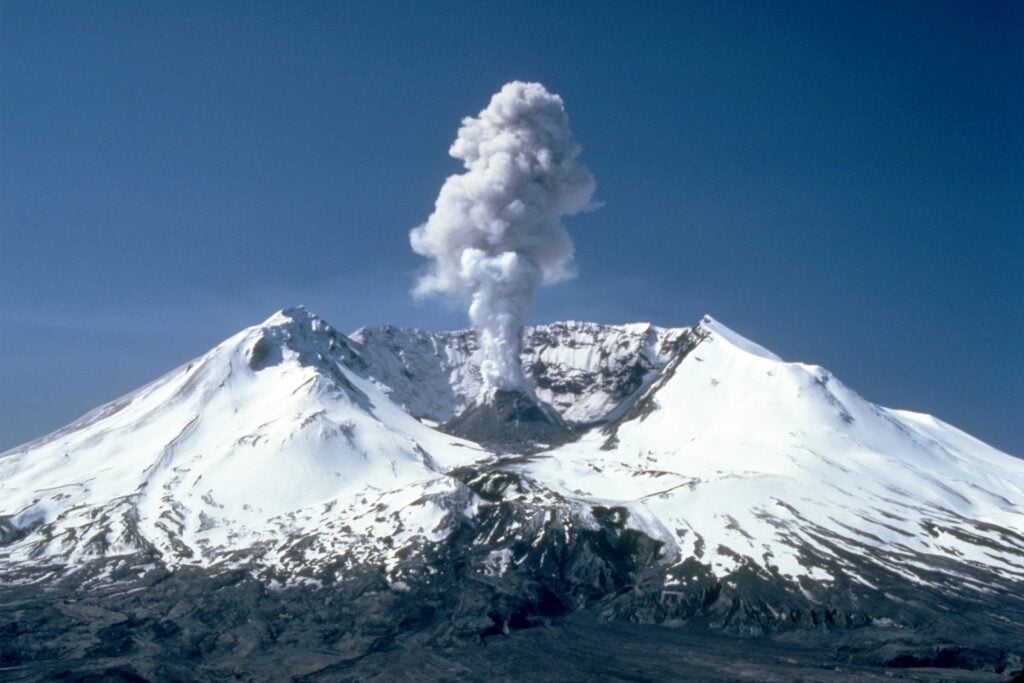
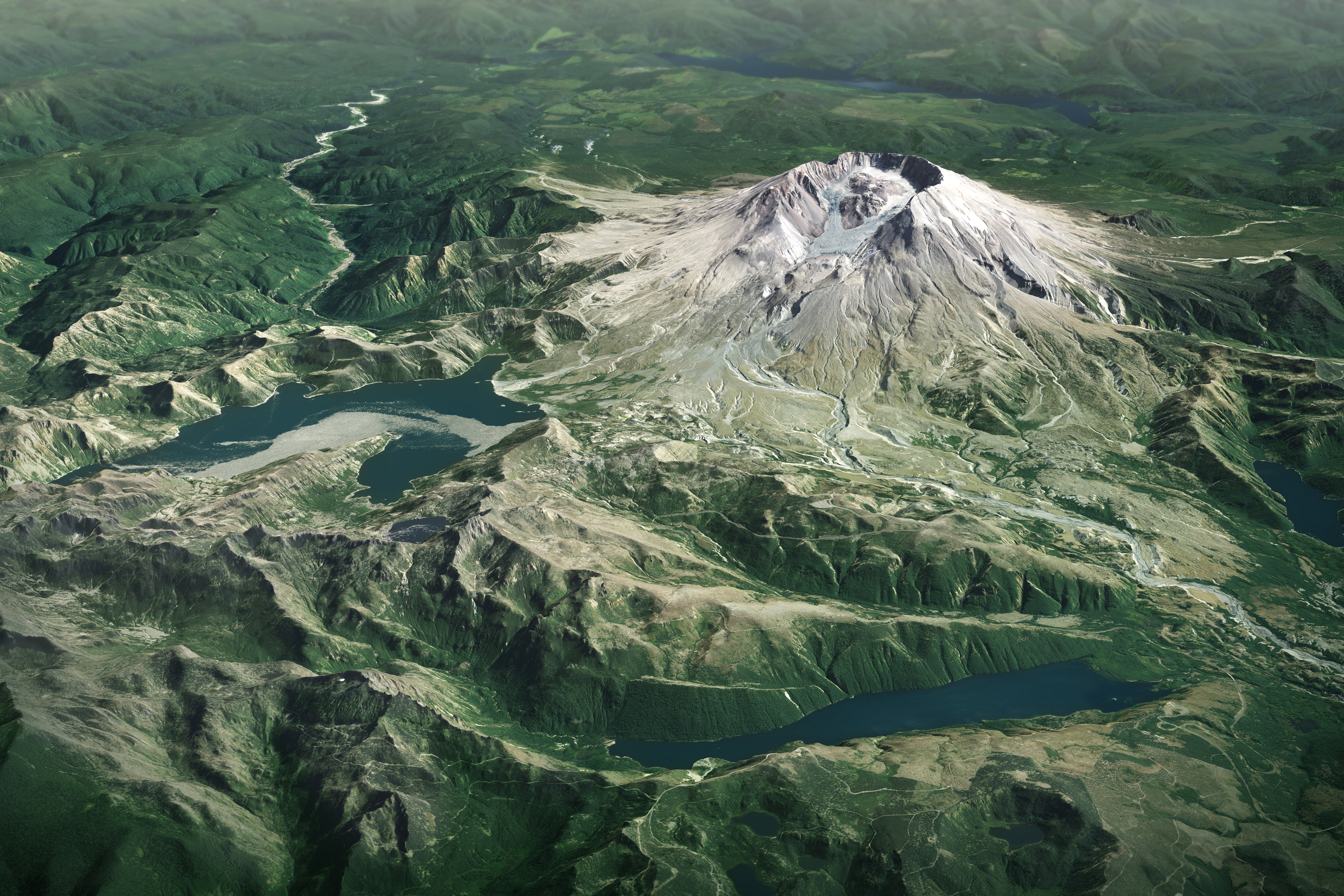
In the early 1980s, the Pumice Plain north of Mount St. Helens looked biologically erased. Thick volcanic deposits sealed the ground. Temperatures fluctuated wildly. Even microbes were scarce. Many ecologists believed meaningful recovery would take hundreds of years, if it happened at all. The landscape appeared frozen in failure, resisting every traditional restoration approach tried elsewhere. Early surveys documented surfaces so sterile they repelled water rather than absorbing it.
That assumption guided early research priorities. Plants were monitored, but little intervention occurred. The idea of introducing animals into such an unstable environment seemed reckless. Funding proposals focused on long term observation rather than action. Yet some researchers began questioning whether something essential was missing from the recovery equation.
2. A small animal forced researchers to reconsider assumptions.
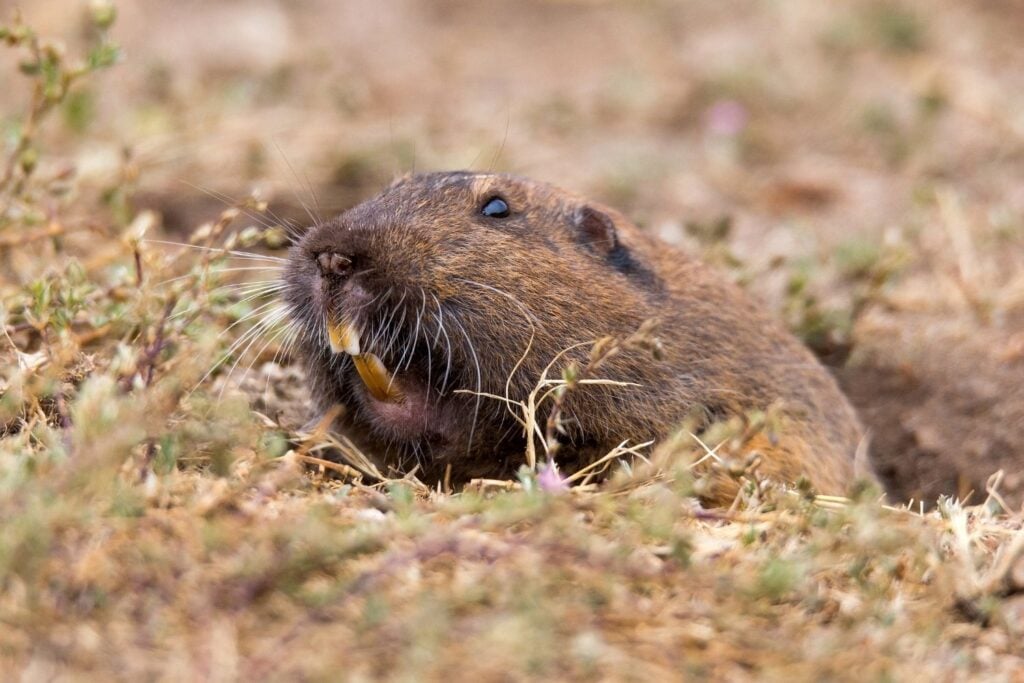
By 1982, teams from the US Forest Service and Oregon State University were reconsidering succession models. Attention turned to animals absent from the blast zone. Northern pocket gophers had vanished completely, leaving soil compacted and lifeless. Their absence stood out as more than incidental. The soil surface hardened into a crust that resisted root penetration.
Researchers led by John Bishop and James Franklin proposed an unusual idea. Instead of waiting for plants to stabilize the soil, animals might initiate recovery themselves. The suggestion challenged decades of ecological theory and raised concerns about unintended consequences. Critics worried the animals would starve or worsen erosion. The proposal nonetheless moved forward as a controlled experiment.
3. Gophers were deliberately moved into devastated terrain.
Between 1983 and 1985, scientists captured northern pocket gophers from nearby undamaged forests. The animals were transported into fenced plots on the Pumice Plain. These enclosures allowed researchers to monitor impact while limiting spread. Adjacent plots were left untouched for comparison. Each plot was carefully mapped and revisited seasonally.
The choice was deliberate. Gophers burrow deeply, mix soil layers, and redistribute nutrients. No fertilizers or seeds were added. The experiment relied entirely on the animals’ natural behavior. Researchers expected subtle change at best. What happened next surprised even the scientists running it.
4. Soil chemistry began changing faster than expected.

Within one growing season, gopher plots showed measurable differences. Nitrogen levels increased. Organic matter accumulated underground. Burrowing broke up compacted pumice, improving water retention. These changes occurred without visible plant growth above ground. Sensors recorded cooler soil temperatures during summer months.
The contrast with control plots was stark. Ungophered areas remained inert and crusted. Researchers realized soil recovery was happening invisibly first. The ground itself was transforming before any green returned. This suggested that biological recovery could begin below sight lines long before ecosystems appear restored.
5. Plant life followed animal disturbance rather than leading.

By the late 1980s, grasses and wildflowers appeared preferentially in gopher plots. Seeds that had failed repeatedly in control areas began germinating where burrowing occurred. Roots followed tunnels downward, accessing moisture unavailable elsewhere. Species diversity increased rather than narrowing.
This pattern reversed conventional succession theory. Plants were responding to animal engineering, not the other way around. The finding reframed how scientists understood post catastrophe recovery. It suggested animals could act as first responders in damaged systems. This insight carried implications far beyond volcanic landscapes.
6. The experiment reshaped ecological restoration strategies worldwide.
As results accumulated through the 1990s, the Mount St. Helens gopher plots became widely cited. Restoration ecologists began reconsidering animal roles in damaged landscapes. Mining sites, fire scars, and degraded grasslands were reevaluated through this lens. Case studies began testing similar interventions elsewhere.
The concept of animals as ecosystem engineers gained traction. Recovery was no longer viewed as a linear march from microbes to trees. Instead, it became a dynamic process driven by disturbance, movement, and biological feedback loops. Restoration planning began accounting for animal absence as a limiting factor.
7. The findings challenged long held conservation instincts.

Traditionally, introducing animals into fragile environments was discouraged. The Mount St. Helens experiment forced a reevaluation. In some cases, absence of animals proved more damaging than their presence. This challenged conservation frameworks built around minimal interference.
This insight complicated restoration ethics. Protecting a landscape sometimes meant reintroducing disruption. The gopher plots demonstrated that stability could emerge from controlled disturbance. Managers began asking when nonintervention caused more harm. The answer was no longer as clear as it once seemed.
8. Long term monitoring revealed lasting structural change.
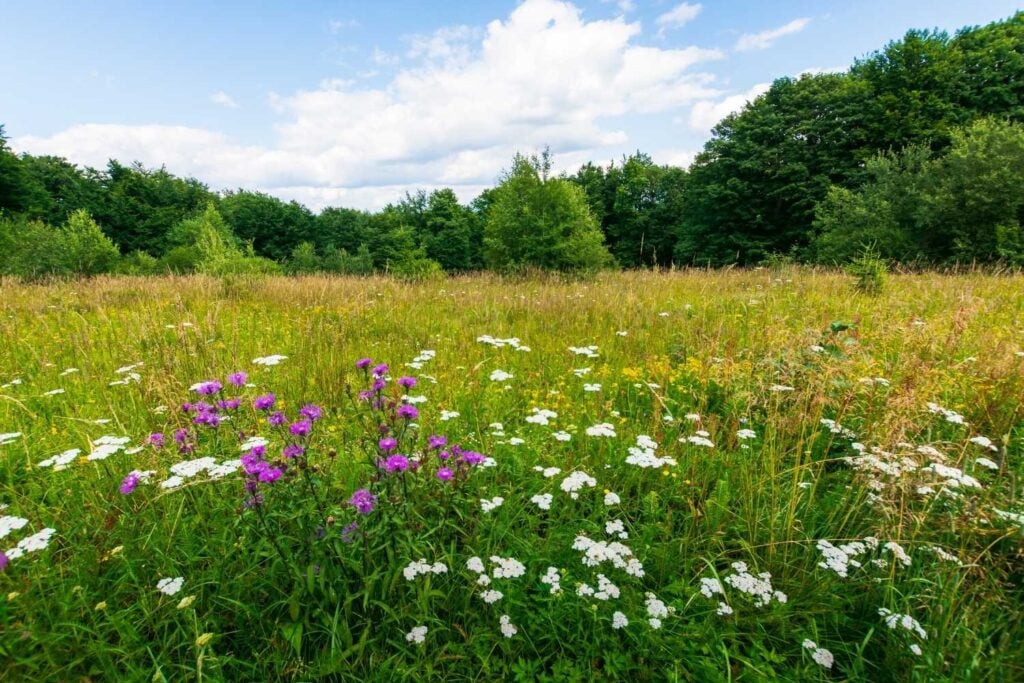
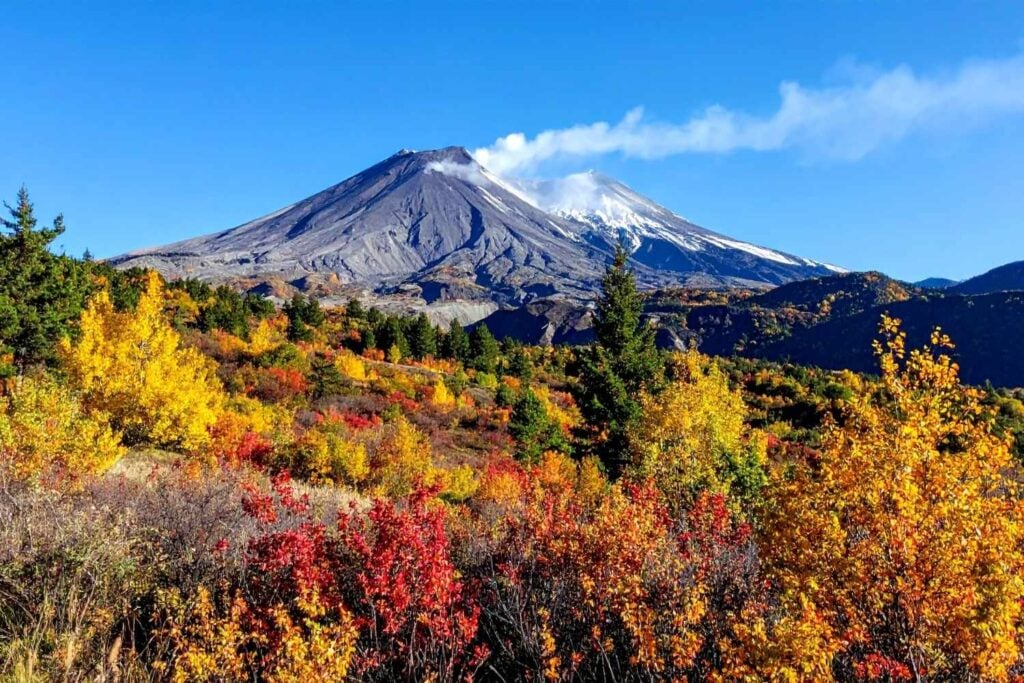
Decades later, former gopher plots remain biologically distinct. Plant diversity is higher. Soil depth is greater. Water infiltration continues to outperform surrounding areas. These differences persist long after fencing was removed. The original disturbance left a measurable footprint.
The landscape remembers the animals that once passed through it. Their brief occupation altered physical processes that still shape recovery today. Nutrient cycling remains more efficient. Root systems penetrate deeper. The experiment’s effects did not fade with time.
9. Mount St. Helens became a living laboratory.
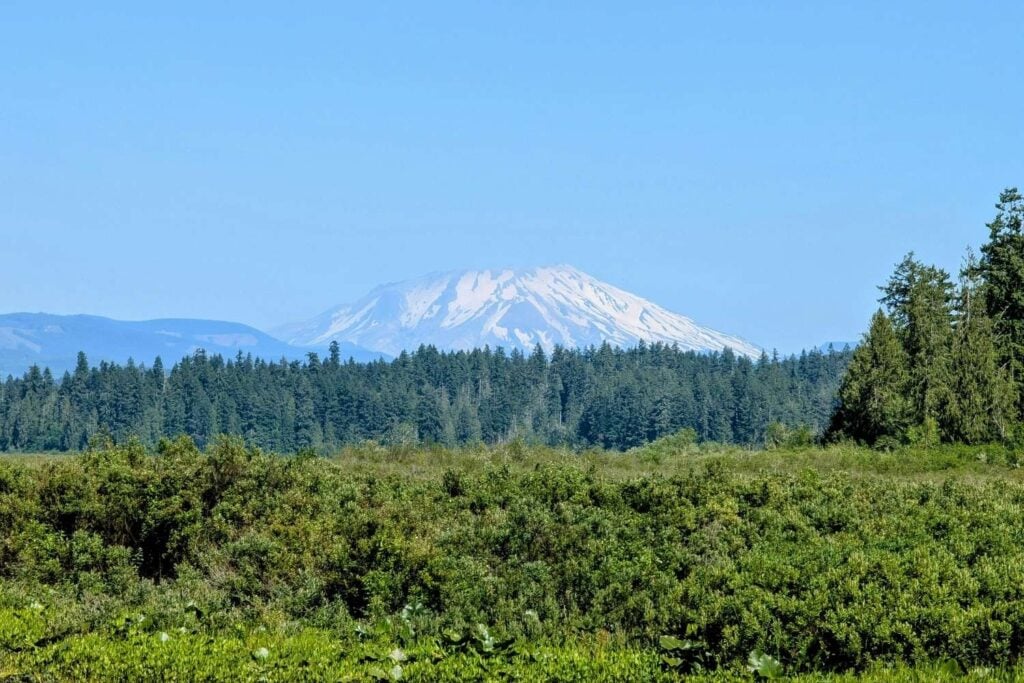
The volcano’s north side transformed into one of the most intensively studied recovery sites on Earth. Researchers from multiple disciplines returned repeatedly, layering new insights onto early findings. Botanists, soil scientists, and wildlife biologists worked side by side.
What began as a risky experiment evolved into foundational science. The gophers were no longer the story alone. They became part of a broader understanding of resilience and adaptation. Mount St. Helens shifted from disaster site to reference ecosystem.
10. A nearly lifeless place rewrote ecological expectations.
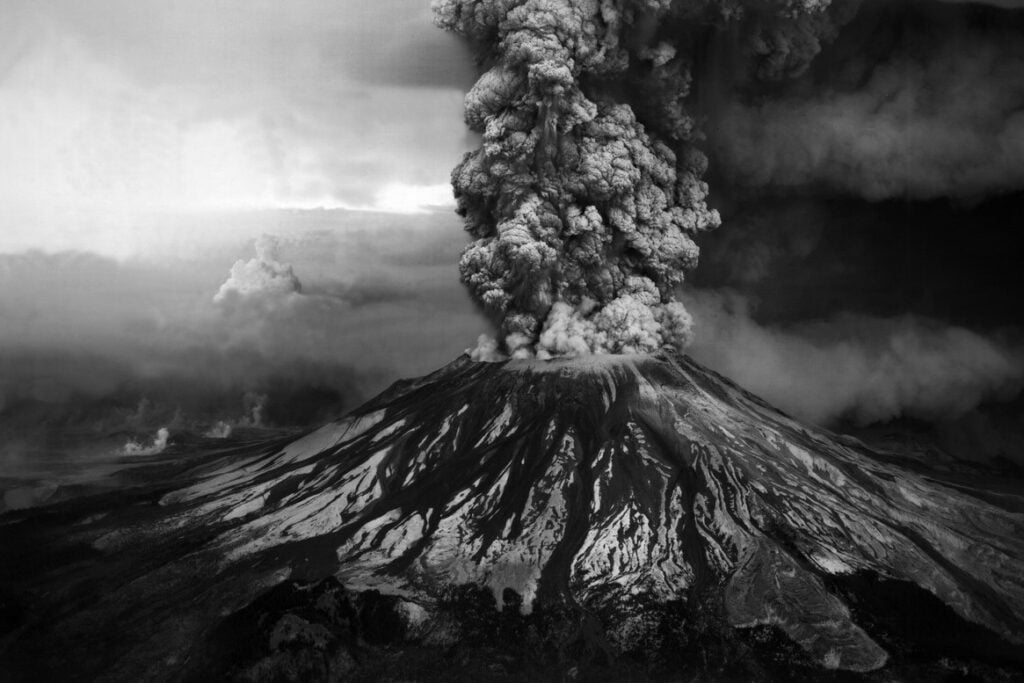
Mount St. Helens was once cited as evidence of irreversible destruction. Today, it stands as proof that recovery can begin in unexpected ways. Not through planting or engineering, but through behavior. The experiment altered how scientists think about agency in nature.
The unlikely intervention revealed that life does not always wait politely for conditions to improve. Sometimes it digs in, reshapes the ground, and forces the future to arrive sooner than expected. That lesson continues to influence restoration science decades later.