
New behaviors emerging as habitats keep shrinking.

Mountain lions have always moved quietly along the edges of human communities, slipping through canyons and wooded hillsides without leaving much trace. Recently though, small shifts in their behavior are starting to show up in unexpected ways. Wildlife biologists warn that shrinking habitat, fragmented migration corridors and declining prey availability are pushing these predators into patterns that reveal growing stress. Many of these signals appear subtle at first, yet together they paint a picture of animals struggling to adapt.
Communities across the West are reporting sightings in places that rarely saw them before. These encounters often reflect ecological pressure rather than boldness. By paying attention to these early signs, people can understand what changing landscapes mean for mountain lions and how those changes ripple into backyards and neighborhoods. The story becomes clearer as each behavior links to the next, revealing a pattern worth watching closely.
1. Reports of daytime movement are becoming more frequent.
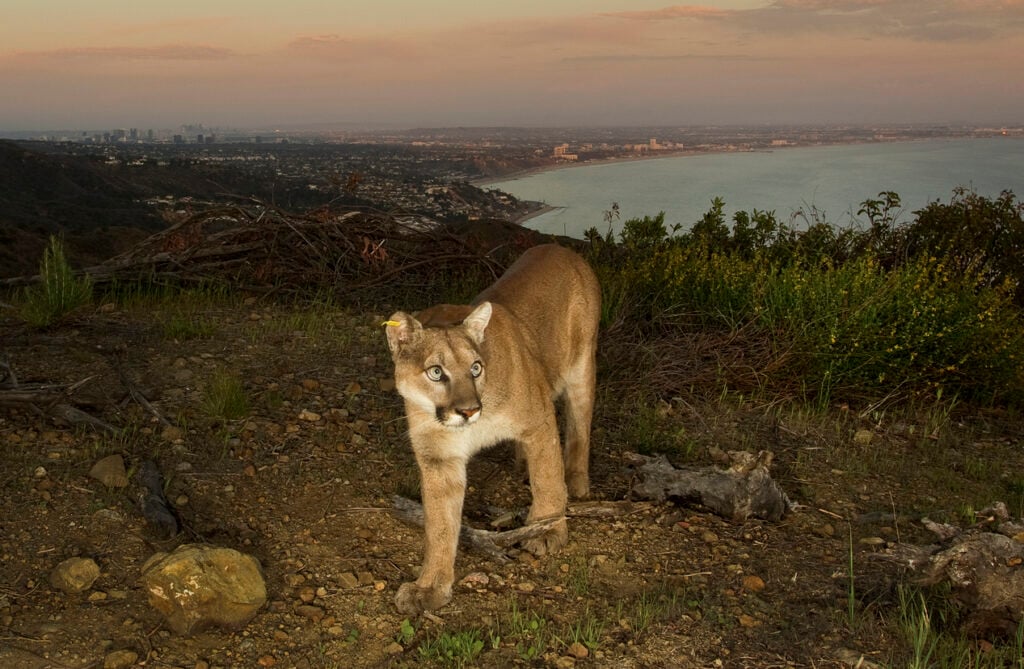
Mountain lions usually stay hidden during daylight hours to conserve energy and avoid detection. When they begin walking through open areas during the day, it often suggests hunger is pushing them to search for food outside their normal schedule. Neighbors may notice them crossing roads, walking along fences or slipping between homes with surprising ease. These moments reflect how dwindling nighttime opportunities are forcing risky adjustments.
As daytime sightings increase, the animals show less choice in when they move. The pressure to find enough prey overrides caution, and each encounter edges them a bit closer to suburban life. This shift sets the stage for more noticeable behaviors that follow as the environment continues to change.
2. Unusual proximity to homes signals rising stress.
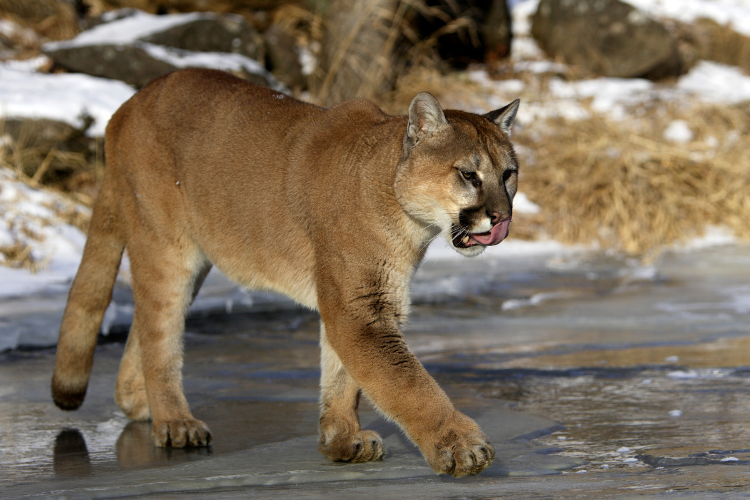
Some homeowners report mountain lions lingering near garages, porches or shrubbery close to windows. These are not typical resting spots for an animal that prefers secrecy. When they settle near structures, it often indicates they are exhausted or seeking pockets of cover in areas with limited natural shelter. The presence feels startling because the quiet confidence of their usual behavior begins to crumble.
Over time these moments create an uneasy pattern as lions learn that suburban edges offer hiding spots unavailable in the wild. The behavior blends into larger movement changes that show just how heavily habitat loss weighs on their survival strategies.
3. Encounters with pets are happening more often.

Cats and small dogs can unfortunately become easy substitutes when natural prey becomes harder to find. A mountain lion that approaches yards or watches pets from a distance is revealing a growing willingness to target accessible animals. The behavior may begin with quiet observation before escalating into bolder attempts when hunger intensifies.
As this pattern emerges, it becomes clear that old boundaries are eroding. The draw of an easy meal pulls lions deeper into neighborhoods, linking their choices to the shrinking terrain they used to rely on. This shift often leads directly into the next sign as they expand their search.
4. Lions are lingering near backyard livestock areas.
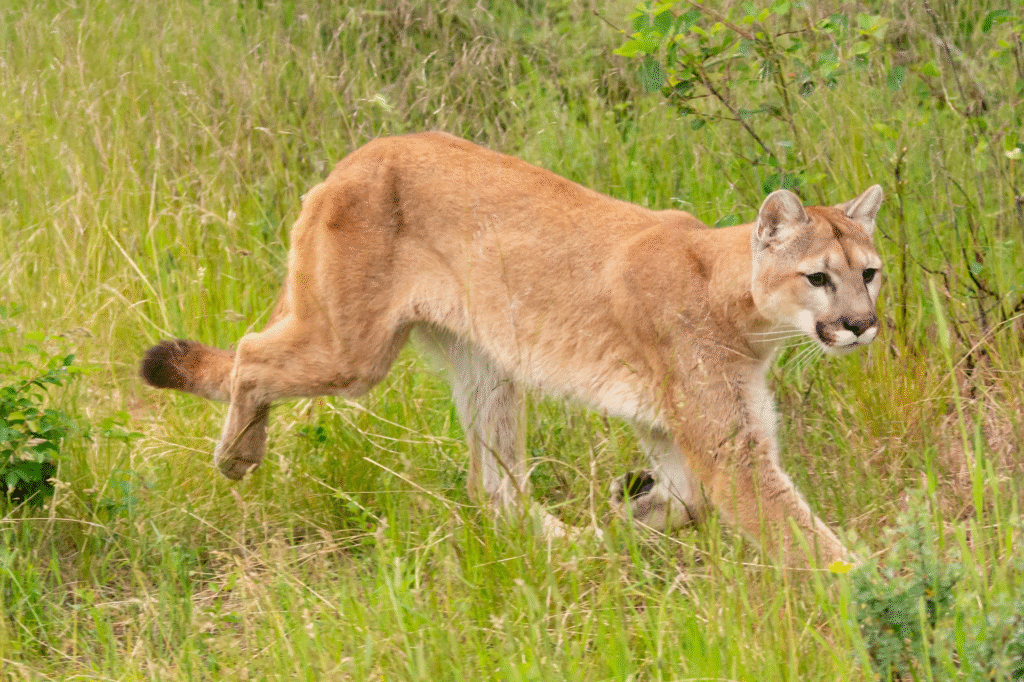
Many suburban homes now keep chickens, goats or other small livestock. Mountain lions view these animals as reliable prey, especially when wild populations of deer or smaller mammals dip. They may circle enclosures, test weak points or return to the same yard repeatedly. The persistence signals a rising dependence on human related food sources.
These repeated visits show how quickly habits can form once a lion discovers a stable food opportunity. The cycle strengthens their presence in the area and increases the likelihood of daytime sightings or close encounters.
5. Frequent travel along neighborhood greenbelts is increasing.
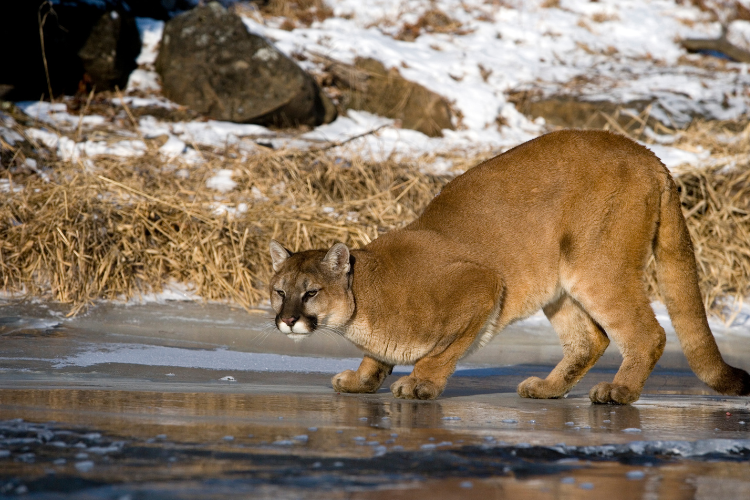
Strips of vegetation, drainage channels and walking paths often serve as makeshift corridors for wildlife. Mountain lions use these pathways when their natural routes are cut off by development. As they travel through these greenbelts more often, residents begin noticing footprints, scat or motion triggered glimpses on security cameras.
With each journey, the lions become more familiar with the layout of human spaces. These passages become part of their internal map, shaping a new movement pattern that connects directly to other suburban behaviors that start to unfold.
6. More bold crossings of busy roads are being documented.
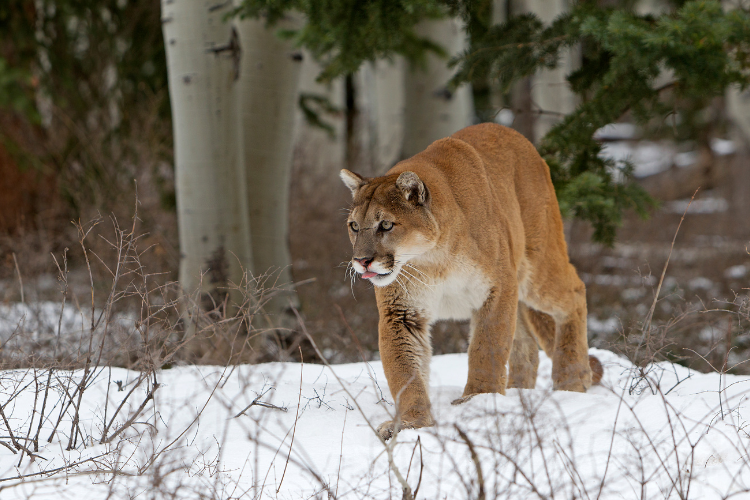
A lion crossing a major road signals desperation more than confidence. These predators normally avoid noisy or exposed areas, but hunger or displacement can push them across traffic corridors at night or during quiet hours. The crossings often end poorly, as vehicle collisions remain a major cause of death for mountain lions in many states.
Each dangerous crossing underscores the challenges they face as their habitat fragments. The need for food or safe passage overrules their instinct to stay hidden, weaving another thread into the larger story of survival under pressure.
7. Tree climbing near houses is occurring more often.

Mountain lions climb when they feel threatened or cornered, but recent reports show them retreating into trees near homes. The behavior often reflects panic or confusion as they navigate unfamiliar environments. Once in a tree, they may remain for hours, unsure when it is safe to descend.
These treed sightings highlight how rapidly stress can escalate. The animal finds itself caught between fear and necessity, and the surrounding neighborhood becomes part of its emotional landscape. This leads naturally into the next sign that desperation is taking root.
8. Increased vocalizations at night signal rising territorial strain.

Mountain lions rarely vocalize near human settlements, yet more reports now describe eerie nighttime calls echoing close to neighborhoods. These sounds can reflect territorial disputes or attempts to locate mates in fragmented ranges. As their territory becomes squeezed, communication grows louder and more frequent.
The calls carry across yards and streets, revealing how deeply suburban development has threaded itself through mountain lion habitat. These vocalizations mark the tension building among animals now forced into closer proximity.
9. Cubs appearing alone near neighborhoods reveal risky pressures.

Young lions found wandering without their mothers often reflect environmental strain. A mother may be searching farther for food, leaving cubs unattended for longer stretches. In rare cases she may be injured, displaced or unable to return. The presence of cubs near fences or parks offers a quiet but powerful sign of instability within the local population.
As these vulnerable animals appear, community members begin seeing the broader impact of habitat disruption. Their presence ties directly into the next major sign of mounting desperation.
10. Scavenging behavior on human waste or remains is rising.
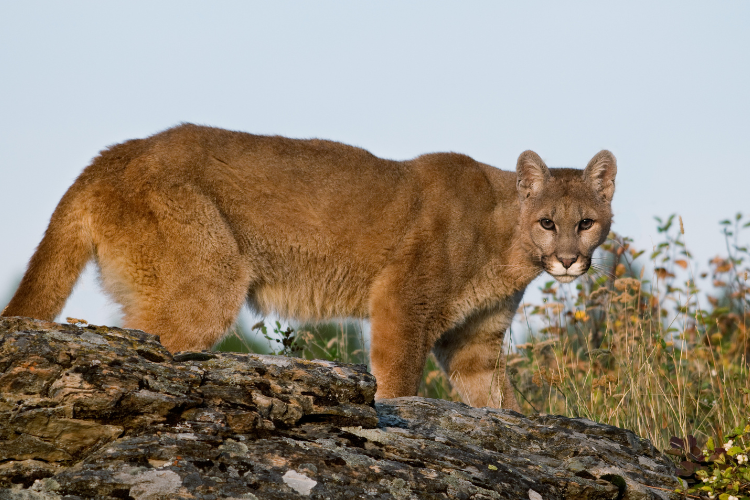
Mountain lions rarely scavenge near neighborhoods, yet some have begun investigating compost piles, garbage areas or even carcasses left by cars or other animals. This shift shows that natural hunting opportunities are thinning. A lion that turns to scavenging is adapting out of necessity rather than choice.
As this behavior continues, the line between wild and suburban life grows thinner. These final choices connect every earlier sign into a story of animals pushed into unfamiliar territory by shrinking landscapes and limited resources. Understanding these signals helps communities prepare and protect both wildlife and people as the balance continues to shift across suburban America.