
A crisis unfolding on America’s open rangelands.
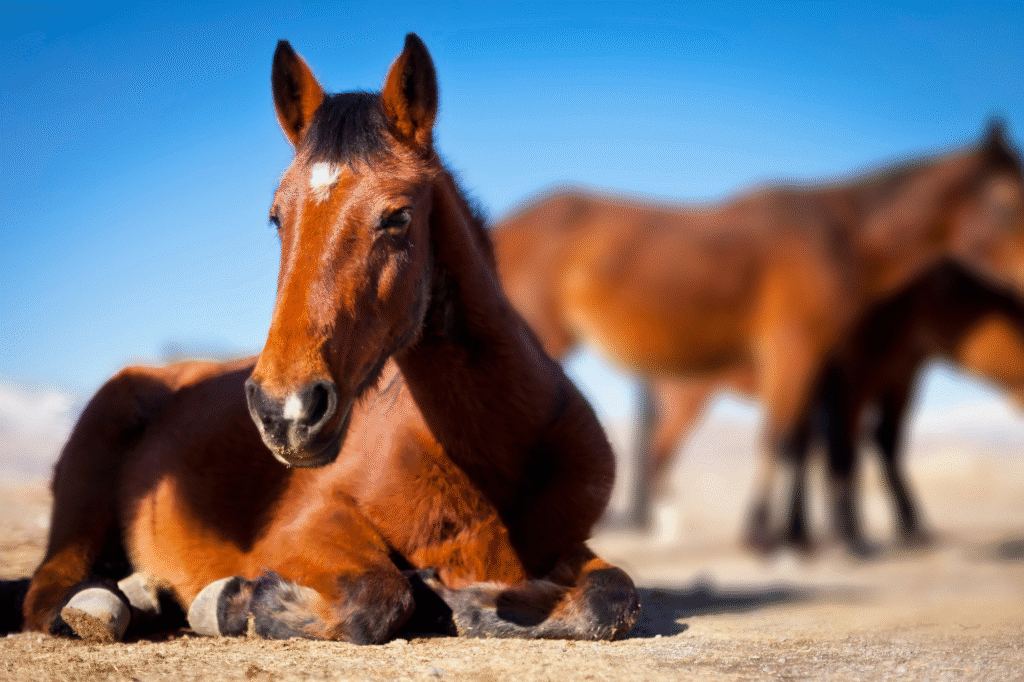
Across Nevada, Wyoming and Colorado, federal roundup crews continue corralling wild mustangs in operations that ignite arguments every season. These horses descend from centuries old Spanish lines, yet their future now depends on policy decisions far from the plains they roam. Advocates, ranchers and scientists describe entirely different versions of the same events. What is clear from the ground is that the roundups are reshaping the landscape, the herds and the public’s understanding of what freedom means for these animals.
1. Helicopter roundups place immense stress on wild herds.
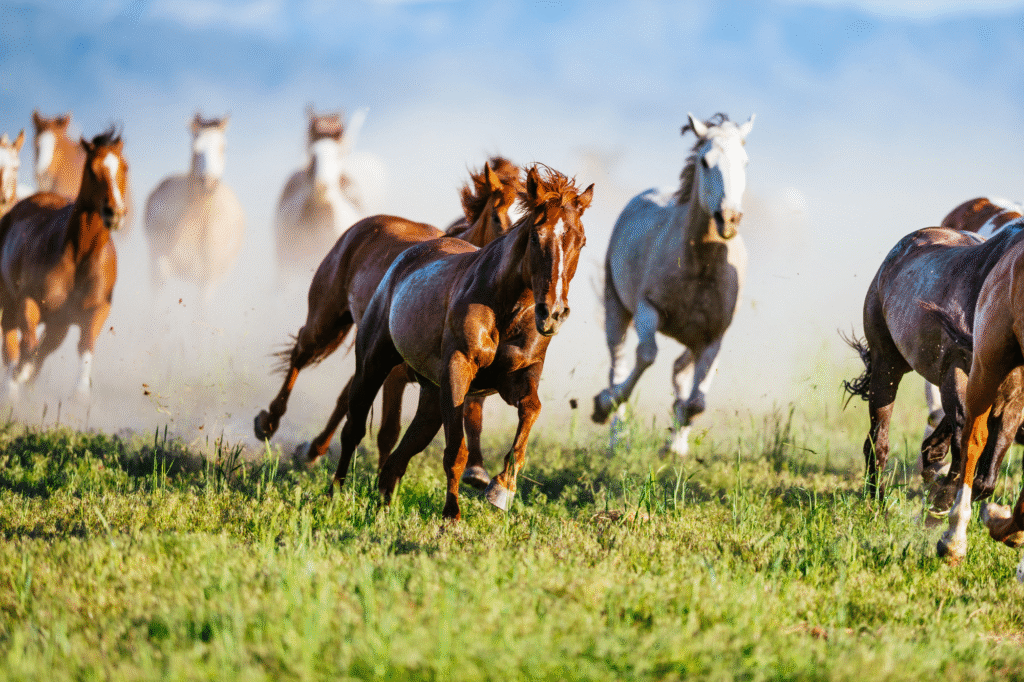
Contracted crews fly low over the desert, pushing mustangs into temporary trap sites with rapid maneuvers that leave the animals panicked. Aerial herding has been widely criticized by equine welfare organizations, as reported by the American Wild Horse Campaign. Horses often run long distances in extreme heat or cold, and their cohesion as a herd fractures under the pressure.
As the stress builds, older horses lag behind, foals struggle to keep pace and stallions lose track of their bands. By the time they reach the pens, many arrive exhausted. The trauma does not end there, as the sudden confinement compounds the fear and disorientation created in the chase.
2. Population estimates often drive decisions without clear accuracy.
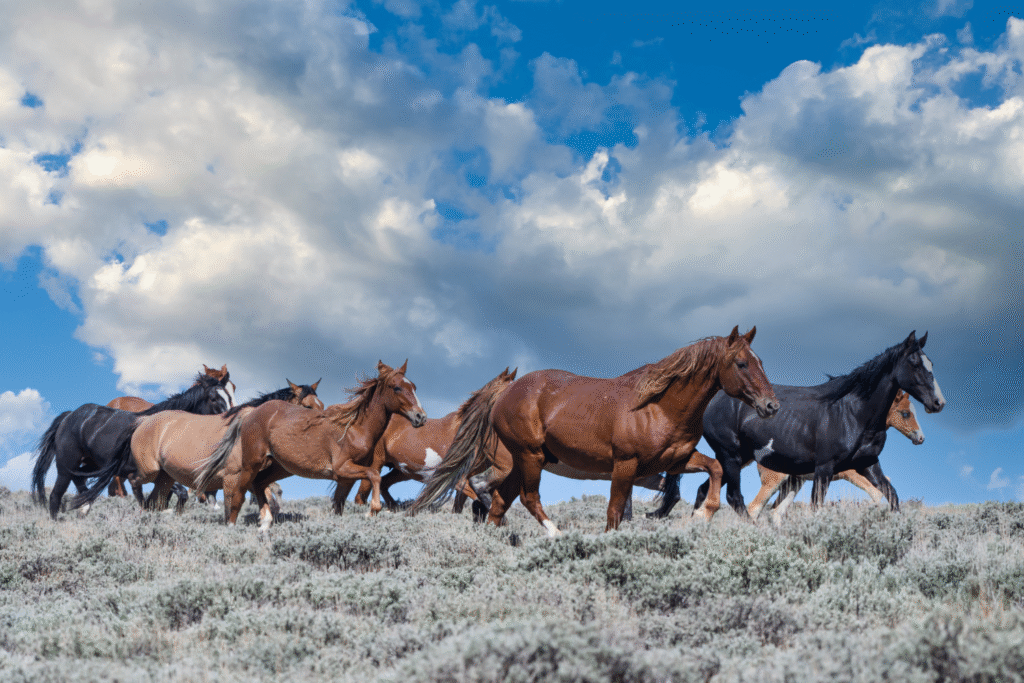
Federal agencies rely on aerial surveys to determine how many horses occupy each herd management area. These counts contain wide margins of error, a concern highlighted in independent analyses according to the National Research Council. When numbers are imprecise, removal targets become equally unstable, shaping management decisions that may not reflect real conditions on the ground.
This disconnect leaves local advocates confused when removals occur in areas where horses appear sparse. Rangers working in the field sometimes describe seeing far fewer animals than official estimates suggest, increasing distrust between communities and agencies.
3. Holding facilities across the region are reaching capacity.
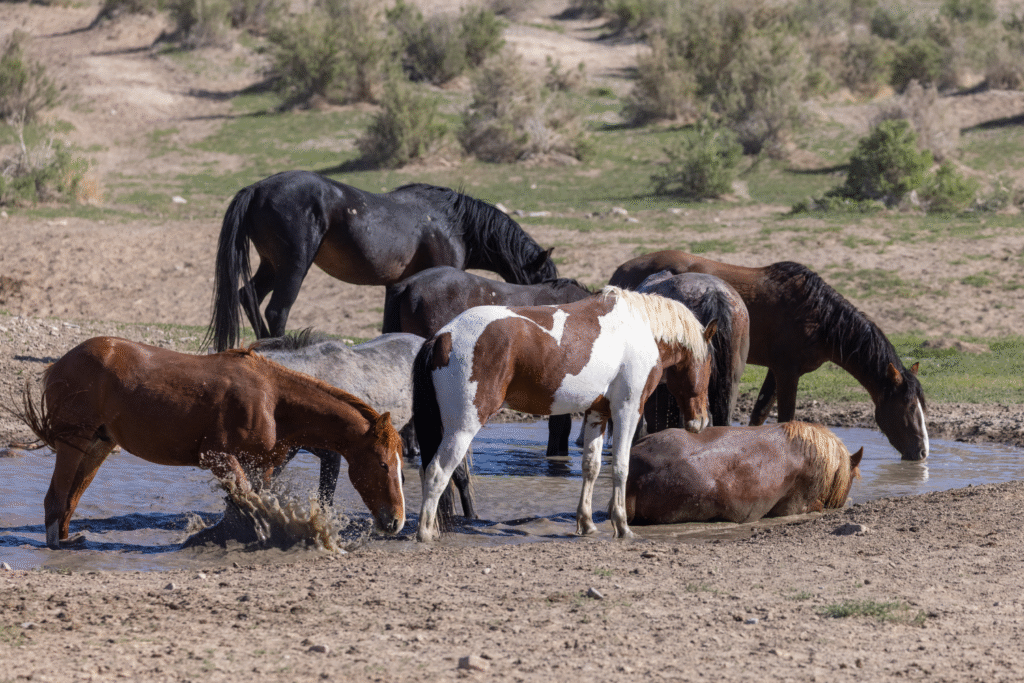
After roundups, mustangs are shipped to government funded holding centers in states like Oklahoma, Kansas and Colorado. Investigations into these facilities described overcrowding and rising disease risks, as stated by the Government Accountability Office. The animals often remain in long term holding for years, far removed from the open prairie environment they evolved to navigate.
As numbers climb, the cost of feeding and housing these horses grows dramatically. With adoption rates lagging, many animals spend their entire lives in confinement, creating a cycle that becomes increasingly difficult for the system to sustain.
4. Competition for grazing land fuels deep tension.
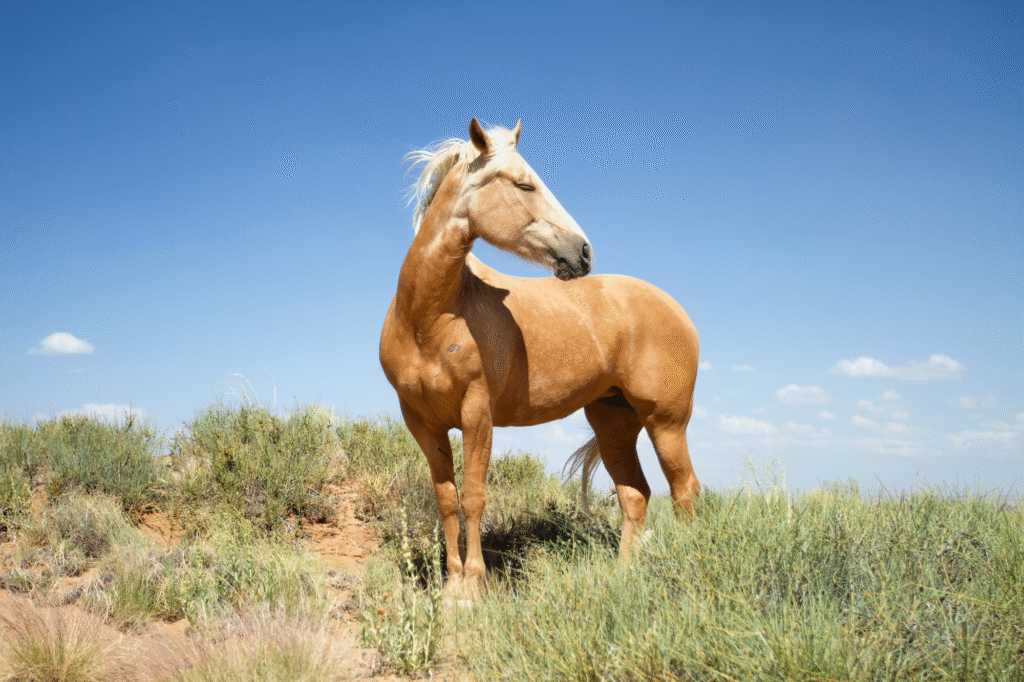
Ranching operations across the West rely on federal grazing allotments for livestock, and mustangs occupy some of the same territories. Conflicts arise when forage becomes scarce, especially during drought cycles. Ranchers argue that unmanaged horse numbers strain the land, while advocates point out that cattle outnumber mustangs by a wide margin.
These competing narratives make compromise difficult. Each dry season intensifies the pressure, leaving the horses caught between political forces that rarely agree on long term solutions.
5. Genetic diversity declines as herds shrink rapidly.
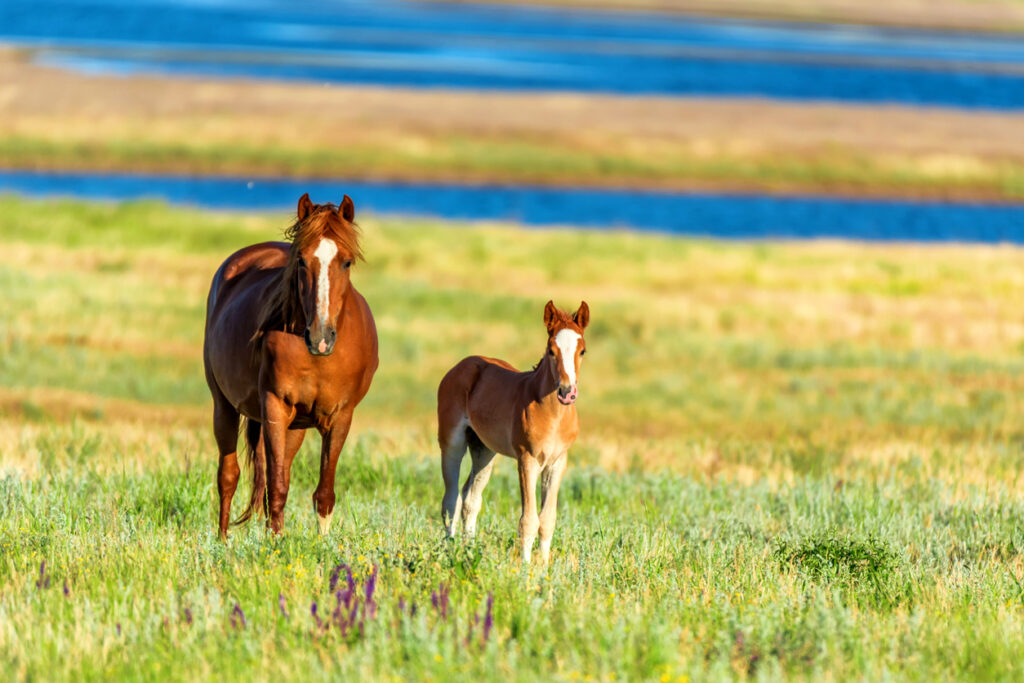
When roundups remove large portions of a herd, the remaining population loses genetic variability. Scientists warn that this reduction increases the risk of inbreeding and weakens resilience to disease or climate changes. Smaller herds produce fewer foals, narrowing the genetic pool even further.
Over generations, this erosion compromises the survival potential of iconic bloodlines. The herds lose traits that once allowed them to navigate harsh terrain, withstand weather extremes and maintain stability in isolated regions.
6. Family structures collapse the moment roundups begin.
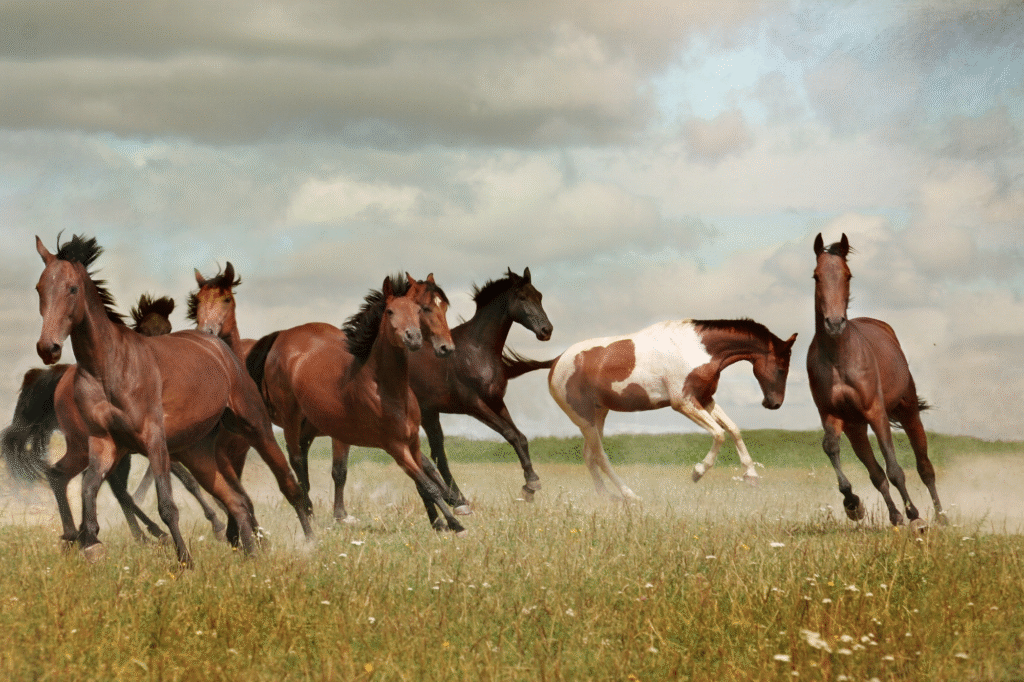
Mustangs form tight bonds built around stallions, mares and foals. Helicopter pressure scatters these groups, breaking lines of communication they have relied on for years. Once separated, many never reunite.
Inside holding pens, these connections dissolve completely. Horses accustomed to freedom now find themselves in crowded enclosures with unfamiliar individuals. The psychological shock is immediate, and the loss of family units changes herd dynamics long after the roundup ends.
7. Adoption programs cannot match the number of removals.
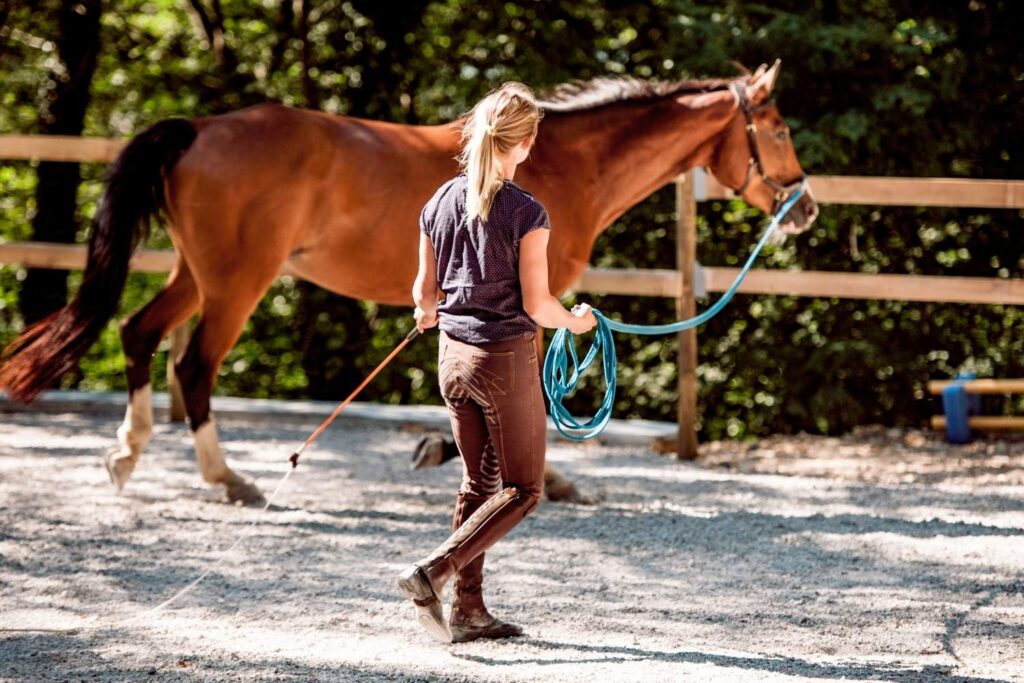
Although many families adopt mustangs each year, the volume of captured horses far exceeds available homes. Training barriers and limited outreach keep adoption numbers low. As a result, thousands remain in long term holding facilities indefinitely.
Even successful adopters describe the steep learning curve required to work with wild born horses. Many others hesitate to take on the challenge, leaving a backlog that grows with every new roundup.
8. Gelding and fertility control reshape the future of herds.
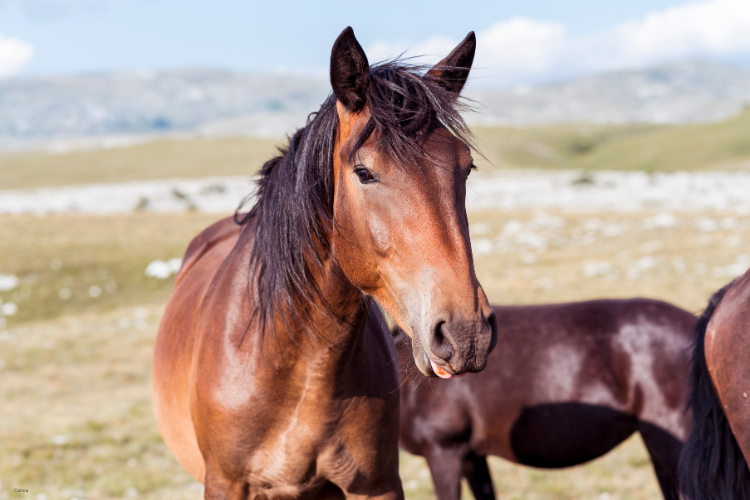
Agencies increasingly rely on gelding and fertility drugs to curb reproduction. While these measures reduce population growth, they also disrupt natural behaviors. Stallions lose the instinct to form bands, and mares cycle irregularly when treated.
Over time, herds behave less like wild populations and more like managed livestock. The traits that once defined mustangs, from roaming patterns to breeding rituals, begin to blur under these interventions.
9. Drought intensifies every conflict surrounding the mustangs.
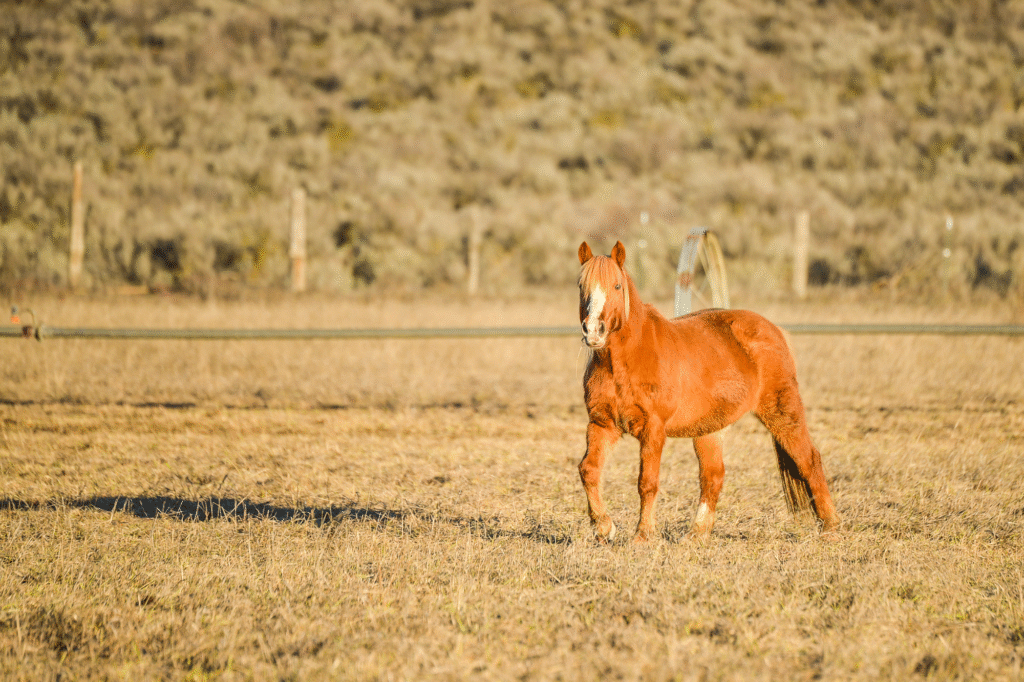
Western drought cycles reduce forage and water availability across millions of acres. Horses, livestock and wildlife all feel the impact. When resources tighten, pressure to remove mustangs increases sharply as land managers try to stabilize fragile ecosystems.
The drought adds urgency but also confusion. Some areas recover slowly, while others remain depleted for years. Without careful monitoring, decisions made during crisis conditions may permanently alter the balance of wild horse populations.
10. Public opinion grows louder as transparency declines.

As operations escalate, many citizens feel shut out of the process. restricted viewing areas, sudden schedule changes and limited communication deepen mistrust. Advocacy groups document these patterns and share them widely, drawing more national attention to the issue.
This friction between the public and land managers shapes the narrative as much as the roundups themselves. Without open dialogue, the future of the mustangs becomes harder to envision, leaving the animals caught in a system few fully understand.