
Ancient nations shaped this land in remarkable ways.
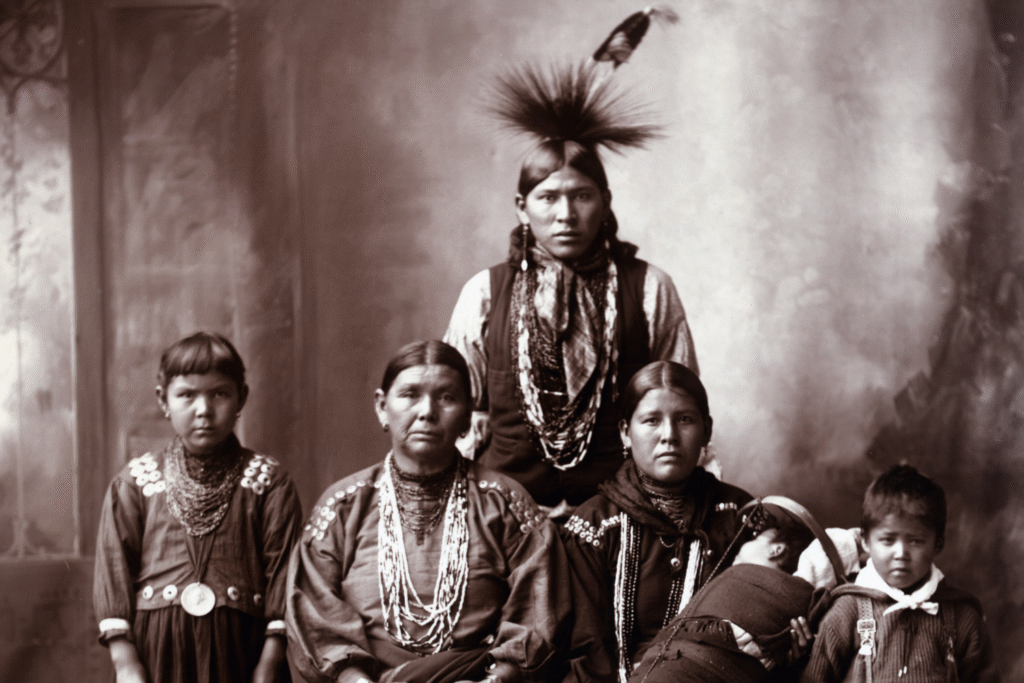
Long before colonization, North America had more than 500 Native nations that built cities, navigated oceans, governed through layered political systems, and moved across landscapes with a kind of understanding shaped by centuries of lived experience. These were not scattered groups, they were civilizations with territory, identity, and purpose, each contributing something distinct to the continent’s cultural map.
When you hear their stories, they feel less like distant history and more like something still humming beneath the land, because many of these nations remain deeply connected to the regions they shaped. Out of this vast tapestry, the following nations offer a clear glimpse into the strength and complexity that defined precolonial North America.
1. The Cahokia builders created a surprising urban center.
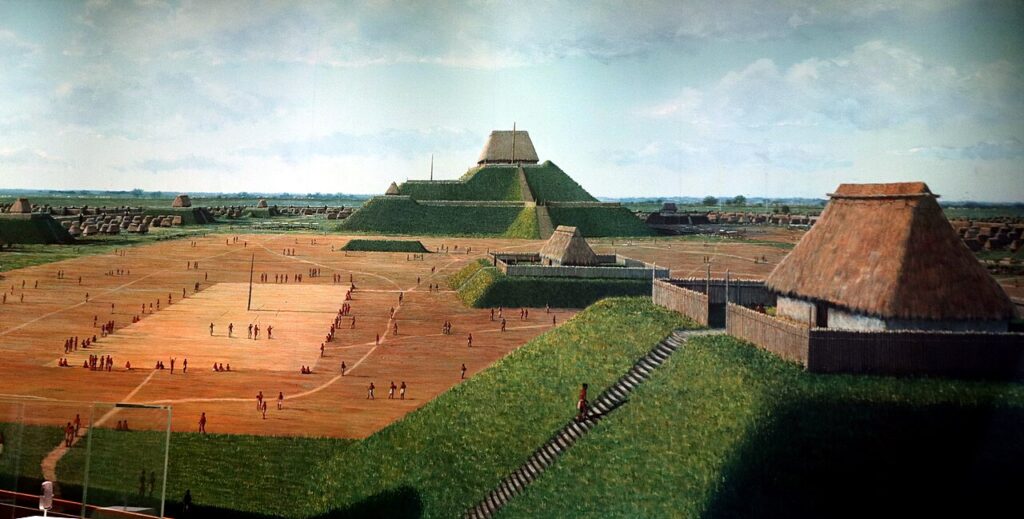
Cahokia rose near present day St. Louis in what is now Illinois, centered along the Mississippi River. The city pulsed with activity, from farming communities to ceremonial plazas to trade networks that stretched in every direction.
The earthen mounds they built still tower above the landscape, reminding everyone of the scale and vision behind this ancient city. It was one of the most complex urban centers ever created north of Mexico, and its influence spread across the Midwest in ways still studied today.
2. The Haudenosaunee Confederacy united diverse nations peacefully.
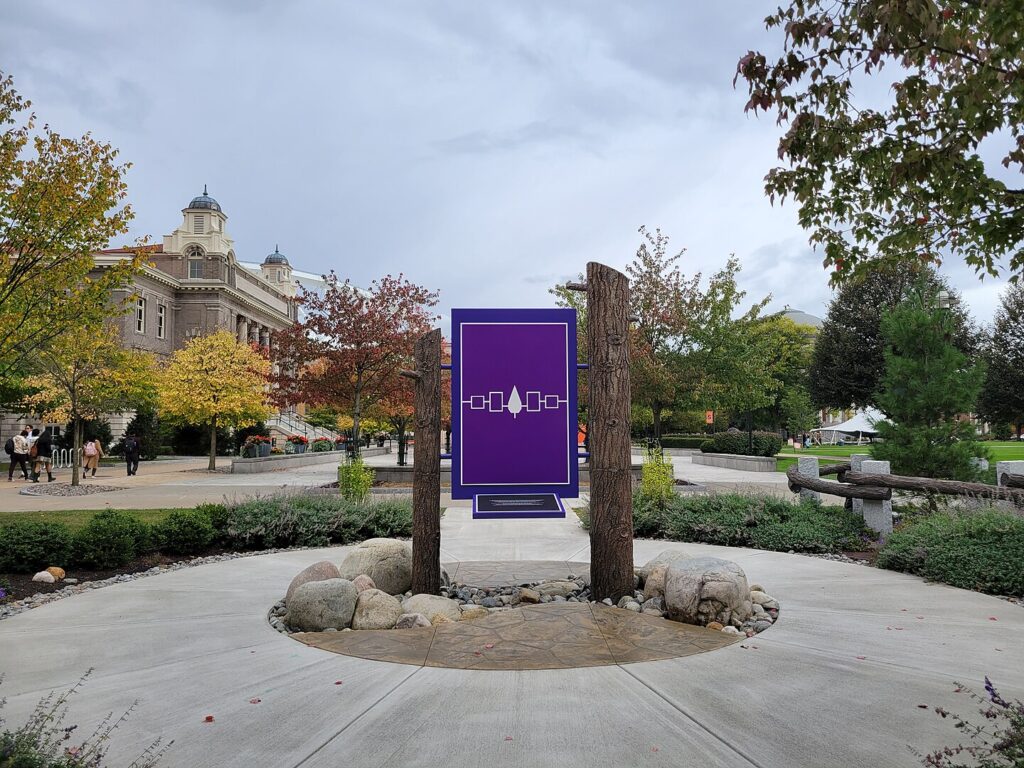
The Haudenosaunee Confederacy formed its powerful alliance in what is now New York, stretching into parts of Pennsylvania and the Great Lakes region. They built a political system grounded in the Great Law of Peace, creating a structure that balanced the voices of multiple nations.
Their councils brought people together to talk through conflict rather than escalate it, which gave them remarkable stability. Their influence stretched across the Northeast, and you can still feel that presence today in the lands where their communities continue to thrive.
3. The Ancestral Puebloans mastered desert living through innovation.
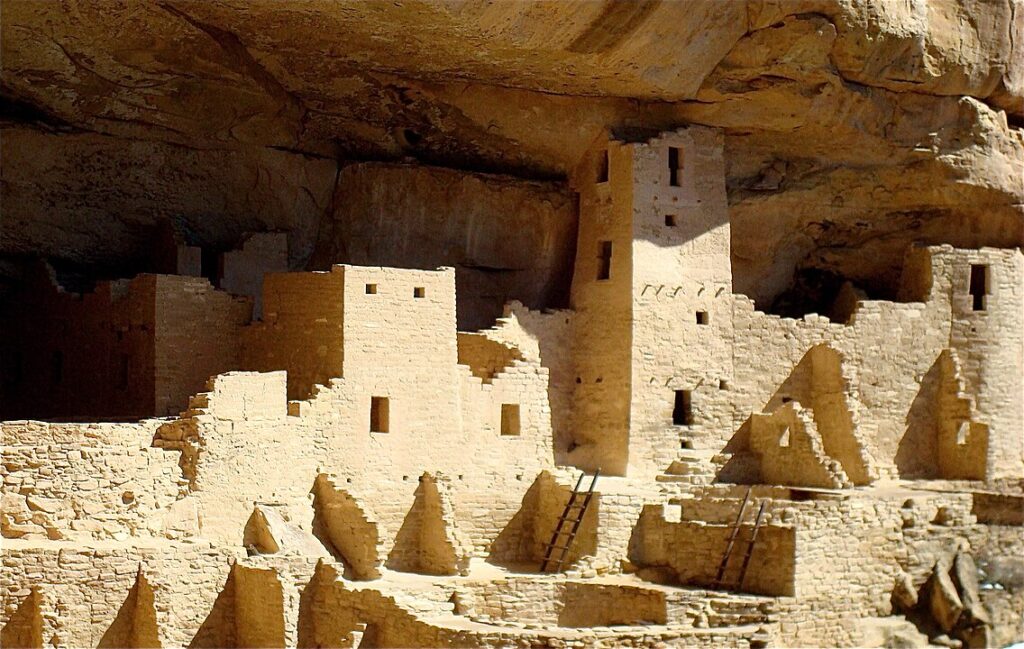
The Ancestral Puebloans lived in the Four Corners region, where Utah, Colorado, Arizona, and New Mexico meet. They built stone dwellings, carved homes into cliffs, and created irrigation systems to support life in the desert.
Their architecture blended seamlessly with the land, and their understanding of their environment was both practical and deeply meaningful. Their communities evolved over centuries, and remnants of their world still stand across the Southwest as a testament to their ingenuity.
4. The Powhatan people created strong regional alliances.
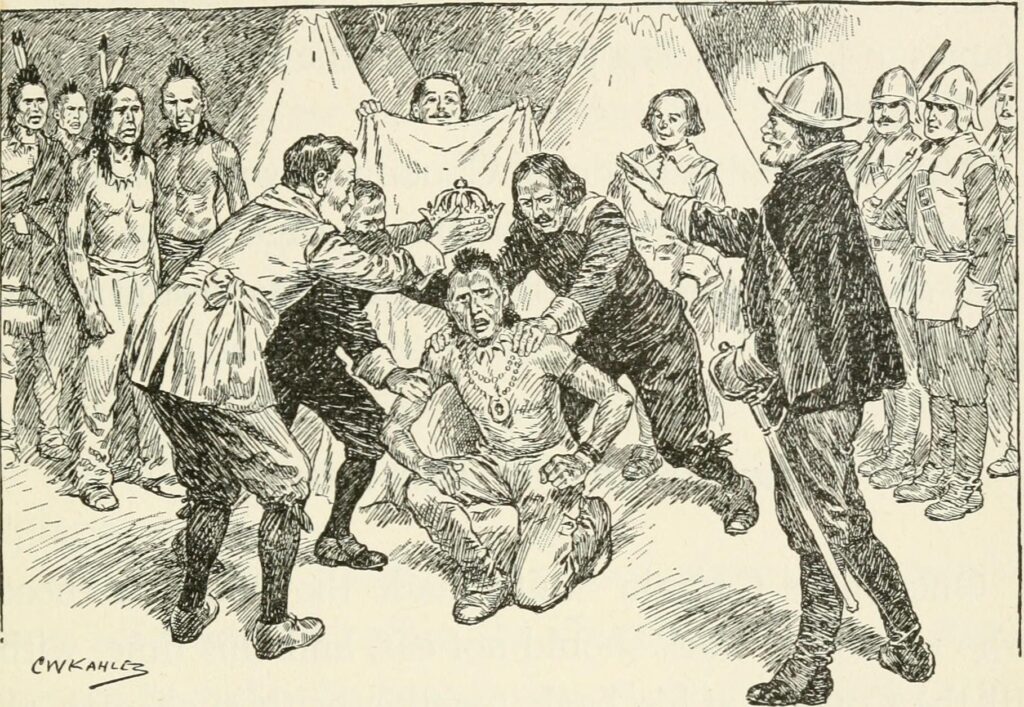
The Powhatan Confederacy thrived along the coastal plains of what is now Virginia, shaping the region with a network of allied towns led by powerful chiefs. Their territory stretched from the Chesapeake Bay inland, where woodlands, rivers, and marshes supported fishing, farming, and trade. Dozens of communities came together under this confederacy, creating a system built on cooperation, shared resources, and strategic leadership.
Their influence held the region together long before colonization disrupted its balance. The Powhatan people left a legacy rooted in resilience and connection to the land that still resonates across Virginia today.
5. The Navajo Nation developed a complex spiritual and cultural identity.
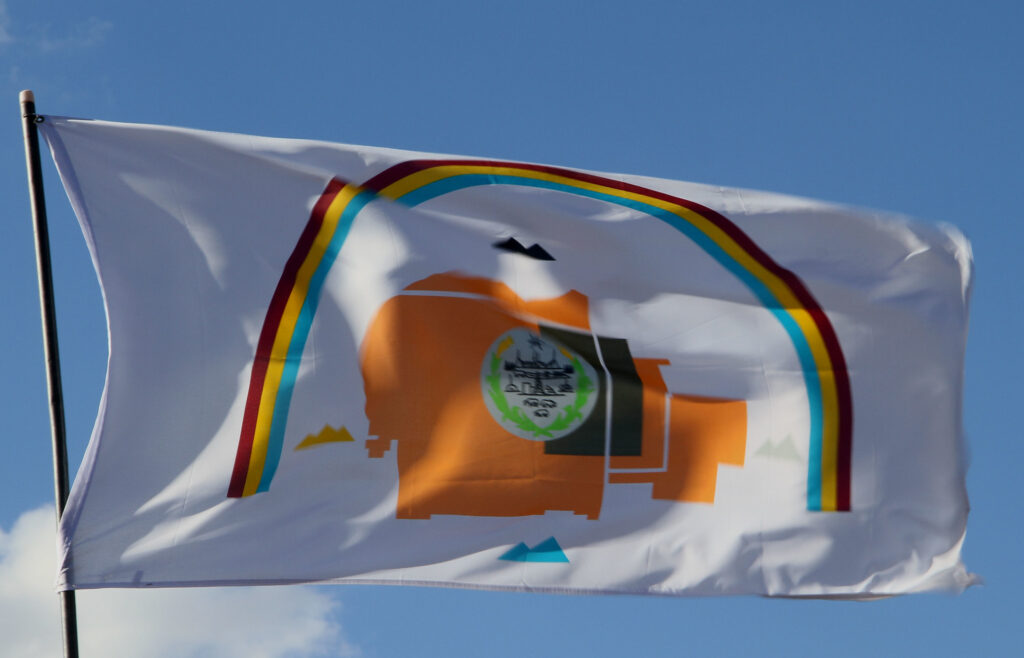
The Navajo, or Diné, lived across the vast desert and canyon landscapes of what is now Arizona, New Mexico, Colorado, and Utah. Navajo communities built a way of life rooted in balance, kinship, and an intimate connection to their surrounding landscape. Their traditions, including weaving, herding, and ceremonial practices, shaped a cultural identity that adapted to environmental changes while preserving spiritual foundations.
Their migration across different regions contributed to a flexible lifestyle supported by deep ecological knowledge. Storytelling and craftsmanship reinforced values that guided families and communities through times of both stability and challenge. Their resilience and intricate cultural framework help explain how they maintained continuity across centuries, becoming one of the most recognizable and enduring Indigenous nations today.
6. The Cherokee Nation built a powerful presence in the Southeast.
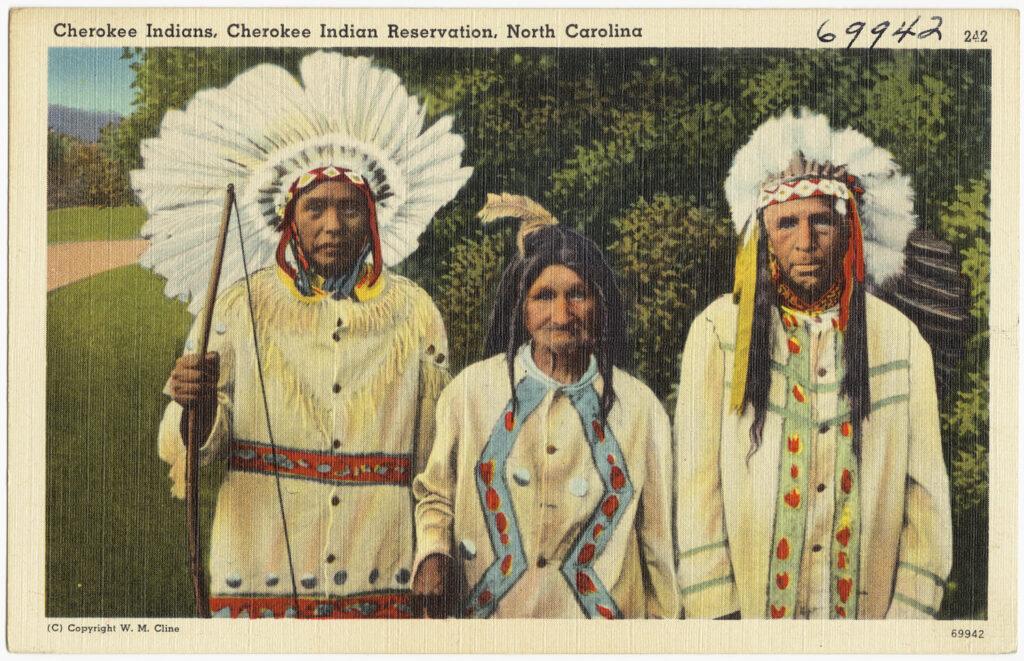
The Cherokee lived in the southeastern United States, in areas that are now Georgia, Tennessee, North Carolina, South Carolina, and Alabama. The Cherokee developed thriving towns supported by agriculture, trade, and governance that blended tradition with evolving strategies. Their communities used fertile land to grow crops that sustained large populations, while skilled diplomacy helped them interact with neighboring groups.
Town councils and established leadership practices created structure and unity across dispersed settlements. Their cultural and political systems demonstrate a long history of adaptation and strength. Ceremonies, kinship ties, and shared responsibilities enriched their social life and reinforced community identity. Their presence in the Southeast offered a model of how innovation and tradition could exist side by side in a thriving society.
7. The Comanche people commanded the Southern Plains with skill.
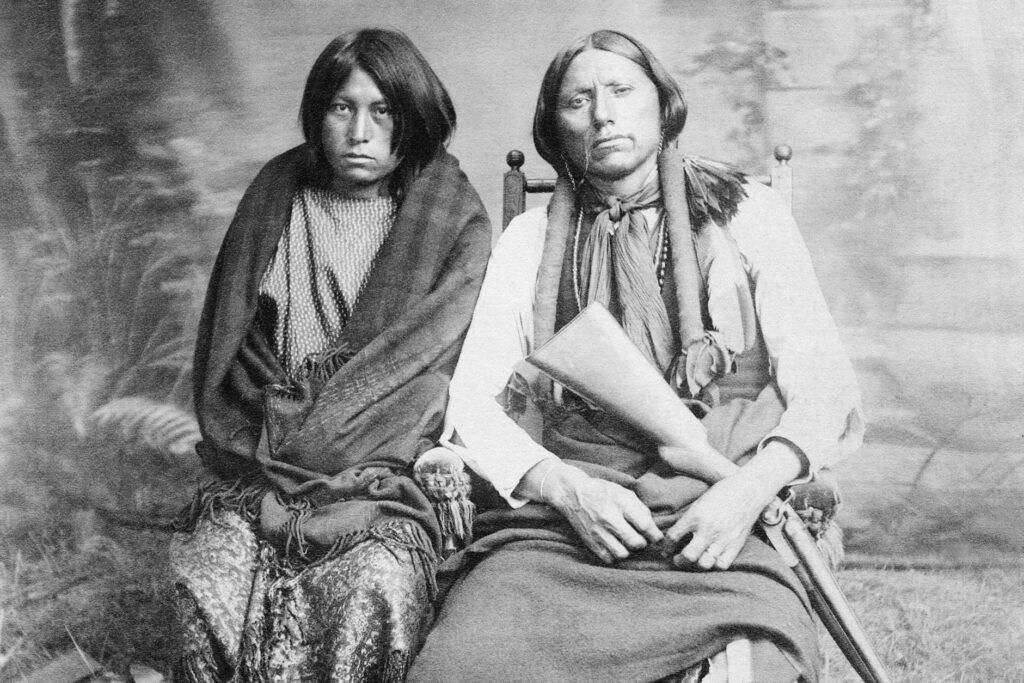
The Comanche lived across the Southern Plains in what is now Texas, Oklahoma, New Mexico, Colorado, and northern Mexico. Their strength came from unmatched mobility and a deep understanding of the grasslands that stretched for hundreds of miles. They became legendary horsemen, navigating the plains with a speed and precision that reshaped the region’s balance of power.
Trade, diplomacy, and strategic warfare all played roles in how they protected their territory and built influence. Their presence defined the Southern Plains for generations, leaving a legacy that still shapes the history and identity of the region today.
8. The Chumash developed advanced ocean navigation techniques.
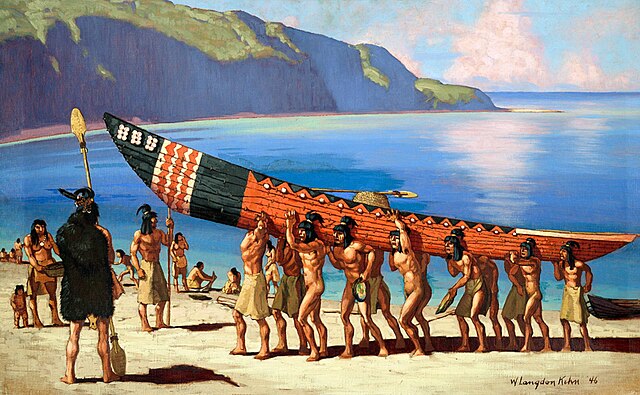
The Chumash lived along the southern and central California coast, from Malibu up to San Luis Obispo, and across to the Channel Islands. With their plank canoes, they crossed the channels with ease, building trade routes and coastal connections that enriched their economy and culture. Their villages sat near beaches, estuaries, and river mouths, places where life on land and life on the water blended naturally.
Their navigation skills made them one of the most maritime focused nations in North America. Their craftsmanship showed a level of precision that came from generations of testing the ocean’s moods. Even today, their maritime traditions remain one of the most remarkable legacies on the Pacific coast.
9. The Coast Salish nations prospered with cultural richness and trade.
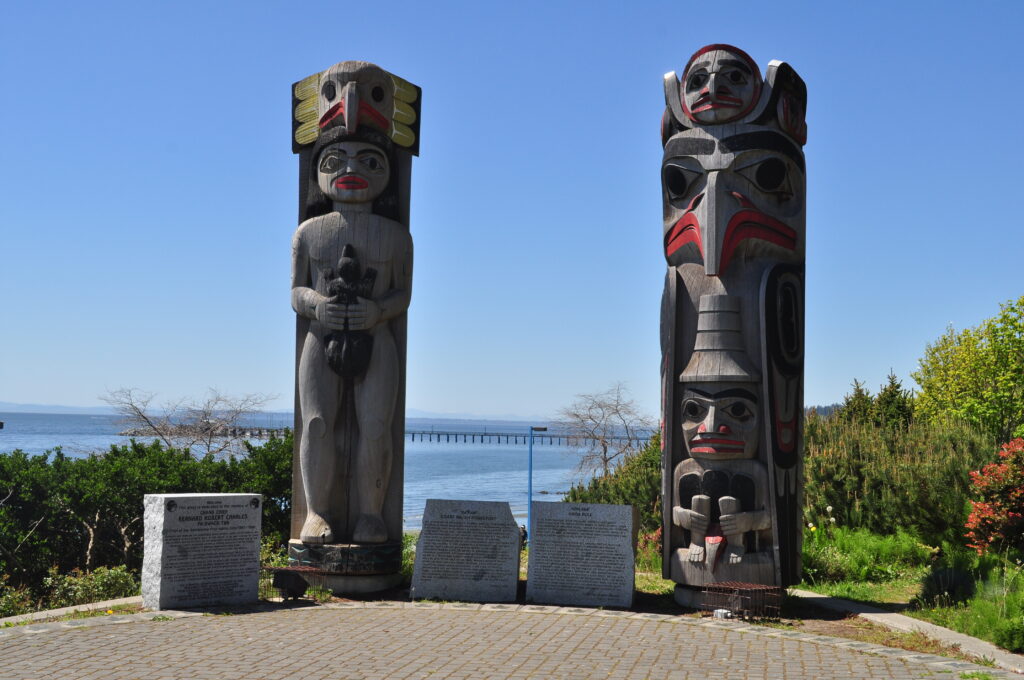
The Coast Salish lived along the inland waters and forests of what is now Washington state and British Columbia, shaping their world through close ties to the land and sea. Their villages stood near sheltered bays and river mouths, places where salmon runs, cedar trees, and tidal routes supported daily life.
Trade moved steadily across the region, carried by beautifully carved canoes that linked dozens of communities. Their languages, art forms, and social systems created a cultural world that felt both interconnected and deeply rooted. The Coast Salish presence still defines the Puget Sound region in ways that remain unmistakable today.
10. The Apache forged a dynamic presence across the Southwest.
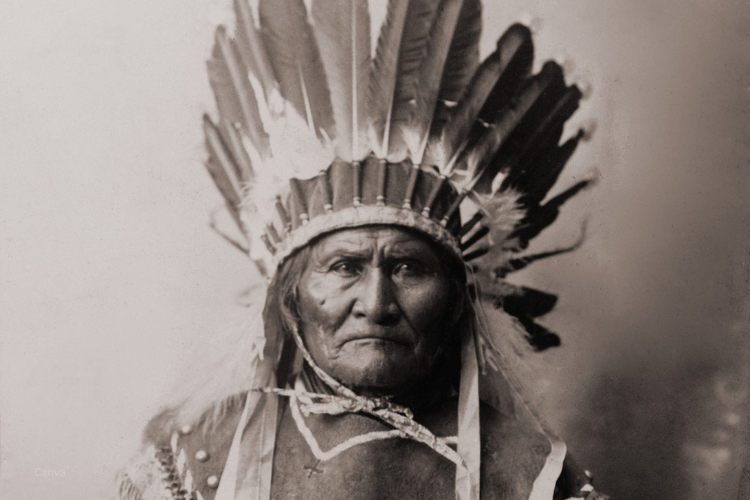
The Apache lived throughout the southern and central Southwest, in regions that are now Arizona, New Mexico, Texas, and parts of Colorado and Oklahoma. Their strength rested on adaptability, quick decision making, and a deep relationship with the land that guided every movement. They shifted across deserts, mountains, and plains with ease, carrying traditions that kept their communities connected even as they traveled.
Their approach to survival blended strategy with intuition in a way that felt completely natural to them. The landscape still echoes their presence, reflected in the stories, languages, and place names that remain across the Southwest today.
11. The combined histories reveal a continent shaped by brilliance.
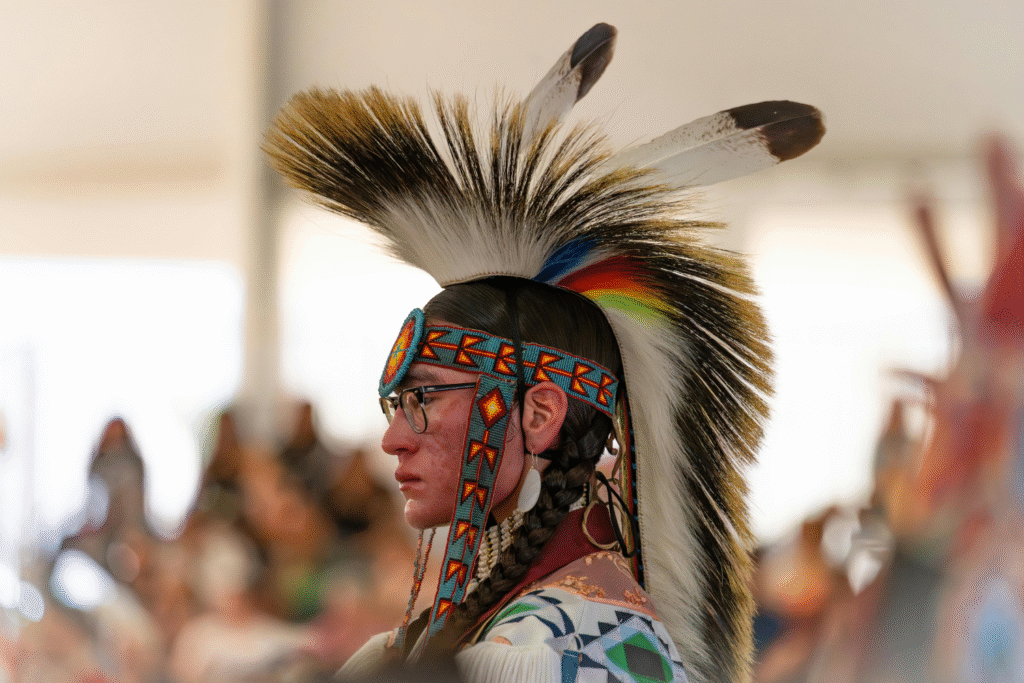
North America was home to far more than a handful of nations, with historians estimating that over five hundred distinct Native nations lived across the continent before colonization. Each had its own language, traditions, leadership, and relationship with the land, creating a world filled with cultural variety and depth. When you step back and see the full picture, it becomes clear how vibrant and interconnected this continent truly was. These nations shaped their regions with knowledge passed through generations, and their descendants continue that story today, carrying identities that remain deeply rooted in the places their ancestors once shaped.