
These decisions are reshaping ecosystems faster than expected.
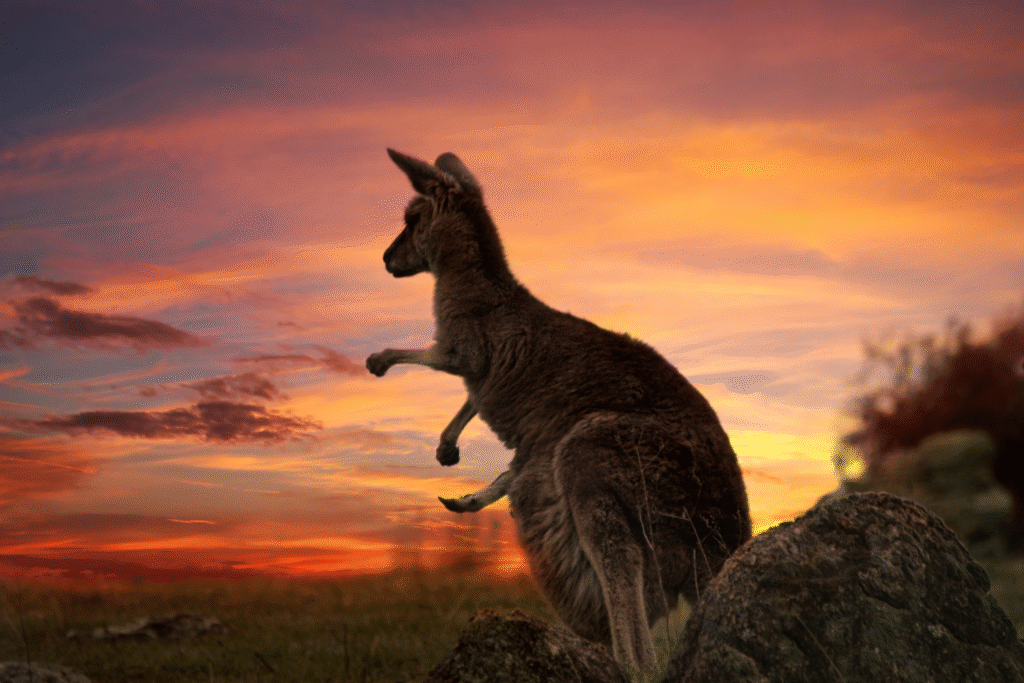
Human activity is now altering Earth’s ecosystems at a pace that rivals natural forces once measured across millennia. Decisions made in boardrooms, farms, and city councils are reshaping forests, oceans, and coastlines in ways scientists struggle to model. The stakes are rising because many of these changes are happening simultaneously, stacking pressures on systems built for stability. What looks incremental on a map often masks irreversible shifts on the ground, where species lose footing, climates tip, and landscapes quietly cross thresholds that cannot be undone.
1. Deforestation in the Amazon is changing rainfall patterns.

Vast stretches of rainforest in southern and eastern Amazonia have been cleared for cattle and soy, breaking the forest’s ability to recycle moisture. Rainfall has become less predictable, dry seasons are longer, and fires now reach areas that once stayed damp year round.
Scientists warn that this disruption threatens a feedback loop where forest loss reduces rain, which kills more forest. Portions of Brazil and Bolivia are nearing conditions where rainforest may convert into savanna, permanently altering South American climate systems.
2. Coral bleaching is remaking the Great Barrier Reef.

Marine heatwaves have struck Australia’s Great Barrier Reef repeatedly since 2016, bleaching corals across thousands of miles. Entire reef sections have lost living coral, leaving skeletal structures that support fewer fish and less biodiversity.
Recovery is uneven and fragile. Warmer baseline ocean temperatures mean bleaching events arrive more frequently, giving corals less time to rebound. What was once the planet’s most complex reef system is increasingly defined by gaps, algae growth, and reduced ecological richness.
3. Permafrost thaw is reshaping Arctic tundra landscapes.

In Alaska and Siberia, rising temperatures are thawing permafrost that locked soil in place for thousands of years. Ground collapse is altering rivers, draining lakes, and allowing shrubs to replace low tundra plants.
These shifts change wildlife habitat and release carbon stored underground. As thaw spreads, infrastructure buckles and ecosystems reorganize. The Arctic is transforming from a frozen stabilizer of climate into an active contributor to global warming pressures.
4. Dams have transformed salmon rivers in the Pacific Northwest.
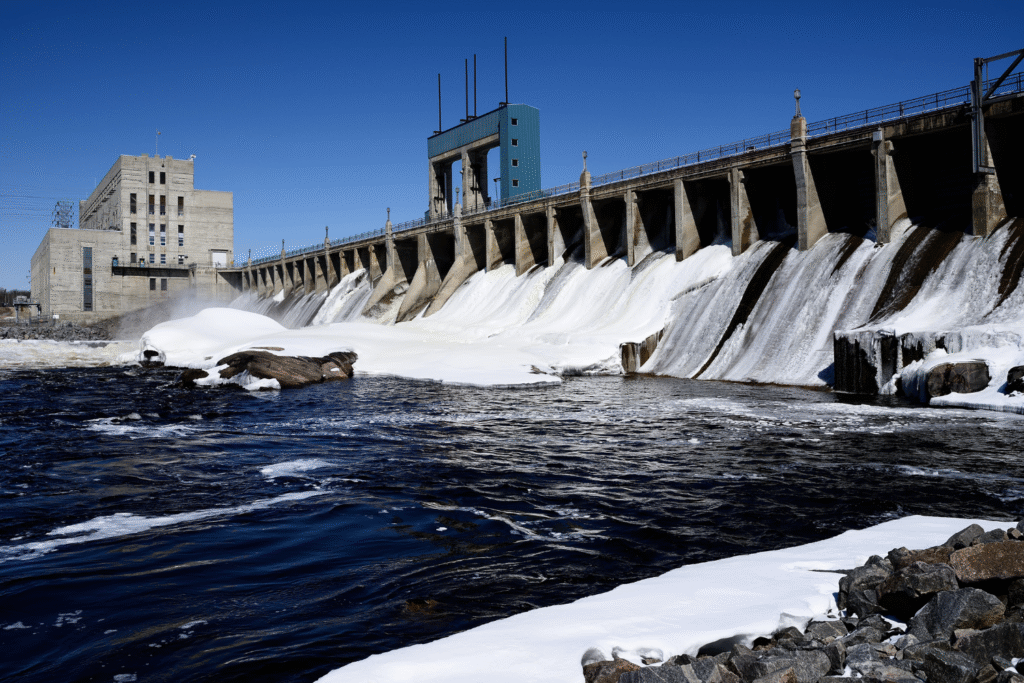
Hydroelectric dams on the Columbia and Snake Rivers have altered water temperatures, flow timing, and migration routes for salmon. Once reliable spawning runs now struggle to reach historic breeding grounds.
Fish ladders and hatcheries offer partial solutions but cannot fully replicate natural river systems. The reshaped rivers affect orcas, forests, and Indigenous fishing traditions. Engineering choices made decades ago continue to redefine the ecological identity of the Pacific Northwest.
5. Palm oil expansion has hollowed forests in Borneo.

Lowland rainforests in Malaysian and Indonesian Borneo have been converted into palm oil plantations at industrial scale. Orangutans, sun bears, and countless smaller species have lost continuous habitat, forcing them into shrinking forest fragments.
Plantation landscapes lack the complexity of native forests. Wildlife encounters increase, biodiversity collapses, and carbon storage drops. These forests are not slowly changing, they are being replaced outright by uniform agricultural systems.
6. Sea level rise is erasing Louisiana coastal wetlands.
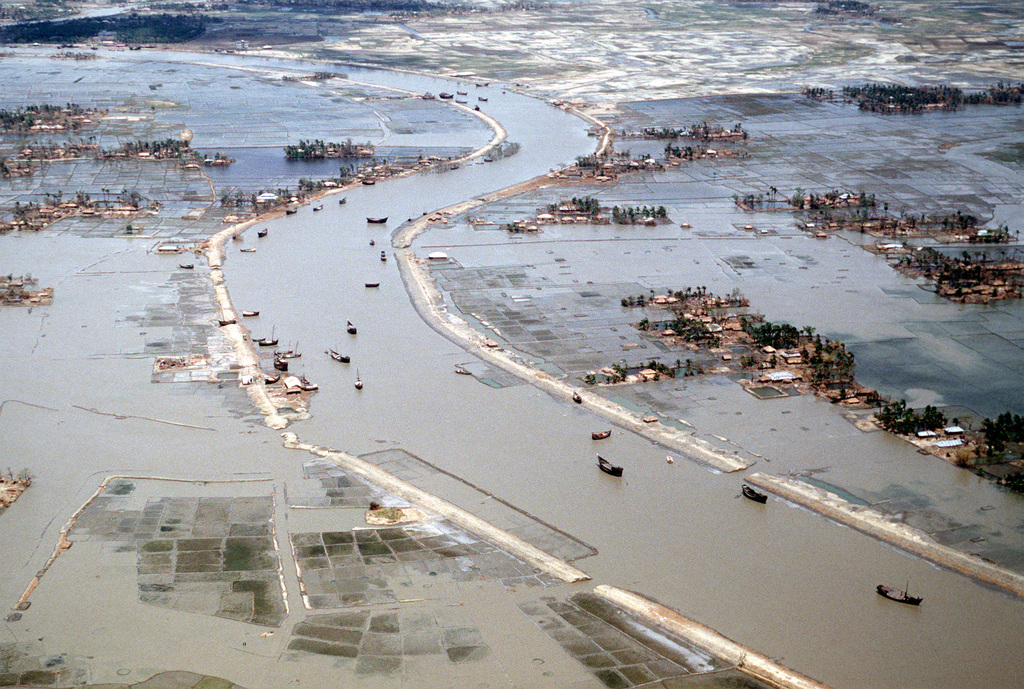
Along the Mississippi Delta, rising seas and reduced sediment flow are drowning marshes that once buffered storms and supported fisheries. Entire communities watch land vanish beneath tidal water each year.
Wetland loss accelerates erosion and exposes inland areas to hurricanes. As saltwater moves inland, freshwater plants die and ecosystems shift. Human alterations upstream and global warming together are redrawing the Gulf Coast shoreline.
7. Desert expansion is advancing across the Sahel region.

In parts of Niger, Mali, and Chad, shifting rainfall patterns and land overuse are pushing grasslands toward desert conditions. Farming and grazing pressure compound climate stress, leaving soils exposed and unproductive.
Communities migrate as land fails, increasing regional instability. Vegetation loss changes local weather feedbacks, making recovery harder. The Sahel’s boundaries are not fixed, they are moving southward under combined human and climatic forces.
8. Industrial fishing has altered the North Atlantic food web.
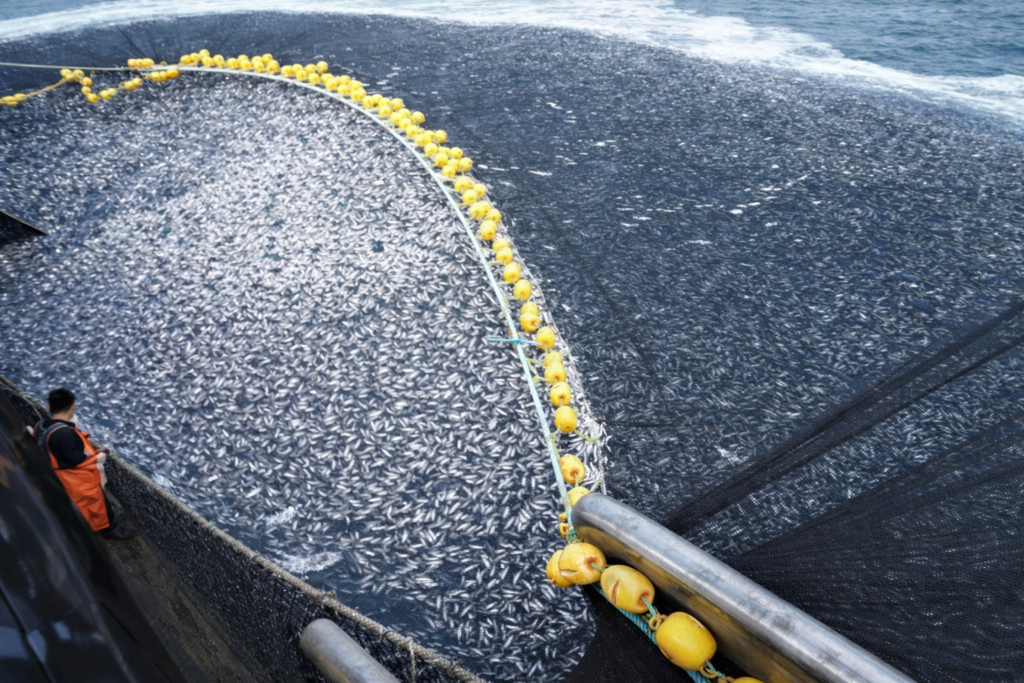
Decades of heavy fishing in the North Atlantic removed large predatory fish that once structured marine ecosystems. With fewer cod and tuna, smaller species and invertebrates surged, reshaping ocean balance.
Even where fishing pressure eased, recovery lagged. Warmer waters now favor different species entirely. The ocean’s biological hierarchy has shifted, reflecting how extraction and climate change together can permanently reorganize marine systems.
9. Wildfires are redefining forests in California.

Megafires across California have burned hotter and faster than historical norms, killing mature trees and sterilizing soil. Forests that once regenerated naturally now struggle to return.
Chaparral and grassland replace conifers in some regions, changing water cycles and wildlife habitat. Fire suppression, development, and climate warming intersect here. The result is not temporary damage but a redefinition of what these landscapes can support.
10. Intensive farming has changed nitrogen cycles in the Midwest.
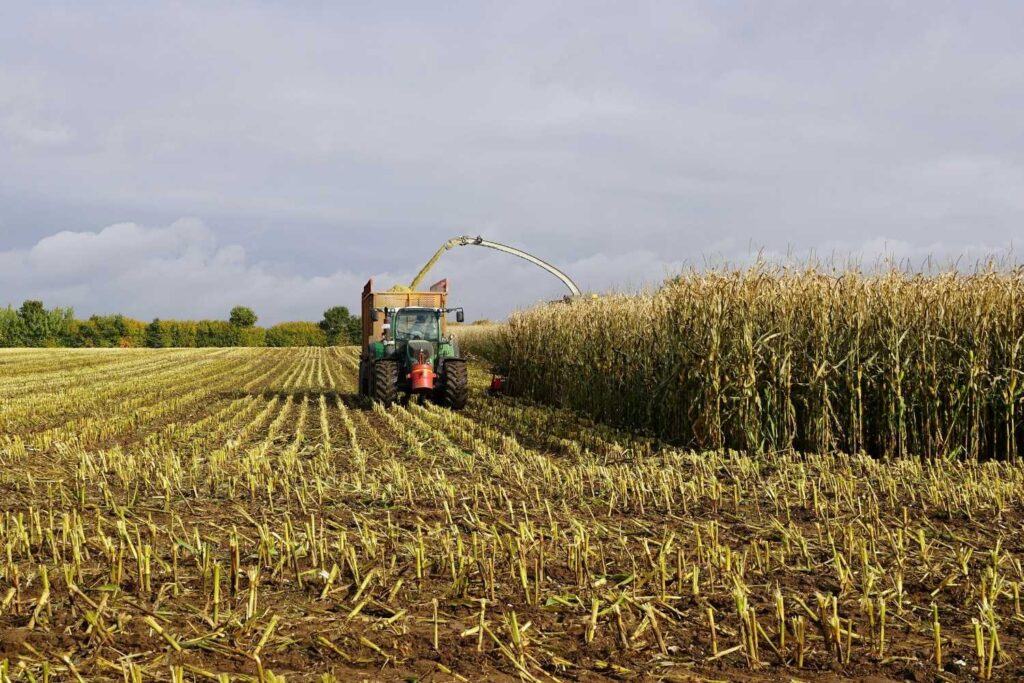
Corn and soybean agriculture across the Midwest relies on heavy fertilizer use that leaks into rivers. Excess nitrogen flows into the Mississippi River and fuels dead zones in the Gulf of Mexico.
Soils lose microbial balance, waterways clog with algae, and aquatic life suffocates. These chemical shifts extend far beyond farms themselves. Food production choices in one region now redraw ecological conditions hundreds of miles downstream.
11. Urban sprawl is fragmenting wildlife corridors around major cities.
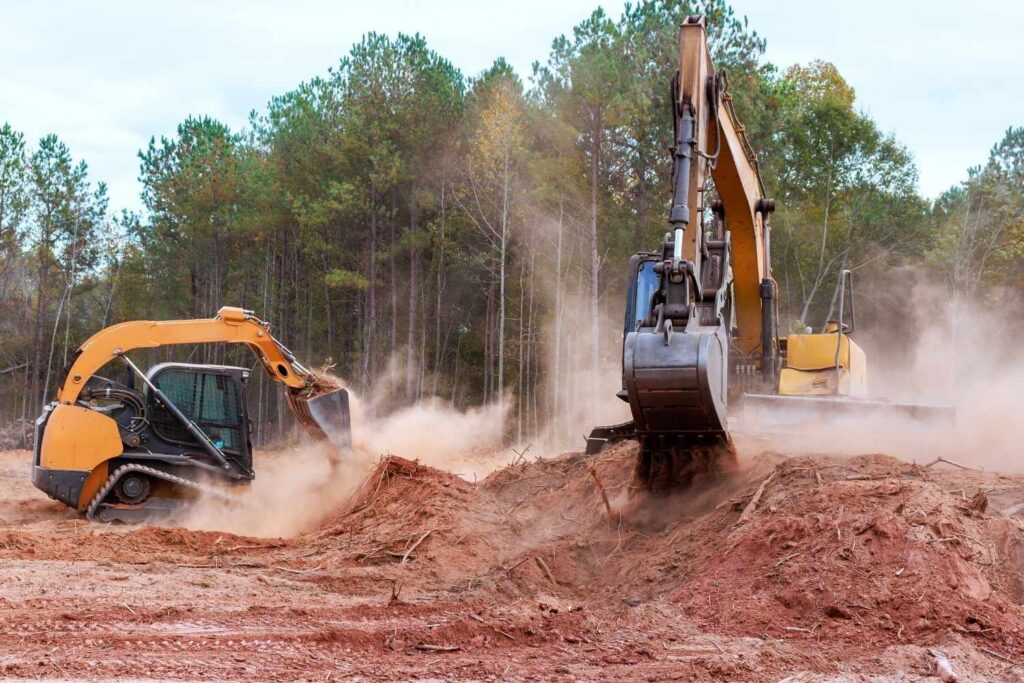
Rapid expansion around cities like Phoenix, Atlanta, and Los Angeles has sliced once continuous habitats into isolated patches divided by highways and housing developments. Animals such as mountain lions, bobcats, and deer are boxed into shrinking territories, increasing vehicle collisions and genetic isolation. Some populations now show signs of inbreeding because individuals cannot safely cross human dominated landscapes.
Wildlife corridors and crossings are being proposed as fixes, but most came after damage was already done. Urban growth decisions made lot by lot have collectively redrawn migration routes that took thousands of years to establish, forcing wildlife to adapt to cities that never planned for them.