
The cave was known, but this space was not.
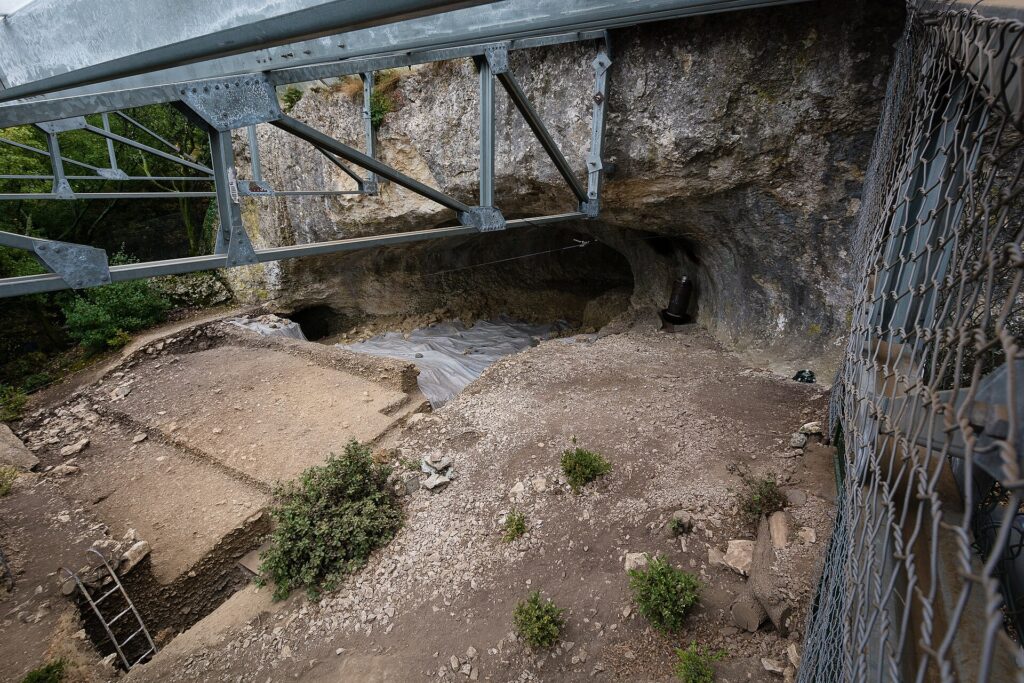
In southern France, archaeologists working inside Grotte Mandrin prepared to open a section of the cave sealed since roughly forty thousand years ago. The site had been studied for decades, but this chamber remained untouched, blocked by collapsed stone and compacted sediment. When the barrier was finally breached in 2024, researchers paused. Air samples were taken. Cameras were lowered. The space beyond had not interacted with the outside world since Neanderthals last stood there, raising both scientific promise and risk.
1. Sensors entered the chamber before researchers followed.

Before any archaeologist stepped inside, instruments were extended through the opening to measure air quality and particle levels. The chamber had been sealed too long to assume safety. Any sudden change could damage preserved evidence or endanger the team.
Readings confirmed isolation. Oxygen levels were stable, and sediment had not shifted since sealing. This suggested the chamber had remained closed since the late Neanderthal period. That confirmation allowed cautious entry while preserving conditions critical for interpretation.
2. The chamber floor showed no signs of disturbance.
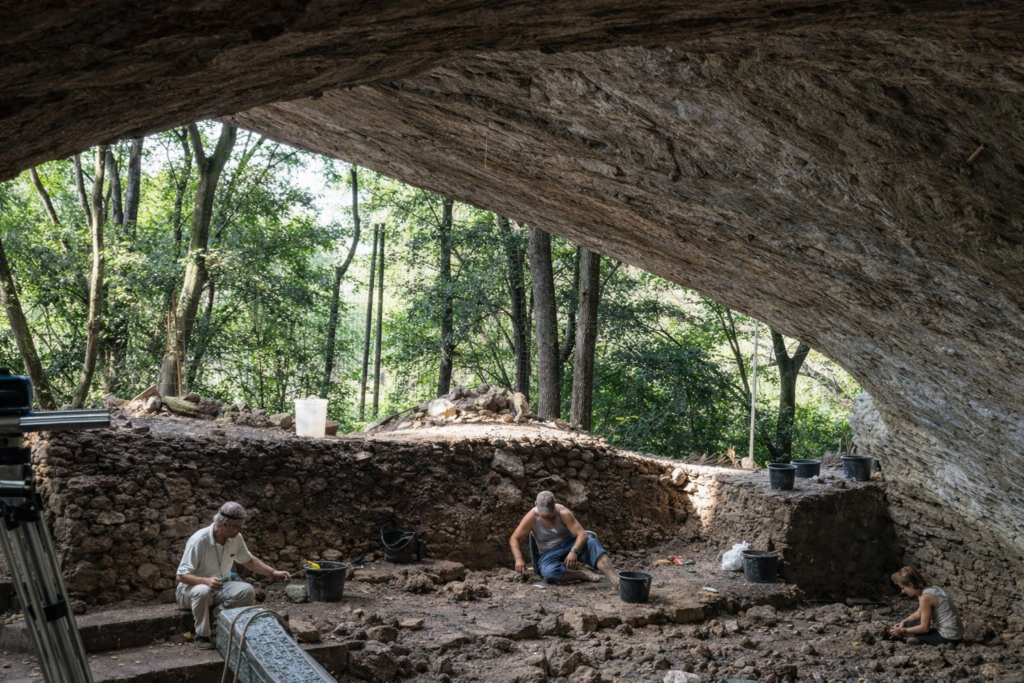
Once illuminated, the floor appeared smooth and layered rather than churned or collapsed. No footprints crossed modern sediment. Nothing suggested later human entry or animal intrusion.
Such preservation is rare in European cave sites. Researchers realized they were seeing activity surfaces exactly as Neanderthals left them. This raised the stakes immediately. Any mistake could erase behavioral evidence frozen in place for tens of millennia.
3. Sediment layers revealed repeated Neanderthal visits.

Distinct sediment bands were visible across the chamber floor. Each layer differed in texture and composition, indicating separate occupation moments rather than continuous use.
These layers allow scientists to reconstruct timelines with unusual precision. The chamber appears to have been entered, used, and sealed multiple times. That pattern challenges assumptions that Neanderthals occupied caves casually or without long term planning.
4. Stone tools were positioned instead of scattered.

Several flint tools rested near the chamber wall, aligned rather than broken or discarded. Edges showed wear but no damage from collapse or trampling.
Intentional placement suggests foresight. These tools may have been stored for later use or left as part of a structured activity. Either explanation implies planning beyond immediate survival needs, expanding views of Neanderthal cognitive organization.
5. Fire evidence changed interpretations of cave use.

Burn marks and ash residues appeared in one section of the chamber. Chemical analysis confirmed controlled fire rather than natural burning.
Fire inside a sealed cave requires preparation and airflow awareness. Researchers now believe Neanderthals deliberately used this chamber for extended activity rather than brief shelter. This finding complicates older ideas about their comfort with enclosed environments.
6. Bone fragments survived in protected sediment pockets.

Small animal bone fragments were recovered from undisturbed sediment. Their preservation was exceptional given the age of the chamber.
These remains may reveal diet, hunting seasons, and environmental conditions. Yet exposure threatens rapid decay. Scientists worked slowly, aware that removing evidence too quickly could destroy the very clues they sought.
7. Foot impressions hinted at careful movement.
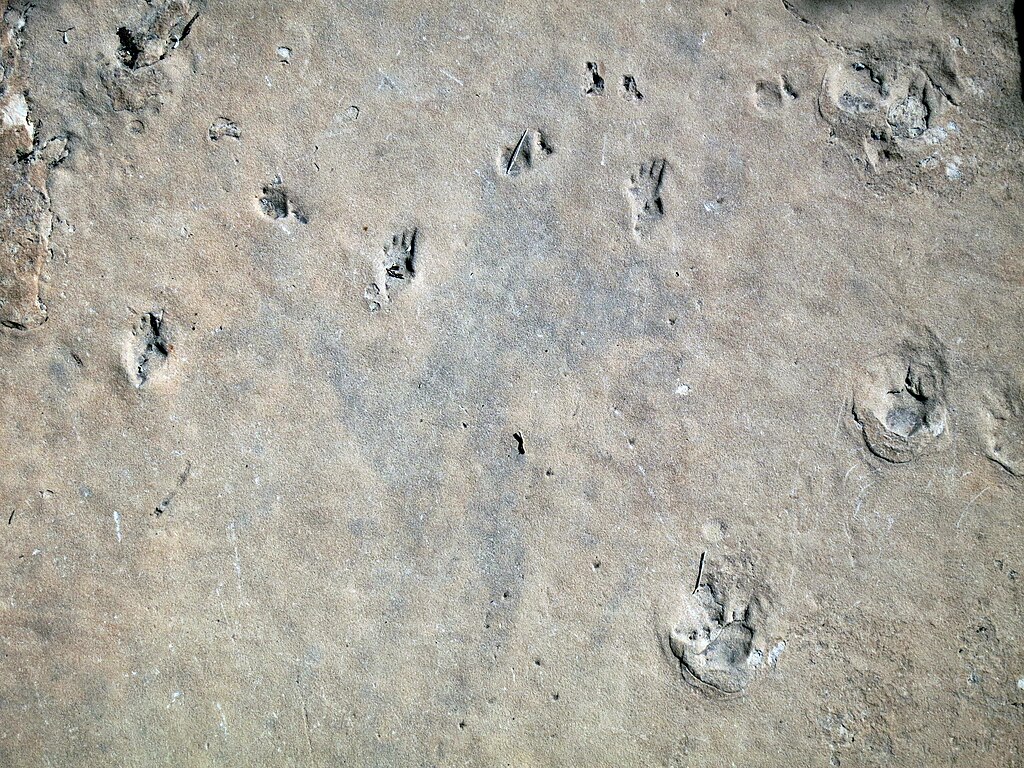
Subtle depressions appeared in fine sediment near the chamber edge. They were shallow but consistent in spacing and direction.
Such impressions suggest deliberate walking rather than hurried movement. This implies familiarity with the space. Neanderthals may have returned repeatedly, navigating the chamber with confidence rather than caution.
8. Activity clustered around natural rock formations.
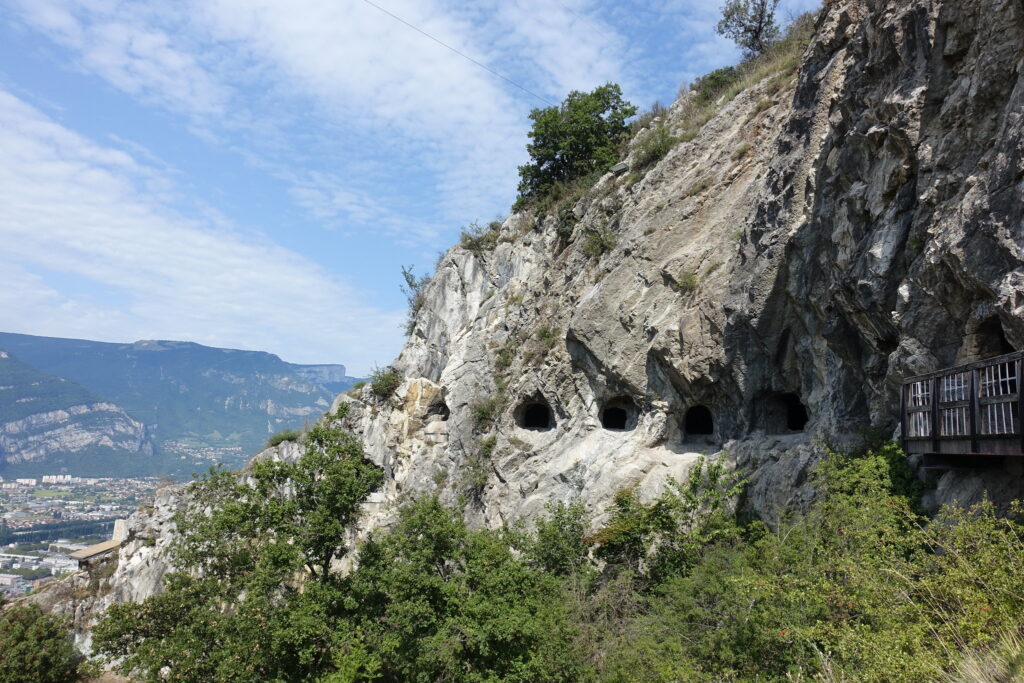
Evidence concentrated near alcoves formed by natural limestone shapes. Central areas showed little disturbance.
This spatial pattern suggests intentional organization. Neanderthals appear to have divided the chamber into functional zones, reinforcing arguments that they structured living spaces more deliberately than once believed.
9. The sealing method appeared deliberate and planned.

The chamber entrance was blocked by stacked stone and compacted sediment, not random collapse. The placement required effort.
Researchers believe the chamber was sealed intentionally, possibly to protect contents or mark abandonment. Such action implies future awareness, a trait long debated in Neanderthal behavioral studies.
10. Findings complicate Neanderthal disappearance timelines.

Dating places the final use of the chamber near forty thousand years ago, overlapping with early modern human expansion in Europe.
Rather than indicating decline, the chamber shows planning, control, and spatial awareness late in Neanderthal history. Each layer adds complexity, suggesting their story ended with adaptation, not sudden disappearance.