
A sealed chamber offers a glimpse into a bygone life.
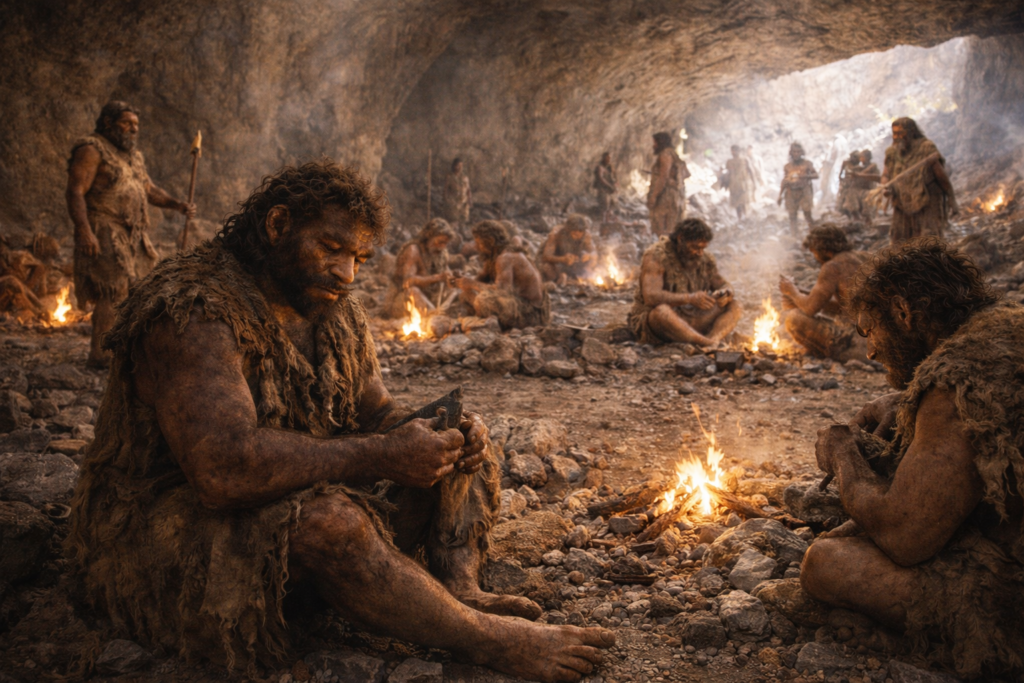
For years, the cave remained sealed behind collapsed rock and sediment, shielding whatever lay inside from outside interference. When researchers finally gained access, they stepped into a space that had not been touched for tens of thousands of years. Nothing inside had shifted, nothing rearranged by time or animals. What they encountered did not immediately explain itself. Instead, it raised deeper questions about behavior, survival, and something more deliberate than previously assumed.
1. A sealed chamber preserved evidence beneath untouched layers.
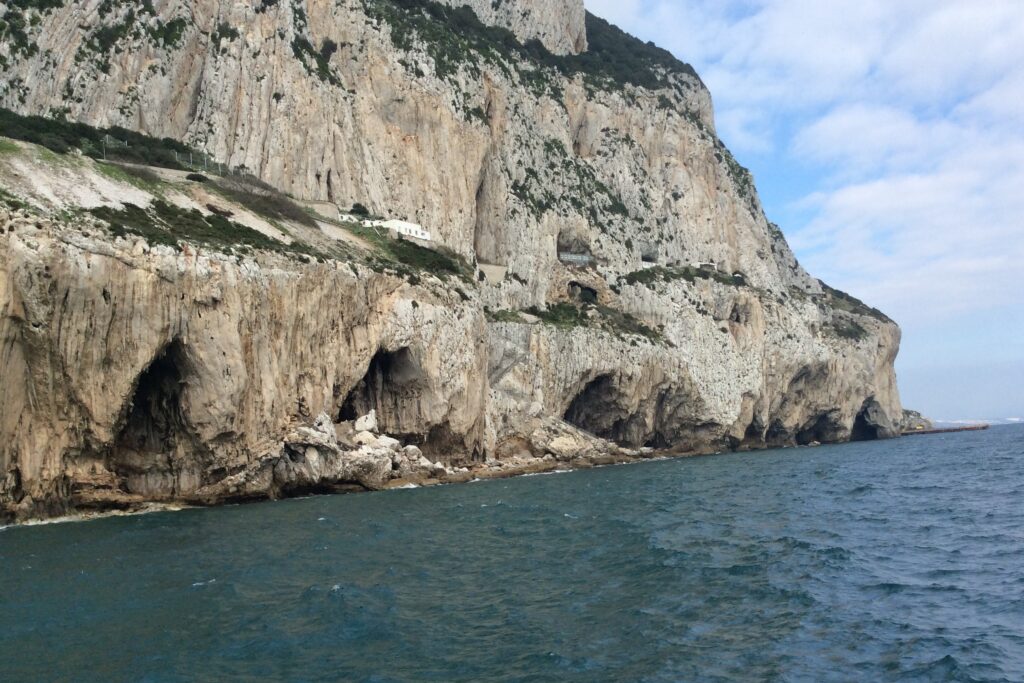
Hidden within the Gorham’s Cave Complex in Gibraltar, the chamber remained protected by natural collapse, sealing its contents for tens of thousands of years. This UNESCO recognized site sits along the eastern face of the Rock of Gibraltar, overlooking ancient coastlines once used by Neanderthals.
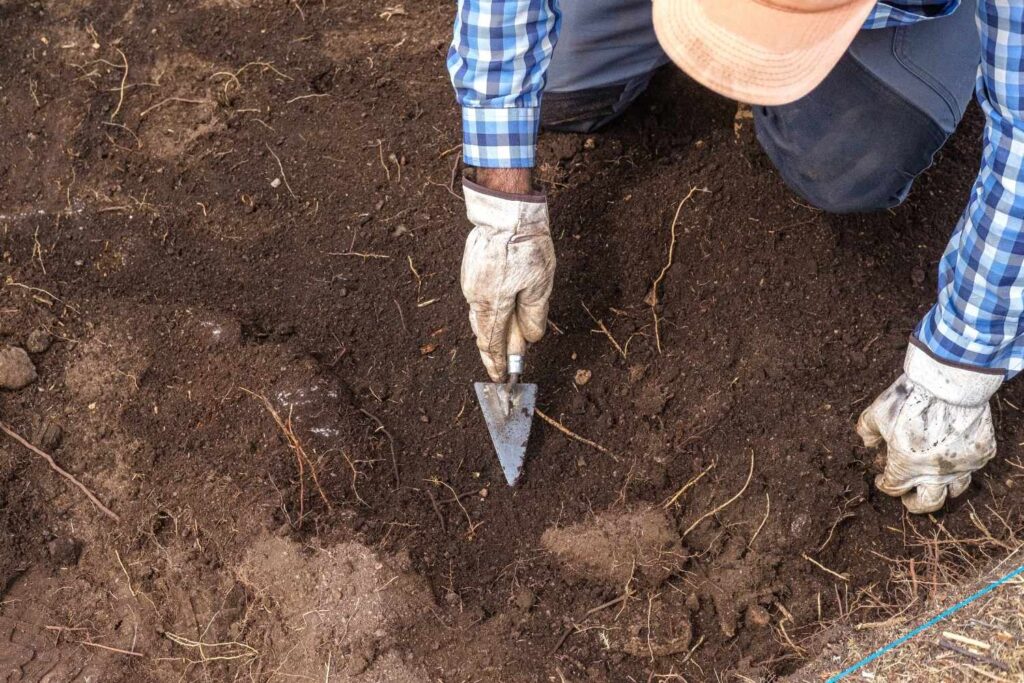
Excavations led by Clive Finlayson of the Gibraltar National Museum revealed stratified sediment layers dating between roughly forty thousand and thirty thousand years ago. These layers preserved tools, bones, and hearth remnants in place, allowing researchers to study spatial relationships without the usual disturbance seen in open archaeological sites.
2. Tools appeared clustered in ways that suggested intent.

Within Gorham’s Cave, stone tools were not randomly scattered but found in distinct clusters. These tools belong to the Mousterian tradition, a technology strongly associated with Neanderthals, indicating deliberate shaping and repeated use.
Researchers documented how these tools were positioned near specific areas of activity, particularly around hearth locations mapped within the cave. This clustering suggests task specific zones rather than temporary occupation, raising the possibility that Neanderthals organized their living space with more structure than previously assumed.
3. Burned surfaces revealed controlled use of fire repeatedly.
Darkened sediment patches and ash layers were identified throughout multiple excavation levels, indicating repeated use of fire in the same locations over time. These were not isolated burn marks but structured hearths that appeared consistently across different occupation layers.
Radiocarbon dating of charcoal fragments placed these fire events within the late Neanderthal occupation of the cave. The consistent placement of hearths suggests that fire was managed intentionally, used for cooking, warmth, and possibly light within the enclosed environment of Gorham’s Cave.
4. Animal remains showed selective hunting across environments.
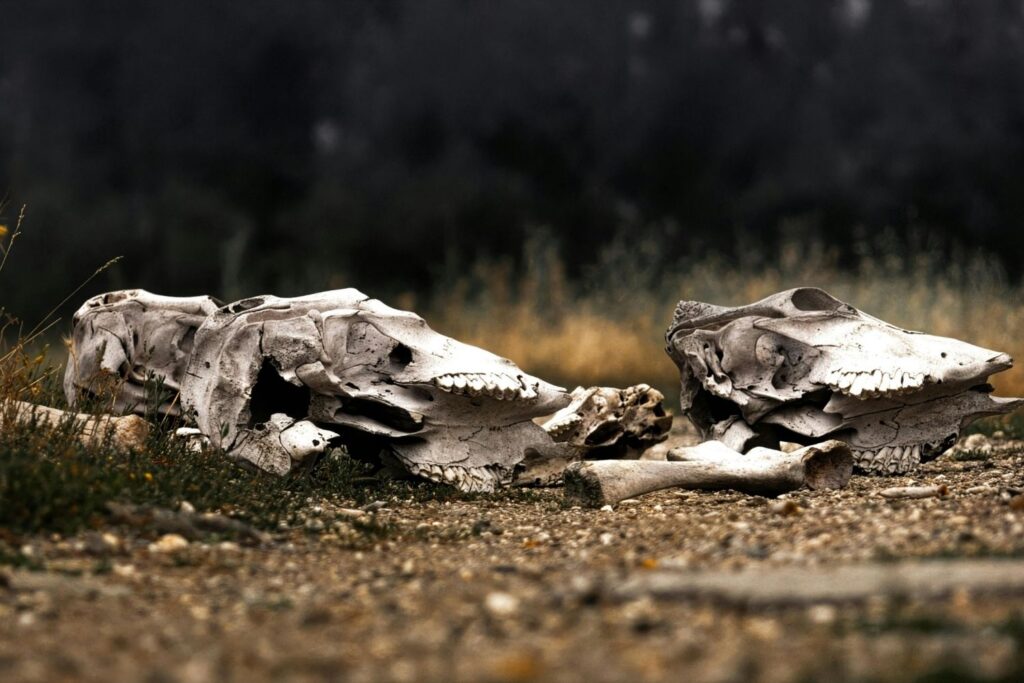
Bones recovered from the site included a mix of terrestrial and marine species, offering insight into Neanderthal diet. Among them were red deer, ibex, and evidence of marine animals such as seals and even dolphins, indicating a diverse resource strategy.
Cut marks and breakage patterns on these bones confirmed deliberate processing. The presence of marine remains suggests that Neanderthals in Gibraltar exploited coastal resources, adapting their hunting strategies to include shoreline environments rather than relying solely on inland prey.
5. Bird remains hinted at behavior beyond basic survival.

Among the findings were bird bones that showed signs of feather removal rather than consumption alone. These included species such as raptors, whose feathers may have been used for purposes not directly tied to food.
Researchers noted that certain marks on the bones were consistent with careful extraction rather than random damage. This raises the possibility that feathers were collected for symbolic, decorative, or functional uses, suggesting a level of behavioral complexity not always attributed to Neanderthals.
6. Engraved markings introduced questions about symbolic thought.
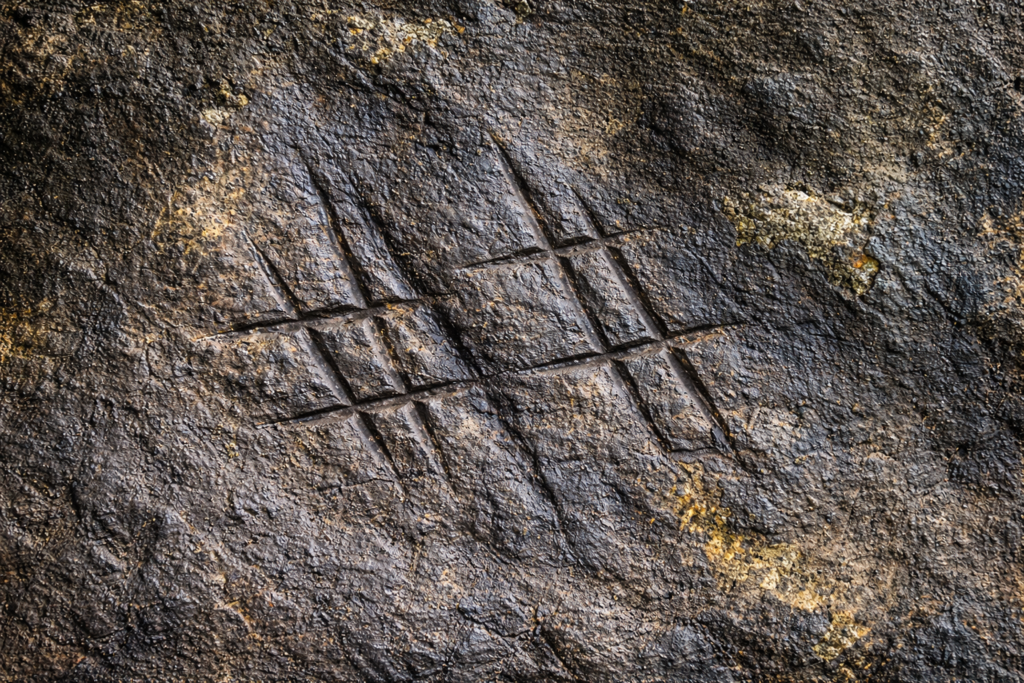
One of the most debated discoveries within Gorham’s Cave was a cross hatched engraving etched into bedrock. The pattern consists of intersecting lines that appear deliberate rather than accidental, cut deeply enough to require repeated strokes.
Analysis suggests the engraving predates modern human arrival in the region, pointing toward Neanderthal authorship. While its meaning remains unclear, the presence of intentional marking introduces the possibility of symbolic expression, challenging long held assumptions about Neanderthal cognitive abilities.
7. Cave location provided access to multiple critical resources.
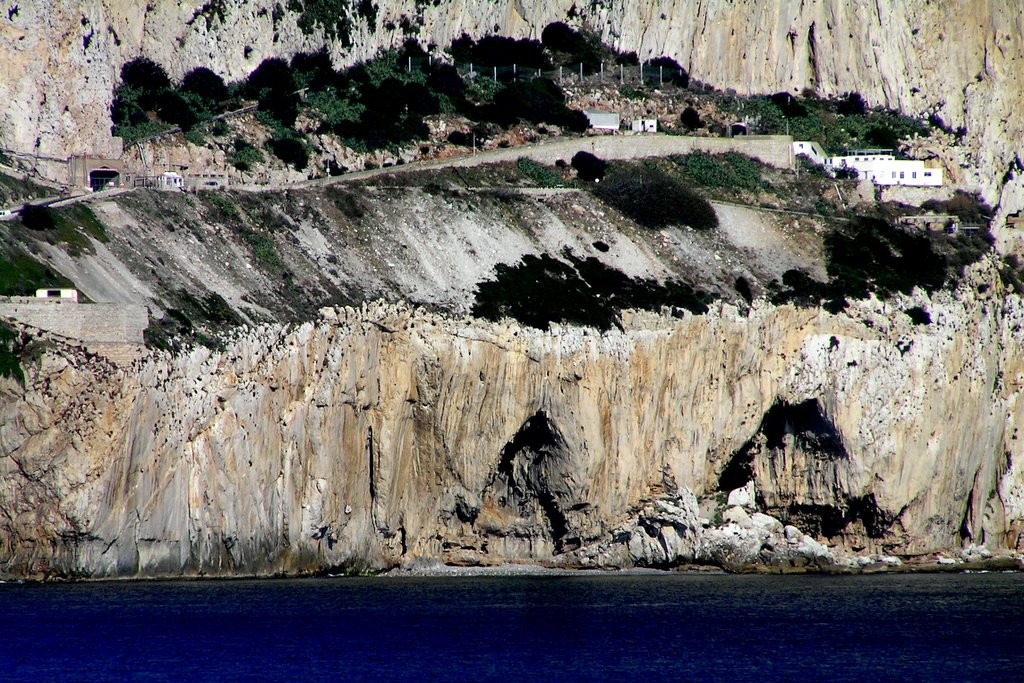
The Gorham’s Cave Complex sits along a coastal cliff, offering access to both marine and terrestrial ecosystems. During periods of lower sea levels, the shoreline extended outward, creating rich feeding grounds within reach of the cave.
This positioning allowed Neanderthals to exploit a wide range of resources while maintaining shelter. The combination of elevation, visibility, and proximity to food sources suggests that the site was chosen deliberately, not simply occupied by chance.
8. Sediment layers recorded shifts in climate and survival.
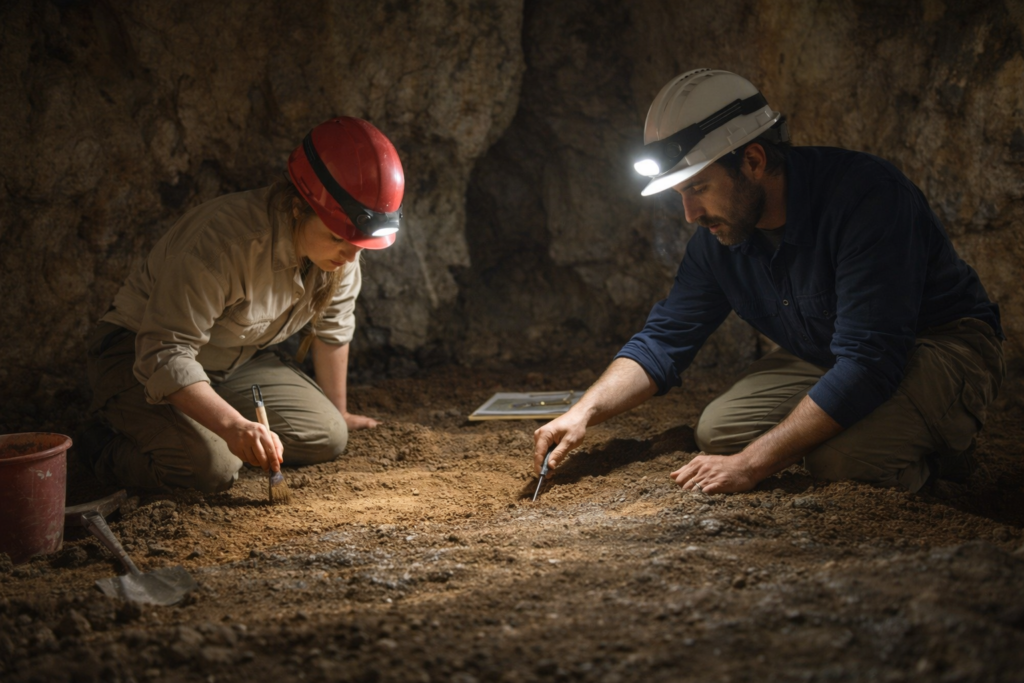
Stratified deposits within the cave revealed changes in temperature, moisture, and environmental conditions over time. These shifts would have directly impacted available resources and the surrounding landscape.
Despite these changes, evidence shows continued use of the cave across different periods. This persistence suggests that Neanderthals adapted to environmental fluctuations, adjusting their behavior and resource use rather than abandoning the site entirely.
9. Evidence suggests Gibraltar hosted the last Neanderthals.
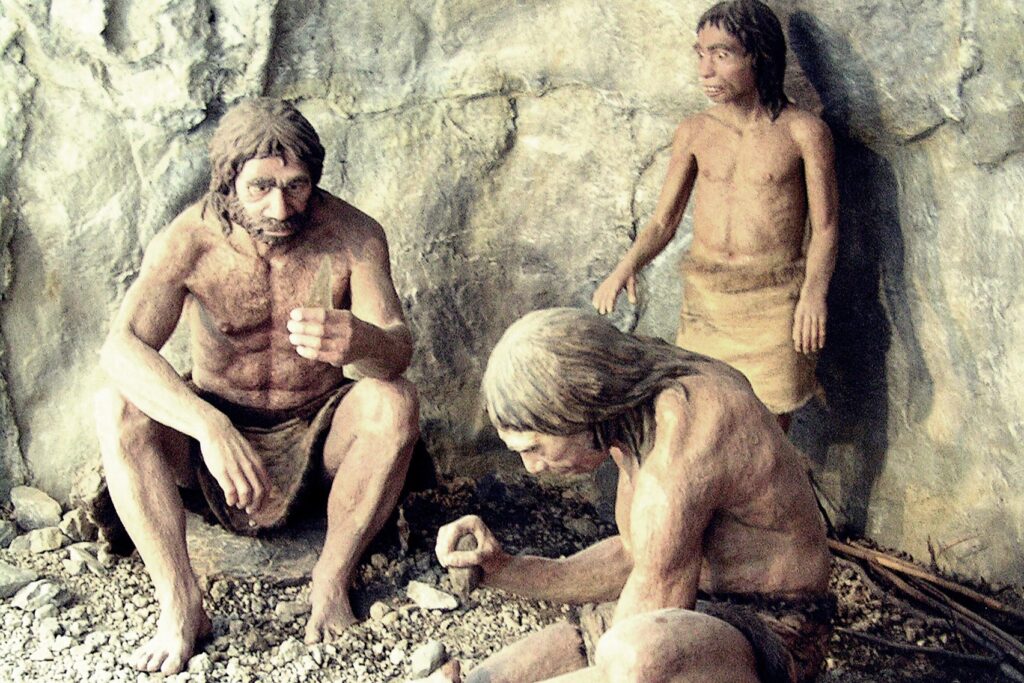
Findings from Gorham’s Cave and nearby Vanguard Cave indicate that Neanderthals may have survived in southern Iberia longer than in other parts of Europe. Some of the latest dates place their presence in this region close to thirty thousand years ago.
This positions Gibraltar as one of the final refuges for Neanderthals. The continued occupation of these caves suggests that isolated populations may have persisted here after disappearing elsewhere, extending the timeline of their existence beyond earlier estimates.
10. These discoveries are reshaping how Neanderthals are understood.
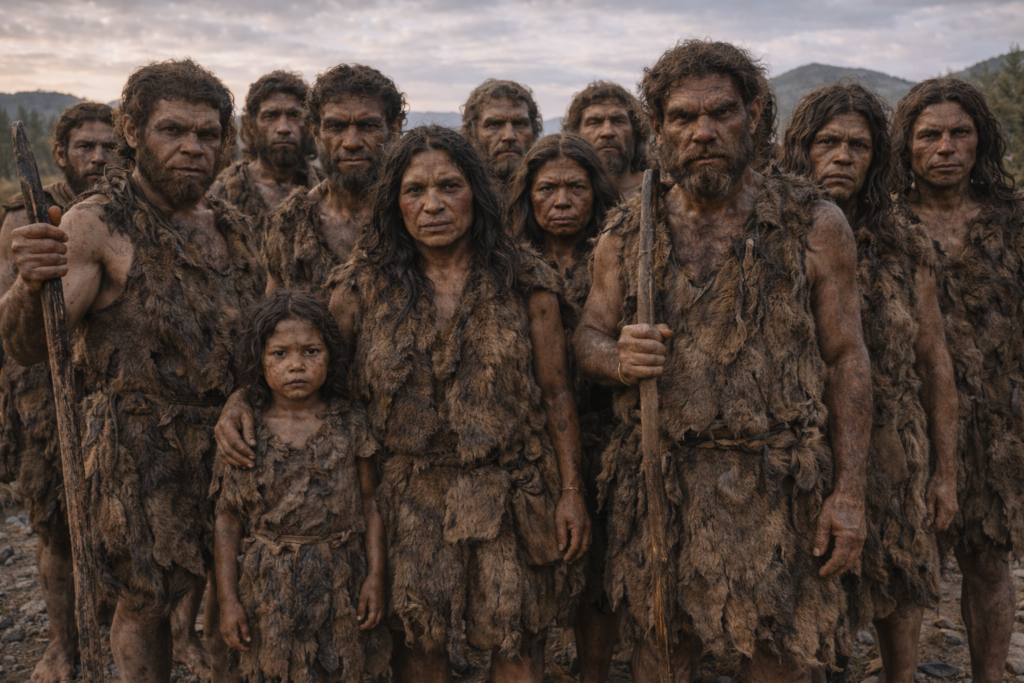
Taken together, the evidence from Gorham’s Cave challenges older views of Neanderthals as simple or purely survival driven. The combination of organized space, controlled fire use, diverse diet, and possible symbolic behavior presents a more complex picture.
While questions remain, the findings force a reconsideration of their capabilities. Rather than existing on the margins of human evolution, Neanderthals in Gibraltar appear to have developed adaptive strategies and behaviors that narrow the gap between them and modern humans.