
The regret often comes long after attachment forms.
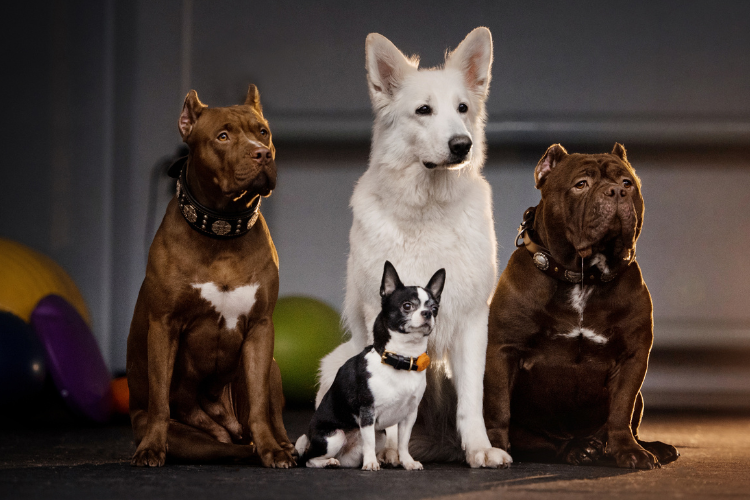
Across the United States, shelters, trainers, and veterinarians hear a familiar phrase from exhausted dog owners. The decision usually begins with excitement, confidence, and affection. Over time, reality introduces strain that affection alone cannot fix. These breeds are not failures or mistakes, but they demand environments many families cannot sustain. The tension grows quietly, surfacing years later when owners admit the experience reshaped their limits. Saying never again does not mean lack of love, it means the cost became clearer only after living it.
1. Siberian Huskies exhaust households with endless energy demands.

The first year feels manageable, even exciting, but cracks appear as routines stretch thinner. Missed exercise turns into destruction. Fences fail, neighbors complain, and frustration replaces novelty. Owners often realize too late that effort must never drop.
Huskies were bred for nonstop endurance and independent decision making. Daily intense activity is not optional. Without it, behavioral issues escalate quickly. Owners often say affection stayed strong, but the lifestyle required constant sacrifice they could not repeat again.
2. Belgian Malinois overwhelm owners through relentless mental pressure.

Early training success creates false confidence. Intelligence masks just how much stimulation the dog truly requires. When structure slips, anxiety and reactivity rise fast. The margin for error feels nonexistent.
Malinois are working dogs built for high stress environments. Without professional level outlets, they unravel. Owners frequently describe emotional burnout rather than disobedience. Many say the dog excelled, but only in ways that demanded more than family life could provide.
3. Chow Chows test patience through guarded independence.

Calm appearances mislead new owners. As maturity arrives, affection becomes conditional and boundaries sharpen. Grooming resistance and aloof behavior strain daily interactions. Owners struggle to regain early harmony.
Chow Chows bond selectively and value autonomy. Socialization gaps persist permanently. Training requires negotiation rather than compliance. Owners often admire their dignity yet admit the emotional distance and management challenges made repeating the experience unlikely.
4. Dalmatians surprise families with overwhelming behavioral needs.

The look attracts impulse adoption. Puppies charm easily, hiding how fast stimulation needs escalate. Without structure, restlessness dominates the household. Anxiety appears suddenly.
Dalmatians require daily physical and mental engagement. Sensitivity magnifies stress. Owners often report constant vigilance to prevent spirals. Many say they loved the bond but underestimated the discipline required to maintain balance long term.
5. Cane Corsos magnify consequences through sheer physical power.
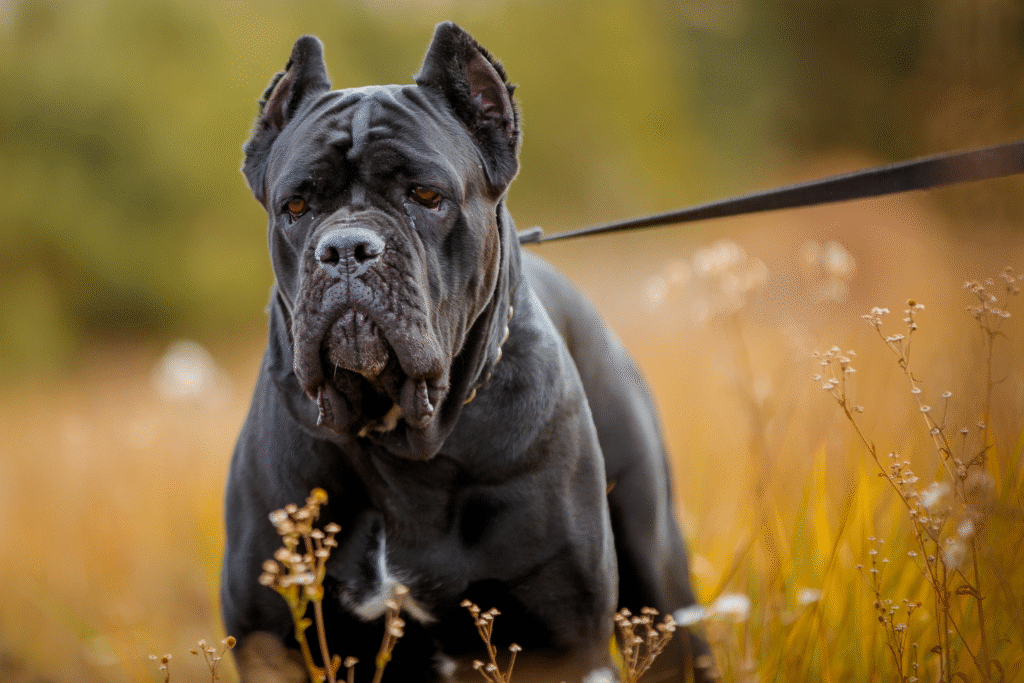
Every mistake feels heavier. Poor training carries visible risk. Public scrutiny adds pressure. Owners become hyper aware of responsibility in all settings.
Cane Corsos need experienced handling and early social exposure. Protective instincts intensify with maturity. Owners often feel emotional attachment paired with constant tension. Many conclude the breed was admirable, but the stakes were too high to repeat.
6. Border Collies turn boredom into relentless mental strain.

Quick learning excites owners initially. Commands stick instantly. Trouble begins when engagement drops even briefly. Obsessive behaviors emerge quickly.
Border Collies were bred for nonstop problem solving. Without work, they invent stress. Owners frequently report exhaustion from constant mental management. The intelligence they loved became the source of burnout.
7. Akitas challenge trust with intense territorial instincts.
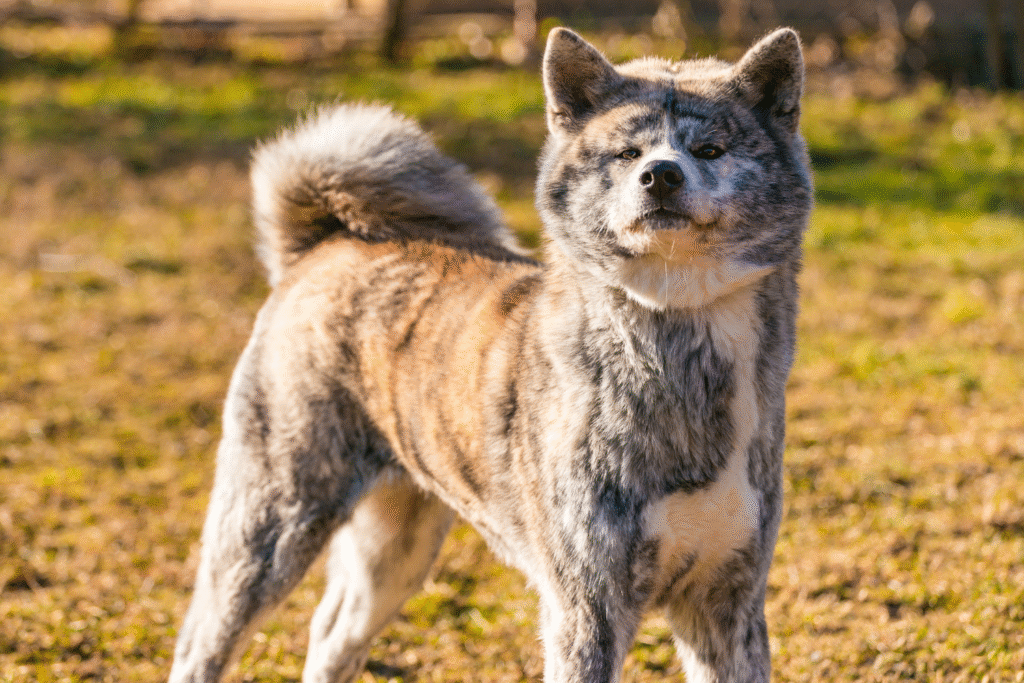
Early calm masks future seriousness. As the dog matures, tolerance narrows. Social situations require planning and restraint. Owners feel constant responsibility.
Akitas bond deeply but selectively. Protective behavior strengthens with age. Owners often describe loyalty mixed with isolation. Many say the emotional weight and vigilance made the experience difficult to repeat.
8. Jack Russell Terriers overwhelm owners despite small size.
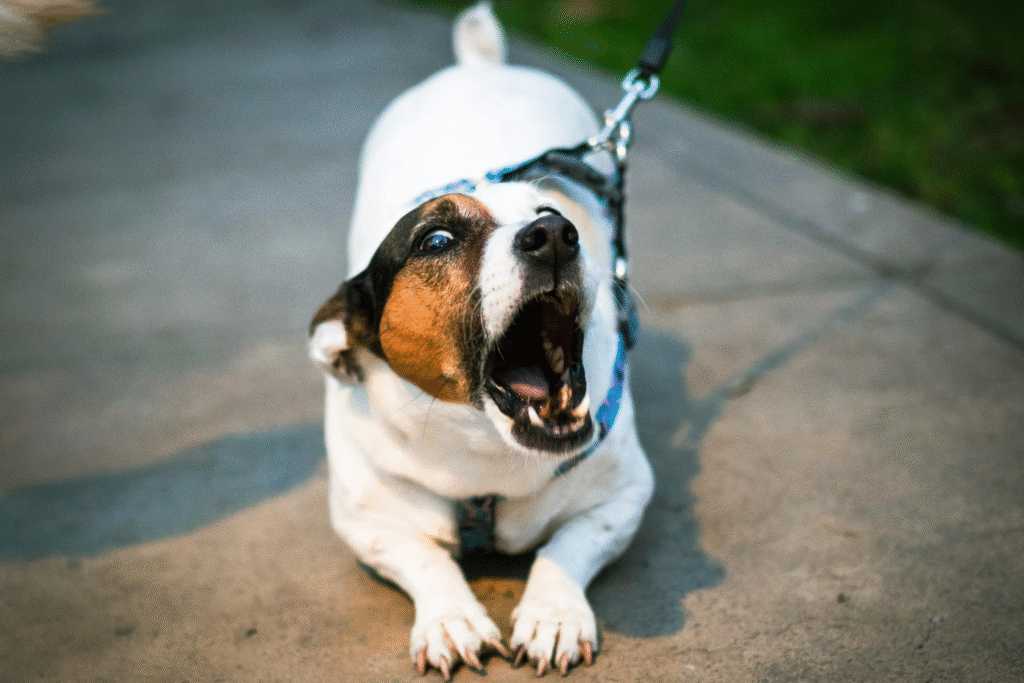
Size creates false security. Energy levels shock unprepared families. Barking, digging, and chasing dominate daily life. Rest feels rare.
Jack Russells require constant stimulation and firm boundaries. Intelligence fuels mischief. Owners often say affection never faded, but exhaustion did not either. Many decide once was enough.
9. Great Danes strain hearts through loss and financial burden.

Gentle nature draws families in. Calm behavior creates emotional attachment quickly. Health problems surface early. Expenses climb fast.
Short lifespans and medical costs weigh heavily. Owners often describe grief paired with financial strain. Love remains powerful, but repetition feels emotionally impossible.
10. Australian Shepherds demand lives fully built around them.

Early obedience builds confidence. Intelligence masks long term commitment. When structure fades, anxiety surfaces quickly. Owners feel trapped by schedules.
Australian Shepherds need constant mental and physical outlets. Without them, behaviors escalate. Many owners admit admiration mixed with exhaustion. The dog was exceptional, but the lifestyle requirement was unsustainable long term.