
Climate and movement are quietly changing the rules.
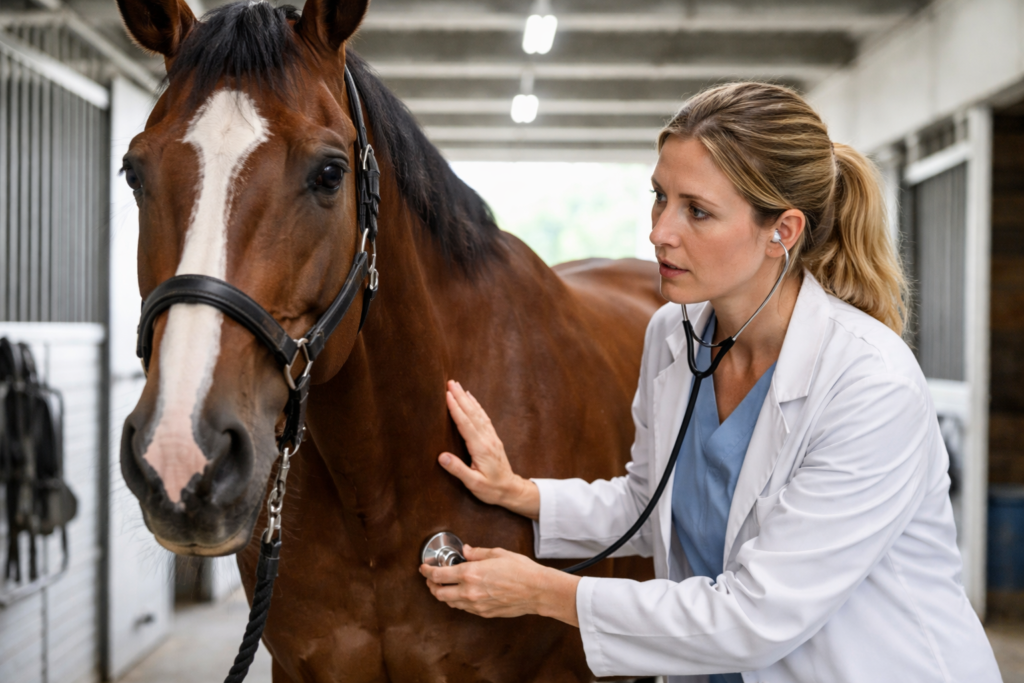
Veterinarians are increasingly uneasy because a virus once considered geographically predictable is no longer behaving that way. Changes in temperature, rainfall, and animal movement have created conditions that favor faster spread, longer transmission seasons, and outbreaks in places with no prior exposure. Horses in these regions lack immunity, surveillance systems are uneven, and early symptoms are easy to miss. What alarms experts most is not a single outbreak, but the pattern forming beneath it. The systems that once contained equine disease are being stretched, and veterinarians know how quickly that can turn deadly.
1. Warmer temperatures are expanding insect transmission zones.
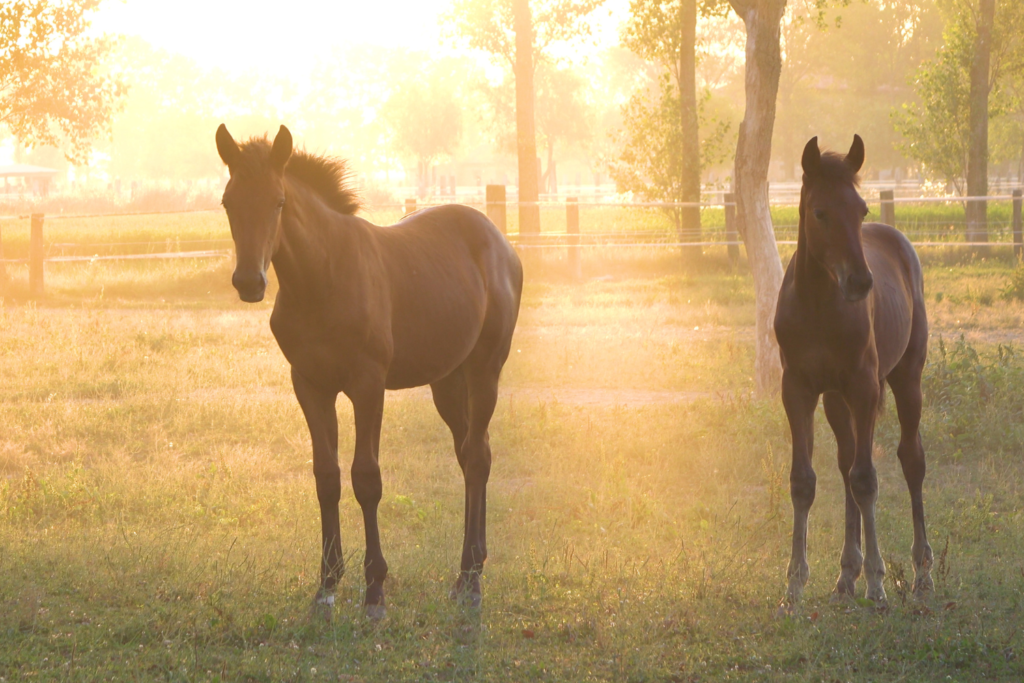
This virus depends on biting insects, particularly midges, to move between horses. Historically, cold winters limited how long these insects could survive and reproduce. That seasonal barrier is weakening. Warmer temperatures allow insects to persist longer and spread farther north and south than before.
According to the World Organisation for Animal Health, climate driven expansion of insect vectors is enabling equine viruses to establish in regions previously considered safe. Veterinarians fear this shift because local horse populations have no prior exposure. Once insects become established, transmission no longer feels exceptional. It becomes seasonal, predictable, and much harder to stop.
2. Horses lack natural immunity in newly exposed regions.
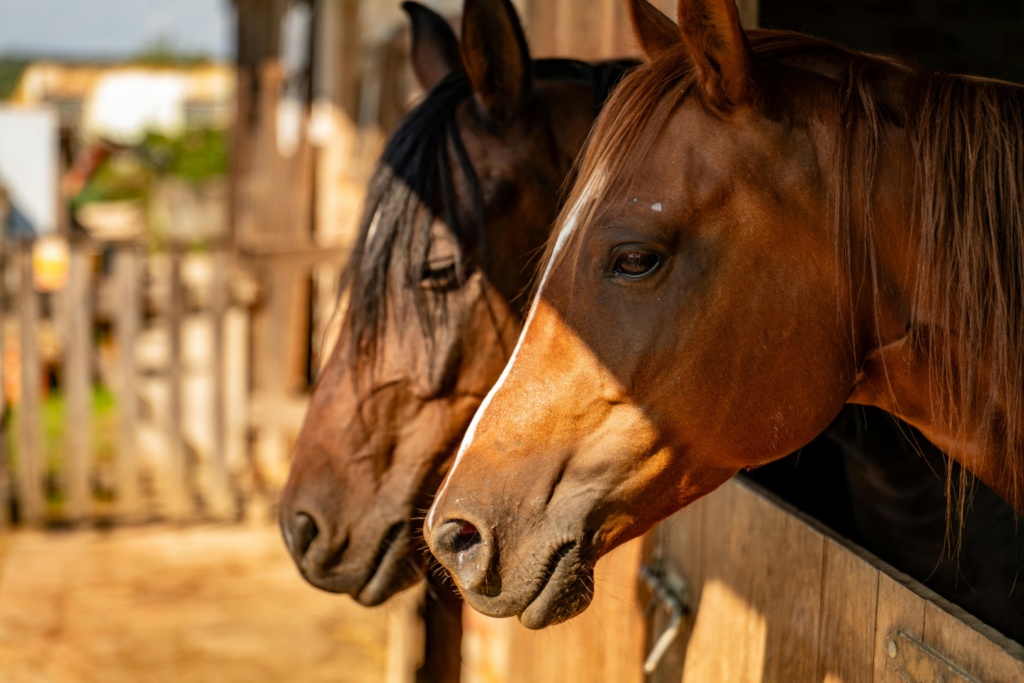
In regions where the virus has never circulated, horses have no inherited or acquired immune defenses. That creates ideal conditions for rapid and severe outbreaks. Infection spreads quickly through barns, training facilities, and shared pasture systems.
As reported by the Food and Agriculture Organization, outbreaks in immunologically naive horse populations often show strikingly high fatality rates. Veterinarians are especially concerned by how fast the disease progresses. Horses can move from mild fever to life threatening respiratory distress in a matter of days. Without baseline immunity, even young and healthy animals face significant risk before containment measures take effect.
3. Vaccination access remains limited and uneven.
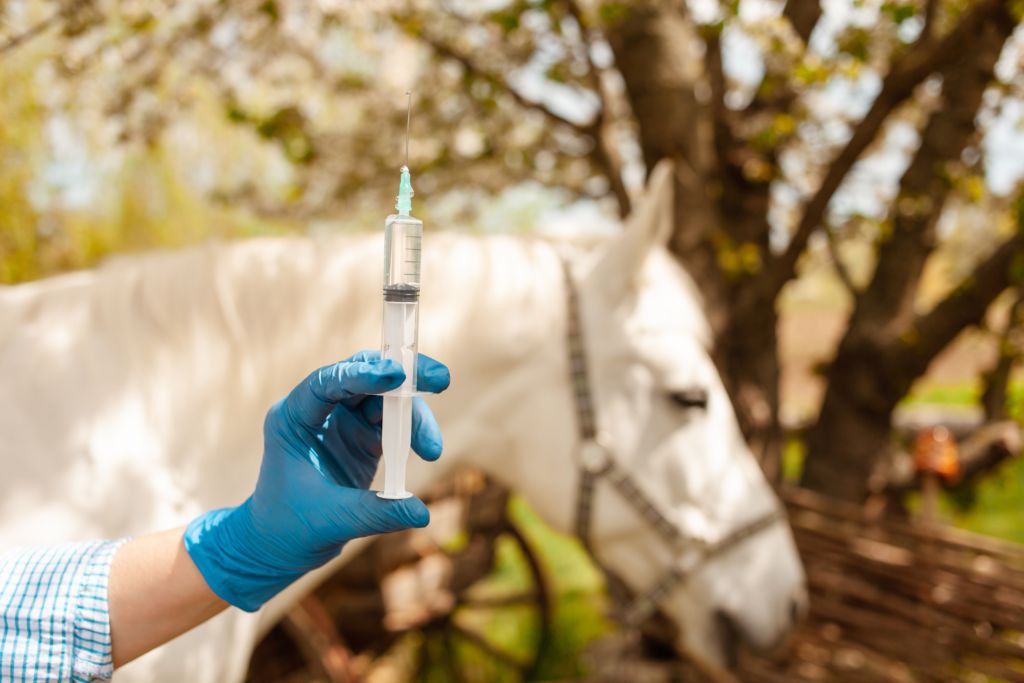
Vaccines exist in some parts of the world, but availability is inconsistent. Regulatory approval varies by country, and manufacturing capacity is often tied to regions with prior outbreaks. Storage requirements and strain variation further complicate use.
According to guidance from the World Health Organization, uneven vaccine access leaves large equine populations vulnerable during early outbreak phases. Veterinarians worry that vaccination often arrives reactively rather than preventively. By the time vaccines are approved, shipped, and administered, the virus may already be circulating widely, reducing the overall impact of emergency immunization efforts.
4. Horse movement accelerates silent geographic spread.

Modern horses move constantly for racing, breeding, sales, and competition. These movements create invisible pathways for viral spread. Horses may appear healthy during incubation while still contributing to transmission cycles.
Veterinarians stress that even strong biosecurity measures struggle to keep up with this level of mobility. Quarantine protocols vary widely and cannot fully prevent exposure to infected insects at transport hubs. Once the virus enters a new region, tracing its origin becomes difficult. Mobility turns isolated outbreaks into regional threats within a single season.
5. Early symptoms closely mimic routine equine illnesses.
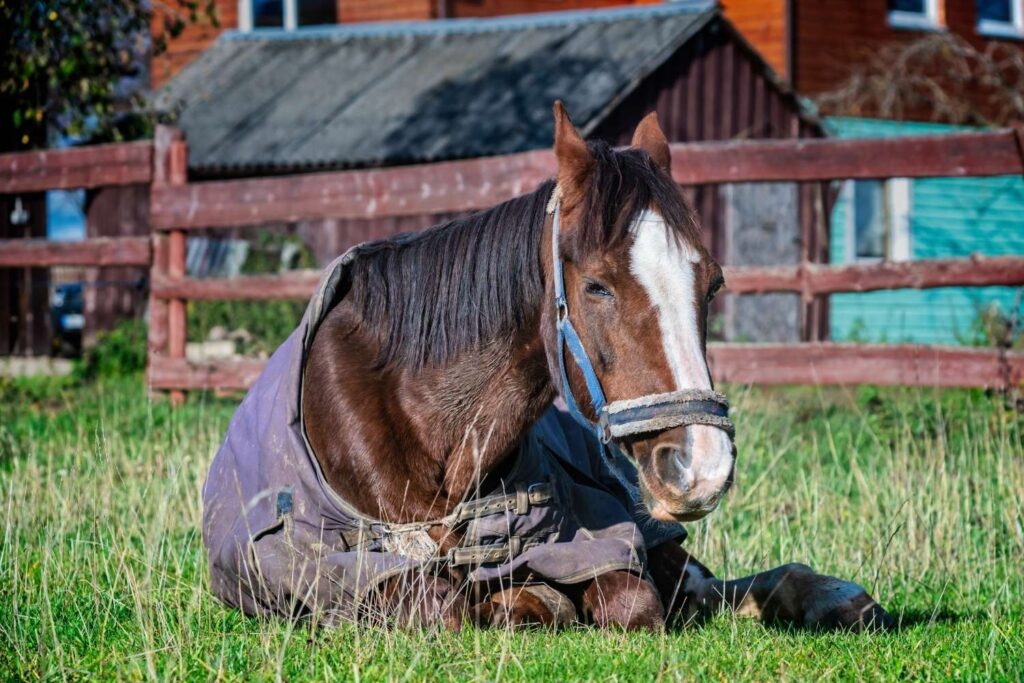
One of the most dangerous aspects of this virus is how ordinary its early symptoms appear. Fever, lethargy, nasal discharge, and reduced appetite resemble common respiratory infections seen every year. Owners often monitor symptoms rather than immediately seeking veterinary care.
Veterinarians emphasize that this delay is understandable. Nothing about early presentation signals a deadly disease. During this window, the virus replicates rapidly and continues spreading through insect vectors. By the time severe signs such as swelling, labored breathing, or collapse emerge, the outbreak may already be well established. This diagnostic ambiguity allows the virus to move faster than awareness.
6. Severe cases overwhelm treatment options quickly.
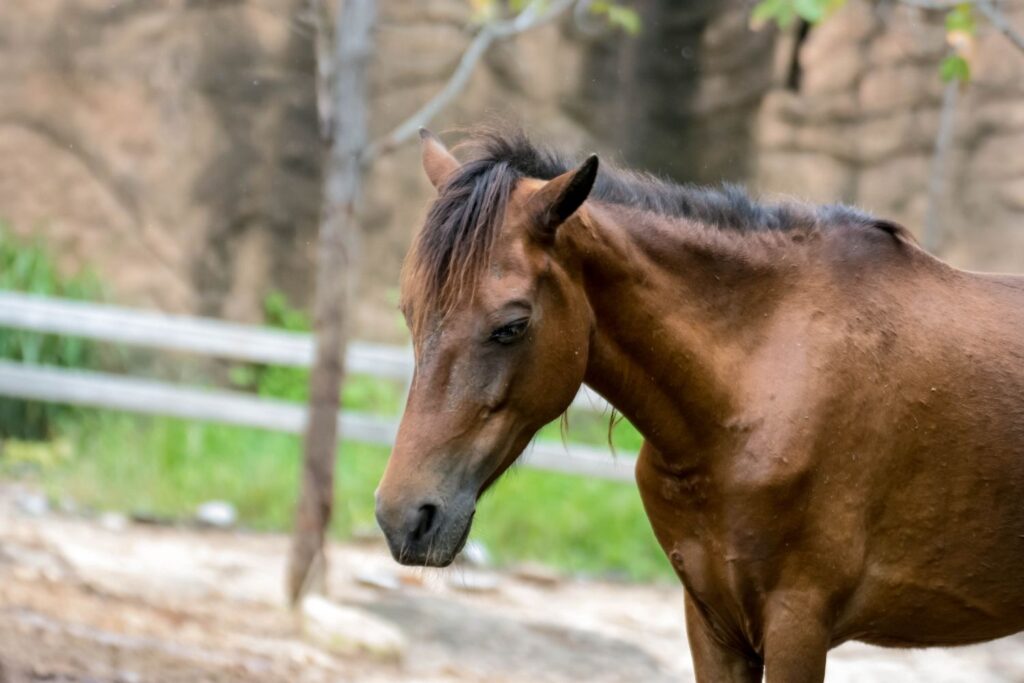
Once the disease progresses, treatment options are limited. There is no direct antiviral cure. Veterinary care focuses on supportive measures such as oxygen therapy, anti inflammatory medication, and fluid support. Outcomes remain uncertain even with aggressive intervention.
Veterinarians face intense emotional strain during outbreaks. Horses can decline rapidly despite best efforts, sometimes within hours. Clinics become overwhelmed as cases cluster. Owners are forced to make difficult decisions under pressure. The lack of curative treatment reinforces fear, because prevention and early containment are the only reliable tools once severe disease appears.
7. Wildlife reservoirs make eradication unrealistic.
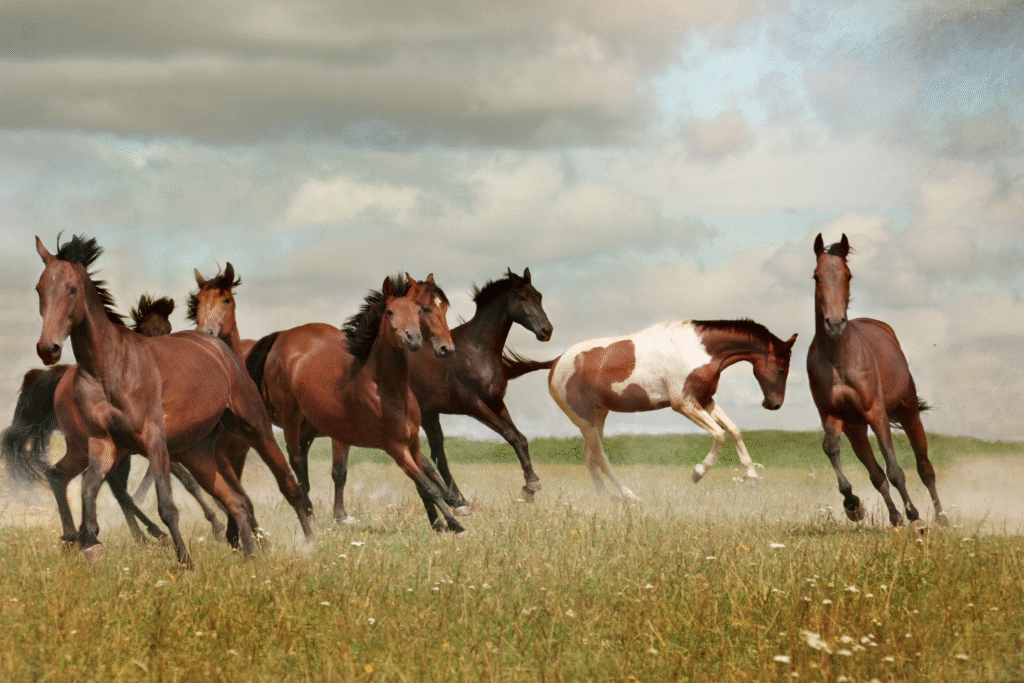
The virus does not circulate only among domestic horses. Wild equids and other animals can carry it without obvious illness, acting as reservoirs that sustain environmental presence.
This reality complicates control efforts. Even when domestic outbreaks are contained, reintroduction remains possible. Veterinarians recognize that eradication is unlikely once wildlife involvement occurs. Management shifts toward long term surveillance and seasonal preparedness. The virus becomes something to live with rather than eliminate, extending stress and vigilance indefinitely for equine communities.
8. Diagnostic capacity remains uneven across regions.
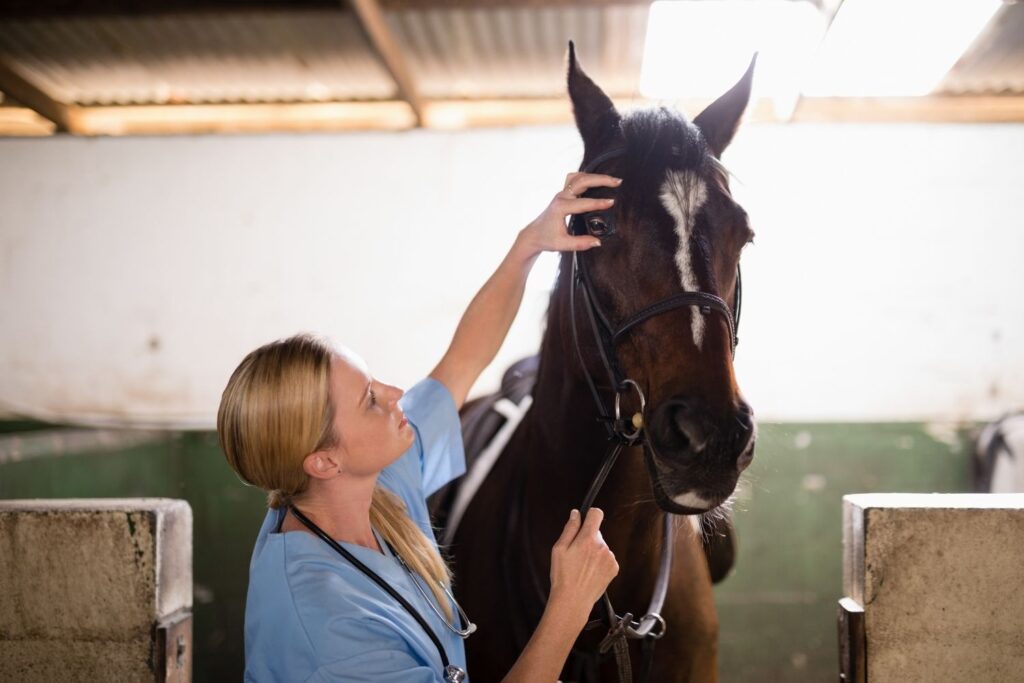
Confirming the virus requires specialized laboratory testing that is not available everywhere. Rural and under resourced areas often face delays due to transport time and limited diagnostic infrastructure.
Veterinarians worry that these delays cost valuable time. During outbreaks, days matter. Without rapid confirmation, quarantine measures lag behind transmission. Regions with strong diagnostic capacity respond early, while others detect the virus only after significant spread. This uneven detection undermines coordinated control and allows outbreaks to gain momentum before authorities can respond.
9. Economic damage spreads far beyond horse owners.
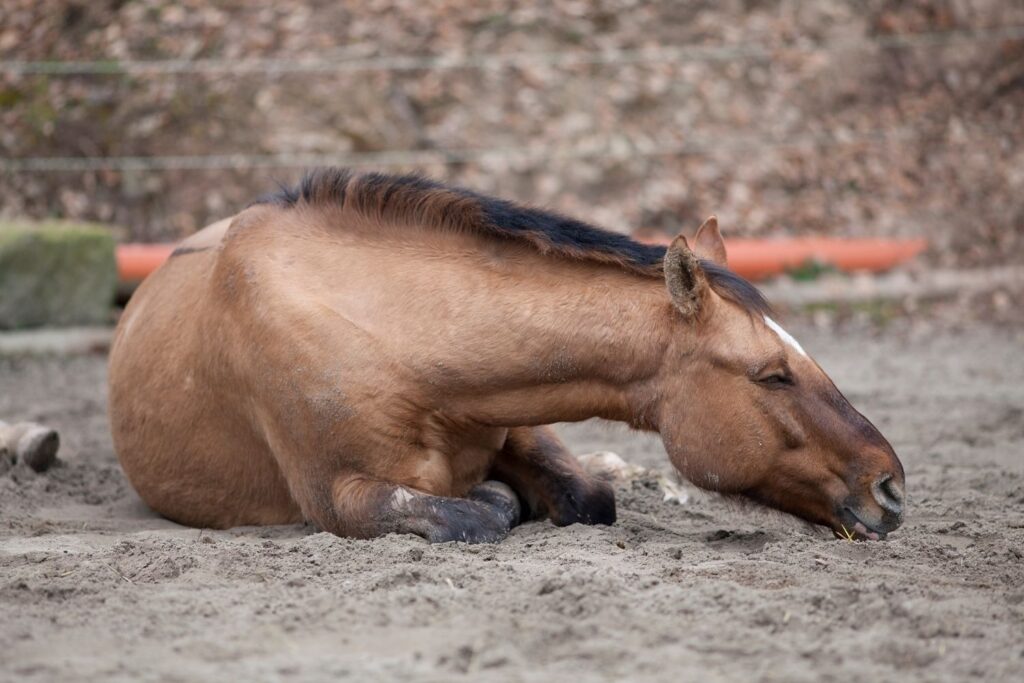
The impact of an outbreak extends well beyond individual animals. Movement restrictions, event cancellations, and trade bans ripple through racing, breeding, and agricultural industries. Entire local economies can be affected within weeks.
Veterinarians often find themselves in difficult positions. Reporting suspected cases may trigger shutdowns that harm livelihoods, yet delaying action risks wider spread. This tension complicates outbreak management. Economic pressure can unintentionally slow reporting, allowing transmission to continue. The virus threatens not only animal health, but the stability of equine dependent communities.
10. Climate trends suggest this threat is long term.

Perhaps the most troubling realization is that conditions favoring the virus are becoming persistent. Warmer winters, longer summers, and shifting rainfall patterns support continuous transmission cycles rather than isolated events.
Veterinarians increasingly see this virus as a permanent risk rather than a temporary emergency. Preparedness must evolve accordingly. Surveillance, vaccination planning, and owner education need to become routine rather than reactive. The fear is not only about the virus itself, but about adapting to a future where the environment increasingly favors its survival and spread.