
Heavy rains are destabilizing hillsides faster than urban planners can adapt.
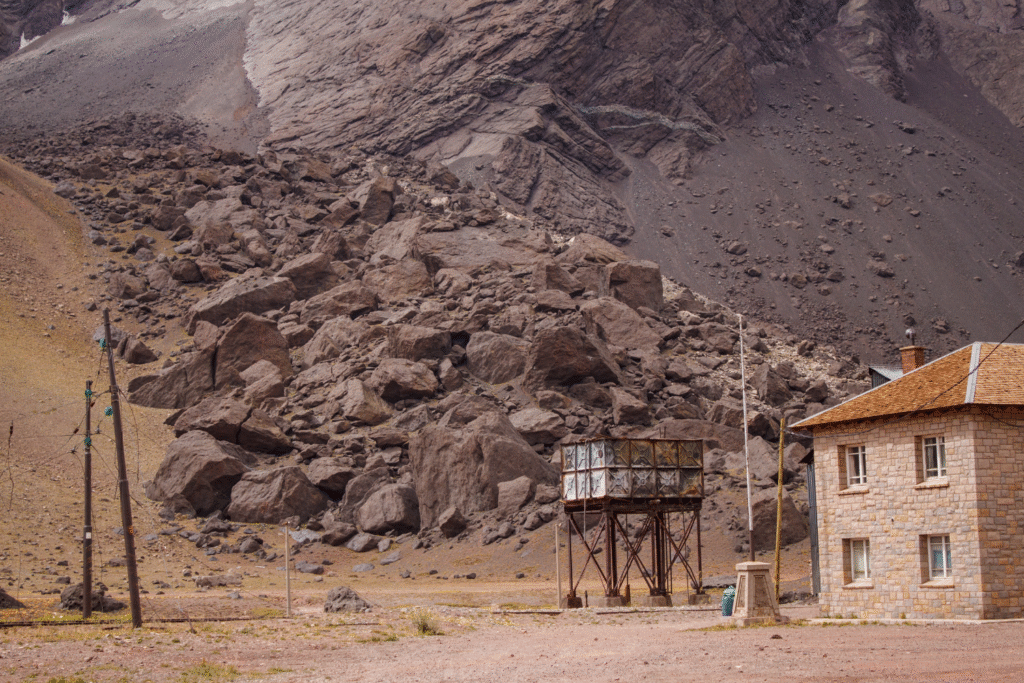
Minnesota, a state better known for snowstorms and lakes, is seeing a new kind of natural disaster unfold on its bluffs and hillsides. Intense rainfall, supercharged by climate change, is triggering landslides and rockfalls that threaten homes, highways, and neighborhoods in growing urban centers. The risk is no longer confined to rural areas—it’s arriving in Duluth, St. Paul, and smaller cities along the Mississippi River.
Scientists have warned that warmer air holds more moisture, producing heavier bursts of rain that overwhelm soils and slopes. Now, those warnings are visible in real time. The question hanging over city planners isn’t whether another slope will fail, but which community will be next. Minnesota’s fast-growing cities are suddenly realizing they sit on terrain more fragile than they ever imagined.
1. Rainfall extremes are the main trigger of Minnesota’s landslides.

Climatologists at the University of Minnesota have documented a sharp increase in short, intense rain events across the state over the last 20 years. Saturated soils lose cohesion, particularly along the Mississippi River bluffs, leading to collapses that can bury roads and threaten houses perched above, according to the Minnesota Department of Natural Resources.
The link between climate change and heavy rainfall is direct—warmer air stores more water, releasing it in heavier bursts. That shift means even familiar storms now carry enough force to destabilize landscapes once thought stable. For cities, it’s an unwelcome lesson that rainfall records are being rewritten in ways that come with a cost.
2. Duluth has become a case study in recurring slope failures.
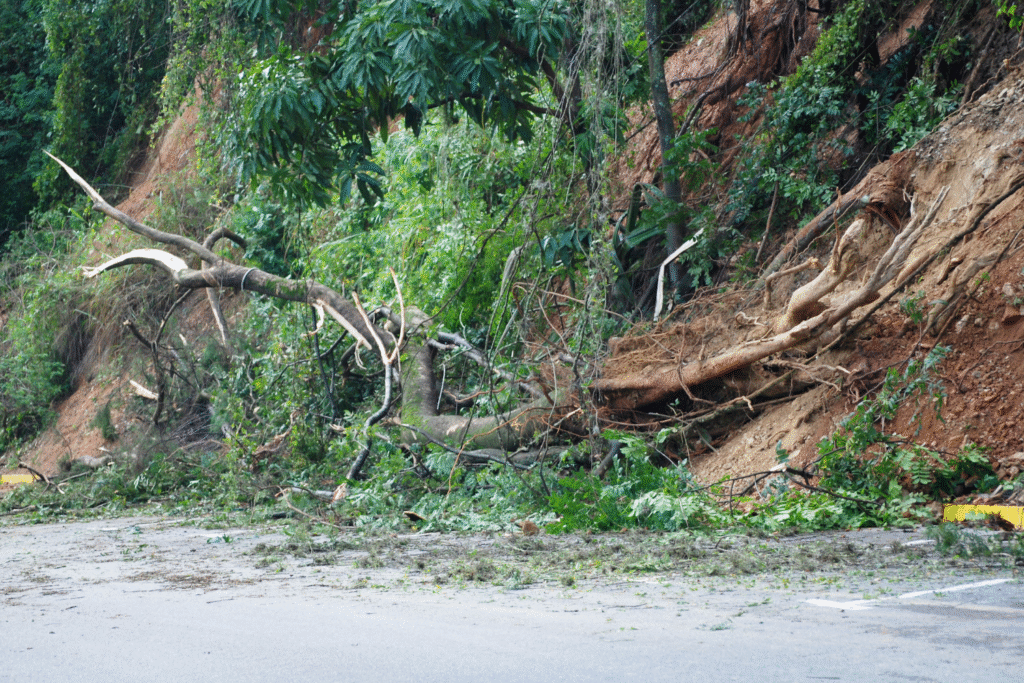
In 2012, a storm dropped 10 inches of rain in two days, washing out roads and destabilizing hillsides throughout Duluth. Damage estimates topped $100 million, and some scars remain today. More recent storms have produced smaller but more frequent slides, damaging trails and threatening utilities, ending the sentence with Star Tribune reporting.
The problem is that Duluth is built on steep slopes overlooking Lake Superior. What made the city scenic also makes it vulnerable. Each rainstorm now carries the potential for renewed damage, and rebuilding is a cycle that shows no signs of slowing.
3. Twin Cities suburbs are now facing similar risks.

As new housing sprawls into the river valleys of St. Paul and surrounding suburbs, construction often takes place near steep embankments. In 2014, a landslide near St. Paul’s Lilydale Regional Park killed two children on a school field trip, drawing attention to the hidden dangers. Investigations later pointed to unstable soils and heavy rains, as stated by the U.S. Geological Survey.
That tragedy forced city officials to acknowledge landslides not as rare freak events but as recurring threats. With neighborhoods expanding into marginal terrain, the risks are likely to grow unless development rules evolve quickly.
4. Highway systems are crumbling under slope failures.
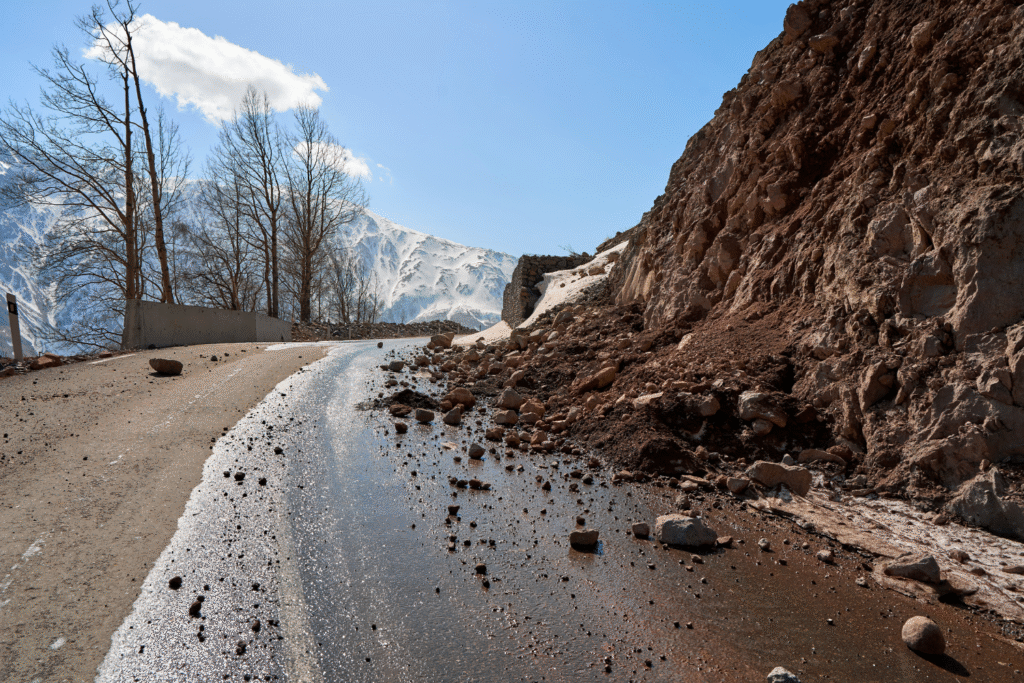
Minnesota’s transportation department has had to close stretches of roads repeatedly as hillsides collapse onto pavement. Highways near Winona and Red Wing, hugging the Mississippi bluffs, are particularly prone to slides that can block lanes for weeks. Clearing debris is costly, but reinforcing entire slopes is even more expensive.
For commuters and truckers, this means disruptions are becoming part of the norm. For taxpayers, it means rising infrastructure bills tied directly to climate-driven erosion. Each collapse is a reminder that critical arteries run through vulnerable terrain.
5. River towns are on the front lines of erosion.
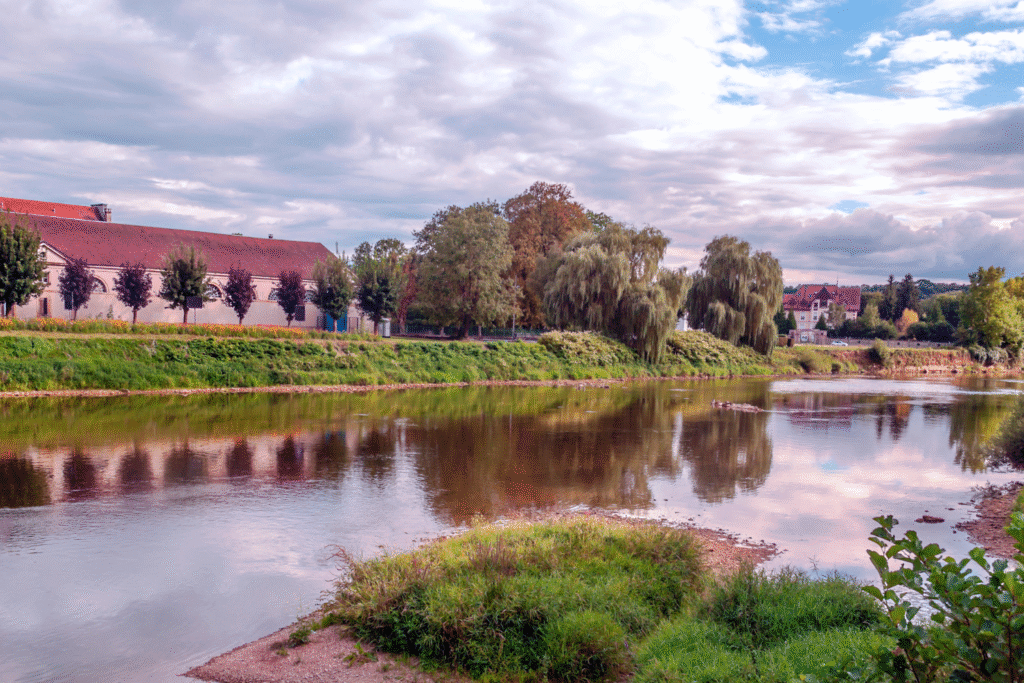
Communities built along the Mississippi are watching bluffs slowly fracture under the weight of heavier rains. In towns like Hastings and La Crescent, homeowners have reported cracks forming near foundations after intense storms. While some damage unfolds suddenly, much of it is creeping—small shifts in soil that eventually give way.
These river towns face the dual challenge of flooding and landslides, compounding risks that strain local budgets. The Mississippi has always been powerful, but now it’s joined by hillsides that no longer hold steady against the climate’s new extremes.
6. Emergency managers warn that response times are shrinking.
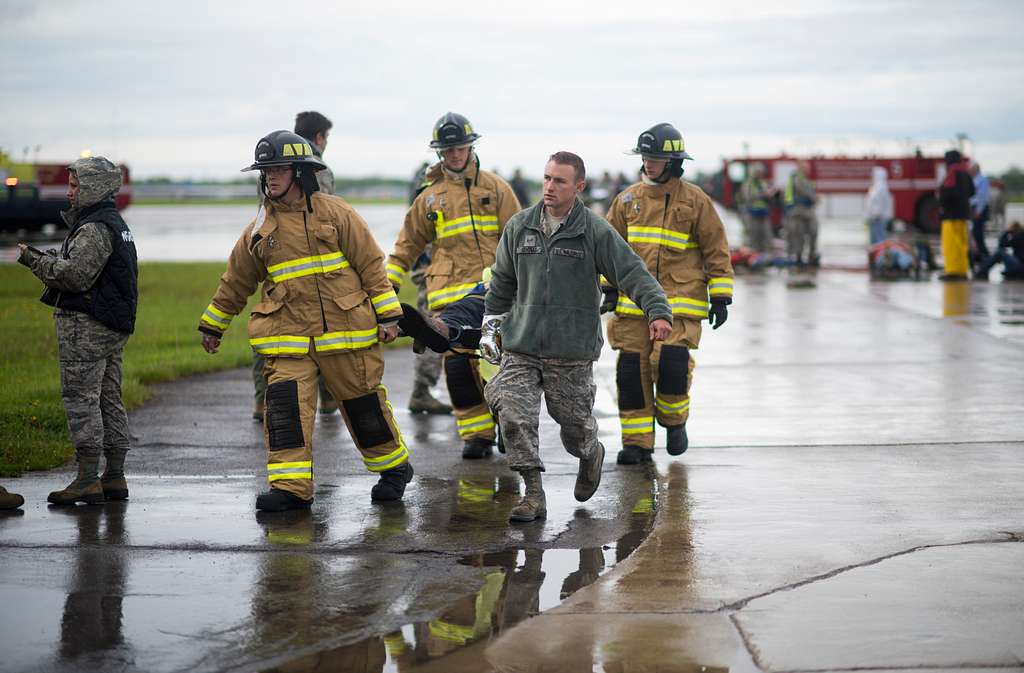
Landslides are difficult to predict with precision. Officials often rely on rainfall totals and slope monitoring, but collapses can occur suddenly with little warning. For fire departments and rescue crews, that means they often arrive after damage is done.
This lack of lead time forces communities into reactive mode, rather than prevention. Emergency managers argue that more investment in slope monitoring and hazard mapping could buy precious hours, but for now, preparedness often feels like chasing the problem after it starts.
7. Developers are building into risky terrain.
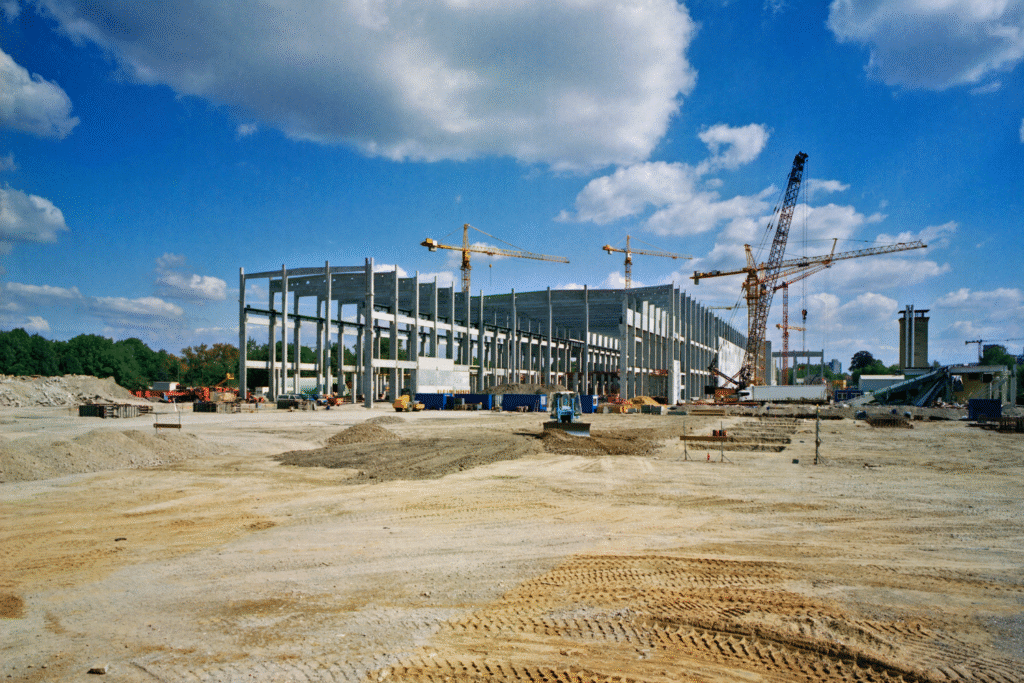
Population growth has pushed housing into steeper landscapes, particularly near Minneapolis-St. Paul. The demand for scenic views means construction often occurs on lots with marginal stability. While building codes address flooding and wind, they rarely anticipate slope collapse.
This mismatch leaves new homeowners unknowingly exposed. Once cracks appear or slopes begin to shift, the cost of stabilization can run into the hundreds of thousands. For many families, that financial burden is devastating.
8. Insurance coverage rarely fills the gap.

Standard homeowners’ insurance does not typically cover landslide damage. This leaves residents to shoulder the cost of repairs or relocation. After recent slides in southeastern Minnesota, some families were forced to abandon homes entirely.
The insurance gap highlights how climate-driven risks aren’t just about physical safety—they’re also economic. Without structural coverage, families in vulnerable areas face a future where one heavy storm can erase decades of investment.
9. Scientists say mitigation is possible but underfunded.

Techniques such as reinforcing slopes with retaining walls, planting vegetation, and improving drainage systems can reduce landslide risk. Yet these solutions require funding, planning, and long-term maintenance. Minnesota’s hazard mitigation budget is limited, leaving many cities unable to implement comprehensive projects.
Without intervention, the cycle of damage and repair continues. Scientists argue that prevention is cheaper than recovery, but convincing policymakers to spend upfront has proven difficult.
10. Climate projections suggest the problem will intensify.

State climate models project that Minnesota will continue to see more frequent and intense rainstorms through the end of the century. This means landslides, once considered rare, are likely to become routine events.
For cities, that reality forces hard choices: where to allow building, how to reinforce infrastructure, and how to fund prevention. The landslides already occurring are not isolated disasters—they are previews of a future where stability is no longer guaranteed.