
The discovery is forcing experts to reconsider when permanent life began in the Southwest.
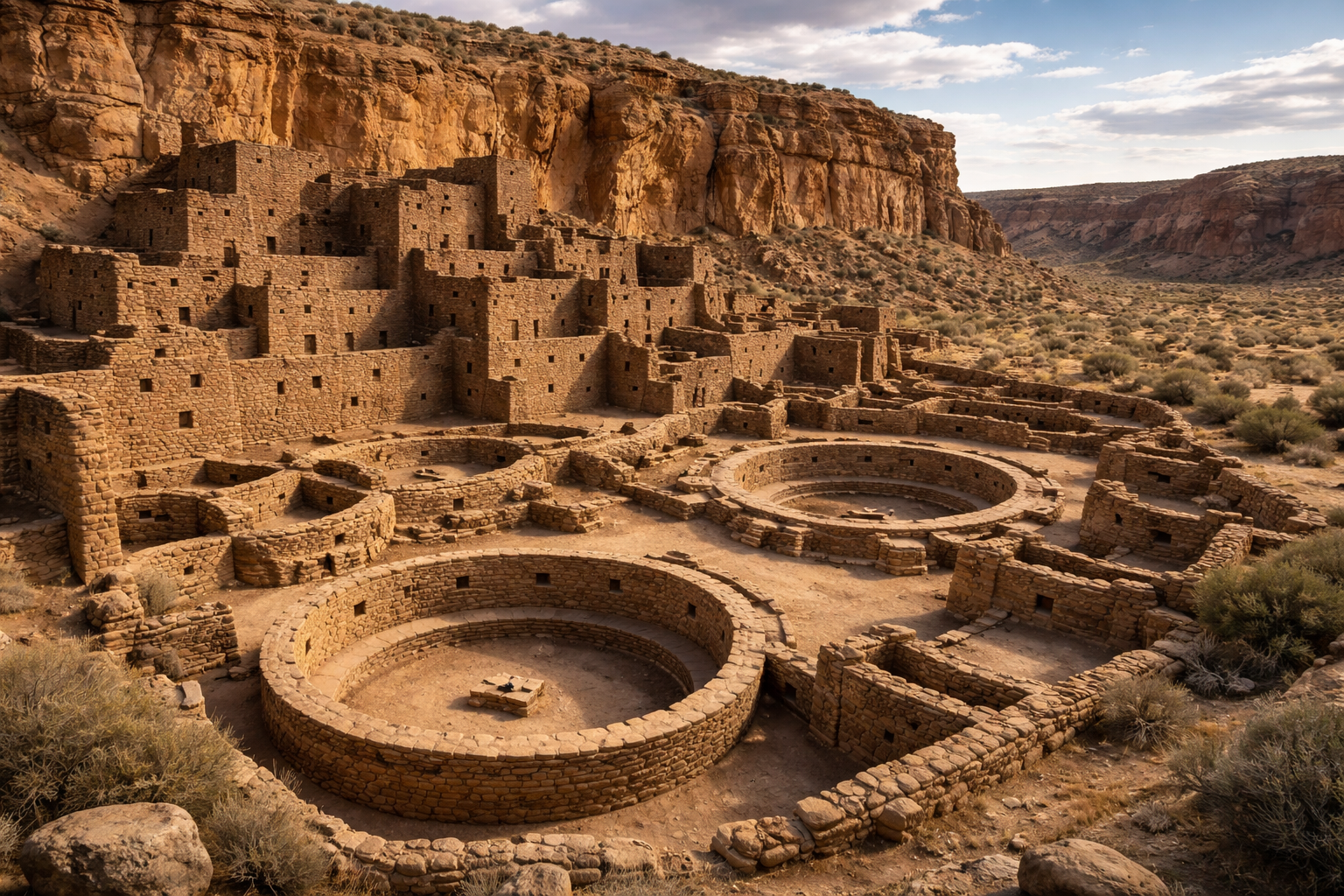
At first, it looked like ordinary sediment, layer upon layer of windblown earth settling over centuries. Then subtle outlines began to emerge. Depressions that were too symmetrical to be accidental. Hearth stains too deliberate to ignore. What archaeologists uncovered in the Middle Rio Grande Valley was not just another campsite, but something far more rooted. Beneath the quiet soil near Albuquerque lay evidence of people who stayed, returned, and shaped space long before historians believed such patterns existed in the Southwest. The deeper the excavation went, the more assumptions began to shift.
1. Radiocarbon tests revealed an unexpectedly ancient timeline.
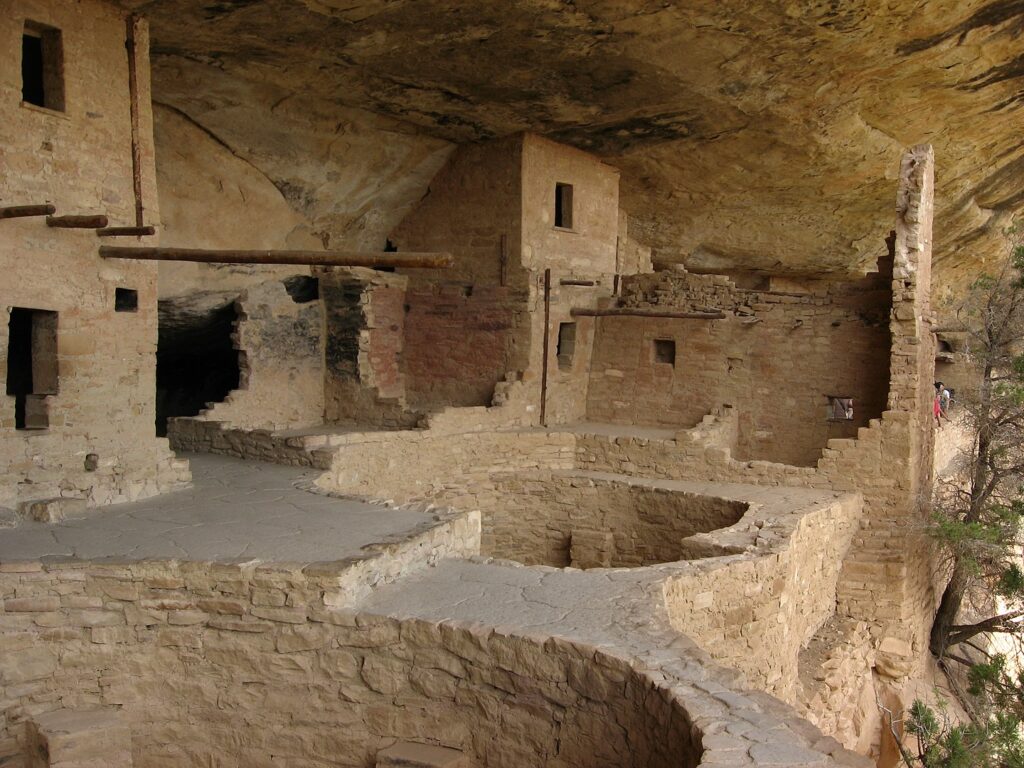
Researchers collected charcoal fragments from hearths embedded within the floors of the dwellings, and the resulting radiocarbon dates consistently pointed to an age of about 8,800 years. Additional soil samples strengthened the estimate, according to Smithsonian Magazine. The agreement across different testing methods pushed the findings from surprising to definitive, leaving researchers with a timeline that exceeded earlier expectations.
The tests confirmed these were not late Archaic shelters but some of the earliest residential structures ever found in the region. The moment the results settled, the excavation team returned to the stratigraphy with renewed focus, realizing they had uncovered a rare record of early Holocene settlement. The dates anchored the site firmly in a period long before agriculture took hold in the Southwest.
2. The homes showed deliberate layout choices rarely seen this early.
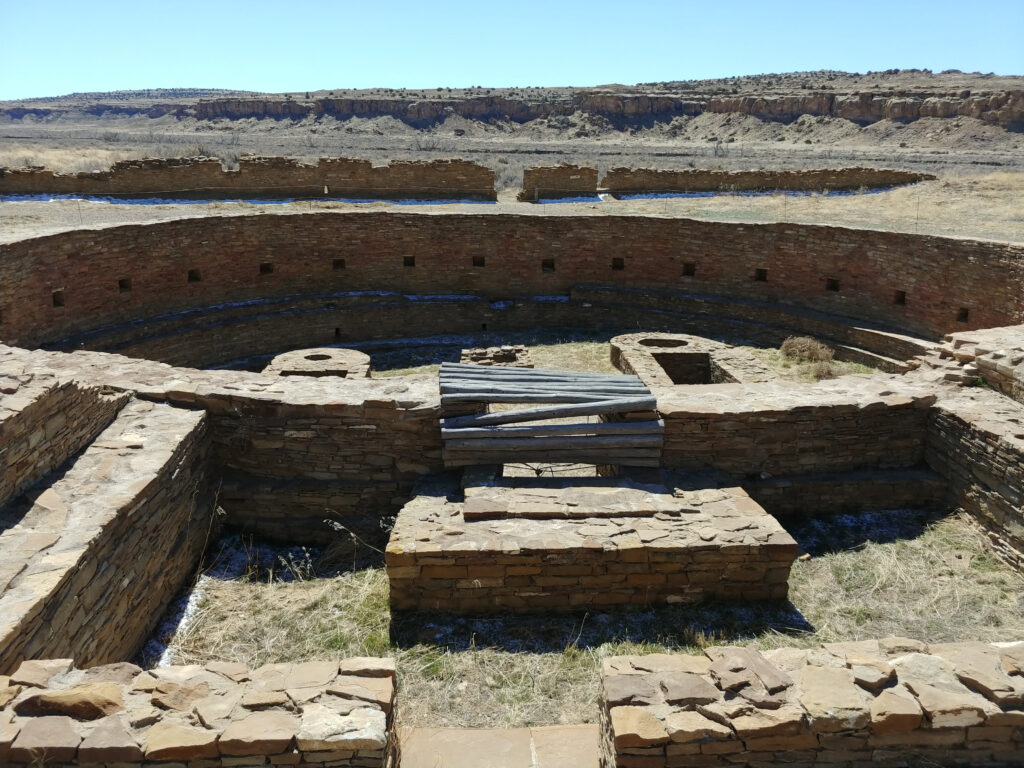
As excavation expanded outward, archaeologists uncovered a cluster of shallow depressions forming circular and oval structures with defined floor areas. Some held clear entry points and interior divisions that hinted at repeated use and purposeful design, as stated by the University of New Mexico. The preservation allowed researchers to reconstruct how movement likely flowed within each structure.
This layout suggested a community comfortable shaping living spaces rather than relying solely on temporary shelters. The floors were compacted from long term occupation, and the hearths sat in consistent positions across multiple dwellings. These patterns pointed to a level of stability not commonly associated with populations of this time period, challenging long standing assumptions about mobility.
3. Stone tools connected the excavation to early regional cultures.
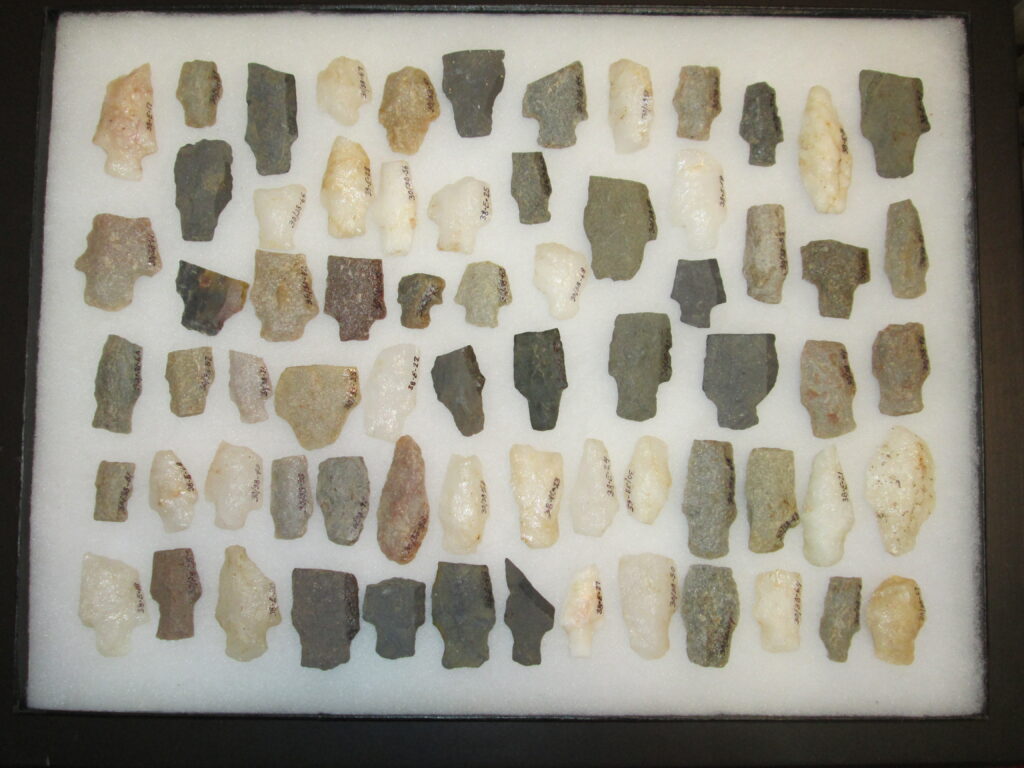
Lithic specialists cataloged scrapers, blades and early projectile points scattered across the floors. Many resembled early Holocene tool traditions from the surrounding region, yet they carried unique variations that set them apart, as discovered by Archaeology Magazine. Several tools bore detailed repair marks, suggesting they were maintained and reused for extended periods.
Their distribution showed that activities were shared among households rather than separated by dwelling. Microscopic wear patterns pointed to hide processing, plant harvesting and woodworking. These details helped researchers reconstruct daily routines in the settlement and understand how community members divided labor while maintaining collective access to their tools.
4. The hearths captured the rhythm of everyday life.
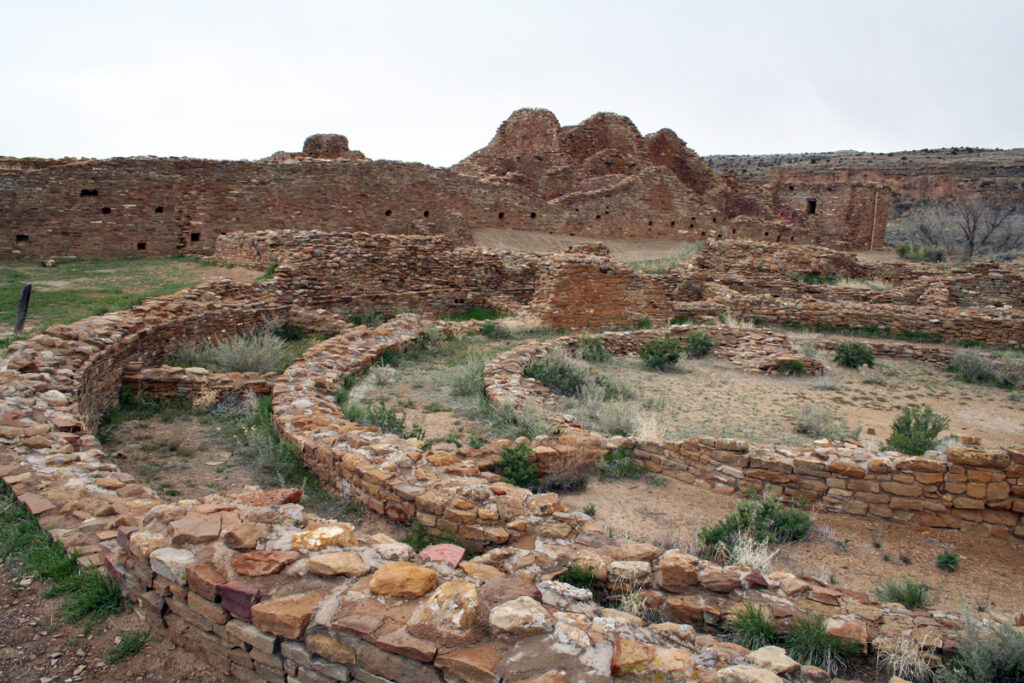
Inside each dwelling, hearths held multiple layers of ash, charcoal and fire cracked stone. Analysis revealed burning episodes that repeated over long spans, indicating families returned to these homes season after season. Charcoal species included piñon and desert shrubs, which reflected predictable fuel gathering routes around the valley. The hearths sat centrally in each structure, anchoring how the rest of the space was arranged.
The ash layers revealed slow changes in fuel type, hinting at shifts in seasonal availability. Cooking debris around the hearths suggested shared meals eaten in similar patterns across the community. These subtle traces gave researchers a glimpse of domestic routines that endured long enough to leave a consistent archaeological signature.
5. Soil layers documented the quiet abandonment of the village.

Stratigraphic analysis showed no signs of fire, conflict or sudden destruction. Instead, windblown sediment gently filled the homes over centuries. This slow accumulation suggested the people eventually moved on, leaving the dwellings intact. The absence of rebuilding layers implied they did not return to the site, marking a clean transition rather than a cyclical occupation.
The preserved outlines allowed archaeologists to see the site in its final lived form. Over time, the basin filled and the structures disappeared beneath the surface. Later cultures did not disturb the area, allowing the early Holocene settlement to remain untouched until modern excavation exposed it once again.
6. Animal remains revealed a diverse hunting strategy.
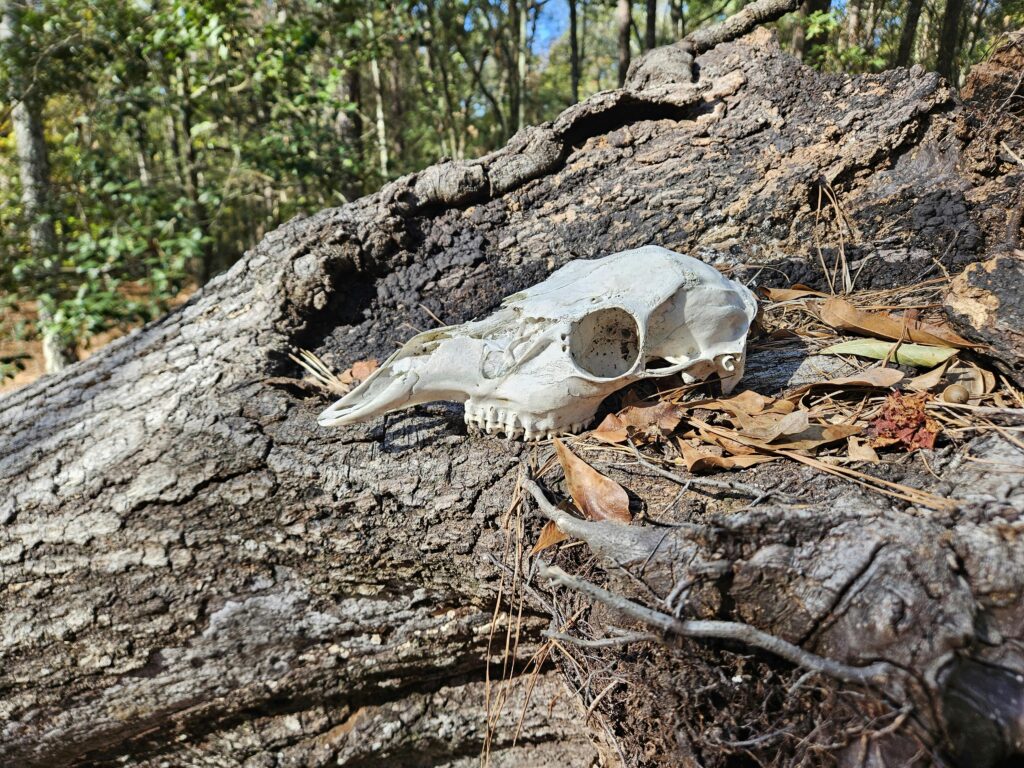
Faunal analysis identified pronghorn, mule deer and jackrabbit bones scattered around the dwellings. Many carried cut marks from stone tools, showing how the community processed meat onsite. The range of species suggested the people adapted their hunting to shifting migrations and seasonal availability rather than relying on a single source of protein.
Some bones had been cracked open for marrow extraction, a sign of resource efficiency. The placement of remains near hearth areas indicated butchering and cooking often occurred in shared outdoor zones. These details helped researchers understand how the community balanced mobility with stability, maintaining a broad hunting repertoire while returning to the same settlement.
7. Plant residues showed early food processing behaviors.
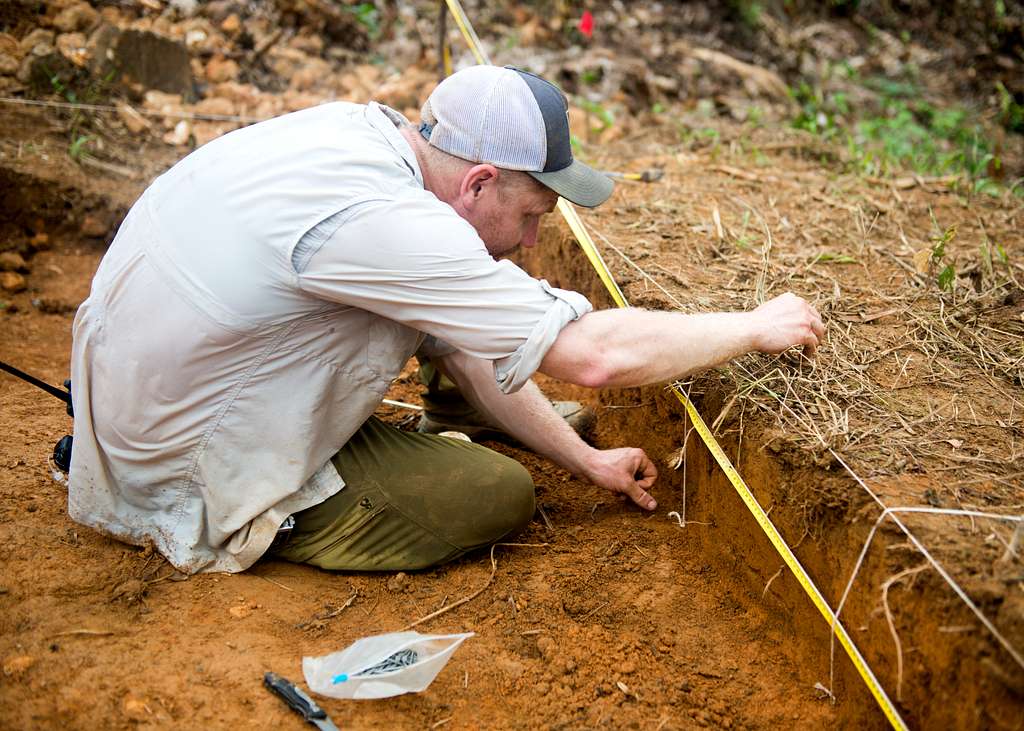
Soil samples taken from the floors contained microscopic seeds and fragments from wild grasses, roots and flowering plants. Many matched species still found in the Middle Rio Grande Valley today. Their presence in concentrated patches suggested intentional gathering rather than incidental tracking. The pattern pointed to early foraging systems that relied on multiple plant types.
Wear marks on select stone tools supported this interpretation. Some stones showed grinding and chopping traces consistent with plant preparation. Although this was long before agriculture, these findings revealed a community experimenting with processing methods that would later become foundational in the region’s subsistence patterns.
8. Evidence of a long dry water basin explained the settlement’s location.

Sediment cores taken near the site contained traces of aquatic plant material, revealing that a seasonal water basin existed during the early Holocene. This feature would have attracted wildlife and supported plant growth, creating a predictable resource hub for the community. Its location explained why the dwellings clustered in this specific part of the valley.
As the basin slowly dried across centuries, the land lost some of its seasonal reliability. These environmental changes likely influenced the community’s eventual move. The presence of water during the settlement’s peak helped researchers reconstruct the ecological forces shaping early habitation choices.
9. Soil chemistry mapped ancient activity zones with precision.
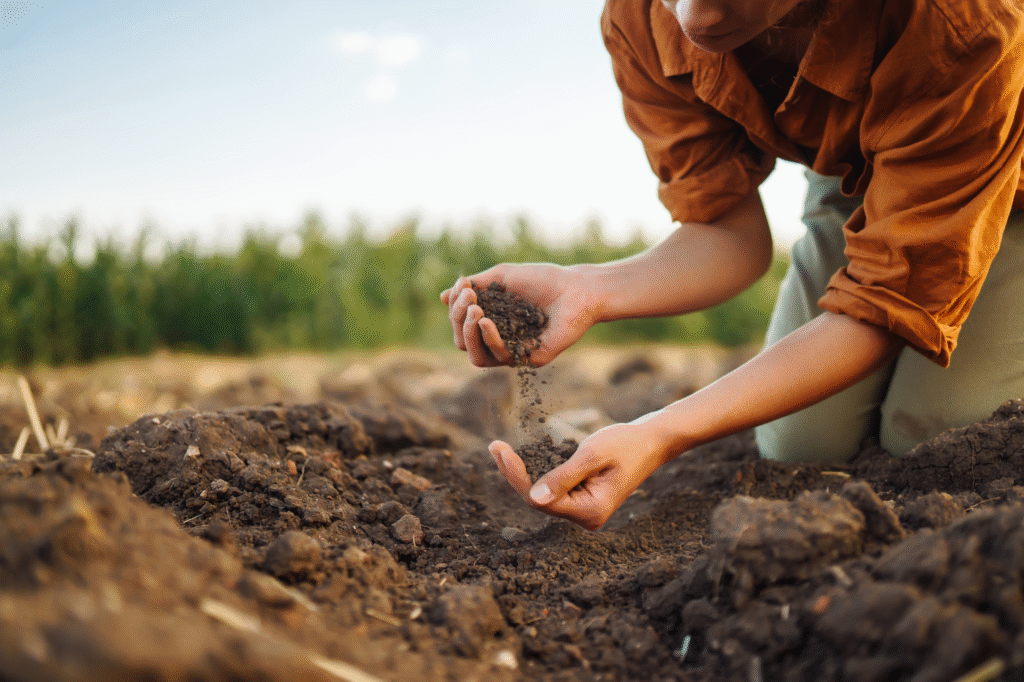
Chemical testing revealed elevated phosphorus and carbon concentrations in specific areas, marking food preparation, disposal and communal gathering points. These chemical signatures aligned with artifact patterns and helped outline boundaries between domestic tasks. Each dwelling displayed its own concentrated zones of activity, reinforcing the idea of structured space use.
Even without preserved walls, the soil acted as a detailed blueprint. By reading its chemical patterns, researchers could visualize where people cooked, slept or performed daily tasks. The residues became one of the strongest lines of evidence that these homes were occupied repeatedly over long periods.
10. The discovery reshapes the earliest chapter of Southwestern history.
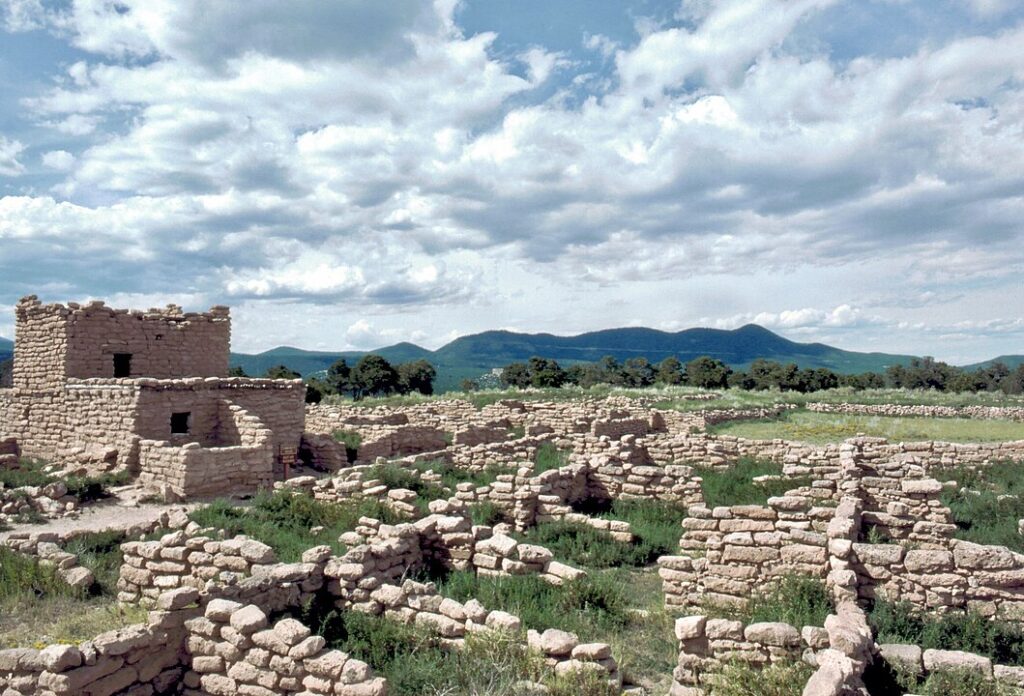
Before this excavation, most archaeologists believed semi permanent dwellings appeared in the Southwest several thousand years later. These structures push that timeline back dramatically and suggest early populations experimented with stable living far earlier than previously thought. The findings reveal a community that blended mobility with settlement in ways that complicate long held narratives.
This discovery forces a reconsideration of how people adapted to post Ice Age environments. It shows early groups shaping landscapes with greater intention, building homes that anchored them seasonally and socially. In the soil outside Albuquerque, a much older story of human presence has emerged, quiet but unmistakable.