
A sudden torrent leaves the city reeling.
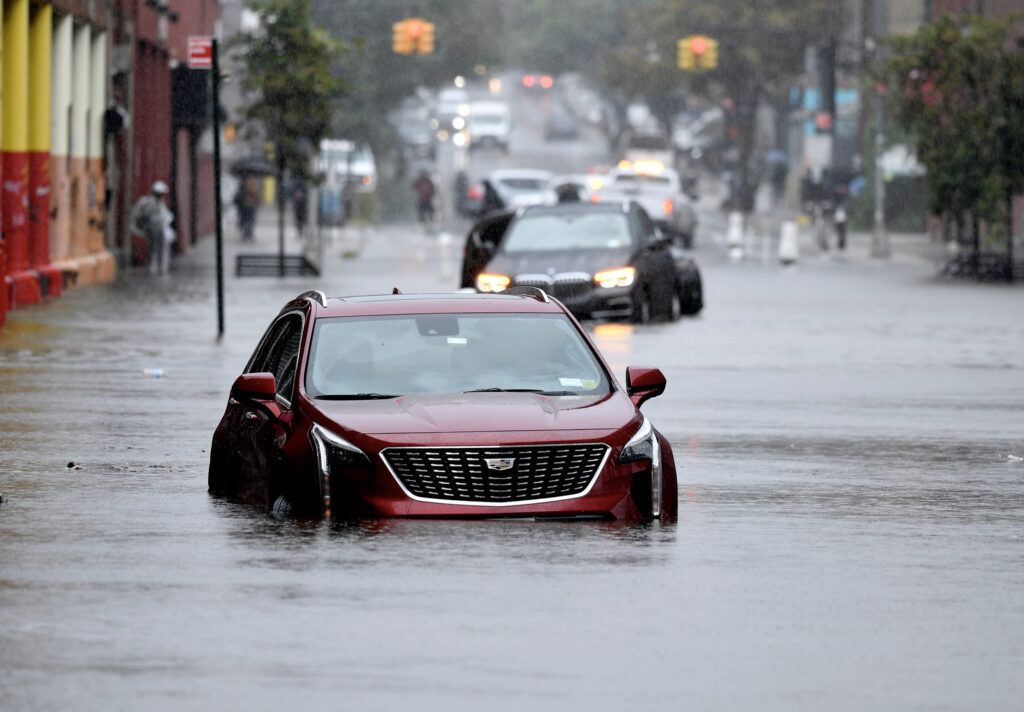
New York City was hit by an intense rainstorm that dumped what typically falls in hours into mere minutes, leaving streets submerged, basements flooded and transit halted. Two people died after being trapped in rapidly rising water in separate basement incidents. The storm exposed the city’s vulnerability to abrupt weather extremes, overwhelming drainage systems and stranding residents in their homes. As floodwaters rushed through Manhattan and Brooklyn, it became clear that the Big Apple’s infrastructure may not be ready for the scale of change now arriving with each downpour.
1. The storm dumped record rain in under ten minutes.
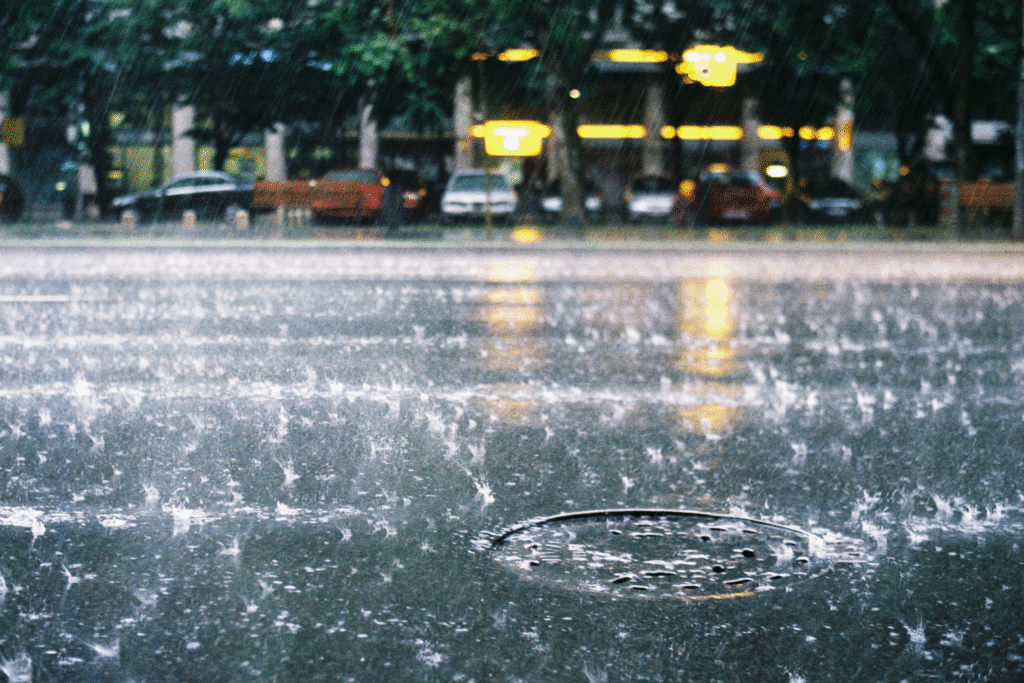
In the afternoon of October 30 2025, New York City experienced a downpour that shattered historical rainfall records, Central Park saw 1.85 inches while LaGuardia recorded 2.09 inches, reported by Reuters. The National Weather Service noted much of the precipitation fell in less than ten minutes, a rate the city’s storm-sewer system cannot contend with. Roads turned into rivers, cars were floating and subway entrances became choked entrances to basements. That shocking intensity demonstrates how quickly urban systems can fail when nature pushes past their design limits.
2. Two men died in flooded basements amid the chaos.

One of the victims, a 39-year-old man in Brooklyn, tried to save his dog from his flooded basement before becoming trapped, while the second, a 43-year-old man in Manhattan, was found in a submerged boiler room. Basement apartments and utility spaces filled within minutes, leaving residents no time to escape. As stated by the Associated Press, both deaths were directly linked to flash flooding caused by the record rainfall. The tragedy underscores how New York’s below-street housing, often a refuge from the city’s cost of living, can instantly turn deadly when infrastructure meets extreme weather.
3. Subway stations, roads and airports were overwhelmed by the floodwaters.
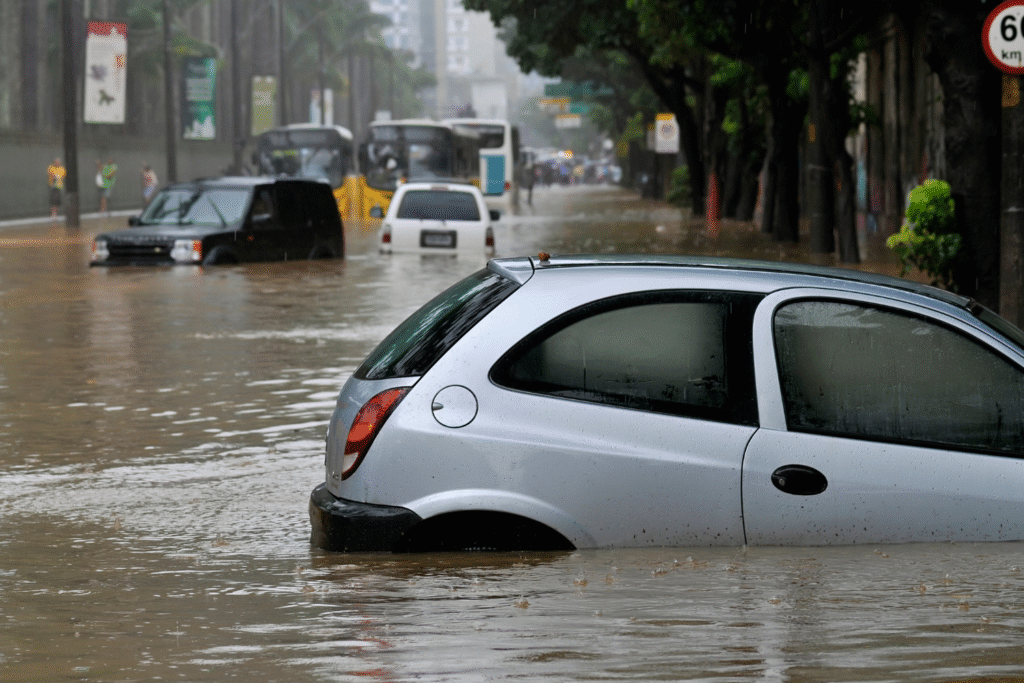
Multiple subway stations were submerged, highways were closed and flights were disrupted at JFK, LaGuardia and Newark—lessons that followed previous storms, as discovered by the AP. Commuters found themselves stranded, and emergency responders struggled to reach flooded areas. The storm shut down large swaths of New York’s transportation network, making what should have been routine travel into a survival challenge.
4. Basement dwellers were among the most exposed to danger.
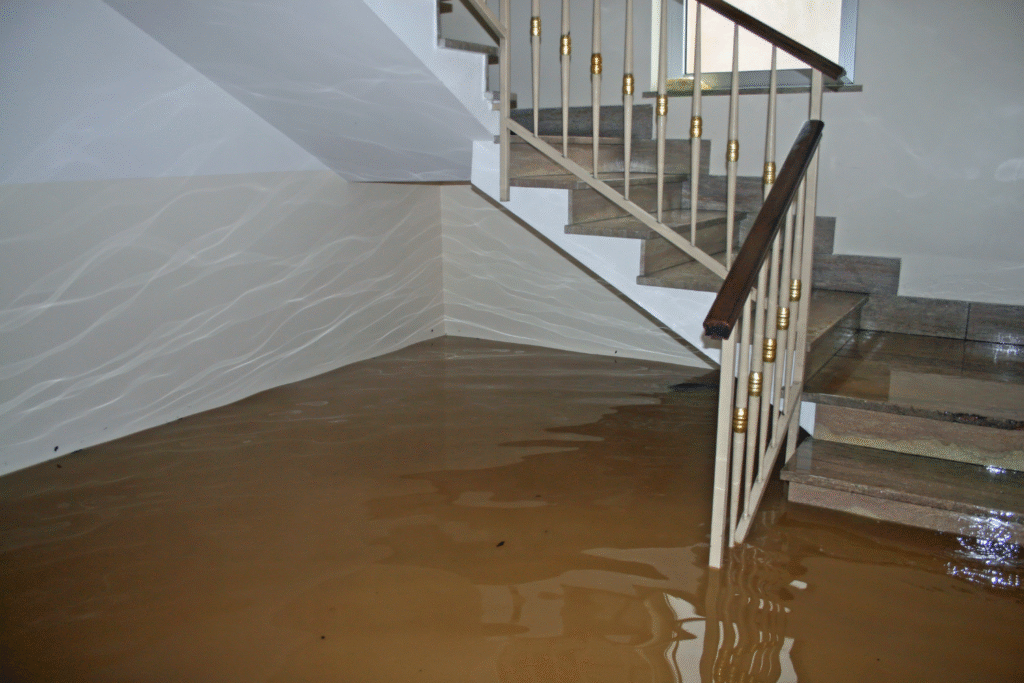
Homes below street level offered little refuge when the deluge struck. Basements filled with water faster than residents could react, cutting off exits and leaving little time to move to safety. Those in laundry rooms, boiler-rooms or residential cellars found themselves trapped as floodwaters rose silently. Building designs that once seemed secure suddenly lacked escape routes. For many, the flood laid bare the risks of living underground, and the reality is that even well-built urban structures can become death traps in minutes.
5. The city’s sewer and storm systems couldn’t handle the volume.
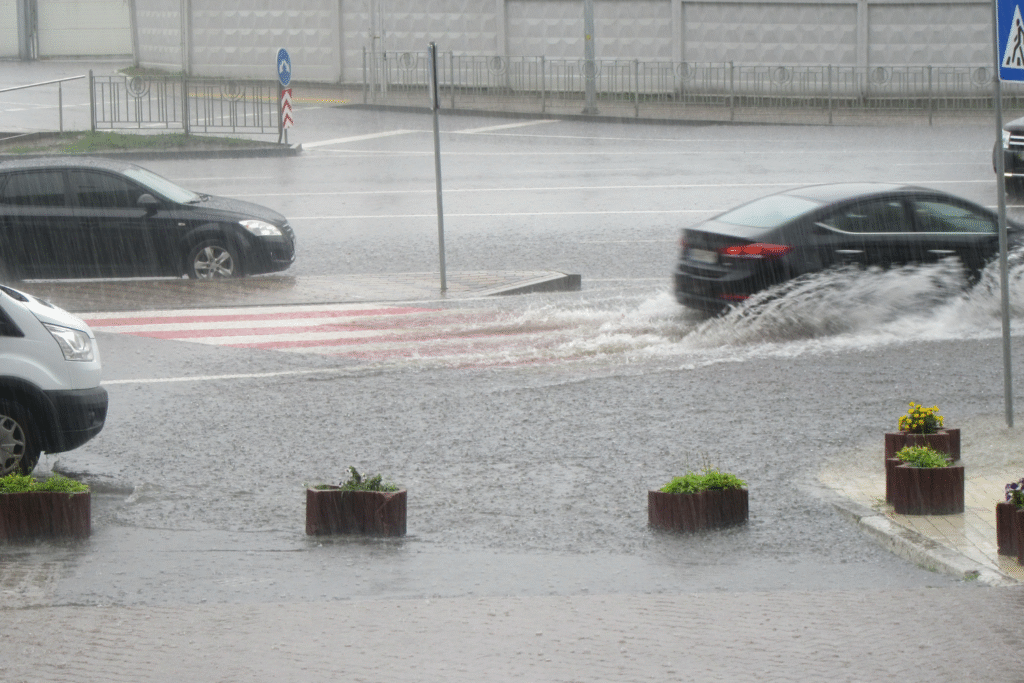
New York’s drainage infrastructure was not built for this kind of intensity. Storm drains designed for roughly 1.75 inches of rain per hour were inundated by double that in minutes, forcing water into streets, stations and buildings. With debris, fallen leaves and aging pipes blocking flow, the downpour cascaded into anything low enough to catch it. The failure of these systems shows how infrastructure can lag behind the speed of climate change, turning familiar neighbourhoods into extreme hazard zones almost overnight.
6. Air travel and commerce were ground to a halt during the deluge.
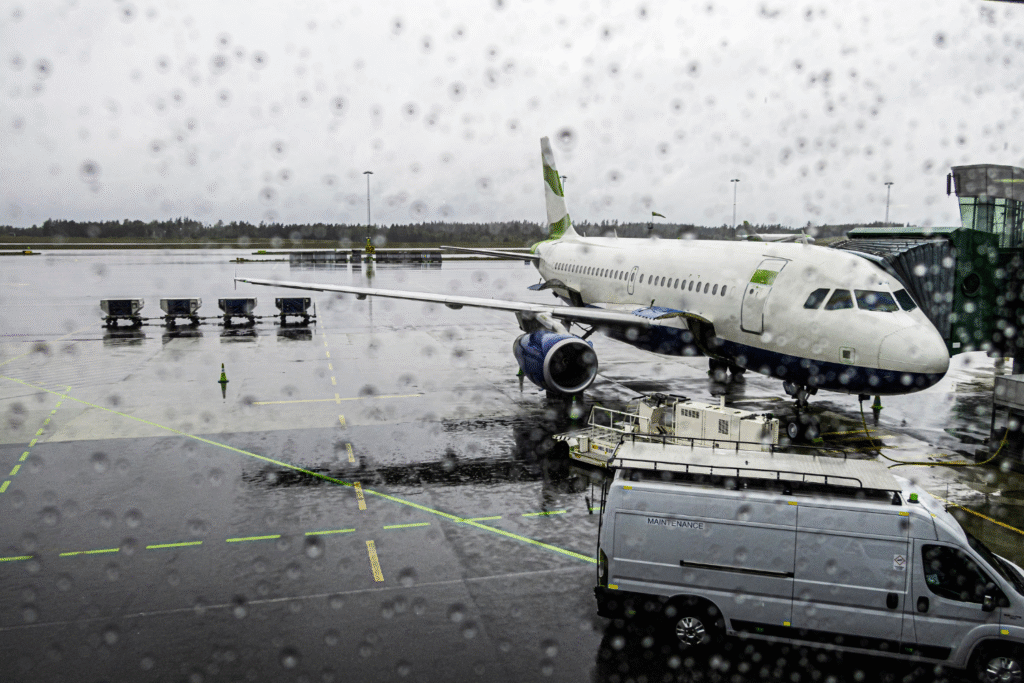
As flights were delayed, cancelled and diverted at New York’s major airports, the ripple effects spread through logistics and shipment routes. Businesses relying on time-sensitive deliveries, commuter workers on halted transit and retailers with flooded storefronts all felt it. The flood revealed how intertwined an urban flood event is with economy and mobility: when the city pauses, so does everything connected to it.
7. These floods raise questions about the city’s climate preparedness.
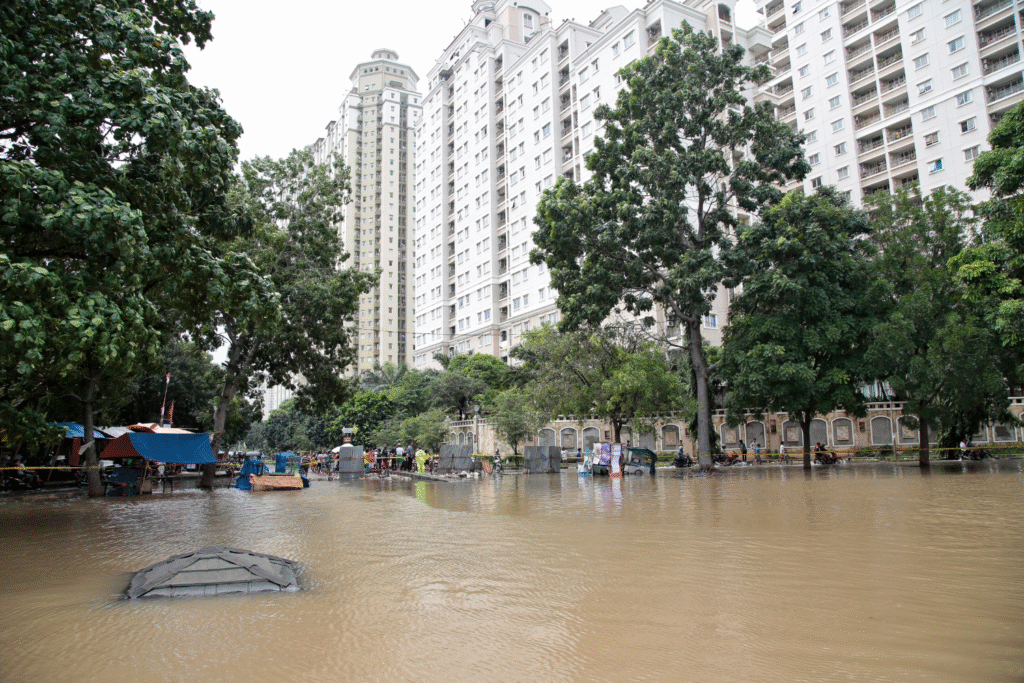
The rapidity of the event and the scale of damage expose gaps in New York’s adaptation efforts. Despite billions being spent on storm-water infrastructure, the rain exceeded past thresholds. Scientists now warn that what was once rare—a downtown flood event in under an hour—is becoming far more common. The shifting baseline means the city must rethink not just incremental upgrades but systemic resilience if it hopes to keep up with the pace of change.
8. Residents found themselves dealing with immediate survival challenges.
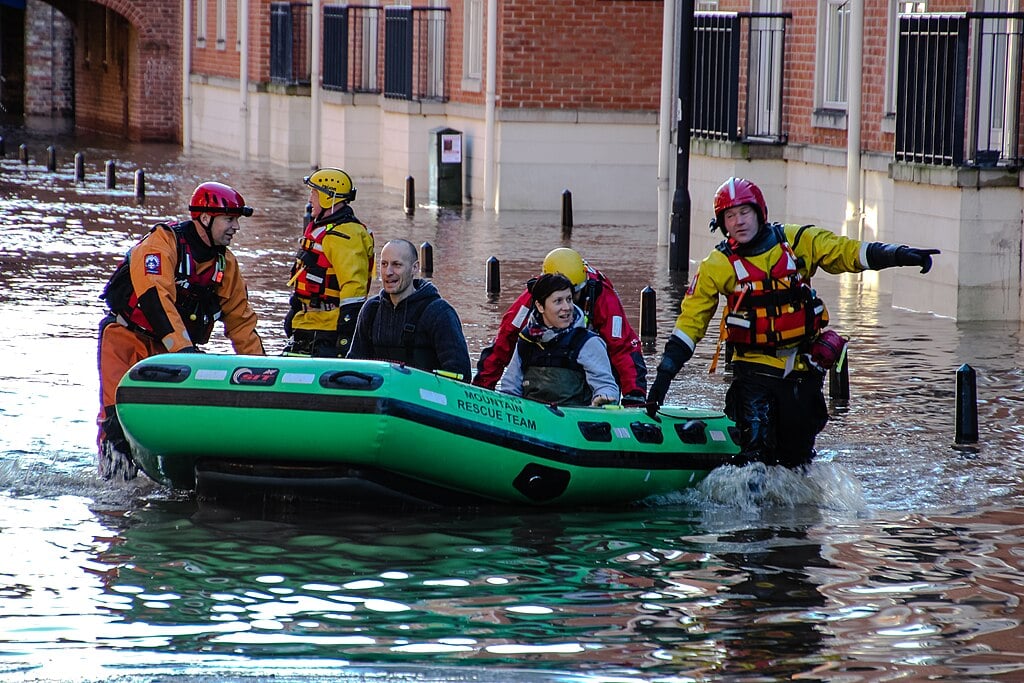
Stranded vehicles, submerged walk-ins, rising water levels and cut-off power forced people into emergency decisions. Many escaped only because they were above street level; others had to wade through water or await rescue. Families found valuables ruined, basements contaminated. These were not just property losses—they were human disruptions, emotional scars in communities forced to face calamity with little warning.
9. Flood zones expanded beyond traditional hotspots.
Areas not previously considered high-risk found themselves underwater, as the burst of rain spread laterally into neighbourhoods across Brooklyn, Queens and the Bronx. Streets that rarely streamed water now became flood channels. This expansion shows how climate-driven extremes are redefining the geography of risk—what was safe yesterday may not be safe today, and underlines the unpredictability facing urban residents.
10. The event underlines the link between extreme rain and climate change.
Experts say storms like this are becoming far more frequent and intense because warmer air holds more moisture, making downpours heavier. In New York’s region, rainfall events above any given threshold have already doubled in frequency over recent decades. The storm wasn’t just bad luck—it fits into a broader pattern of changing climate dynamics. For a city built on the assumption of rain that falls slowly, this event offers a stark wake-up call.