
Early habits determine everything for these breeds.

Some dogs grow into themselves calmly, almost easing into adulthood with little fuss. Others do not offer that luxury. Their instincts take over fast, and without early training, the sweet puppy in your arms can turn into a force you struggle to redirect. None of these breeds are bad. They are simply powerful thinkers and movers that need guidance before their natural drive finds its own outlet. Once that window closes, daily life can become a challenge you never expected.
1. Siberian Huskies test limits the moment they mature.
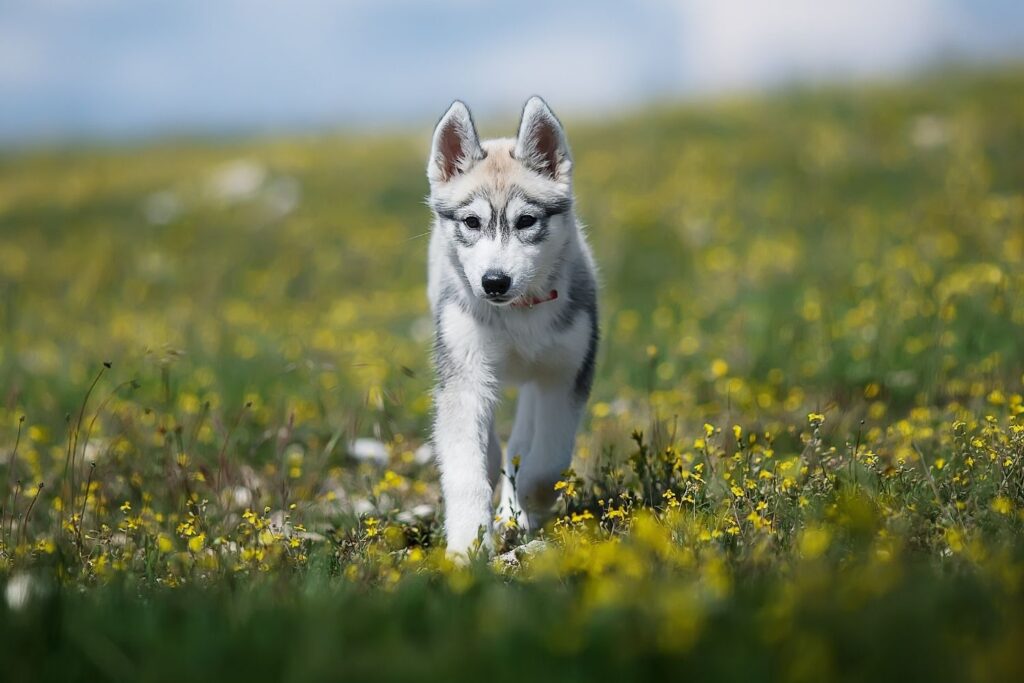
Huskies are bred to solve problems independently, and that instinct can override basic commands quickly according to the American Kennel Club. Their endurance and drive make them incredible partners, but without early structure they slip into escape behavior or nonstop vocal demands. They learn fast, but they also learn whatever works for them.
Owners often underestimate how much routine a Husky needs. Once they decide the world is one big exploration track, teaching boundaries becomes twice as hard. The window where they imprint on expectations is narrow, and that is where consistent reinforcement makes all the difference between harmony and chaos.
2. Belgian Malinois require guidance before instincts accelerate.
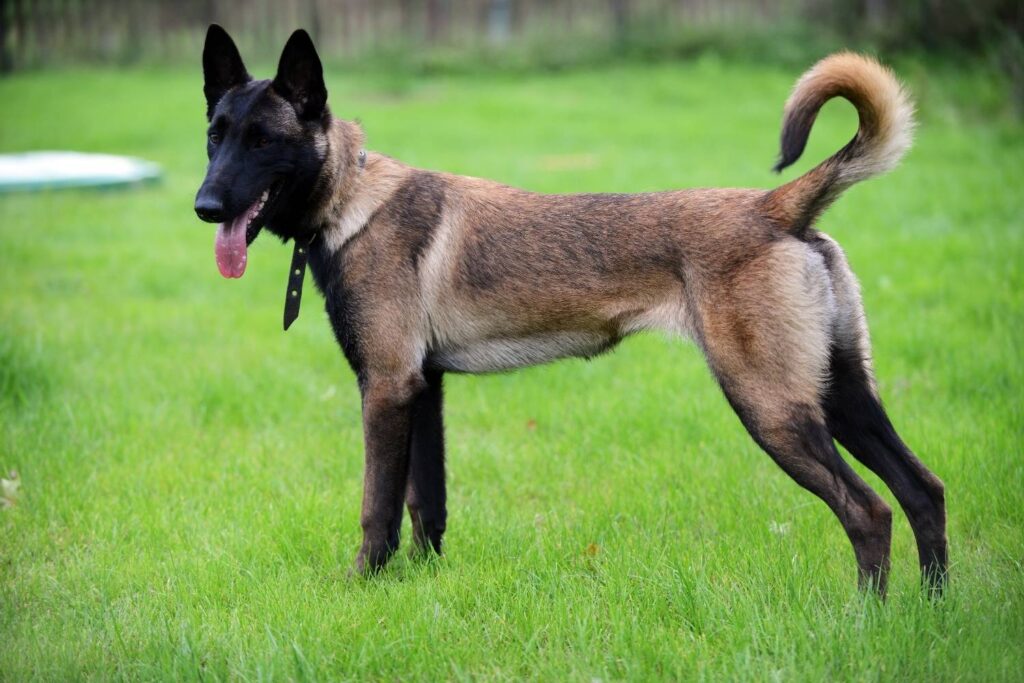
The Malinois has a sharp mind and unmatched energy as stated by the United States Army. That combination becomes overwhelming when young dogs discover how quickly they can control environments through movement alone. Their herding and protection instincts rise early, and without direction they redirect that drive toward chasing, guarding or controlling household spaces.
Training them during the first months anchors their focus. If that step is skipped, they form habits that mirror work behavior without understanding context. They thrive when given purpose. They struggle when left to create their own version of it.
3. Jack Russell Terriers overwhelm households without early rules.
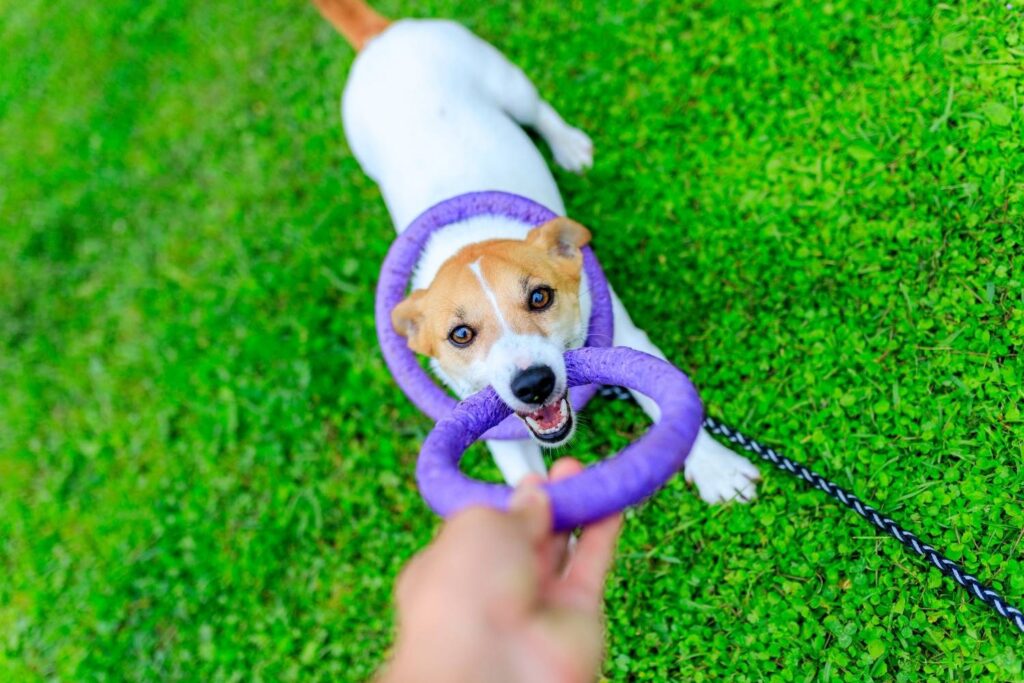
This small breed carries a working dog mentality as reported by the Guardian. Their intensity builds the moment they realize they can outthink or outrun their environment. They bark when stressed, they bolt when unstimulated and they cling to routines that favor constant action. Training gives them a blueprint for slowing down.
Families who let their Jack Russell set the household rhythm often feel outmatched by adolescence. Once these dogs commit to their own routines, shifting them to calmer habits becomes a long term challenge that demands consistency from everyone in the home.
4. German Shepherds develop problem solving skills rapidly.
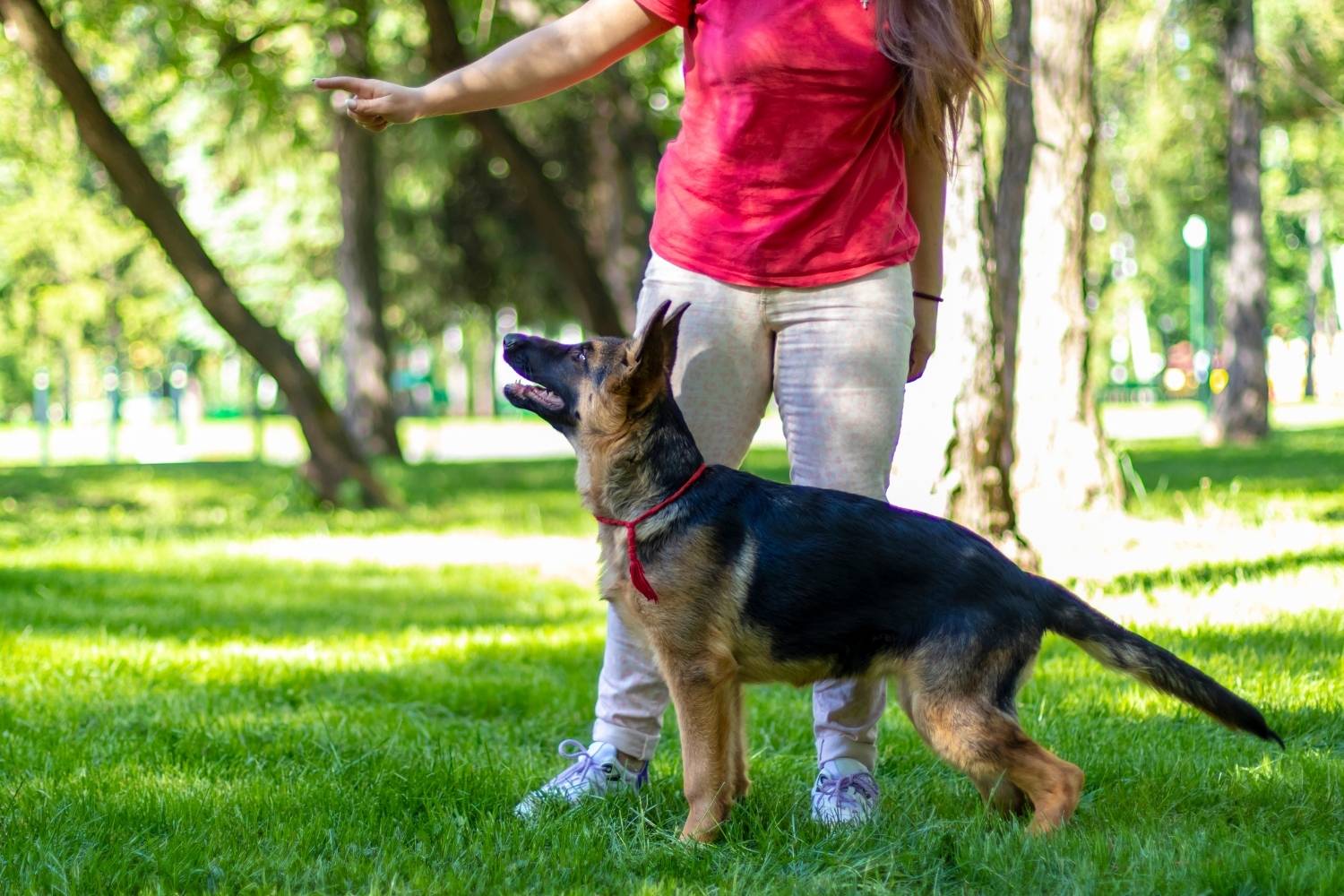
These dogs learn patterns fast, and if they absorb the wrong ones early, they repeat them confidently. Shepherds rely on guidance to understand what their protective nature should target and what it should ignore. Without that clarity, they begin assigning priorities themselves, sometimes guarding areas or people unpredictably.
Beginning obedience when they are still impressionable gives them a clear framework. It helps prevent behaviors that feel protective to them but confusing to the family. When they get that foundation early, they grow into steady companions rather than anxious decision makers.
5. Australian Shepherds create their own jobs when bored.

Aussies are wired to work in motion. Training helps channel their energy toward tasks that build calm instead of frenzy. Without direction, they begin herding children, shadowing adults obsessively or monitoring every sound in the home. Their instincts take over the moment they lack structure.
The earliest training sessions teach them how to pivot between high activity and stillness. If this balance is not taught early, they struggle to regulate themselves. That difficulty becomes pronounced as they hit their first big energy burst around adolescence.
6. Dalmatians push boundaries when routine is missing.

This breed carries stamina and alertness that intensify with age. Dalmatians thrive when they know the rules clearly, because it stops them from improvising. Improvised behavior from a Dalmatian often means guarding shadows, pacing nonstop or demanding attention through unwanted habits.
Teaching expectations early helps them settle into predictable rhythms. Without that foundation, they reinvent their environment to satisfy their own stimulus needs. Those needs only grow stronger as they mature, which can leave owners reacting instead of leading.
7. Weimaraners cling tightly unless trained for independence.

These dogs form deep bonds, and that connection turns into anxiety if boundaries are not established early. When young Weimaraners are allowed constant attachment, they grow into adults who panic when left alone. Training offers gradual exposure to independence that feels safe to them.
If that exposure never happens, separation becomes a major challenge. They may vocalize persistently or destroy barriers in an attempt to reach their person. Teaching self regulation early prevents the emotional spiral that can follow unstructured puppyhood.
8. Cattle Dogs escalate behaviors rapidly without guidance.

Their working drive emerges early and does not pause for household adaptation. Cattle Dogs learn patterns instantly, especially ones tied to movement. If they begin herding people or chasing cars young, those habits solidify and become difficult to reverse. Early training gives them a vocabulary for restraint.
The more they practice structured tasks, the easier it becomes for them to shift between action and stillness. Without that structure, their behaviors intensify. They grow into brilliant but demanding companions who need direction to avoid overstimulation.
9. Cane Corsos need leadership from the very beginning.
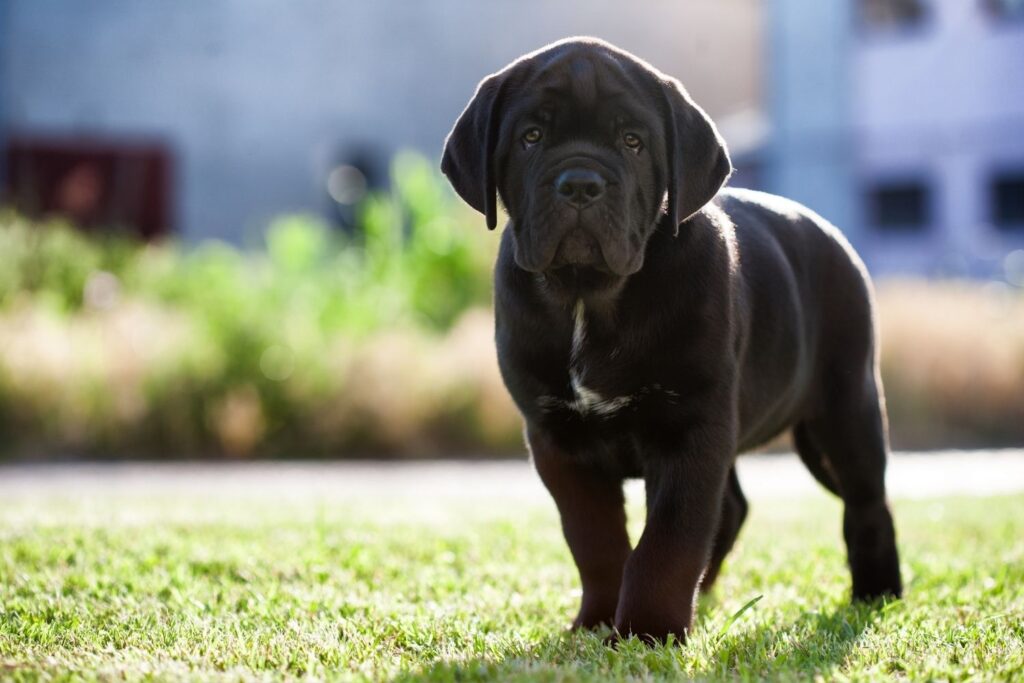
This breed matures into a powerful physical presence, and early training ensures their confidence stays balanced. If a young Corso learns that pushing boundaries gets results, that habit becomes difficult to undo once they gain their full strength. They rely heavily on understanding where authority sits in the home.
Teaching them clear rules early establishes trust and reduces anxiety driven behaviors. Without that clarity, their natural instinct toward control can overwhelm inexperienced owners. A Corso raised with early structure often becomes steady and dependable.
10. Beagles commit completely to whatever they discover.

Their noses take over long before their minds slow down to consider context. Once a Beagle learns that following a scent produces excitement, they repeat it endlessly. Training early teaches recall and restraint before habits become powered by instinct alone.
If training begins after those instincts strengthen, redirecting them becomes significantly harder. They tune out distractions only when taught that doing so is rewarding. Without early intervention, they determine their own mission every time the wind shifts, leaving owners in constant pursuit rather than partnership.