
The ground concealed an economy hiding in plain sight.

For decades, this stretch of the western Nile Delta looked like little more than layered farmland and scattered ruins. Archaeologists expected modest domestic remains, perhaps a few walls, maybe a cemetery. Instead, excavation began exposing aligned foundations, industrial debris, and burial grounds woven together. The pattern felt wrong for a village. Each trench widened the unease. The scale kept growing, and so did the implications. What lay beneath was not incidental occupation, but something organized, productive, and deeply embedded in Roman Egypt’s economic machinery.
1. The site’s location hinted at strategic intent.
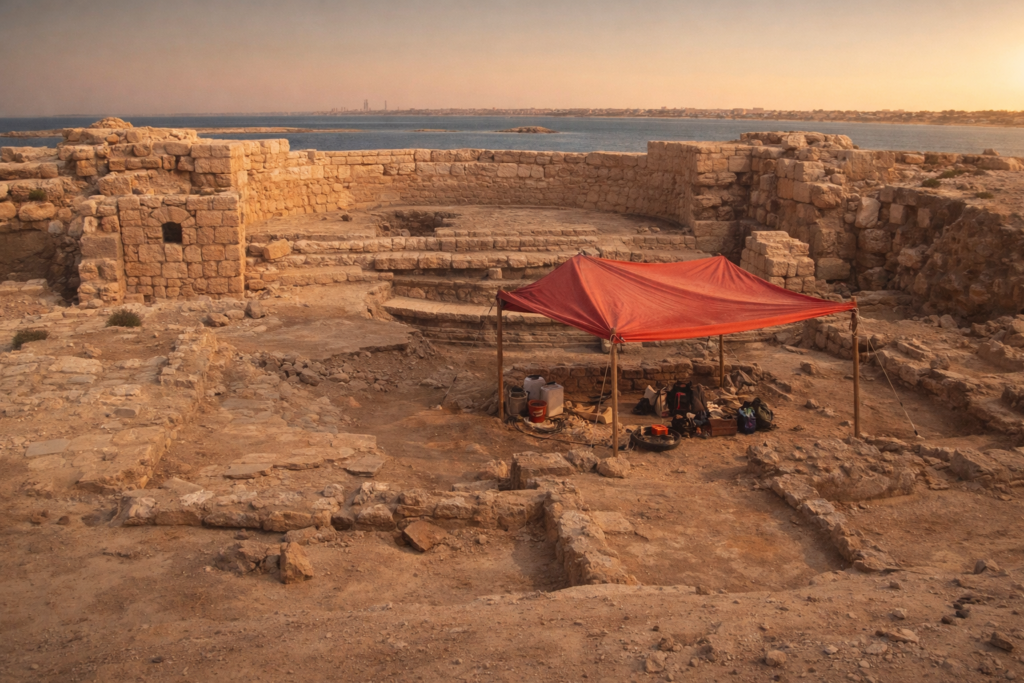
At first, the land near Lake Mariout appeared unremarkable, another low rise west of Alexandria. Yet as excavation expanded, the positioning began to look deliberate. The site sits close to ancient waterways feeding into Roman Alexandria, suggesting logistical planning rather than chance settlement.
Kom el-Nugus occupies a corridor that once connected lake transport to Nile channels. That placement would allow raw materials and finished goods to move efficiently. According to Egypt’s Ministry of Tourism and Antiquities, the site’s position aligns with known Roman transport routes, raising early suspicions that production here served far more than local needs.
2. Foundations revealed coordinated industrial layout.
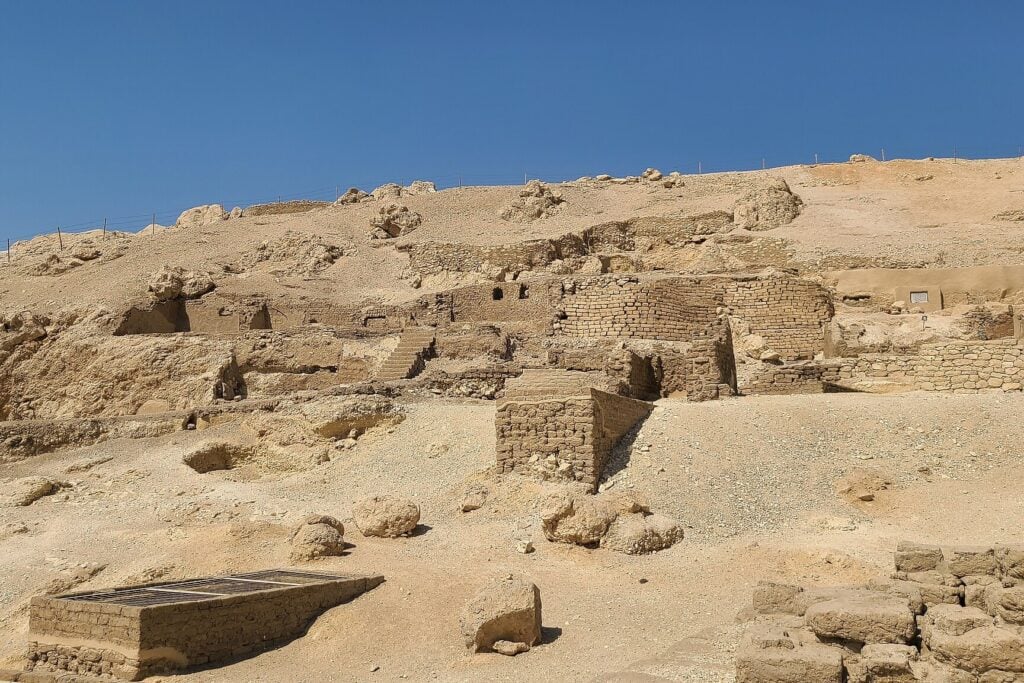
Initial trenches uncovered walls running parallel across wide areas. Instead of clustered homes, archaeologists found repeating structural patterns consistent with workshops arranged intentionally. This was not organic growth.
The uniform spacing and orientation suggested planning authority. As reported by Live Science, excavators identified multiple work zones operating side by side, implying centralized oversight. Such coordination points toward an industrial complex designed for sustained output, not a collection of independent craftsmen working casually within a village setting.
3. Workshops produced evidence of large scale output.
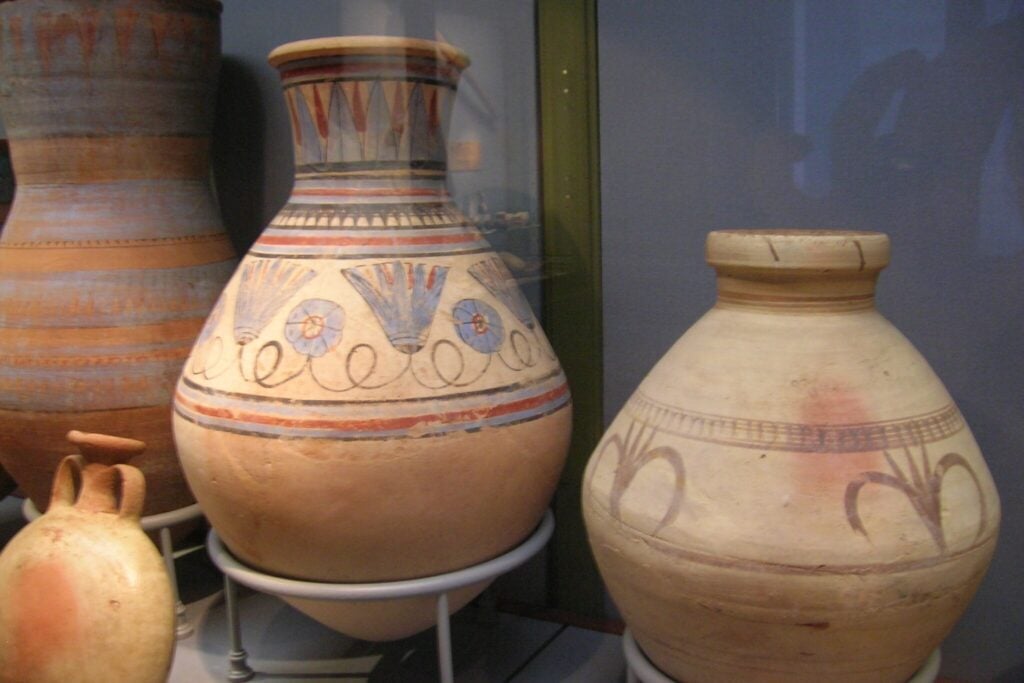
Kilns, vats, and dense layers of production waste began appearing in volume. The quantity quickly exceeded what household production would require. Tools and debris suggested repeated cycles of manufacture.
This level of material accumulation points toward mass production. As discovered by archaeologists and reported by Archaeology Magazine, the workshops likely produced goods tied to Roman urban demand, possibly ceramics or processed materials. The scale reframes the delta as an industrial contributor rather than merely an agricultural hinterland.
4. A necropolis emerged beside the work zones.
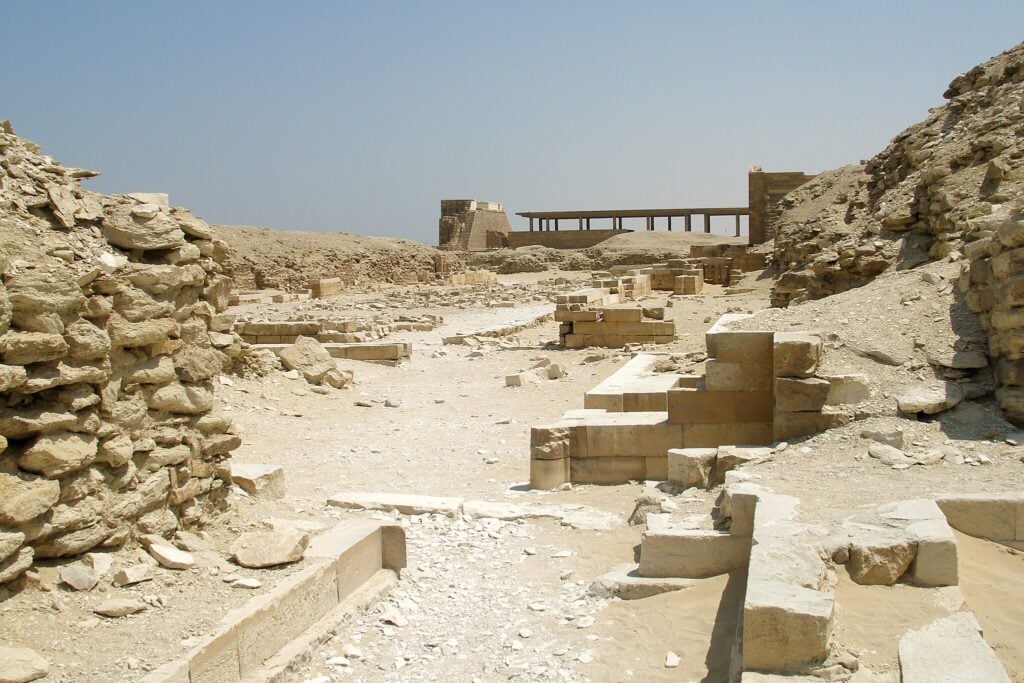
Burials appeared unexpectedly close to industrial areas. Graves were not isolated at the edges, but interwoven with production spaces. The proximity unsettled assumptions about Roman zoning practices.
The necropolis contained simple burials, suggesting laborers rather than elites. Their placement implies a population living, working, and dying within the same landscape. Life and industry were not separated, but fused into a single environment shaped by labor.
5. The timeline anchored activity firmly in Roman rule.

Ceramic typology and construction methods placed the complex within the Roman period, roughly the first to third centuries CE. This was not a brief experiment but a sustained operation.
Long term use suggests stable demand and integration into Roman economic systems. The complex adapted over time rather than collapsing, pointing to resilience amid political and environmental change in the delta.
6. Industrial waste reshaped the physical environment.

Thick deposits of ash and discarded material altered soil composition across parts of the site. These layers accumulated slowly, marking years of continuous activity.
The landscape itself became an archive of labor. Production was intense enough to leave environmental traces, signaling output levels capable of reshaping surroundings rather than merely occupying them.
7. Tool distribution suggested specialized labor roles.
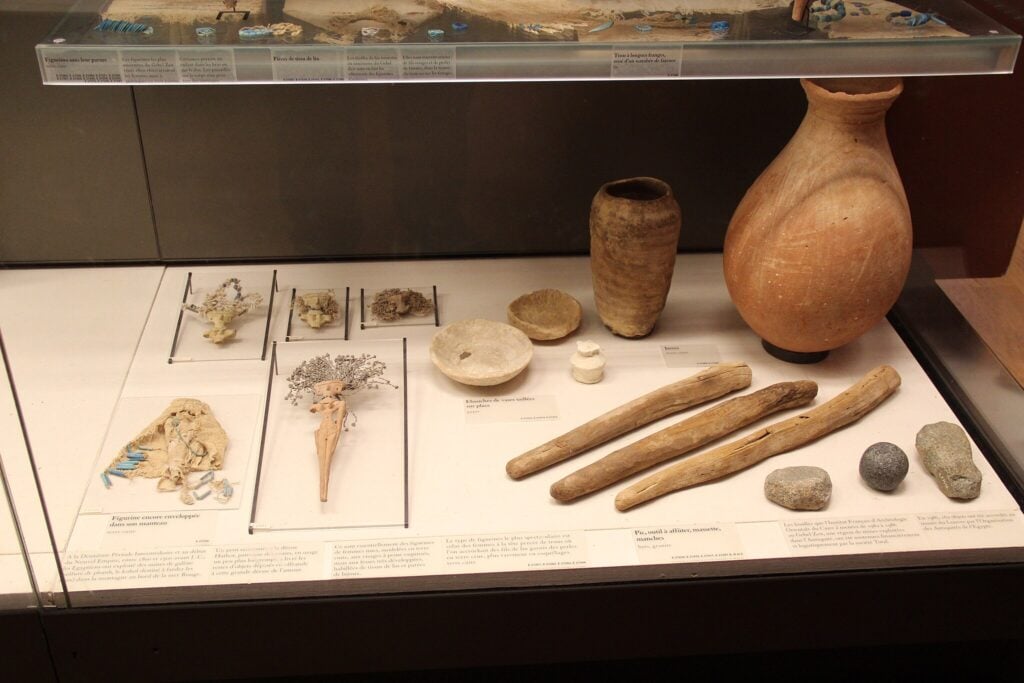
Different tool types appeared in distinct areas, hinting at task separation. Production did not happen randomly but followed defined stages.
Such specialization implies trained workers performing repeated roles. This organization mirrors later industrial systems more than small scale craft production, challenging assumptions about labor complexity in Roman provincial zones.
8. Burial goods reflected a working community.
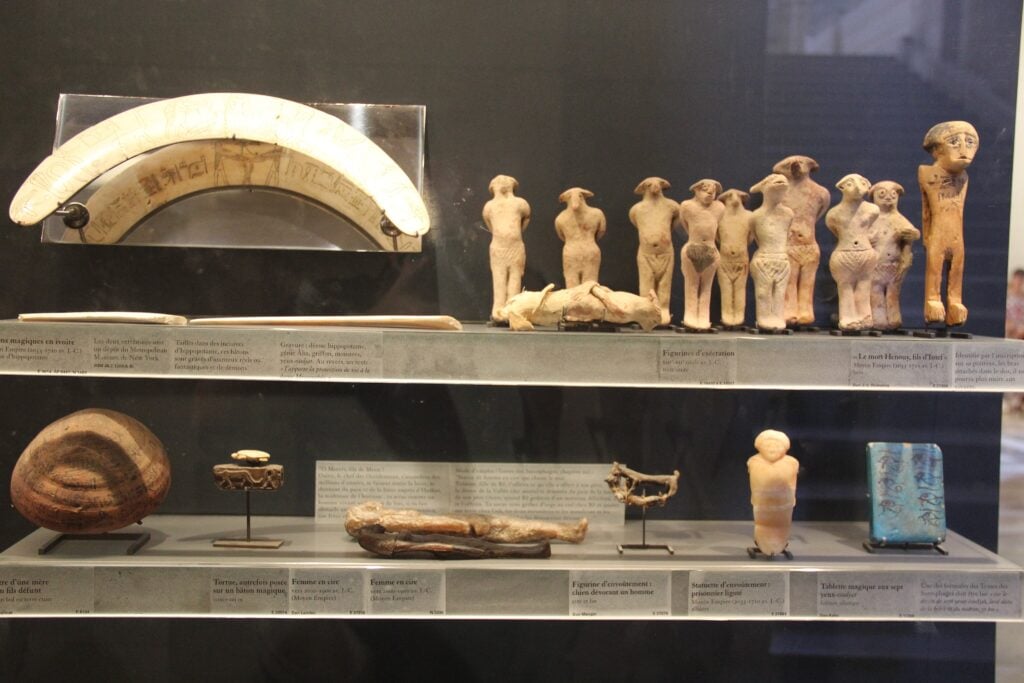
Grave offerings were modest, often utilitarian. There was little sign of elite display or wealth accumulation within the necropolis.
These burials reinforce the picture of a labor driven population. The community appears structured around production rather than status, with daily work shaping identity more than lineage or rank.
9. The discovery complicates Roman Egypt’s economic image.
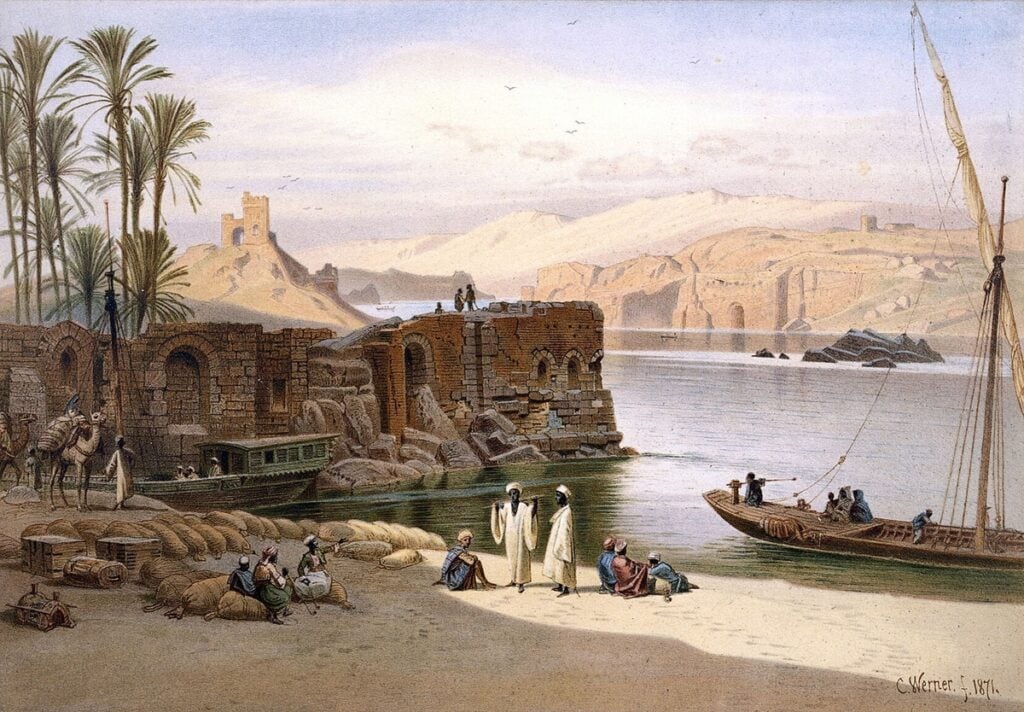
Roman Egypt is often portrayed as an agricultural engine feeding the empire. Kom el-Nugus disrupts that simplicity.
Industrial output here suggests economic diversity. The delta emerges not just as farmland, but as a zone of manufacture supporting urban and export markets linked to Alexandria.
10. Much of the complex remains hidden underground.

Excavated areas represent only a portion of the site. Geophysical surveys indicate more structures await exposure beneath modern soil.
Each new trench has expanded the picture rather than closing it. What remains buried may further reveal how deeply industrialized parts of the Nile Delta once were, and how much of that history still lies unseen.