
A measured shape is reviving an ancient debate.
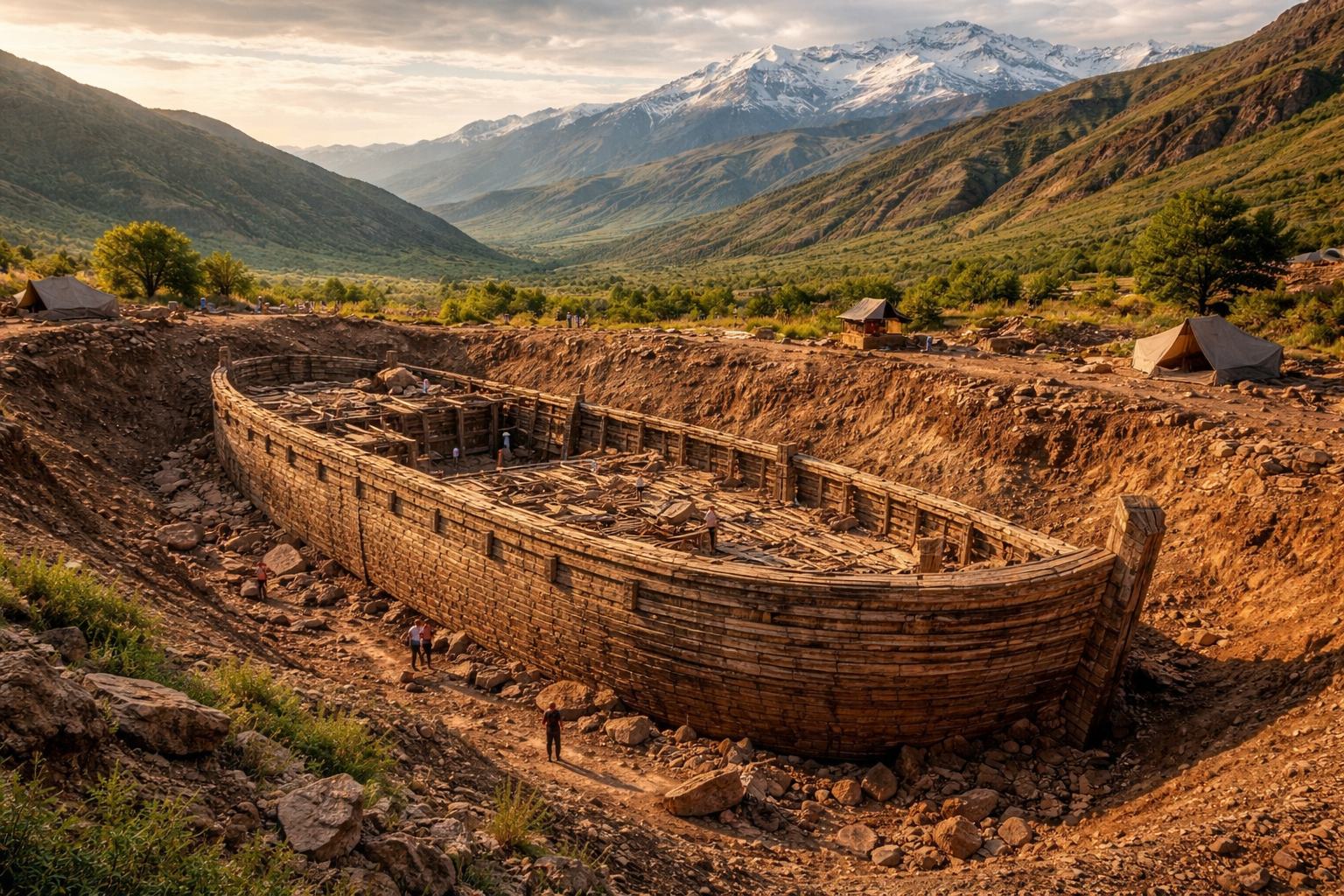
High on a remote slope in eastern Turkey, a formation long dismissed as geological is drawing renewed scientific attention. Recent surveys, measurements, and subsurface scans have aligned in ways that challenge earlier conclusions. The site has been studied before, yet advances in technology and renewed collaboration have changed the questions being asked. Researchers stress restraint, not certainty. Still, when location, proportion, and ancient description intersect, the silence around the site grows harder to maintain, reopening a question many believed archaeology had already resolved.
1. The formation rests near Mount Ararat’s southern foothills.
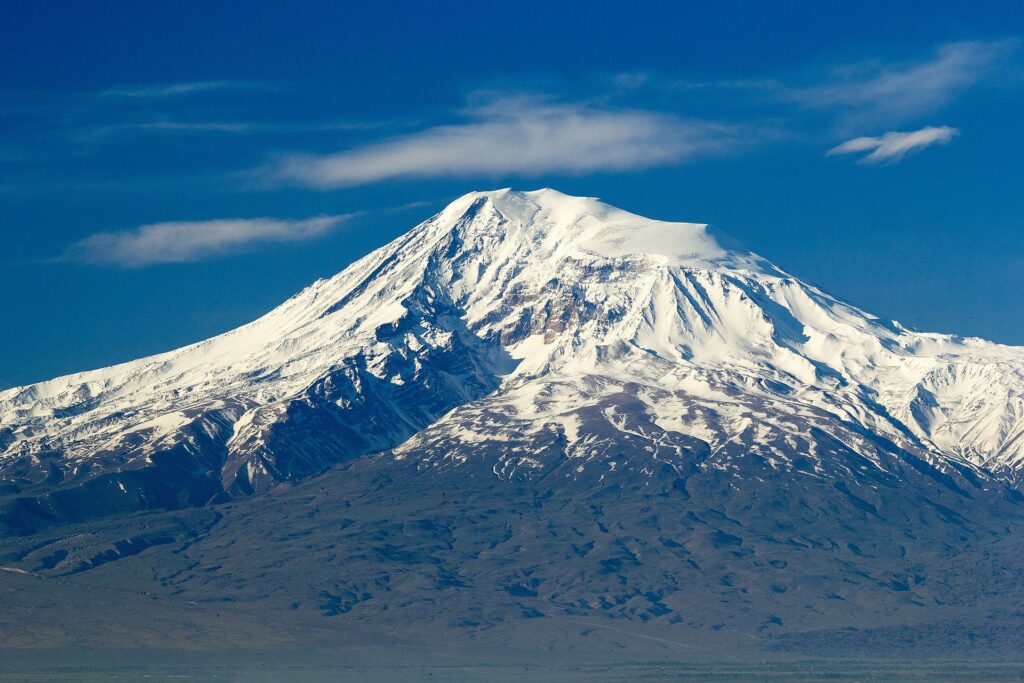
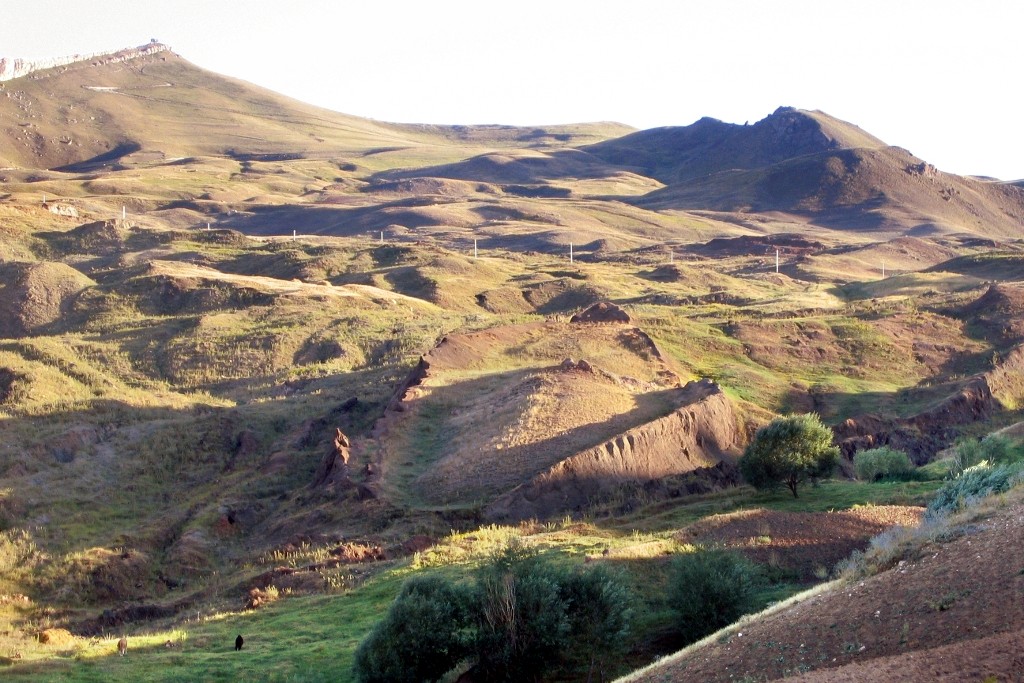
The site lies in the Durupinar region of eastern Turkey, approximately eighteen miles south of Mount Ararat. It occupies a sloping hillside where erosion has exposed a boat shaped outline visible from aerial imagery. Its remoteness helped preserve its form for decades.
The location aligns with longstanding traditions placing the ark in this region, according to National Geographic. Turkish researchers and international teams have surveyed the area intermittently since the mid twentieth century. Geography alone proves nothing, but persistent attention to this specific site continues to distinguish it from countless other proposed locations.
2. Measurements closely mirror biblical dimensions from Genesis.
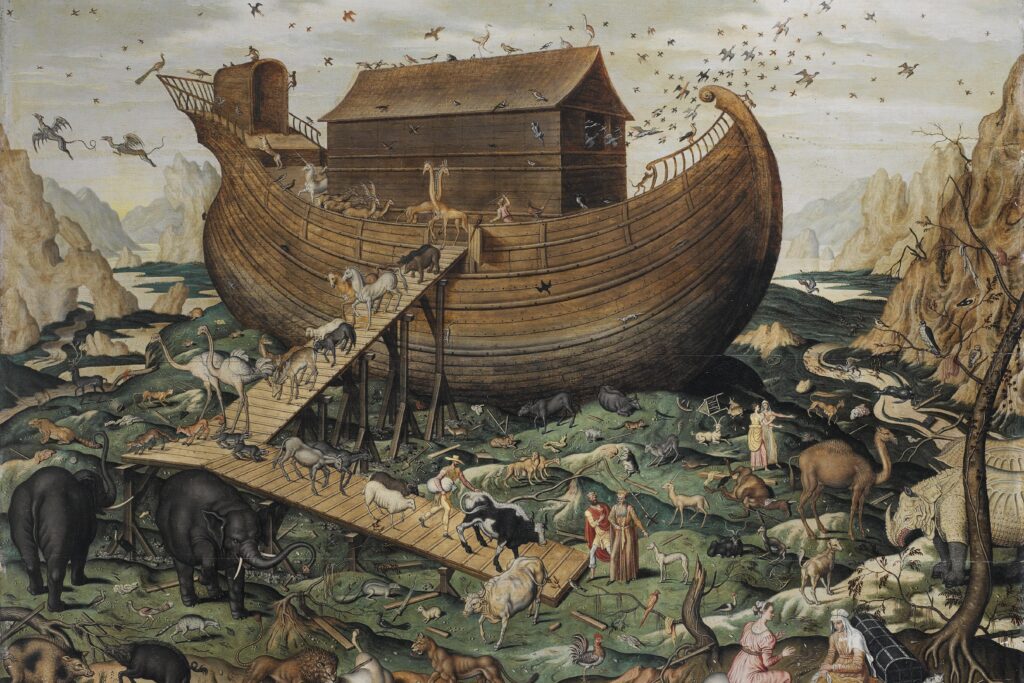
Surveys show the structure measures roughly one hundred fifty meters in length. That figure aligns with the Genesis description of the ark as three hundred cubits long, depending on cubit interpretation. The numerical correspondence has prompted renewed scrutiny rather than dismissal.
Researchers emphasize consistency across measurement methods. Modern surveying tools have produced repeatable results over multiple studies, as reported by the Jerusalem Post. While coincidence remains possible, the proportional alignment stands out because few natural formations maintain such stable dimensions across decades of observation and technological advancement.
3. Subsurface scans revealed linear internal anomalies.
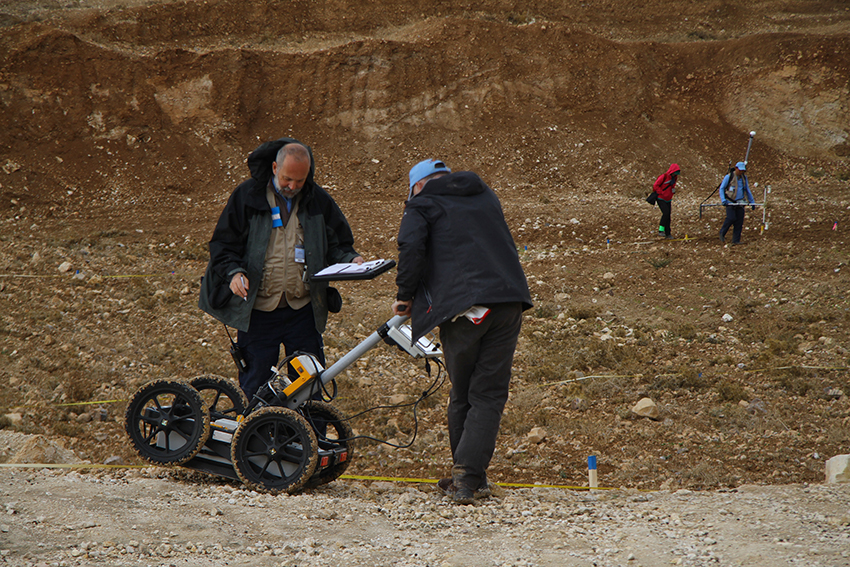
Ground penetrating radar surveys identified linear features beneath the surface of the formation. These anomalies appear parallel and compartmentalized, differing from surrounding geological patterns and raising questions about internal structure.
Scientists caution that radar data requires careful interpretation. However, the internal segmentation contrasts with nearby natural strata, as stated by Fox News Science. Compartmental divisions are a feature described in Genesis, though researchers stress that correlation does not equal confirmation. The anomalies warrant further study rather than immediate conclusions.
4. The outline shows unusual symmetry for natural terrain.
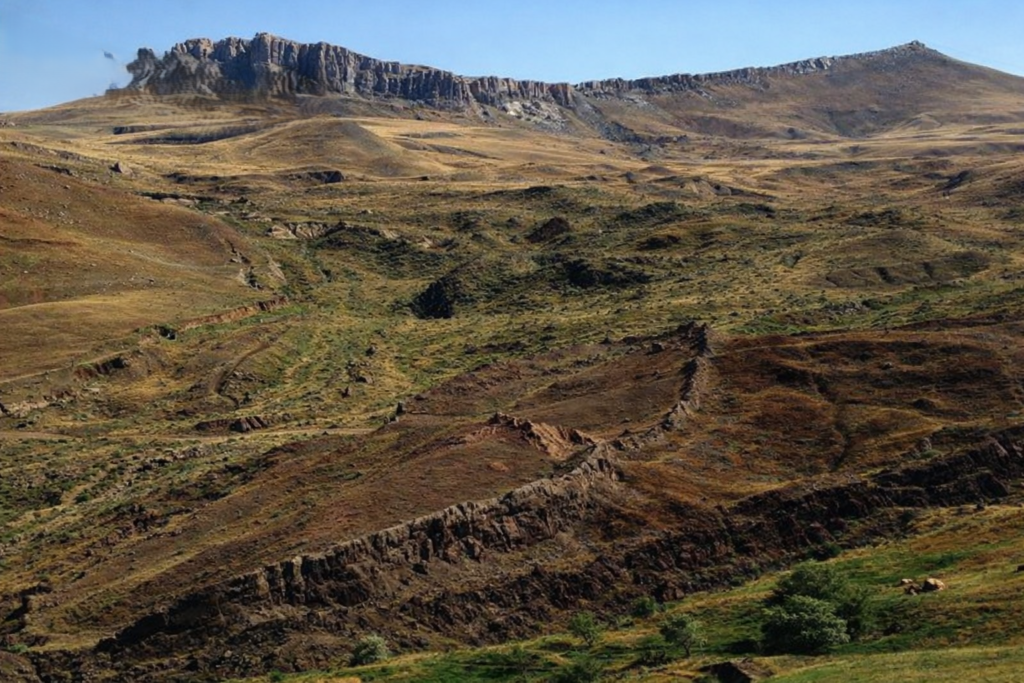
From overhead perspectives, the formation maintains bilateral symmetry uncommon in landslides or sediment flows. Both ends taper inward, producing proportions that resemble ancient shipbuilding concepts more than random erosion.
Geologists acknowledge nature can produce surprising forms. Still, symmetry across length and width invites closer examination. The persistence of the outline despite decades of weathering suggests underlying structure influences surface stability, complicating explanations based solely on geological chance.
5. Soil composition differs from surrounding landscape samples.

Samples collected within the formation show mineral and organic differences compared to nearby soil. Elevated organic content and altered pH levels have been documented, suggesting long term environmental divergence.
Such differences raise questions about what once occupied the space. Decomposition of large organic material could explain anomalies, while volcanic or sedimentary activity offers alternative explanations. The contrast does not prove human construction, but it challenges assumptions that the site formed identically to its surroundings.
6. The surrounding geology complicates simple natural explanations.
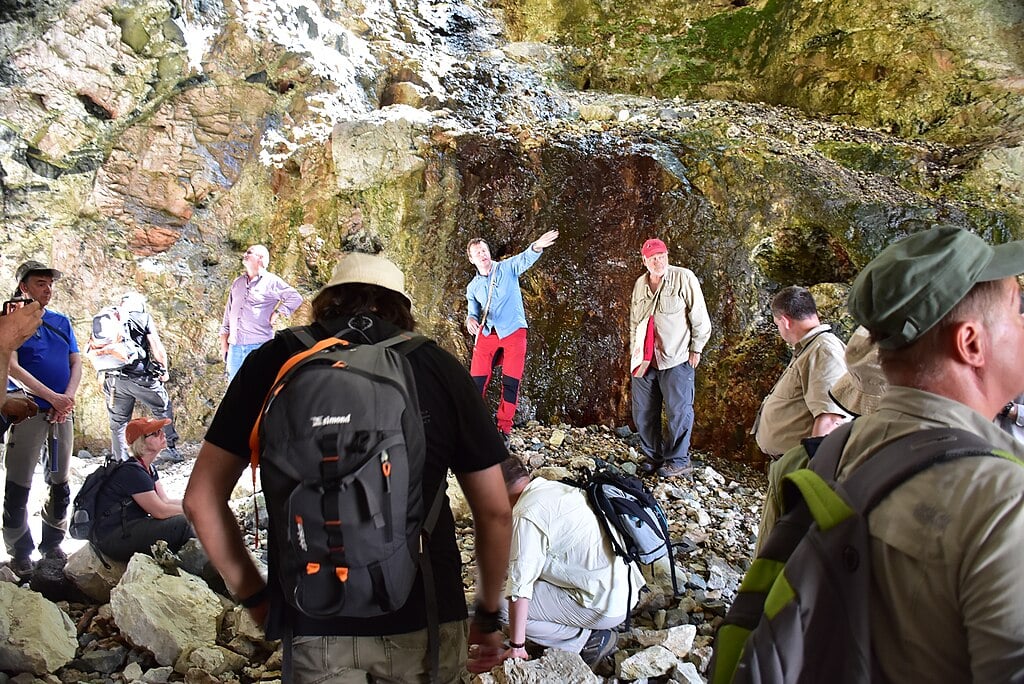
The Durupinar formation sits within a tectonically active region shaped by faults, uplift, and erosion. That complexity has long been used to argue the shape formed naturally. However, geological activity alone does not always account for orderly proportions persisting within unstable terrain.
Researchers note that nearby formations lack comparable symmetry or internal patterning. While tectonic forces explain many features, they do not fully explain why this structure remains distinct from its surroundings. The geology complicates interpretation rather than closing the case, keeping debate active rather than resolved.
7. Ancient flood traditions converge around this region.
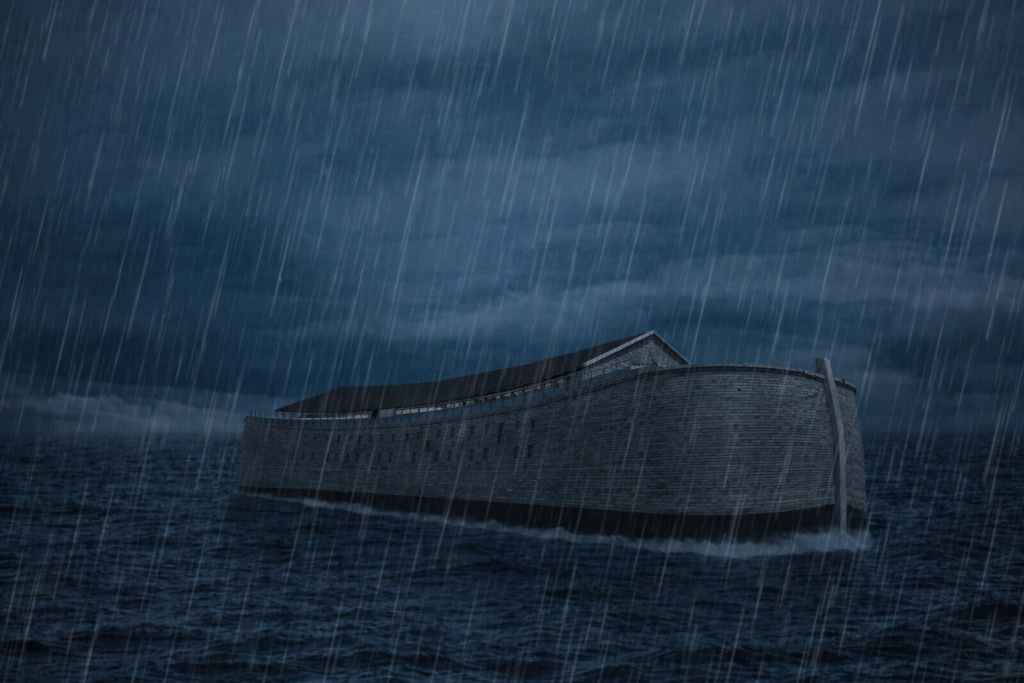
Flood narratives appear across Mesopotamian, Anatolian, and Near Eastern cultures. Many describe survival occurring near high ground following widespread inundation. These traditions predate modern archaeology by millennia.
The Durupinar site lies within the geographic corridor shared by several of these accounts. Shared mythology does not confirm historicity, but overlapping geographic focus is notable. Researchers view this convergence as contextual rather than evidentiary, adding cultural weight without replacing physical proof.
8. Earlier dismissals relied on limited investigative tools.
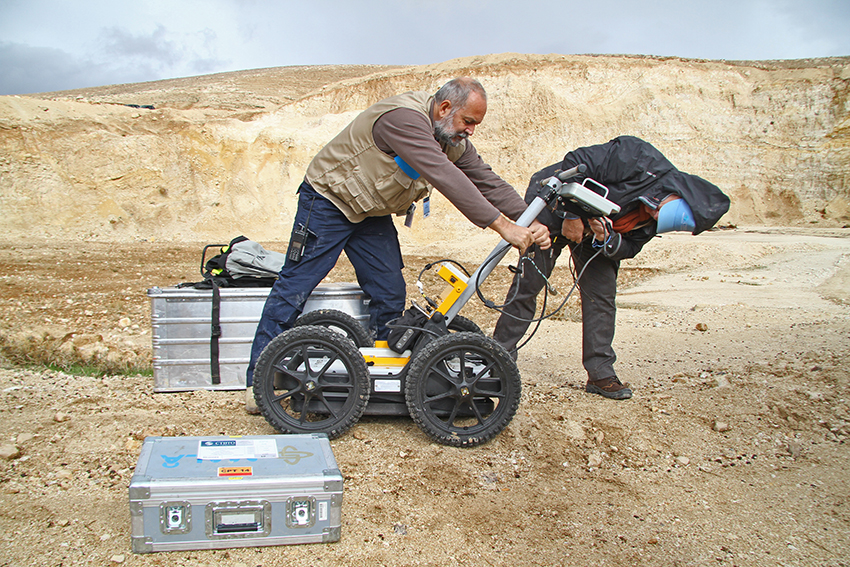
Initial investigations during the twentieth century relied on surface observation and shallow sampling. Subsurface imaging technology was unavailable or primitive, limiting interpretation and confidence.
Modern tools allow researchers to examine internal structure without excavation. This shift has reopened questions once considered settled. What was previously dismissed as unremarkable now appears more complex under new analysis, illustrating how technological limits shape scientific conclusions over time.
9. Scientists involved emphasize restraint over declaration.
Researchers working at the site consistently avoid definitive claims. Language centers on possibility, not proof. No inscriptions, preserved wood, or cultural artifacts have been conclusively identified.
This restraint reflects awareness of past misattributions in biblical archaeology. Maintaining credibility requires separating curiosity from confirmation. The site is framed as anomalous, deserving study rather than proclamation, allowing investigation to continue without forcing premature conclusions.
10. Uncertainty continues to drive renewed investigation.

Despite decades of study, the Durupinar formation resists simple classification. It remains suspended between geological explanation and archaeological curiosity, neither fully dismissed nor confirmed.
The persistence of unanswered questions sustains interest. Whether the formation proves to be the ark or not, it continues to challenge assumptions about how ancient texts, measurements, and landscapes intersect. Until decisive evidence emerges, uncertainty remains central to the story.