
The bodies that refuse to fit.
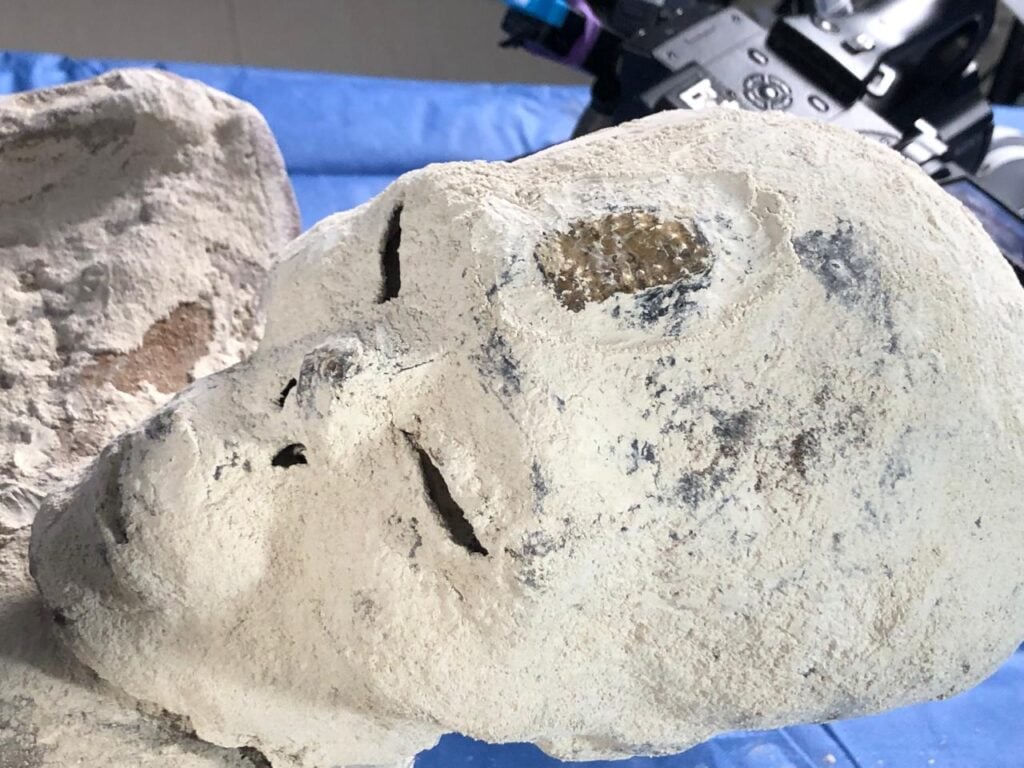
In a dry region of southern Peru, small preserved figures with elongated heads and three fingers sparked global headlines. Some called them proof of something extraordinary. Others warned the evidence was being misread. When genetic testing began, early interpretations only deepened confusion. Claims of non human DNA spread quickly. Yet behind the spectacle, laboratories, anthropologists, and forensic specialists were examining something far more complicated than the viral narrative suggested.
1. The Nazca tridactyl bodies ignited controversy.
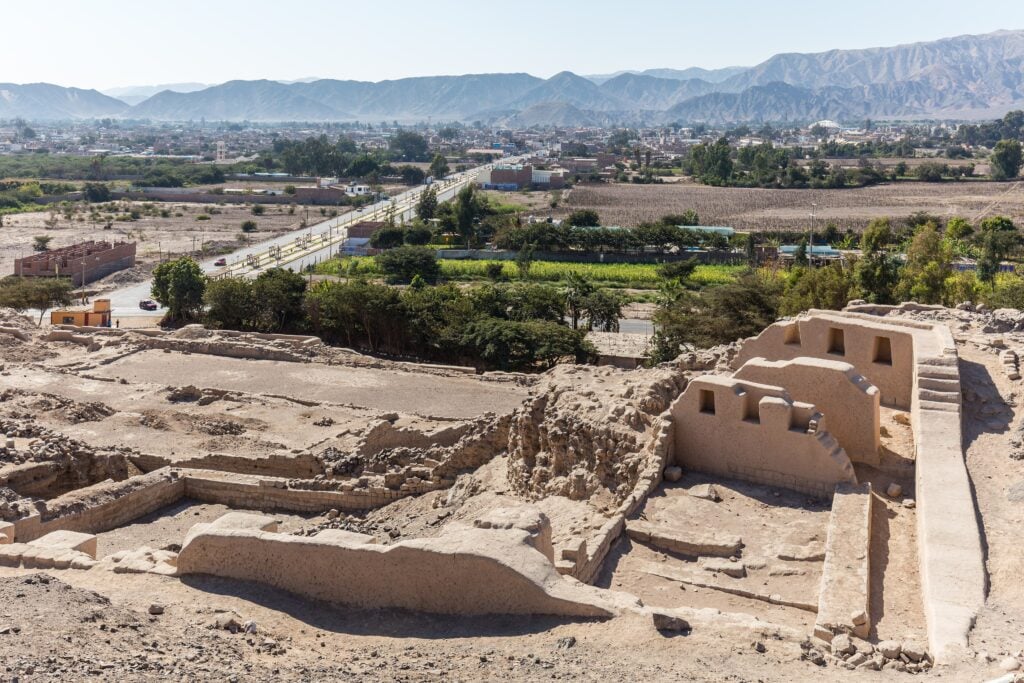
The remains surfaced near Nazca, Peru, reportedly discovered by tomb raiders in the desert. Their three fingered hands, elongated skulls, and small stature drew immediate attention. Advocates claimed the bodies were intact biological entities unlike any known human population.
Presented publicly in 2017 and later again in 2023, the specimens were promoted as ancient and possibly non human. However, their undocumented excavation and unclear chain of custody raised immediate red flags within the archaeological community in Peru and internationally.
2. Early DNA reports fueled non human claims.

Initial announcements stated that DNA sequencing did not fully match modern human databases. Headlines amplified the phrase non human without clarifying what incomplete or degraded sequences actually mean in ancient samples.
Geneticists pointed out that degraded DNA often fails to align cleanly with reference genomes. Contamination from soil microbes, handling, and chemical treatments can distort early reads. Lack of perfect alignment does not confirm unknown species, only technical limitation and damage over time.
3. Peruvian authorities classified the remains as manipulated.
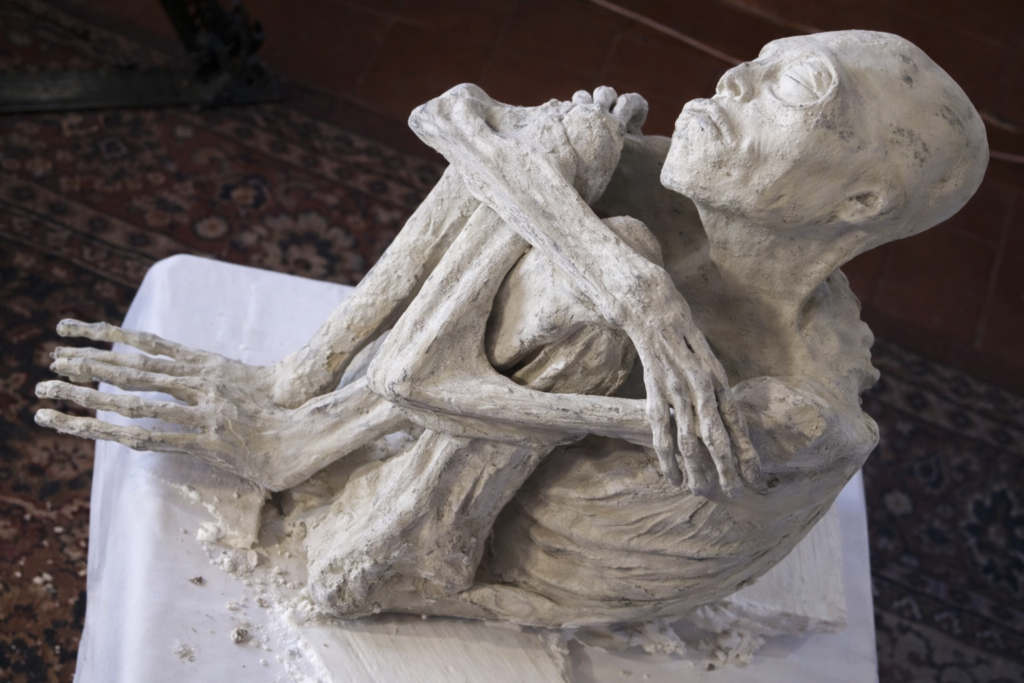
The Peruvian Ministry of Culture examined several of the bodies and stated publicly that some specimens appeared to be assembled from human and animal bones. Forensic analysis suggested modified hands created by rearranging existing bones.
Radiographic imaging revealed inconsistencies in joint structure. Some finger bones appeared shortened or repositioned unnaturally. These findings strengthened skepticism that the tridactyl form reflected biological reality rather than post burial alteration or fabrication.
4. CT scans revealed structural inconsistencies.

Independent researchers who examined imaging data observed mismatched bone articulations. Certain limb elements did not align anatomically in ways expected of natural growth.
Joints appeared fused or misaligned without corresponding muscle attachment evidence. Critics argue that these irregularities suggest constructed figures rather than evolved organisms. Supporters counter that unknown anatomy could explain differences, but no confirmed parallel exists in known vertebrate biology.
5. Claims of metal implants heightened speculation.
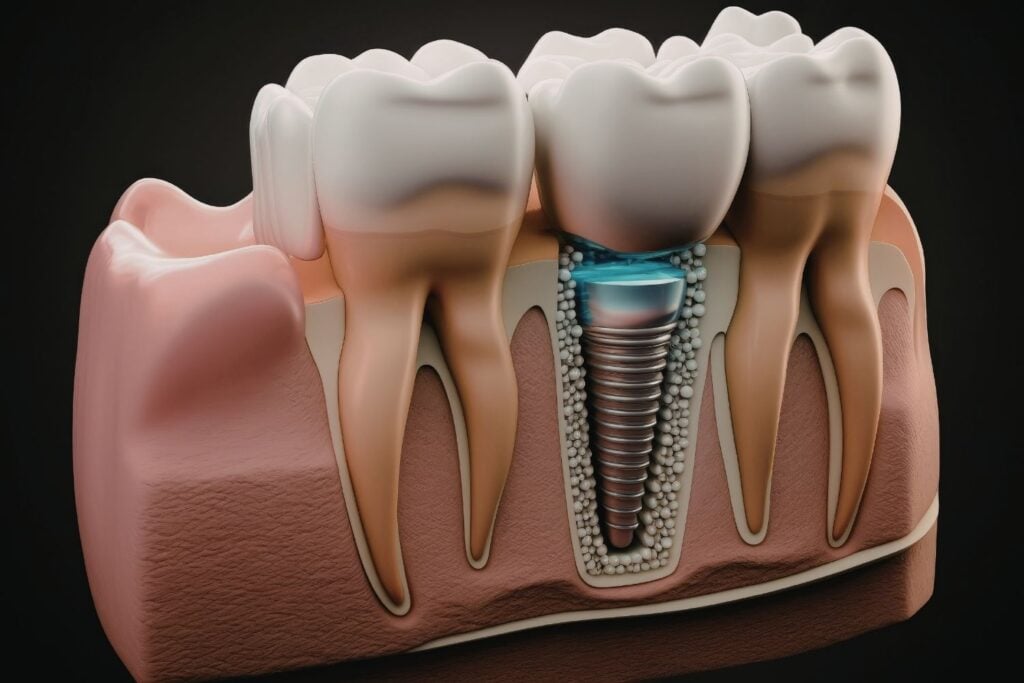
Some examinations reported small metallic objects embedded within chest cavities of certain specimens. Advocates described these as implants, fueling extraterrestrial narratives.
Material analysis indicated the metal fragments resembled modern alloys rather than ancient manufactured objects. Without documented excavation context, determining original placement remains difficult. The presence of metal alone does not establish biological origin.
6. Skull shape fueled comparisons to deformation.
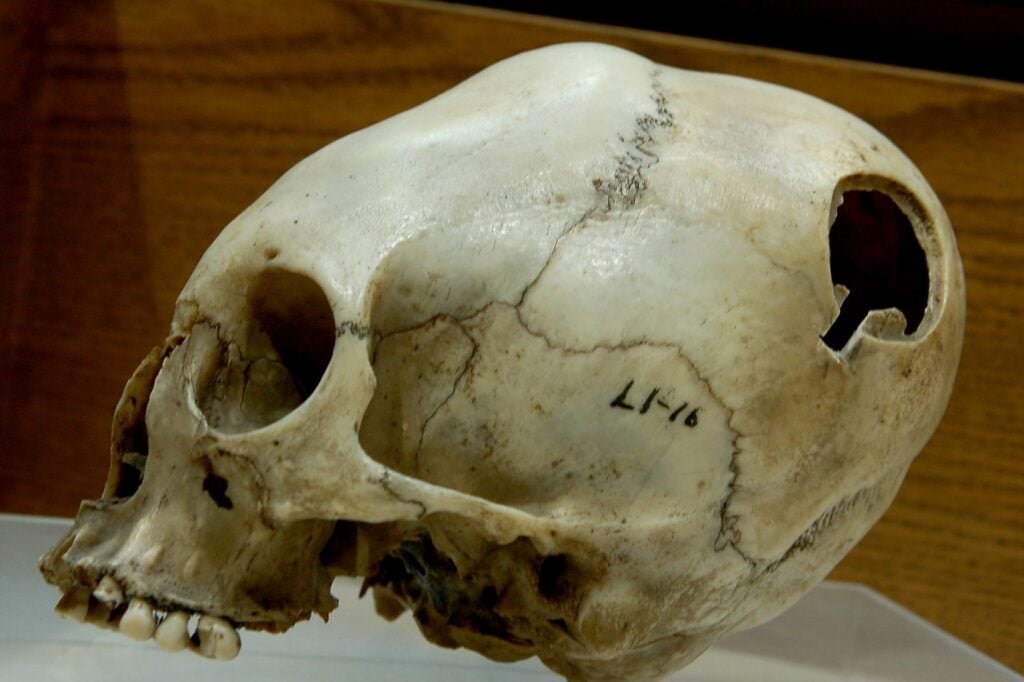
The elongated cranial shapes resemble those seen in ancient Andean cranial modification practices. Artificial skull elongation was widely practiced in pre Columbian Peru for cultural reasons.
Anthropologists note that altered skulls can appear dramatically different while remaining fully human. The presence of elongation does not imply separate species. It reflects known cultural body modification traditions in the region.
7. Mexican congressional presentation amplified attention.
In 2023, similar specimens were presented during a hearing in Mexico’s Congress focused on unidentified aerial phenomena. Images circulated globally, reigniting debate.
Scientists criticized the presentation format, arguing it bypassed peer review. Extraordinary biological claims require rigorous verification. Public spectacle does not replace controlled laboratory validation and transparent documentation.
8. Fingerprint claims remain scientifically disputed.

Some promoters asserted that ridge patterns on the tridactyl fingers did not match human dermatoglyphics. These statements circulated widely online.
Forensic specialists countered that altered or degraded tissue can distort ridge structure. Without controlled preservation and chain of custody, reliable fingerprint comparison becomes nearly impossible. No peer reviewed consensus supports non human dermatoglyphics.
9. Radiocarbon dating confirmed ancient components.

Testing on certain tissue samples indicated ages between roughly 1000 and 2000 years old, placing some materials within pre Columbian timeframes. This confirmed that at least parts of the specimens are genuinely ancient.
Ancient origin, however, does not confirm anatomical integrity. Assemblage using old bones remains plausible. Dating materials does not establish that the bodies represent intact biological organisms.
10. The broader scientific community remains skeptical.
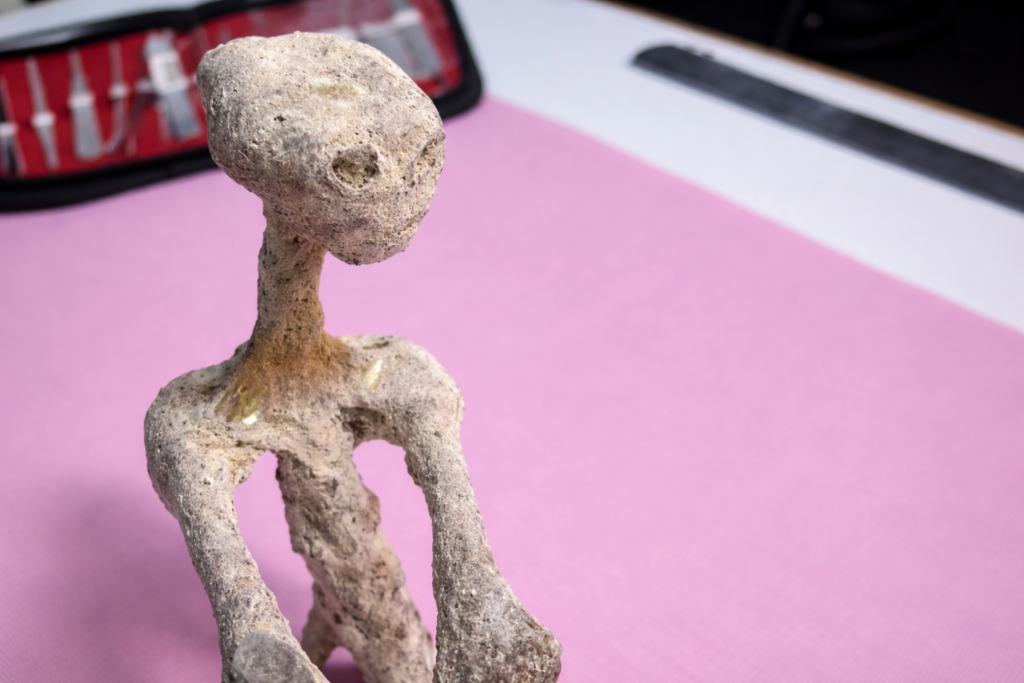
Mainstream archaeologists and geneticists continue to view the Nazca tridactyls with caution. Lack of controlled excavation, incomplete publication, and anatomical inconsistencies undermine extraordinary interpretations.
While research continues in limited circles, no widely accepted peer reviewed study confirms that these remains represent a non human species. The debate persists, but consensus within established scientific institutions remains firmly skeptical.