
Some breeds simply need far more space.

Not every dog is built for compact living. While many breeds adapt comfortably to apartment life, others carry instincts, energy levels and physical presence that quietly collide with confined spaces. At first the mismatch can appear minor, a restless pace across the room or a burst of energy that rattles furniture. Over time those small signs grow into patterns owners struggle to manage. The problem is rarely about training or temperament alone. Certain dogs were shaped by work, movement and territory that extend far beyond apartment walls. When those needs remain unmet, the tension inside a small home can build faster than anyone expects.
1. Huskies unravel quickly in cramped environments.
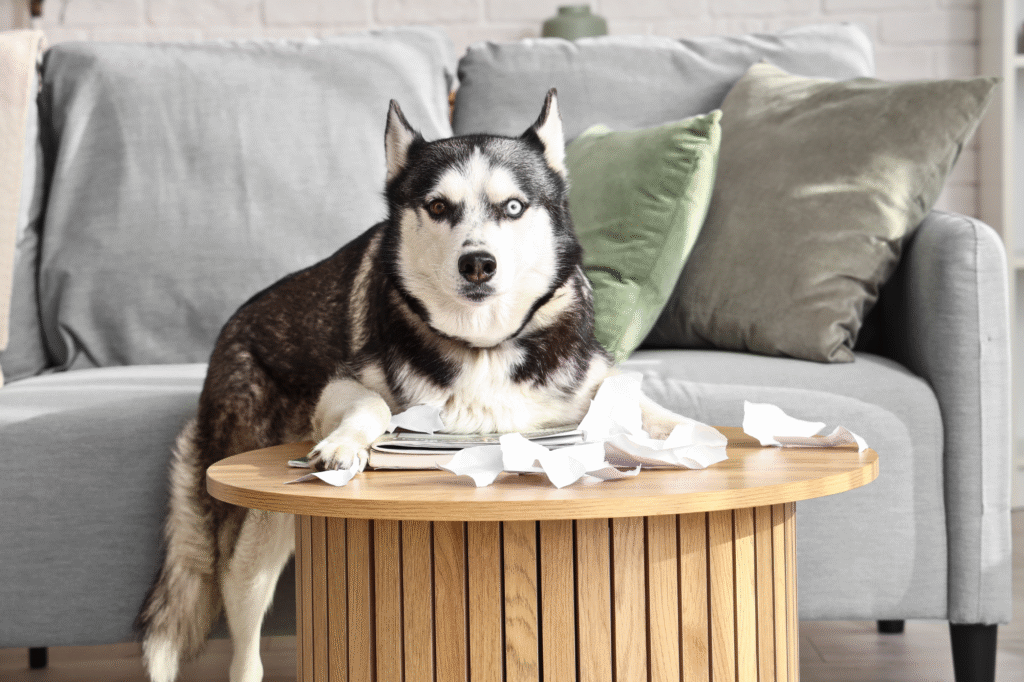
Huskies carry a work driven mindset that clashes with limited square footage. Their need to roam, run and push their bodies surfaces fast in city apartments. Many rescues note a rise in surrendered Huskies from Los Angeles and Denver high rise buildings according to the American Kennel Club.
When this breed lacks wide outdoor access, anxiety builds and destructive patterns follow. Their endurance does not taper with age and tight living conditions magnify pacing, vocalizing and escape seeking behavior.
2. Great Danes overwhelm tight spaces with simple movement.

Great Danes may seem mellow, yet their size alone makes apartment living complicated. One turn of their body can clear a coffee table. Families in cities like Chicago report difficulty managing these dogs in narrow hallways and elevators, as stated by PetMD.
Their height and long stride require wider pathways to move without stress. Even calm Danes shift their weight often and knock into corners or furniture. That constant contact increases tension for both the dog and the household.
3. Border Collies fray under restricted physical outlets.

Border Collies carry intense mental engines that activate the moment they wake. Confined apartments rarely offer enough structure to channel that drive. Their working instincts make stillness uncomfortable and, as reported by the Veterinary Centers of America, they struggle most in homes without space for structured exercise.
Without land or regular high level training sessions, their brain keeps searching for tasks. That restless orbit turns into obsessive behaviors, barking and chewing when they cannot release the pressure building internally.
4. Malinois require controlled environments larger than apartments offer.
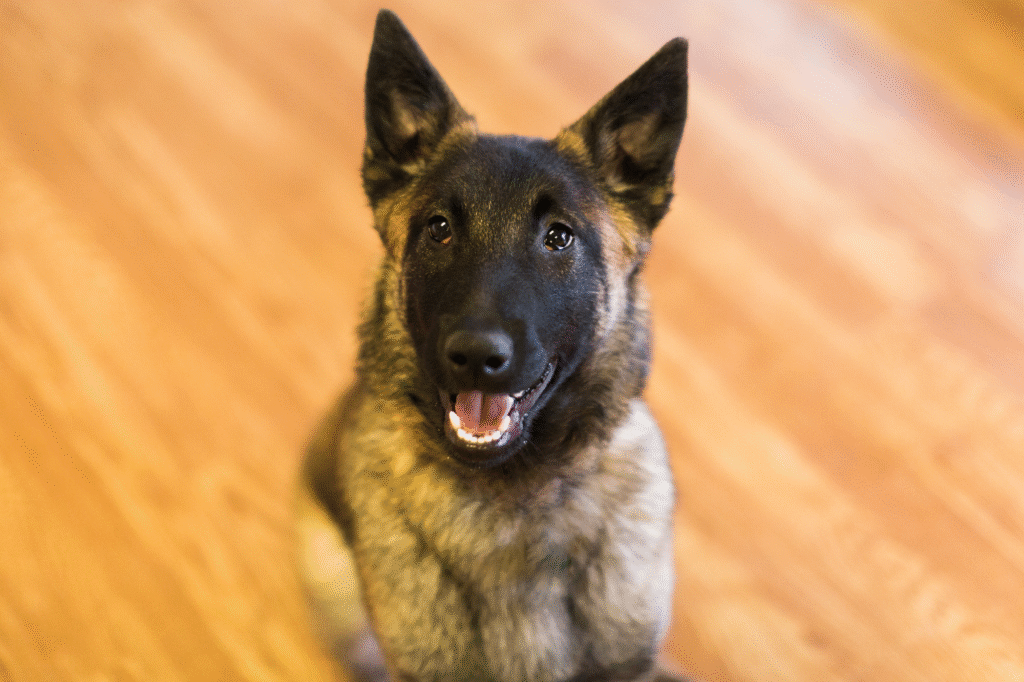
Belgian Malinois operate with precision and constant alertness that becomes exhausting in tight living quarters. Every hallway sound triggers their attention. This sensitivity magnifies stress levels when neighbors move around them all day. Their athletic needs compound the issue because short indoor play sessions never match the intensity their bodies expect.
Handlers who work with this breed often rely on open fields or expansive yards to maintain balance. When those spaces are missing, the dog shifts into a state of perpetual readiness that disrupts calm living.
5. German Shepherds thrive with room to move and observe.

German Shepherds naturally patrol their surroundings. In a small apartment, that instinct turns into restless pacing from window to window. Their protective tendencies react to footsteps in hallways or doors closing nearby. This makes apartment life feel like an endless stream of stimuli they must track and interpret.
Their large frame and heavy stride amplify noise as they navigate tight layouts. Even well trained Shepherds become unsettled when they cannot create space between themselves and constant activity.
6. Weimaraners respond poorly to limited outlets for energy.

Weimaraners carry a blend of speed, endurance and attachment that becomes difficult to manage in a compact home. Their bodies expect long distance movement and their minds expect constant interaction. Apartments often supply neither. When these needs collide, pacing and vocalizing appear fast.
Their tall athletic build also requires room to stretch and shift without bumping into furniture. Tight corners frustrate them, and that frustration shows up as clinginess or destructive behavior when left alone.
7. Coonhounds vocalize heavily in shared buildings.

Coonhounds rely on their voice to communicate, and shared apartment walls amplify that trait in unfortunate ways. Once they catch a scent from an open window or hear a dog down the hall, their instinctive baying begins. Owners often struggle to manage that vocal drive because it is deeply rooted in their working history.
Their need to track scents also makes small apartments feel confining. Without space to follow those impulses outdoors, their energy builds until it spills into disruptive behavior.
8. Australian Shepherds struggle with the quiet required indoors.

Australian Shepherds interpret every sound as information. In small apartments, the flow never stops. Their bodies rev up with each new stimulus and they cycle through bursts of energy with nowhere to send it. That mental overstimulation eventually creates agitation.
Although they are medium sized, their activity level mirrors much larger working dogs. They rely on open movement to stabilize their nervous system. When restricted to tight indoor spaces, their herding instincts emerge in unhelpful ways.
9. Akitas need more territory than apartments allow.

Akitas prefer calm surroundings with predictable boundaries. Apartments rarely provide that. They react strongly to unfamiliar dogs in elevators or narrow stairwells. Their sturdy build and serious disposition make those encounters stressful for everyone involved.
This breed benefits from outdoor privacy and clear personal space. Without that buffer, tension grows and owners notice signs of frustration. Apartment living compresses the world around them so tightly that their confidence begins to erode.
10. Labrador Retrievers outgrow small spaces faster than expected.

Labs start their lives playful and energetic, and that energy continues into adulthood. In small apartments, their enthusiasm becomes chaos. Their tails sweep entire shelves and their bodies bounce off furniture as they try to release pent up movement. Even friendly behavior becomes overwhelming when there is not enough room to redirect it.
Their need for daily outdoor activity reaches several hours in many homes. Without that routine, they become restless, mouthy and easily overstimulated, making compact spaces a poor match for long term comfort.