
The green label does not tell the whole story.
Eco friendly products promise peace of mind in a warming world. They appear on shelves during climate summits Earth Day sales and moments of rising environmental anxiety. Yet many are marketed faster than they are evaluated. Materials travel farther than advertised production hides emissions and disposal often shifts pollution elsewhere. Sustainability is not a label, it is a system. Understanding where these products fall short helps people make calmer smarter choices without guilt or green fatigue.
1. Reusable shopping bags create hidden environmental tradeoffs.
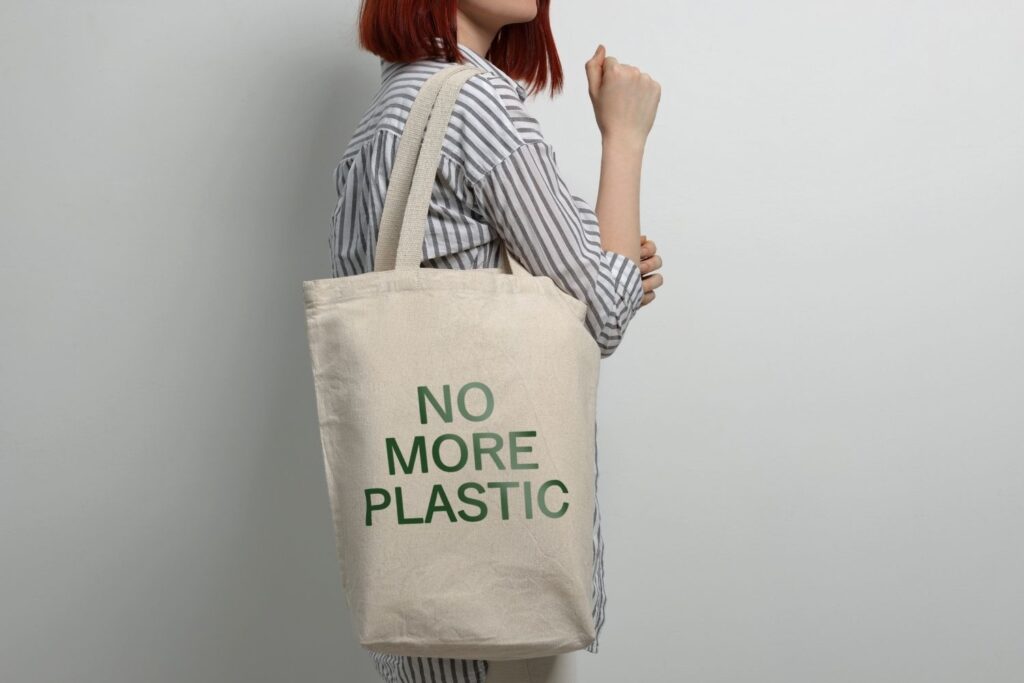
Reusable bags are often framed as an easy win. They replace single use plastic and signal environmental awareness at checkout lines everywhere. What rarely gets discussed is how resource intensive many reusable bags are to produce. Cotton bags in particular require large amounts of water energy and land before they ever reach a store.
The impact depends on how often they are used. Cotton bags must be reused hundreds of times to offset their production footprint according to the Danish Environmental Protection Agency. When bags are forgotten stockpiled or discarded early their environmental cost quietly outweighs the plastic they replaced.
2. Bamboo products are not always as green advertised.

Bamboo is fast growing and renewable which makes it a favorite sustainability symbol. It shows up in clothing sheets utensils and toothbrushes. The issue lies in how bamboo is processed. Many bamboo textiles are chemically transformed into rayon using solvents that pollute water and harm workers.
The green promise often stops at the plant itself. Manufacturing steps matter just as much. Many bamboo fabrics are essentially semi synthetic materials as reported by the Federal Trade Commission. Without transparency around processing bamboo products can quietly carry heavy environmental and human costs.
3. Compostable packaging fails without proper waste systems.
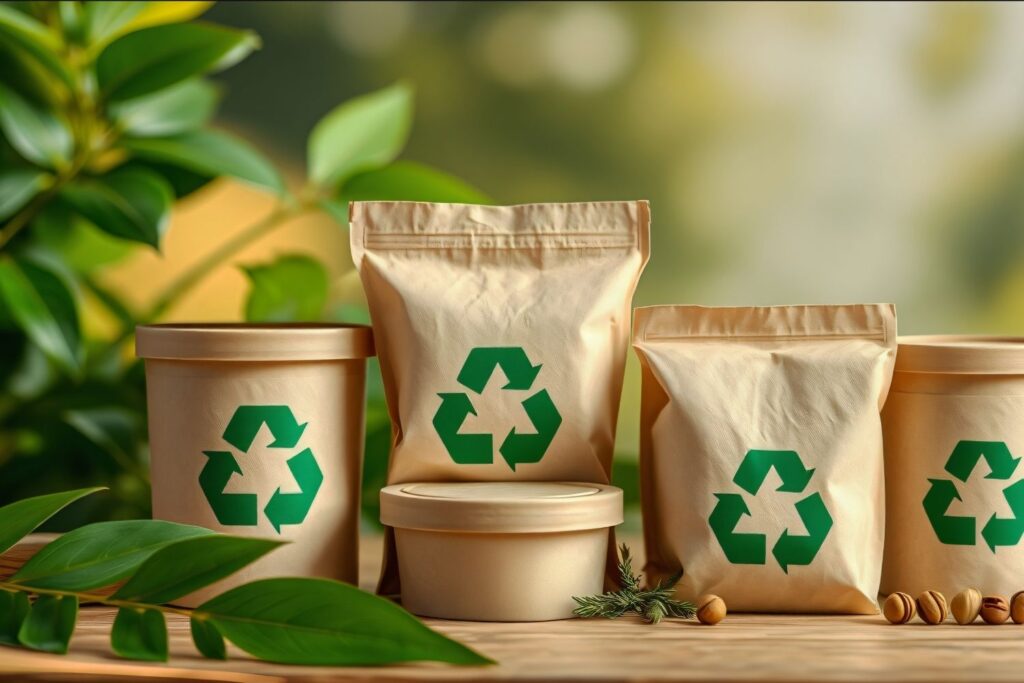
Compostable packaging sounds ideal. It suggests food containers that return harmlessly to the earth. In practice most compostable plastics require industrial composting facilities that many cities do not have. When placed in landfills they behave much like conventional plastics.
This gap creates a false sense of closure. Products labeled compostable often contaminate recycling streams or end up buried indefinitely. Many municipalities lack the infrastructure to process them properly according to the Environmental Protection Agency. Without system wide support compostable packaging becomes a promise that never completes its cycle.
4. Electric toothbrushes still generate persistent plastic waste.

Electric toothbrushes are marketed as a greener option because heads can be replaced instead of the whole brush. Yet most heads are made of mixed plastics that are rarely recyclable. Batteries motors and chargers add additional environmental cost over time.
The product reduces waste only under ideal conditions. In reality worn heads are discarded frequently and electronic components eventually fail. Manual toothbrushes made from simpler materials can sometimes outperform electric versions environmentally when durability and disposal are factored in across years of use.
5. Fast fashion made from recycled fabric still overproduces.

Clothing brands now advertise garments made from recycled plastic bottles. While this sounds like a win it often supports the same fast fashion cycle of overproduction short wear and rapid disposal. Recycled polyester still sheds microplastics and is rarely recycled again.
The core issue is volume. Producing more clothing at high speed overwhelms any material improvements. Sustainability depends on reducing production not just altering inputs. When garments are worn only a few times their environmental footprint remains high regardless of recycled content claims.
6. Metal straws solve a narrow problem poorly.

Metal straws became popular as a symbol of ocean protection. They replaced plastic straws that represent a tiny fraction of global plastic waste. Manufacturing metal straws requires mining energy intensive processing and long supply chains.
When used daily for years they can make sense. When purchased impulsively and forgotten they add unnecessary material burden. The environmental benefit depends entirely on consistent long term use. Often the most sustainable option is simply skipping the straw altogether.
7. Biodegradable trash bags rarely biodegrade properly.
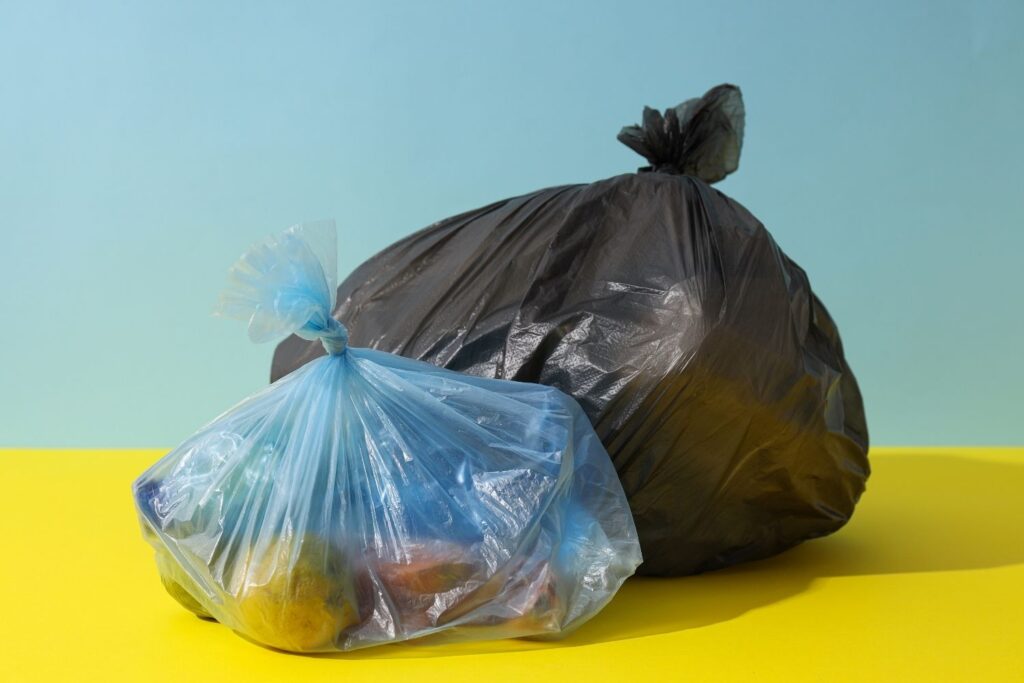
Biodegradable bags suggest waste that disappears naturally. Many are designed to break down only under specific conditions like heat oxygen and moisture that landfills do not provide. In anaerobic landfill environments they may persist or release methane.
This creates confusion and misplaced trust. Consumers believe they are reducing harm when outcomes remain unchanged. True biodegradation requires context. Without proper processing biodegradable bags behave much like conventional plastic while costing more resources to produce.
8. Solar powered gadgets still rely on complex supply chains.

Small solar chargers lights and accessories promise clean energy independence. Yet many contain batteries electronics and plastics sourced through global supply chains. Manufacturing often produces more emissions than the product offsets during its short lifespan.
Longevity matters. Gadgets that break quickly undermine their own purpose. Large scale solar systems offer far greater environmental benefit than novelty items. Sustainability improves when solar technology replaces fossil energy at meaningful scale rather than serving as a marketing feature.
9. Plant based plastics still depend on industrial agriculture.
Plastics made from corn sugarcane or other plants are often framed as carbon neutral. These materials rely on industrial farming that uses fertilizers water and land while contributing to soil degradation and runoff.
They also compete with food production. Shifting plastic feedstocks to crops introduces new environmental pressures. Plant based does not automatically mean low impact. The full agricultural footprint must be considered alongside manufacturing and disposal outcomes.
10. Refillable beauty products rarely reduce total packaging.

Refillable skincare and cosmetics promise less waste. In practice refill pods often use complex materials that are hard to recycle. The outer container may be reused but refills still generate plastic waste.
Shipping refills individually can increase emissions. True reduction happens when systems support bulk refilling locally. Without that infrastructure refillable products may simply shift packaging rather than eliminate it while adding cost and complexity for consumers.
11. Eco labeled cleaning products still rely on plastic bottles.

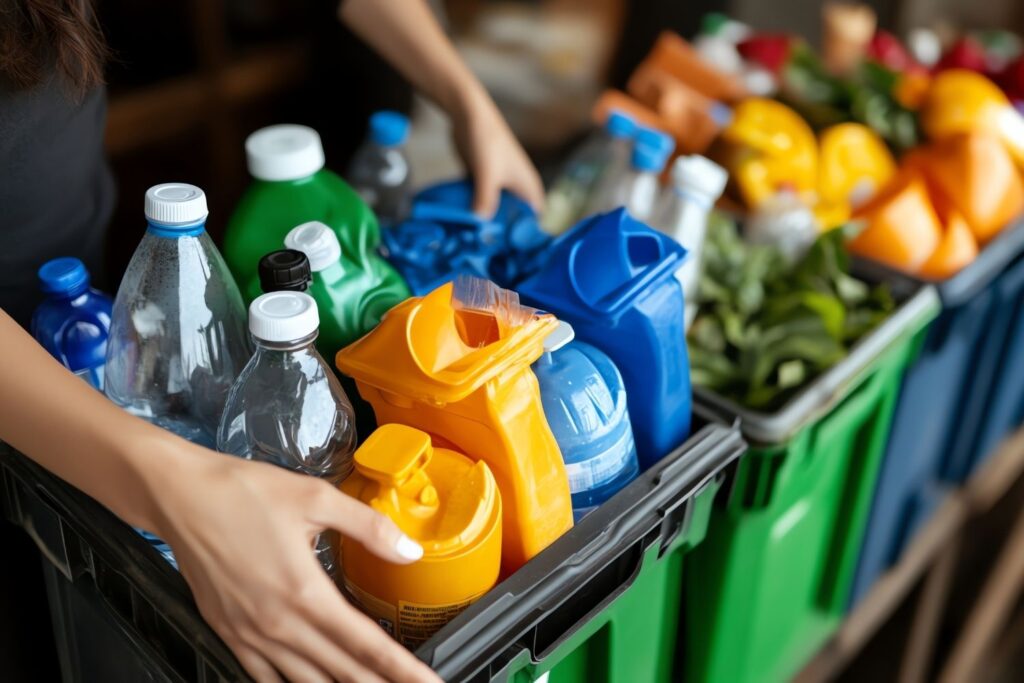
Many green cleaners focus on safer ingredients but retain single use plastic packaging. Concentrates help but require consumer behavior changes that are not always sustained.
The environmental impact of packaging often outweighs ingredient improvements. Durable refill systems and local dispensing offer better outcomes. Without them cleaning products remain plastic dependent despite eco branding.
12. Carbon offset products outsource responsibility instead of reducing.

Some products include carbon offsets to claim neutrality. Offsets often fund distant projects that are difficult to verify or measure. They do not eliminate emissions at the source.
This creates psychological distance from impact. Real sustainability prioritizes reduction before compensation. Offsets can play a role but cannot replace meaningful changes in production transport and consumption patterns over time.