
Experts identify the American cities facing total annihilation.

In a nuclear war, survival wouldn’t depend on courage or preparation—it would depend on geography. Across the United States, certain cities are so strategically vital that they would be vaporized in the opening moments of any full-scale exchange. Government command centers, defense industries, population hubs, and energy infrastructure would make them instant targets. According to defense analysts, the destruction would not only erase these cities physically but also collapse the systems that keep the nation running. Here are the U.S. cities that experts say would have virtually no chance of survival in a nuclear war.
1. Washington D.C. would be the first to vanish.
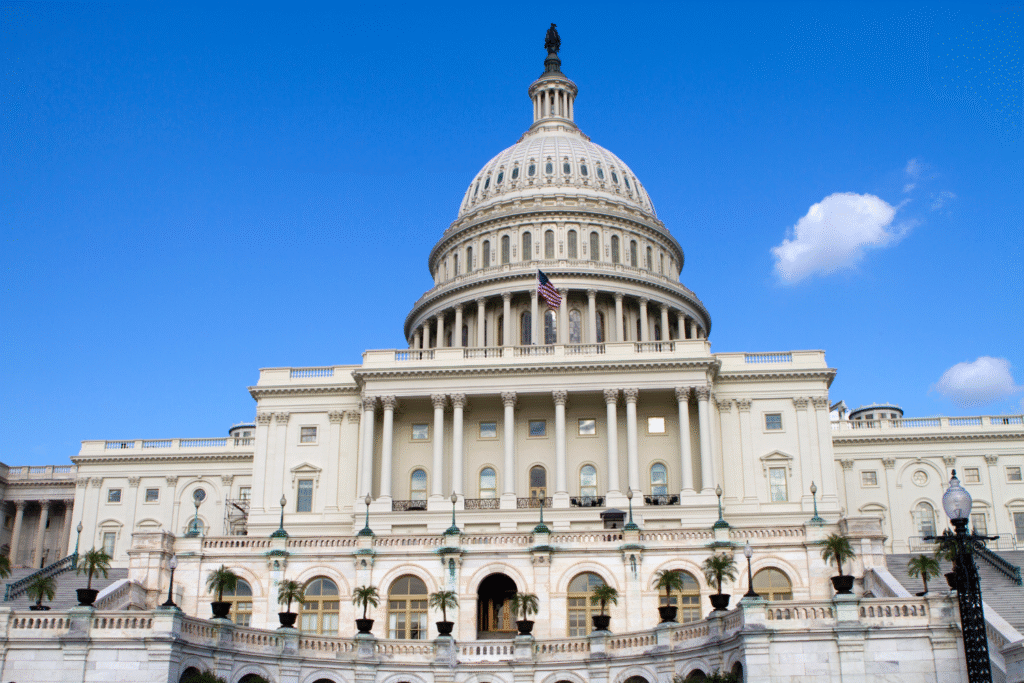
No city holds more symbolic and strategic value than the nation’s capital. It houses the White House, the Pentagon, and every major command authority for U.S. military response. According to the Federation of American Scientists, Washington D.C. remains the top-ranked target in all nuclear simulations due to its concentration of leadership and defense infrastructure. A direct strike would destroy decision-making capabilities in seconds, cutting off command lines nationwide. The surrounding areas—Arlington, Alexandria, and parts of Maryland—would be obliterated in the same blast wave, leaving nothing but radioactive silence where the country’s power once stood.
2. New York City would be erased for its global influence.
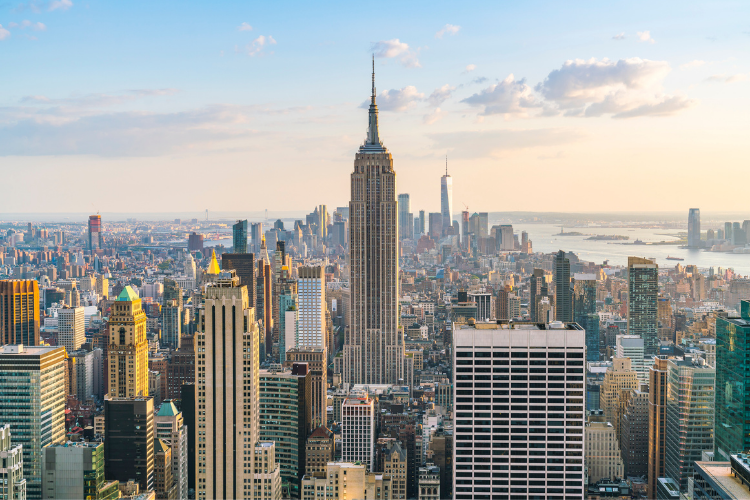
As stated by the Bulletin of the Atomic Scientists, New York is a guaranteed first-wave target because it represents the financial heart of the United States and the wider world. Its communication centers, trade routes, and dense population make it a symbol of American strength—and therefore an irresistible target. The blast would ignite firestorms across Manhattan and the outer boroughs, while fallout would blanket New Jersey and southern New England. Millions would die within hours. For the rest of the nation, the loss would cripple markets, erase leadership, and plunge communications into chaos.
3. Los Angeles and San Francisco would be next on the list.

Both West Coast powerhouses are deeply tied to the U.S. defense network and global trade. Los Angeles hosts major aerospace and naval industries, while San Francisco anchors technological and economic power. RAND Corporation research notes that these coastal hubs appear in all major nuclear targeting assessments because of their military, economic, and logistical significance. A strike on either would unleash unimaginable firestorms and coastal contamination. Beyond the deaths, their destruction would cripple Pacific defenses and shatter America’s connection to the global tech economy.
4. Chicago and Detroit would be crushed as industrial and transport centers.
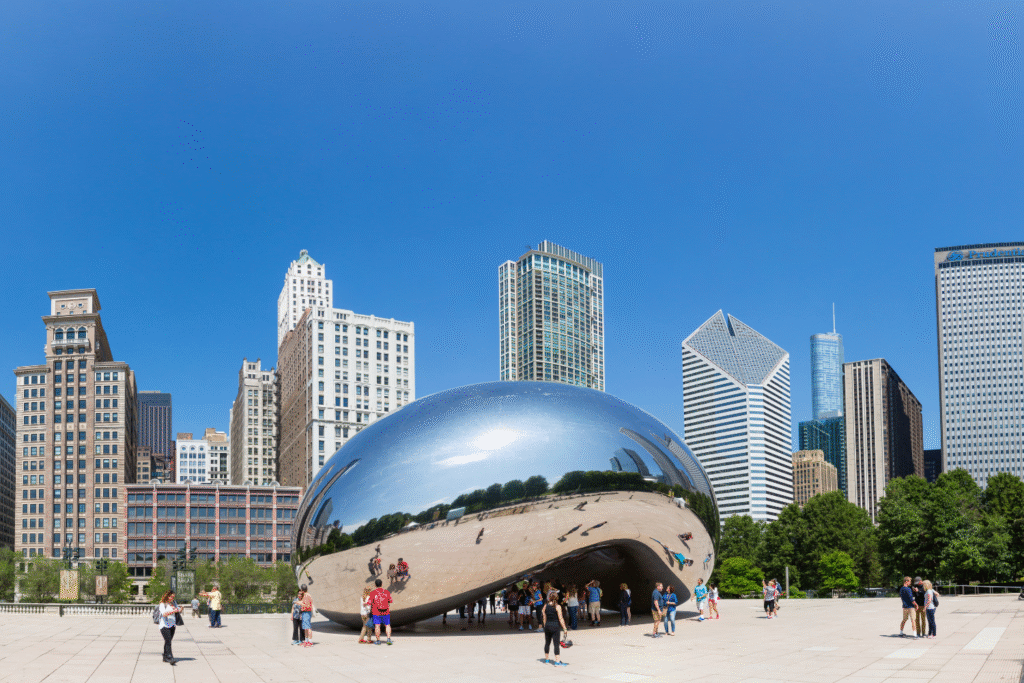
The Midwest’s heart would not be spared. Chicago’s vast rail systems, financial networks, and air hubs make it an essential link in national logistics. Detroit remains tied to defense manufacturing and energy production. Hitting these two cities would cripple the country’s ability to rebuild or mobilize. Massive fires, chemical explosions, and secondary fallout from industrial zones would spread destruction for hundreds of miles. The once-bustling Great Lakes region would become a toxic wasteland, dividing the nation’s surviving halves.
5. Houston and Dallas would ignite under energy and defense strikes.
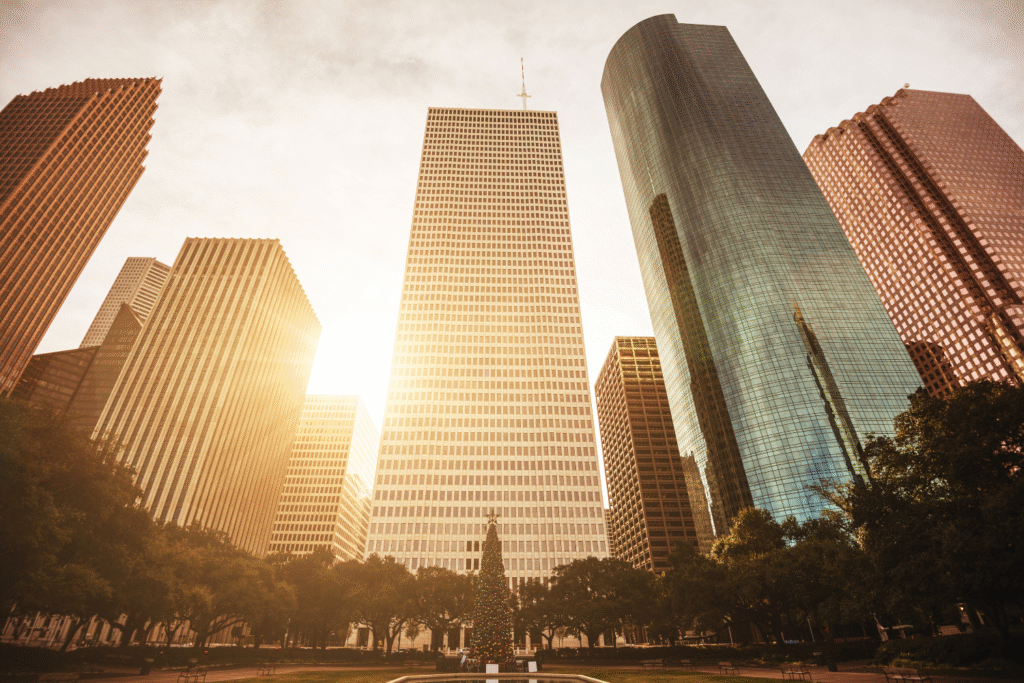
Texas, often seen as a potential refuge, would face catastrophic losses. Houston’s refineries and the NASA Johnson Space Center mark it as a key target, while Dallas serves as a major defense and aerospace manufacturing hub. A nuclear blast here would trigger chain reactions across oil and chemical facilities, sending toxic clouds across the Gulf. The entire energy network—fueling much of the country—would collapse overnight. The fires alone could burn for weeks, poisoning air and water far beyond Texas borders.
6. Seattle would fall due to its naval and aerospace significance.
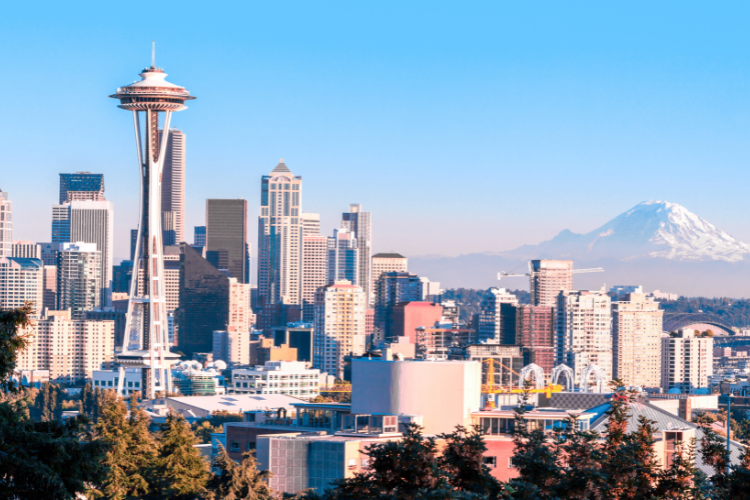
Seattle’s Puget Sound area hosts the U.S. Navy’s Pacific submarine base and Boeing’s largest defense operations. Its strategic location makes it one of the first cities likely to be hit by an intercontinental missile. Analysts from the Center for Strategic and International Studies identify Seattle as the primary West Coast military target outside California. The blast would flatten the metro area, and fallout would sweep through the Pacific Northwest, contaminating waterways and forests. With it, much of America’s Pacific defense capability would vanish instantly.
7. Denver and Colorado Springs would not survive despite their distance.
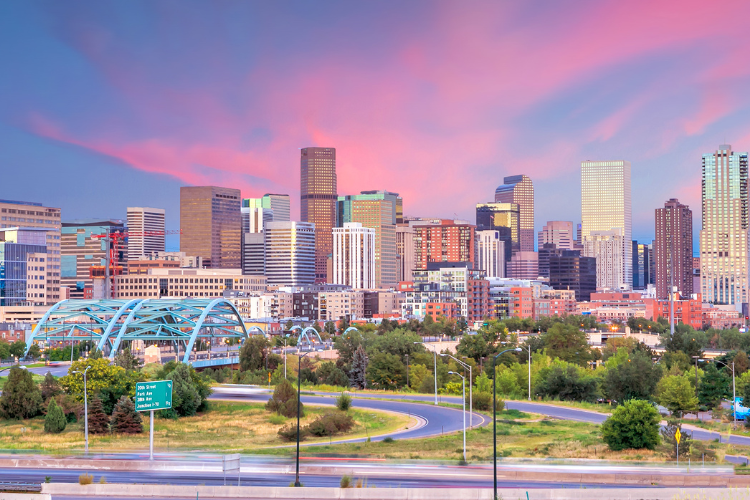
Many believe Denver’s location offers safety, but its proximity to NORAD and U.S. Space Command facilities makes it a guaranteed target. Colorado Springs, home to the Cheyenne Mountain complex, would attract strikes designed to destroy underground command systems. High-yield detonations would flatten the cities and crater surrounding mountain ranges. The shockwaves and radiation would reach deep into the interior. Instead of being a refuge, Colorado would become one of the most devastated regions in the country.
8. Atlanta and Charlotte would collapse under southern command strikes.
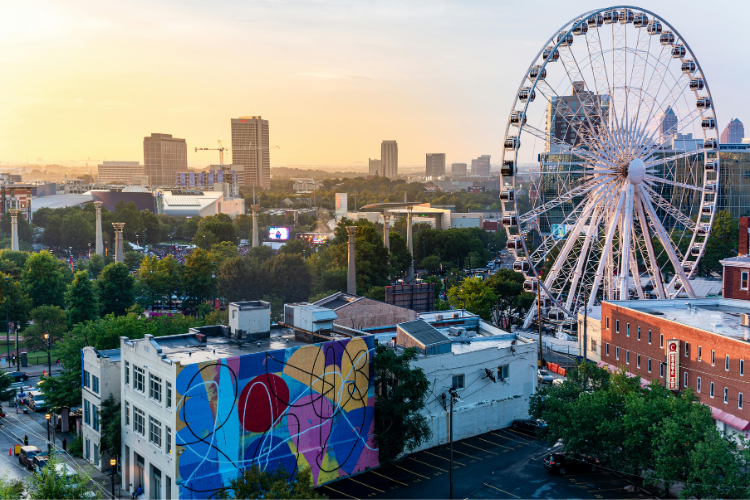
Atlanta’s airport—the busiest in the world—and its telecommunications and logistics centers make it vital to national continuity. Charlotte, a financial powerhouse, ties directly into banking and data systems. Strikes on these two hubs would isolate the Southeast and sever communications across half the nation. Fires from petroleum and chemical depots would compound the destruction, while radiation would spread through the Appalachian corridor. The region’s economic and digital backbone would vanish overnight, plunging millions into isolation.
9. Tampa and Miami would be erased as coastal command zones.
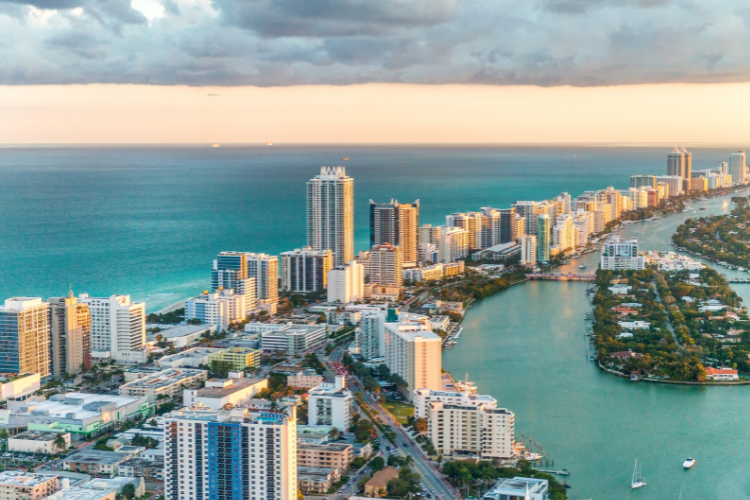
Florida’s Gulf and Atlantic coasts host key military and shipping hubs. Tampa houses U.S. Central Command, while Miami serves as a global gateway for commerce and trade. Their positions make them both high-value and vulnerable. Nuclear detonations here would create massive tidal contamination and lasting radiation across the state. The peninsula’s flat geography means fallout would spread inland rapidly, leaving nowhere safe to flee. Both cities would become submerged ruins within hours, their ports burning beneath radioactive clouds.
10. The ripple effects would erase what remains of the nation.

Even cities far from the blast zones, like Phoenix, Minneapolis, or Portland, would not escape collapse. Electromagnetic pulses from detonations would cripple the national grid, shutting down hospitals, communications, and water systems. Supply lines would vanish. Survivors would face starvation, radiation sickness, and freezing conditions. Within weeks, the country would fragment into disconnected regions struggling to survive. Experts warn that in a full-scale nuclear exchange, no U.S. city could truly endure—the destruction of its core would mean the end of the American civilization as we know it.