
Something unusual is moving faster than expected.
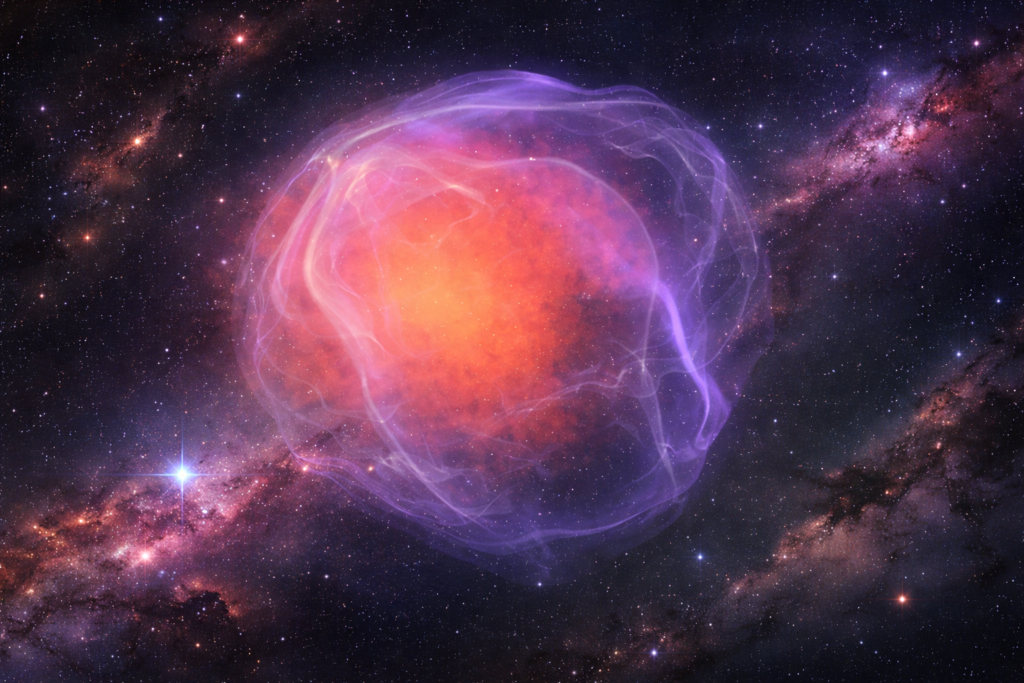
It started as a faint signal buried in telescope data, the kind most people would never notice. Then it moved, and not in a way that fit expectations. Across repeated observations, the object kept accelerating across the sky at a speed that forced astronomers to take a second look. It was not just another distant body drifting through space. The motion suggested something far less ordinary, and researchers began tracking it more closely.
1. The object was identified through an unusual discovery process.
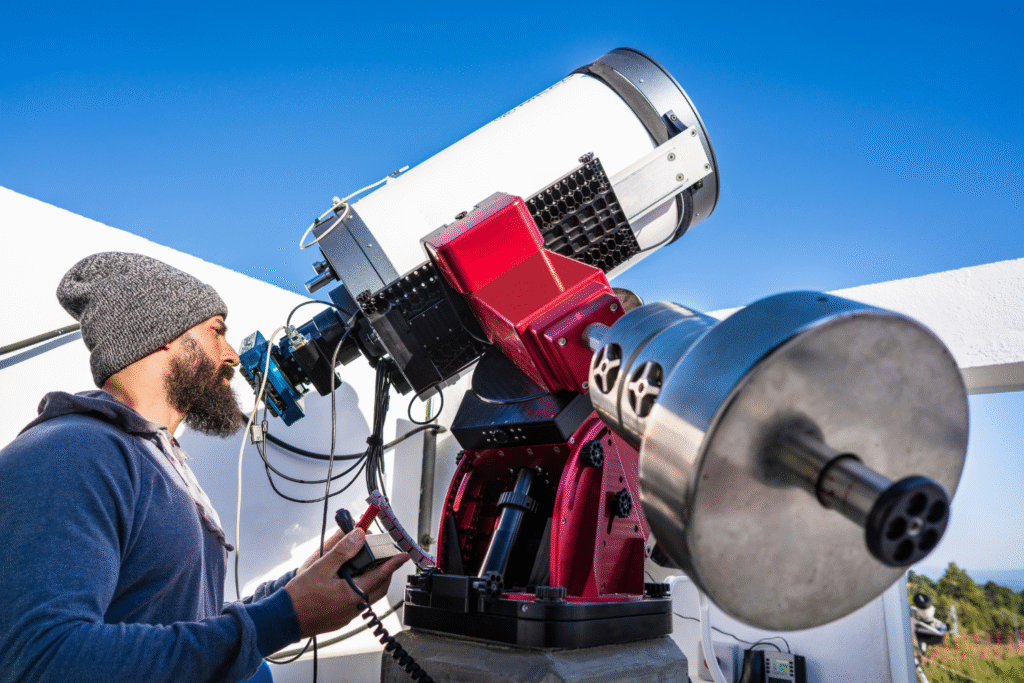
The first sign did not come from a major observatory announcement. Instead, the object was flagged through a citizen science effort, where volunteers analyze telescope data looking for motion that automated systems might miss. That unusual origin raised early questions about what had been overlooked.
The object, labeled CWISE J124909.08+362116.0, was later confirmed by astronomers studying infrared sky surveys. It showed clear movement across multiple observations, as discovered by NASA researchers. What stood out was not just its motion, but how consistently that motion appeared across datasets, prompting further investigation. The discovery process itself added weight to the finding. It suggested that unusual objects might still be hidden in existing data. That realization has shifted how some researchers approach large datasets moving forward.
2. Its speed places it among the fastest known objects.
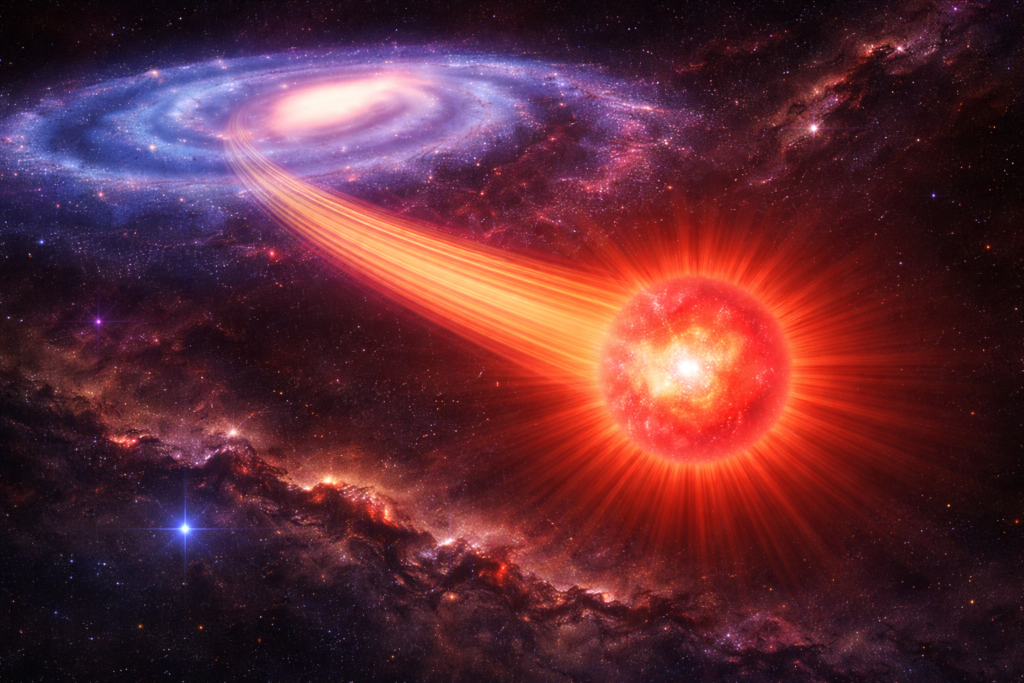
As more observations were gathered, scientists calculated its velocity relative to our solar system. The numbers quickly stood out. The object appeared to be traveling at roughly one million miles per hour, a speed that exceeds most nearby stellar motions.
That velocity suggests something unusual about its origin or trajectory. Objects moving this fast are often not bound to the gravitational pull of the Milky Way in the same way as typical stars, as reported by the European Space Agency. This raises the possibility that it may have been accelerated by an event far beyond our local region. Speeds at this level are rarely observed in nearby space. Each recalculation reinforces how extreme the motion is. The numbers remain consistent across different measurement methods.
3. Its path does not match typical stellar movement.
Astronomers map the motion of stars to understand how they move within the galaxy. Most follow predictable paths shaped by gravitational forces. This object, however, does not align neatly with those patterns.
Its trajectory suggests it may be traveling on a path that could eventually leave the galaxy entirely. That kind of motion is rare and often linked to extreme events, such as interactions with black holes, as stated by Harvard Smithsonian Center for Astrophysics. The unusual direction and speed together make it difficult to categorize within standard models. It appears to cut across expected stellar flows. That deviation has made it a subject of closer analysis. Researchers continue comparing its motion against known stellar populations.
4. Observations suggest it may be a failed star.
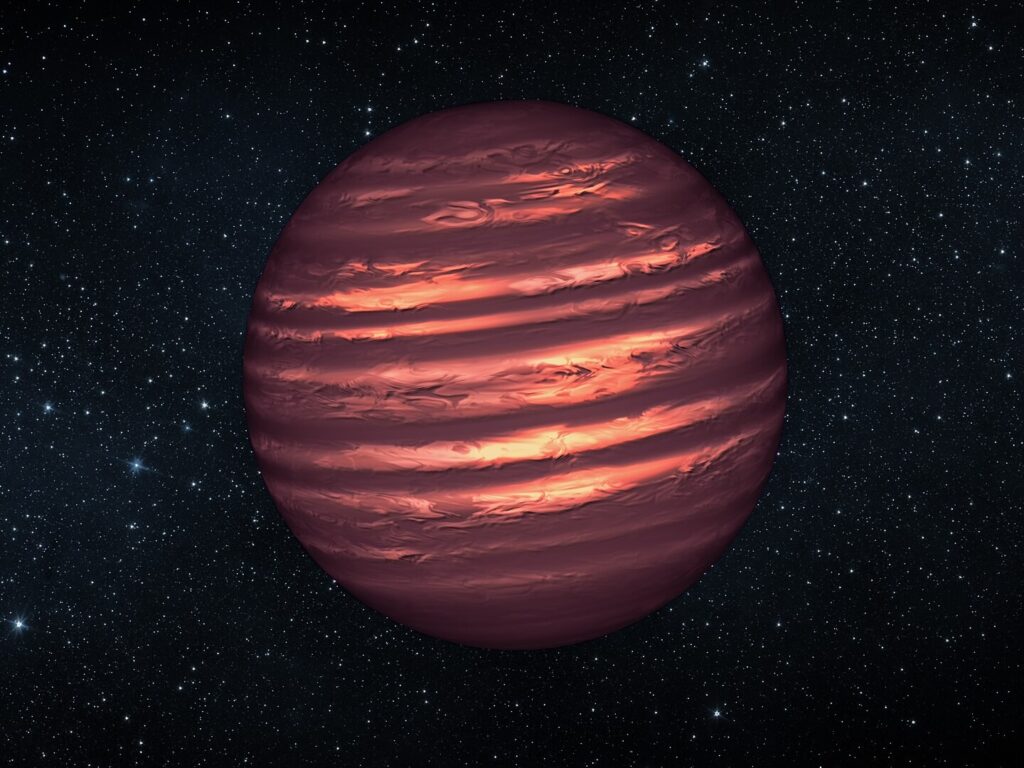
As researchers examined its brightness and spectrum, they began to consider what kind of object it might be. It does not appear bright enough to be a typical star, yet it emits detectable infrared radiation.
This has led to the possibility that it could be a brown dwarf. Brown dwarfs are objects that form like stars but never gain enough mass to sustain nuclear fusion. Their faint glow makes them harder to detect, especially when moving quickly across large distances. Its temperature appears relatively low compared to stars. The spectrum provides clues about its composition. These details help narrow down its classification, though uncertainty remains.
5. Its origin may trace back to a violent encounter.
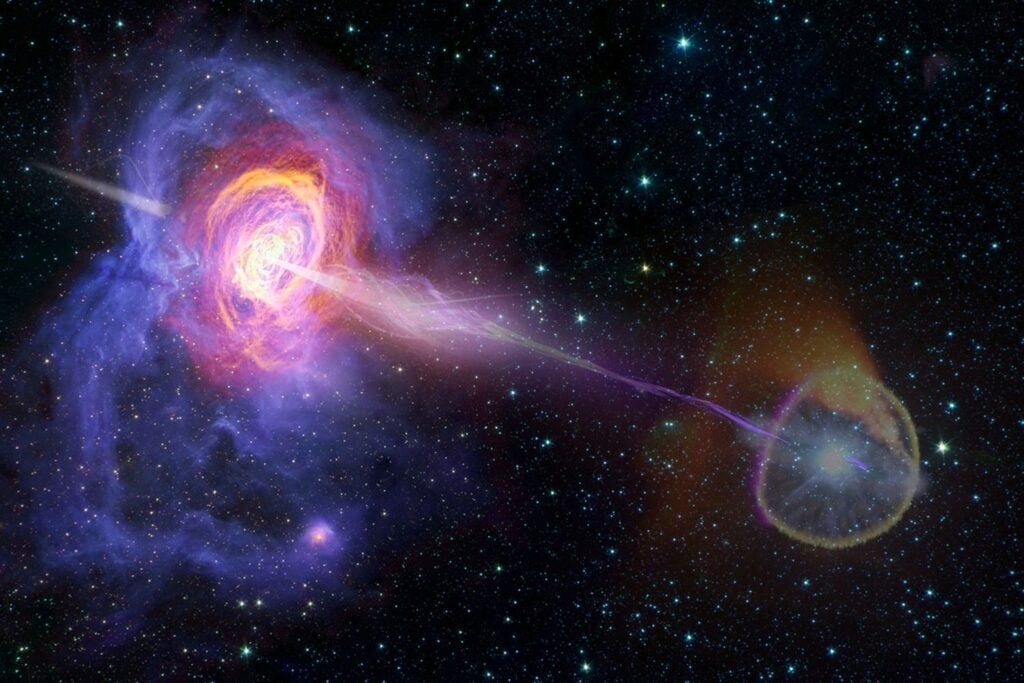
Objects reaching extreme speeds often do not get there gradually. Something must accelerate them, sometimes dramatically. One leading possibility involves gravitational interactions with massive bodies.
If this object passed near a dense region or interacted with a black hole, it could have been slingshot outward at high speed. These interactions can transfer energy rapidly, sending objects on trajectories that differ sharply from their original paths. The exact origin, however, remains uncertain. Multiple scenarios are still being modeled. Each possibility depends on conditions that are difficult to reconstruct. The lack of a clear origin keeps the investigation open.
6. Its distance makes precise tracking difficult.
Despite its speed, the object remains far from Earth. This distance creates challenges for astronomers trying to measure its position and motion with precision.
Small uncertainties in measurement can translate into large differences when projected over long distances. Each new observation helps refine its path, but the margins remain wider than scientists would prefer. This makes long term predictions more complex and less certain. Atmospheric conditions can affect observations. Instrument sensitivity also plays a role. These factors add layers of complexity to tracking efforts.
7. The object may eventually leave the Milky Way.
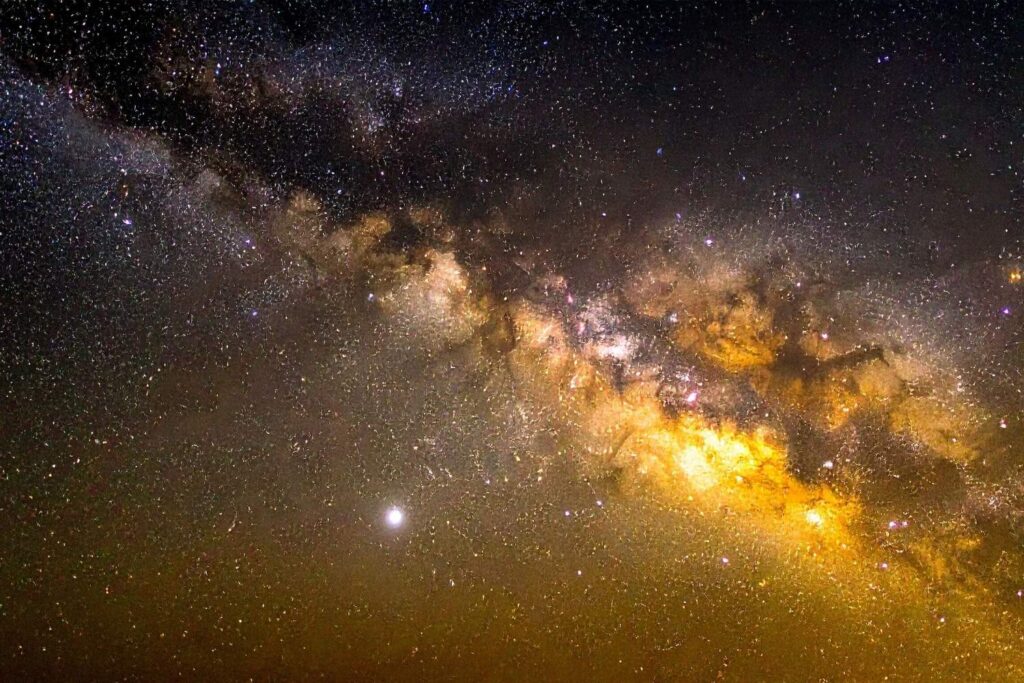
Based on current trajectory estimates, the object appears to be moving fast enough to escape the gravitational pull of our galaxy. That possibility places it in a rare category of interstellar travelers.
If confirmed, it would join a small group of known objects that are not bound to the Milky Way. These objects provide valuable insight into the forces that can eject matter from galaxies, offering clues about extreme cosmic events that are otherwise difficult to observe directly. Its path suggests a one way journey outward. The timeline for that exit spans millions of years. Even so, its motion offers a snapshot of that process in progress.
8. Its discovery highlights gaps in detection systems.

The fact that this object was first identified through a citizen science project raises questions about current detection methods. Automated systems process vast amounts of data, yet they can miss subtle patterns.
Human observers, even non professionals, can sometimes detect motion or anomalies that algorithms overlook. This suggests that there may be more objects moving through space that have not yet been fully identified or understood. Data volume continues to grow rapidly. Not all information is reviewed in detail. This creates opportunities for overlooked discoveries to surface later.
9. Similar objects may be passing unnoticed.

If one object of this type can be missed initially, it raises the possibility that others exist beyond current detection limits. The sky is vast, and not every moving object is immediately recognized.
As telescope technology improves and more data is analyzed, additional high speed objects may be discovered. Each new detection could challenge existing models of how objects move within and beyond our galaxy. Some may be even faster. Others may follow different trajectories. The broader population remains largely unknown.
10. Scientists continue tracking it for new clues.

The story of this object is still unfolding. Astronomers continue to monitor its motion, gathering data from multiple observatories to refine their understanding.
Each new observation adds detail to its trajectory and characteristics. While many questions remain unanswered, the object has already shifted attention toward a category of fast moving bodies that may hold important clues about the dynamics of the universe. Future instruments may provide clearer data. Ongoing collaboration expands coverage. The investigation continues with no immediate endpoint.