
Scientists warn marine ecosystems are reaching their limits.
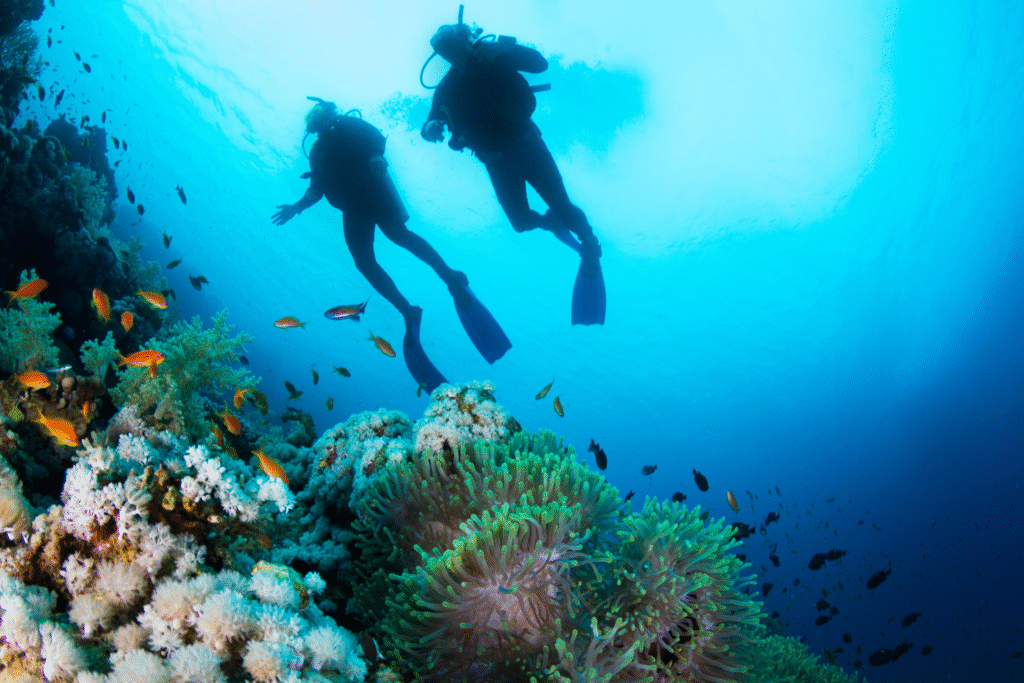
The ocean has long been Earth’s greatest buffer, absorbing heat, carbon, and waste with quiet endurance. But new research suggests that this balance is unraveling faster than expected. Entire ecosystems are changing as marine life struggles to adapt to rising temperatures, acidifying waters, and oxygen loss. What was once resilient is now fragile, what seemed boundless now looks finite. Scientists are calling it an unfolding planetary crisis, one that touches every coastline, fishery, and food chain on Earth. If the oceans fail, much of the life that depends on them—including ours—will face consequences we can’t undo.
1. Ocean temperatures are rising faster than life can adapt.
In 2025, ocean surface temperatures broke records across multiple regions, shattering previous heat thresholds and triggering unprecedented coral bleaching events. Scientists tracking global ocean data revealed that marine heatwaves are becoming more frequent and lasting longer. According to The Guardian, acidity and temperature levels have now crossed critical thresholds for marine life. That shift means coral reefs, plankton, and fish migration patterns are being upended. When ocean life loses its stable environment, the ripple effects stretch from the tiniest microorganism to entire fishing economies, changing the future of marine ecosystems in ways that feel irreversible.
2. Coral reefs are showing signs of near-total collapse.
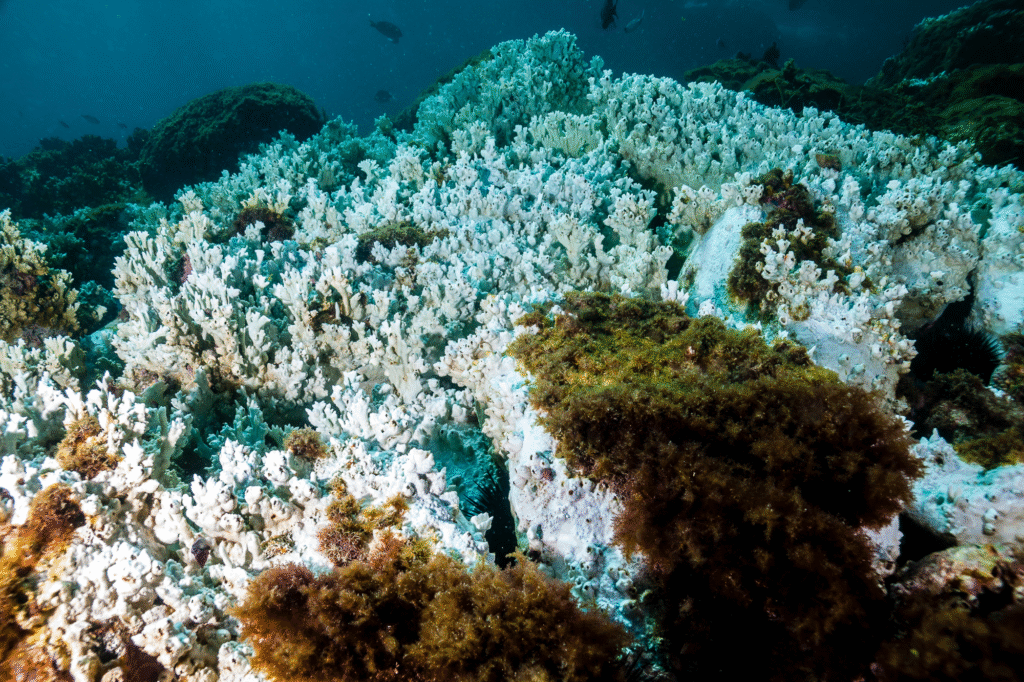
In Florida and across the Pacific, once-vibrant coral species are dying faster than recovery can occur. The bleaching events have wiped out much of the structure that supports countless marine organisms. As discovered by researchers, two key coral species in the Florida Keys were declared functionally extinct after last year’s ocean heatwave, reported by The Guardian. When coral dies, it isn’t just color that disappears—it’s the foundation of a habitat for one-quarter of all marine species. The loss of reefs means the loss of natural coastal defenses, breeding grounds, and ecosystems that feed millions.
3. Oxygen depletion is quietly suffocating marine ecosystems.
While warming and acidification draw attention, another silent crisis is spreading underwater—deoxygenation. As stated by Scientific American, rising temperatures reduce the ocean’s ability to hold oxygen, creating dead zones where fish and other species can’t survive. These oxygen-depleted waters are expanding faster than scientists anticipated. Marine biologists describe these zones as “ecological deserts,” where only the hardiest microorganisms remain. Without oxygen, even species capable of surviving heat and acidification struggle to persist. It’s a slow unraveling that starts invisible but ends with mass die-offs, empty seascapes, and ecosystems unable to recover.
4. Overfishing is collapsing food webs across the globe.
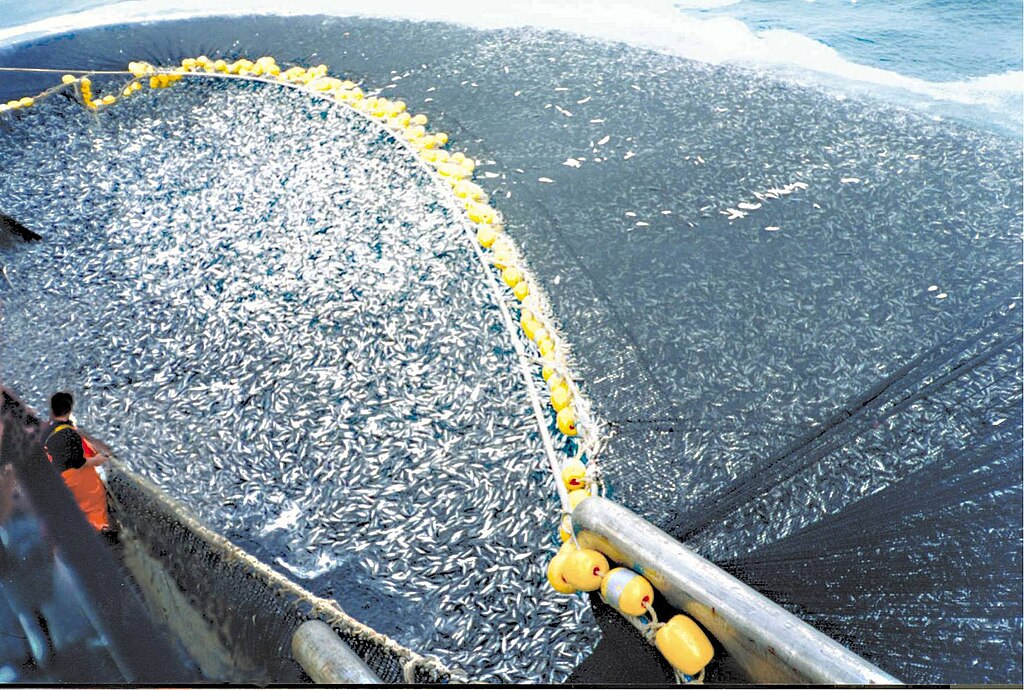
Fishing pressures have driven many species to the brink, disrupting marine food chains that took millennia to evolve. As industrial fleets sweep deeper and further, apex predators like sharks and tuna decline, and smaller species fill the gaps. But those smaller species often depend on the very predators now missing, creating unstable, imbalanced ecosystems. In places once abundant with fish, fishermen are returning with smaller catches, signaling deeper ecological distress. Overfishing doesn’t just harm marine biodiversity—it weakens the ocean’s resilience to all other threats, leaving it exposed to collapse.
5. Acidification is eating away at the ocean’s foundation.
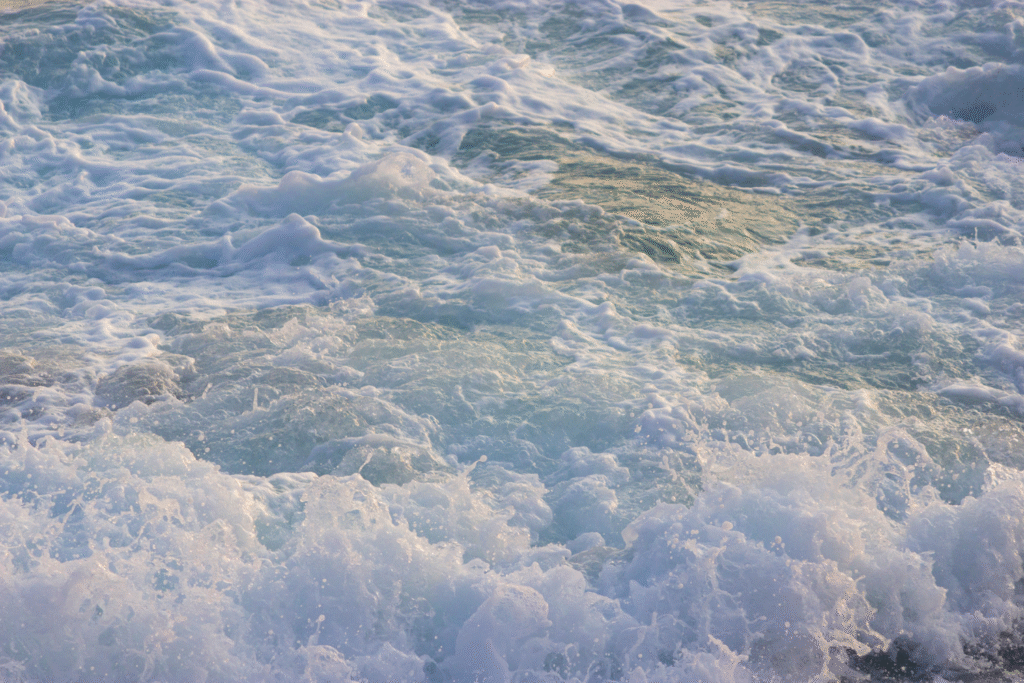
Carbon dioxide doesn’t stay in the air—it dissolves into seawater, forming carbonic acid. That slow chemical shift is now altering life at its base. Shell-building creatures like oysters, corals, and tiny plankton struggle to form their structures, and when they weaken, so does the entire marine food web. Scientists describe it as the “slow-motion corrosion of the ocean.” The process undermines biodiversity and reduces the ocean’s ability to regulate climate. It’s a quiet breakdown happening molecule by molecule, yet its consequences are enormous, affecting everything from fisheries to weather systems.
6. Plastic and chemical pollution are choking marine life.
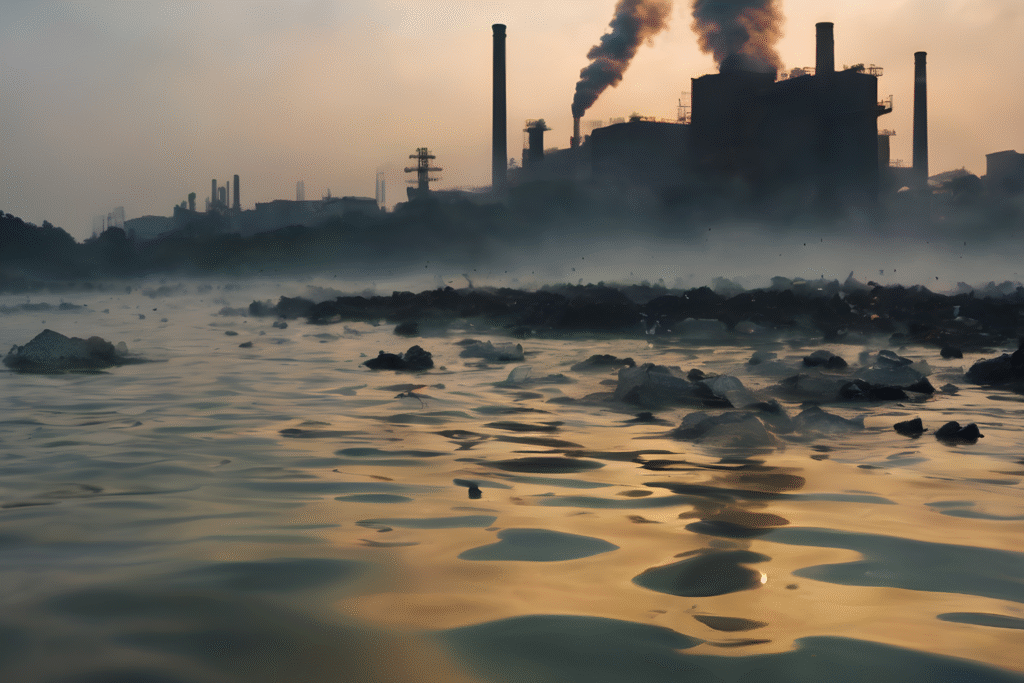
Each year, millions of tons of plastic enter the ocean, breaking into microfragments that invade every ecosystem. Marine animals ingest these particles, mistaking them for food, while toxins leach into their tissues. Chemical runoff from agriculture adds another layer of threat, forming toxic blooms and suffocating coastal habitats. Studies show traces of these pollutants now reach even the deepest ocean trenches. It’s as if the ocean is suffocating from the inside, overwhelmed by the steady drip of our waste and chemicals. The result is a slow but steady poisoning of the planet’s largest life system.
7. Polar ecosystems are crumbling as ice retreats.
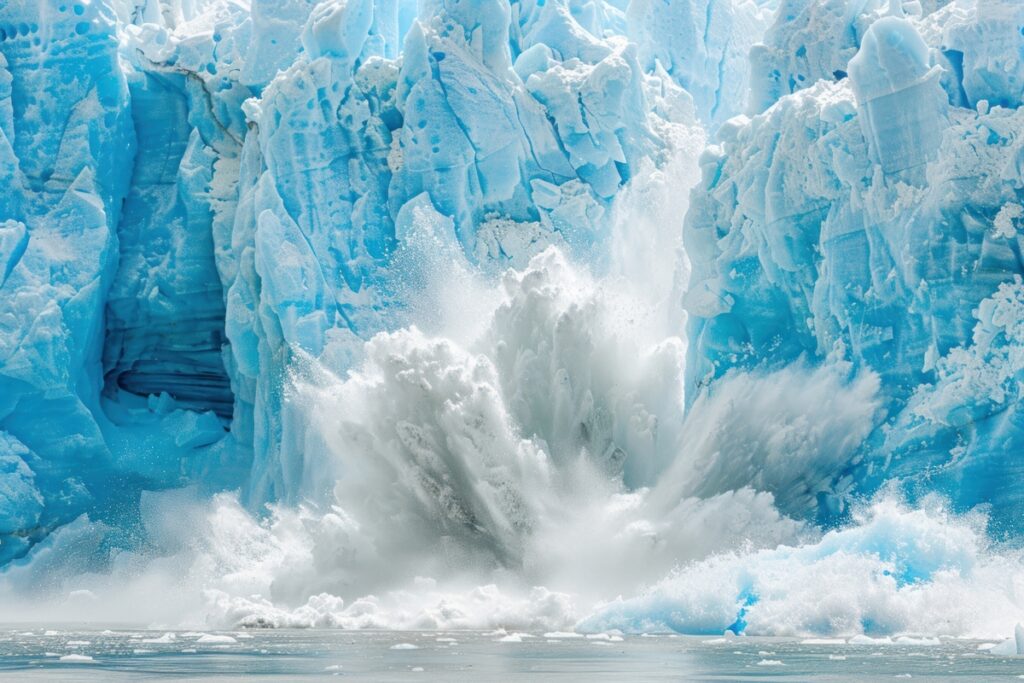
The polar regions are often called the lungs of the ocean, but they’re melting faster than ever recorded. Sea ice loss is destroying habitats for species like krill, seals, and penguins, which form the backbone of polar food webs. As ice melts, sunlight penetrates deeper, altering temperature gradients and nutrient cycles. These changes ripple outward, disrupting migration and feeding patterns across hemispheres. The melting poles aren’t just a polar problem—they are global warning lights, showing what happens when stability disappears from the planet’s most vital systems.
8. Entire species are shifting toward cooler waters.
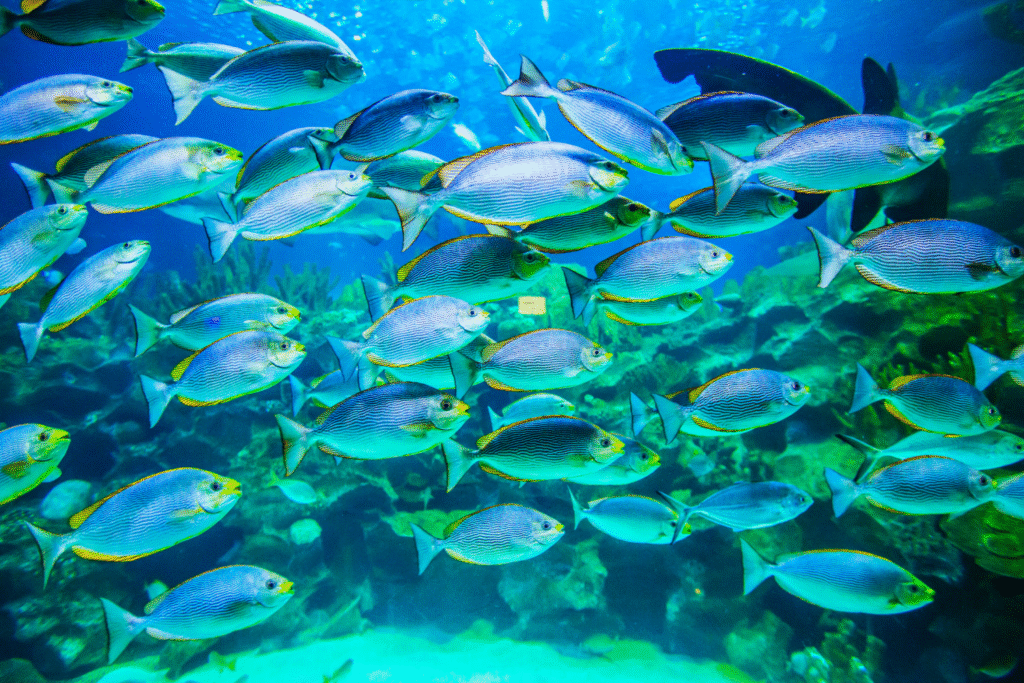
As temperatures rise, fish and plankton are moving toward the poles to escape the heat. These migrations disrupt local ecosystems, fisheries, and coastal communities that rely on predictable cycles. In tropical regions, where species have nowhere cooler to go, populations are collapsing. The result is what marine scientists call “ecological displacement”—a redrawing of life’s map in real time. It may sound natural, but these shifts often cause cascading losses in biodiversity and local economies, proving that even adaptation can have devastating consequences when change happens too fast.
9. Marine food insecurity is now a human crisis.
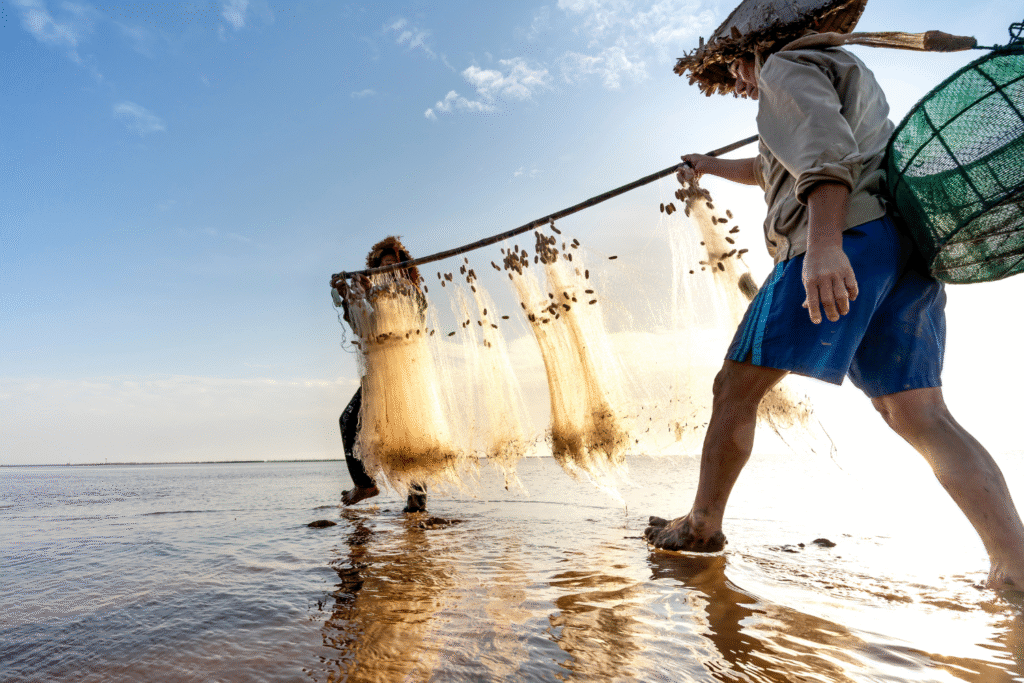
What begins underwater always ends on land. As ocean ecosystems collapse, global food security falters. Over three billion people rely on the ocean for protein, yet fisheries are shrinking as breeding grounds vanish. Coastal communities in the Global South face the sharpest decline, with livelihoods eroding along with fish stocks. This isn’t a distant issue—it’s unfolding now, in ports and villages worldwide. The collapse of marine biodiversity is already feeding economic instability, forcing migration, and deepening inequality in ways that echo through generations.
10. Scientists warn we may be the ocean’s last chance.

Every discovery points to the same urgent truth: time is running out. Yet the future isn’t sealed. Restoring mangroves, protecting coral refuges, cutting emissions, and limiting overfishing still matter—and can still work. What scientists are saying is not simply a warning, but a call for action measured in years, not decades. The ocean is changing faster than at any point in human history, but it has not yet passed every point of no return. The next chapter depends entirely on whether humanity chooses to listen before silence replaces the sound of the sea.