
Subtle shifts are accelerating with global consequences.

For decades, scientists viewed certain ocean systems as slow moving stabilizers, changing over centuries rather than years. That assumption is now under strain. New measurements from satellites, autonomous floats, and long running observation stations show a key ocean circulation system shifting far faster than models projected. The changes are not dramatic on a single day. They appear as steady deviations that accumulate quietly. What alarms researchers is not just the speed, but how closely these shifts align with warming trends, melting ice, and altered wind patterns already reshaping the planet.
1. The Atlantic circulation system is weakening faster than expected.

Scientists are now directly tracking changes in the Atlantic Meridional Overturning Circulation, often described as the ocean’s heat conveyor. This system carries warm surface water north through the Atlantic and returns colder, denser water south at depth. It plays a central role in regulating temperatures across Europe, eastern North America, and parts of the Arctic.
Long term measurements show a measurable slowdown compared to twentieth century baselines. Instruments monitoring temperature, salinity, and flow strength indicate the weakening is progressing faster than earlier projections, according to the National Oceanic and Atmospheric Administration. Researchers are concerned because even modest declines can alter weather patterns, sea level along the U.S. East Coast, and ocean heat distribution far beyond the Atlantic basin.
2. Melting ice is disrupting density driven water movement.

Ocean circulation depends on density differences between warm salty water and cold fresh water. As ice sheets melt, large volumes of freshwater pour into the ocean, changing this balance. The effect is strongest in polar and subpolar regions.
Field measurements show freshwater layers lingering longer than expected, interfering with sinking currents that drive circulation, as reported by the British Antarctic Survey. When dense water fails to sink efficiently, the entire conveyor weakens. Scientists are concerned because this mechanism scales quickly. Each additional melt season compounds disruption, making recovery increasingly difficult.
3. Temperature gradients are flattening across key regions.
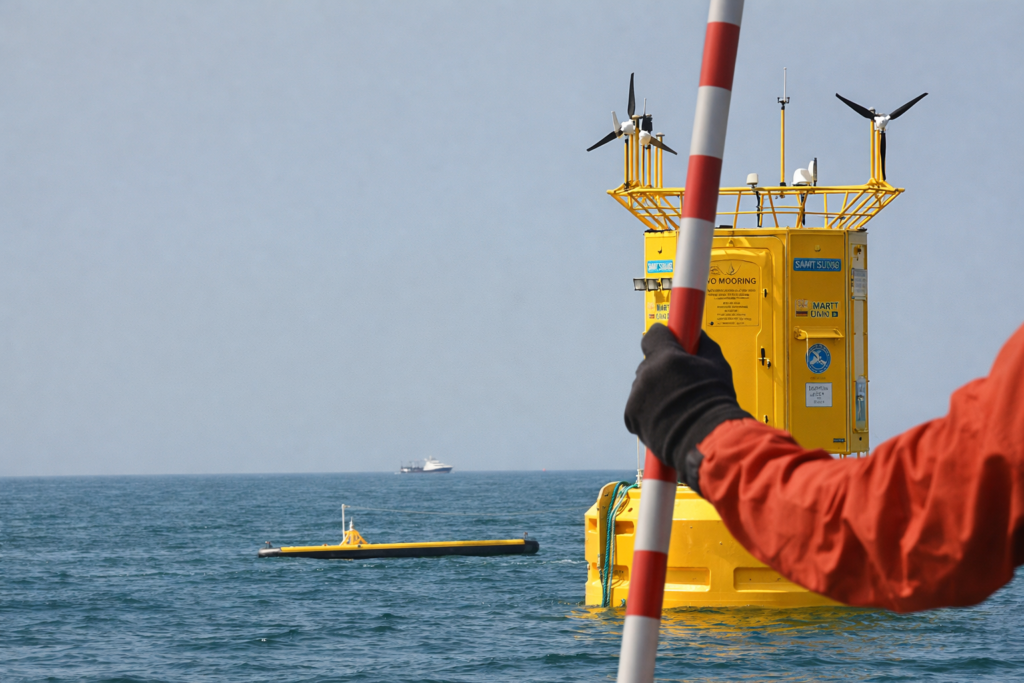
Ocean circulation relies on sharp temperature contrasts between regions. Warmer equatorial waters and cooler polar waters create the gradients that drive large scale movement. Those contrasts are shrinking.
Satellite and buoy data reveal faster warming in traditionally cold regions, reducing the thermal difference that powers circulation, as stated by researchers at NASA. Flattened gradients slow flow even without freshwater input. This dual pressure from warming and melting creates a reinforcing effect. The system loses energy from multiple directions at once.
4. Seasonal patterns are becoming less predictable.
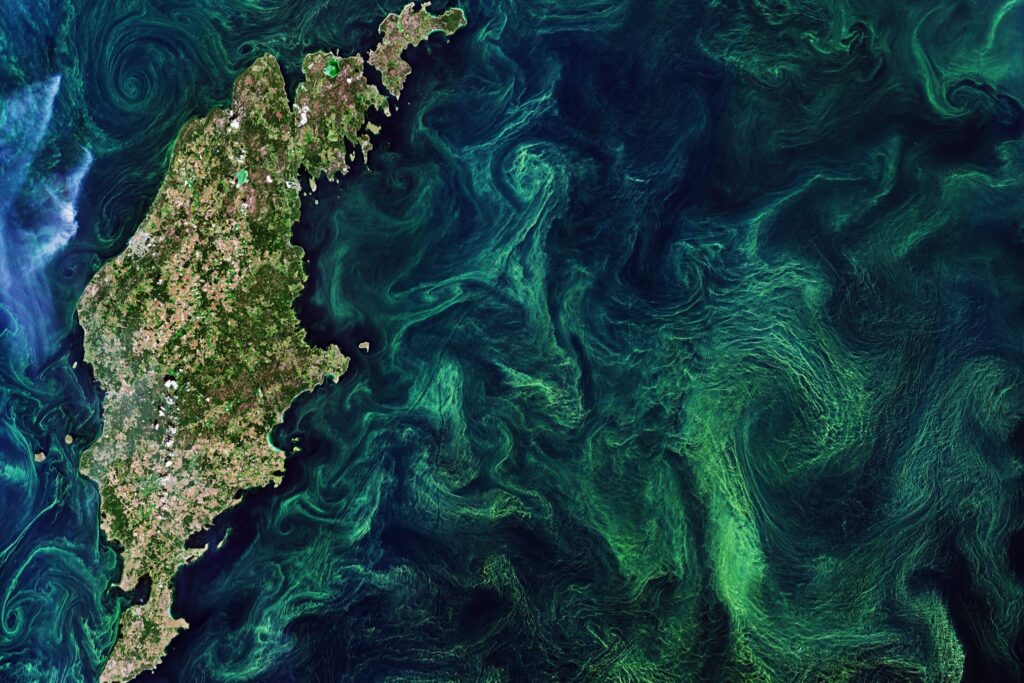
Historically, ocean circulation followed fairly reliable seasonal rhythms. Strengthened winter mixing and calmer summer stratification balanced the system. Recent observations show these patterns breaking down.
Seasonal transitions now arrive earlier or later than expected, disrupting timing across marine ecosystems. Fish migration, plankton blooms, and nutrient transport fall out of sync. The circulation system no longer resets cleanly each year. Instead, anomalies carry over, creating cumulative stress that short term observations often miss.
5. Heat storage within the ocean is increasing unevenly.

As circulation slows, heat distribution becomes less efficient. Some regions trap more warmth, while others cool relative to historical norms. This uneven storage destabilizes climate feedback loops.
Warmer subsurface layers intensify ice melt from below, while surface cooling in some areas masks underlying heat accumulation. The ocean appears calm while energy builds beneath. This imbalance complicates forecasting. Scientists warn that delayed release of stored heat can trigger abrupt shifts rather than gradual change.
6. Atmospheric weather patterns are already responding.

Ocean circulation and atmospheric circulation are tightly linked. Changes in one affect the other. As ocean heat transport weakens, jet stream behavior and storm tracks adjust.
Researchers have observed increased weather persistence, with storms lingering longer and blocking patterns becoming more common. These shifts influence rainfall, drought, and heat waves across continents. The changes are subtle but measurable. The concern is amplification. Small circulation adjustments can reorganize large scale atmospheric behavior.
7. Marine ecosystems show early signs of stress.

Circulation systems deliver nutrients that sustain marine food webs. When flow patterns change, nutrient delivery becomes patchy. Some regions experience shortages while others see unusual blooms.
Fisheries data show altered productivity patterns, with species shifting ranges or declining unexpectedly. Coral and plankton communities respond quickly to circulation changes. These biological signals often appear before physical collapse. Scientists view them as early warning indicators of deeper system instability.
8. Feedback loops may accelerate future change.

Slower circulation allows heat and freshwater to accumulate, which further weakens flow. This creates feedback loops that amplify initial disruptions. Once thresholds are crossed, recovery becomes harder.
Models struggle to capture these nonlinear responses accurately. Observational data suggests feedbacks are activating sooner than expected. This raises concern about tipping points where gradual change becomes rapid. Scientists emphasize that feedback driven acceleration poses the greatest uncertainty and risk.
9. Regional impacts will differ dramatically.

Not all areas experience the same consequences. Some regions may cool temporarily while others warm faster. Rainfall patterns shift unevenly, affecting agriculture and water supplies.
Europe, eastern North America, and parts of the Southern Hemisphere face distinct risks tied to circulation changes. Infrastructure, ecosystems, and economies adapt at different speeds. The variability complicates communication. Local impacts may appear contradictory while reflecting the same underlying ocean shift.
10. Long term monitoring reveals trends short studies miss.
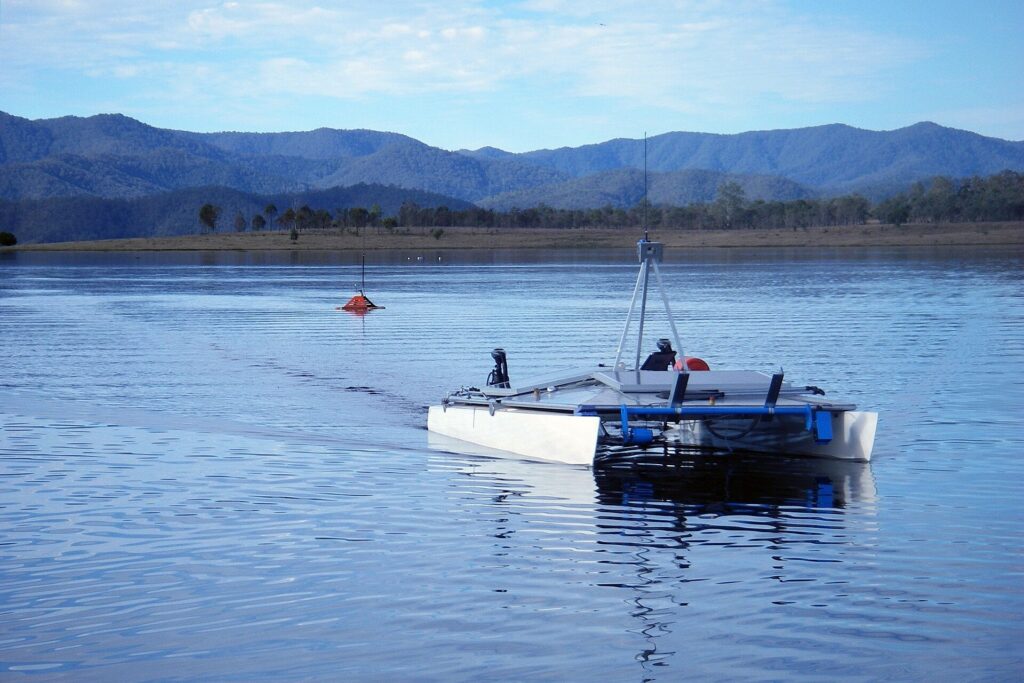
The alarm comes not from a single dataset but from convergence across decades of observation. Autonomous floats, satellite records, and ship based measurements now align.
Short term variability once obscured these signals. With longer records, trends emerge clearly. Scientists stress the importance of sustained monitoring. The system did not suddenly change. It has been shifting steadily, and the pace is now unmistakable. The warning lies in accumulation, not drama, and that is precisely why it matters.