
Underwater behavior is revealing startling social awareness.
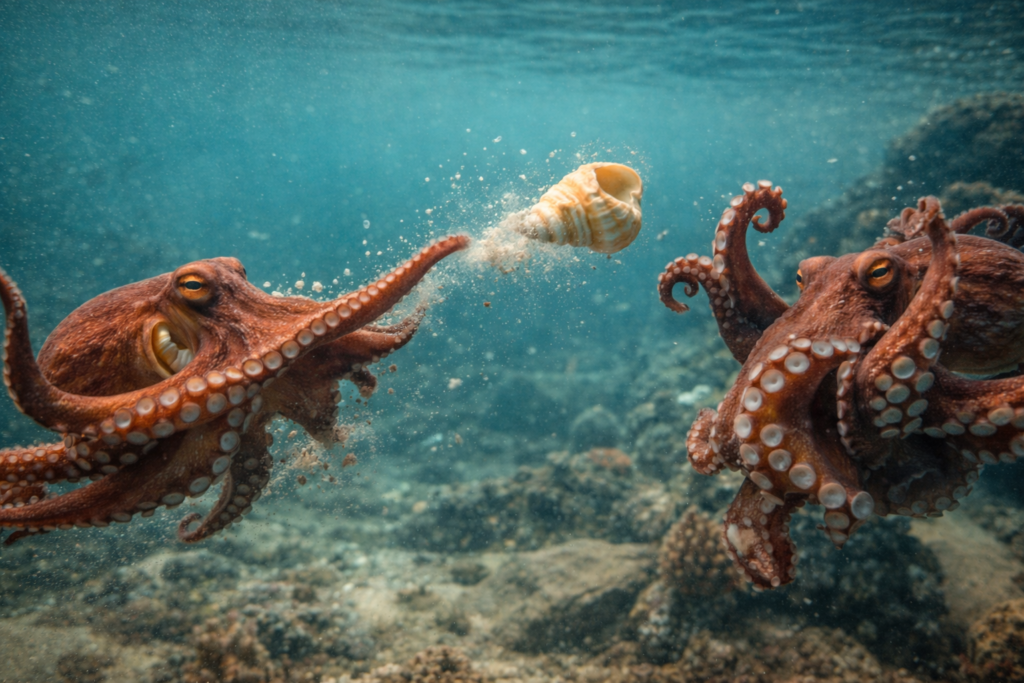
For years octopuses were known for problem solving escape skills and camouflage. Then divers in places like Jervis Bay Australia began noticing something unsettlingly deliberate. Octopuses were gathering debris and forcefully launching it through the water. Shells algae sand and stones moved with direction and timing. These were not accidents. Scientists started paying attention because the throws happened during interactions not isolation. What looked playful at first is now reshaping how intelligence and intent are understood beneath the ocean surface.
1. Some octopuses throw objects during social encounters.
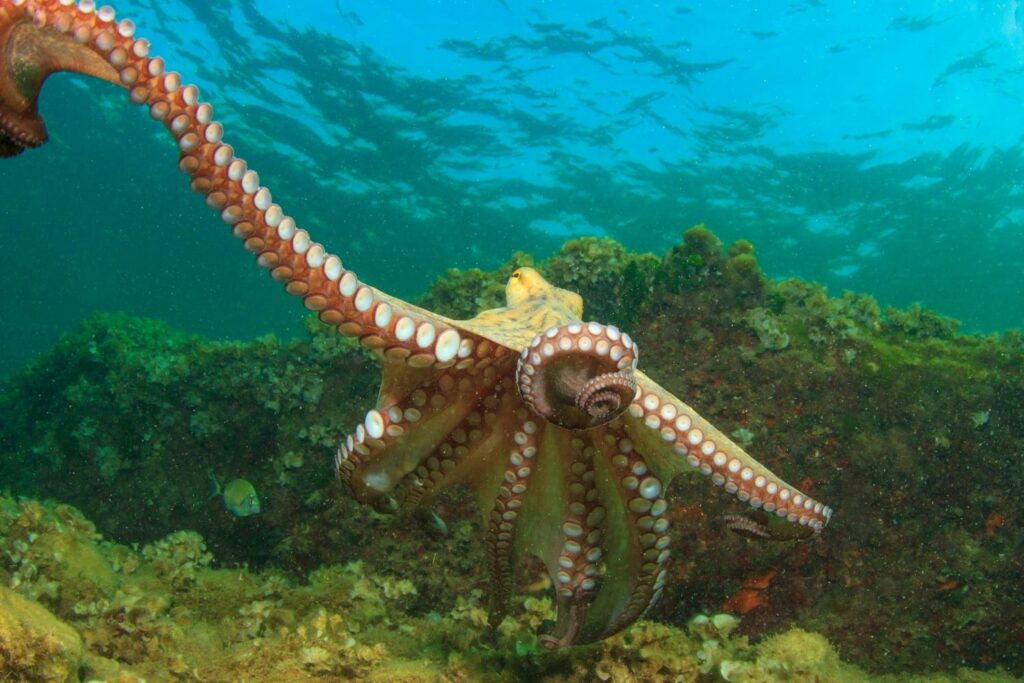
Divers first noticed throwing behavior when multiple octopuses occupied the same stretch of seabed. Instead of retreating or displaying color changes one octopus would collect nearby debris and expel it forcefully through its siphon. The object often traveled directly toward another individual rather than drifting away randomly.
Detailed field analysis later showed these throws happened most often when another octopus was nearby according to PLOS ONE. Researchers documented repeated directional throws in shallow Australian waters. The timing aim and repetition suggested awareness of another animal’s position rather than simple den maintenance or coincidence.
2. Object throwing increases during mating season conflicts.
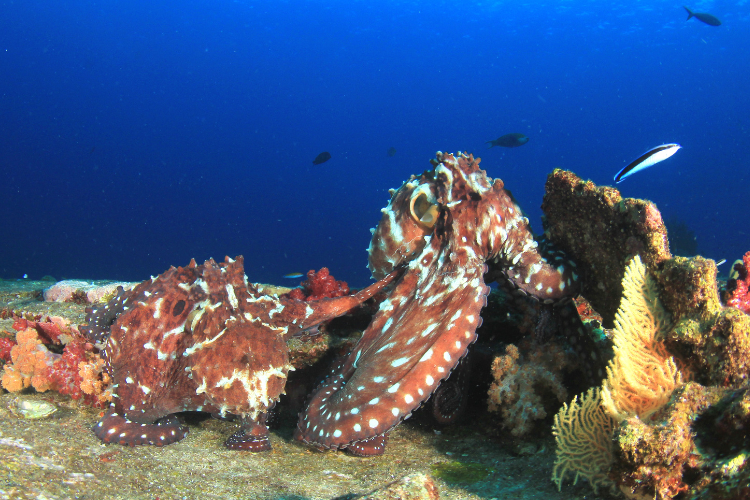
Throwing behavior appears more frequently during breeding periods when social tension rises. Female octopuses were observed launching debris toward males that lingered near their dens or attempted repeated mating. These throws often followed unwanted contact rather than random movement.
Seasonal behavior studies noted a clear increase in throwing during mating months as reported by Nature Ecology and Evolution. The timing aligned with heightened competition and stress. Scientists believe throwing allows females to enforce boundaries without engaging in risky physical confrontation.
3. Throws are aimed differently than simple den cleaning.
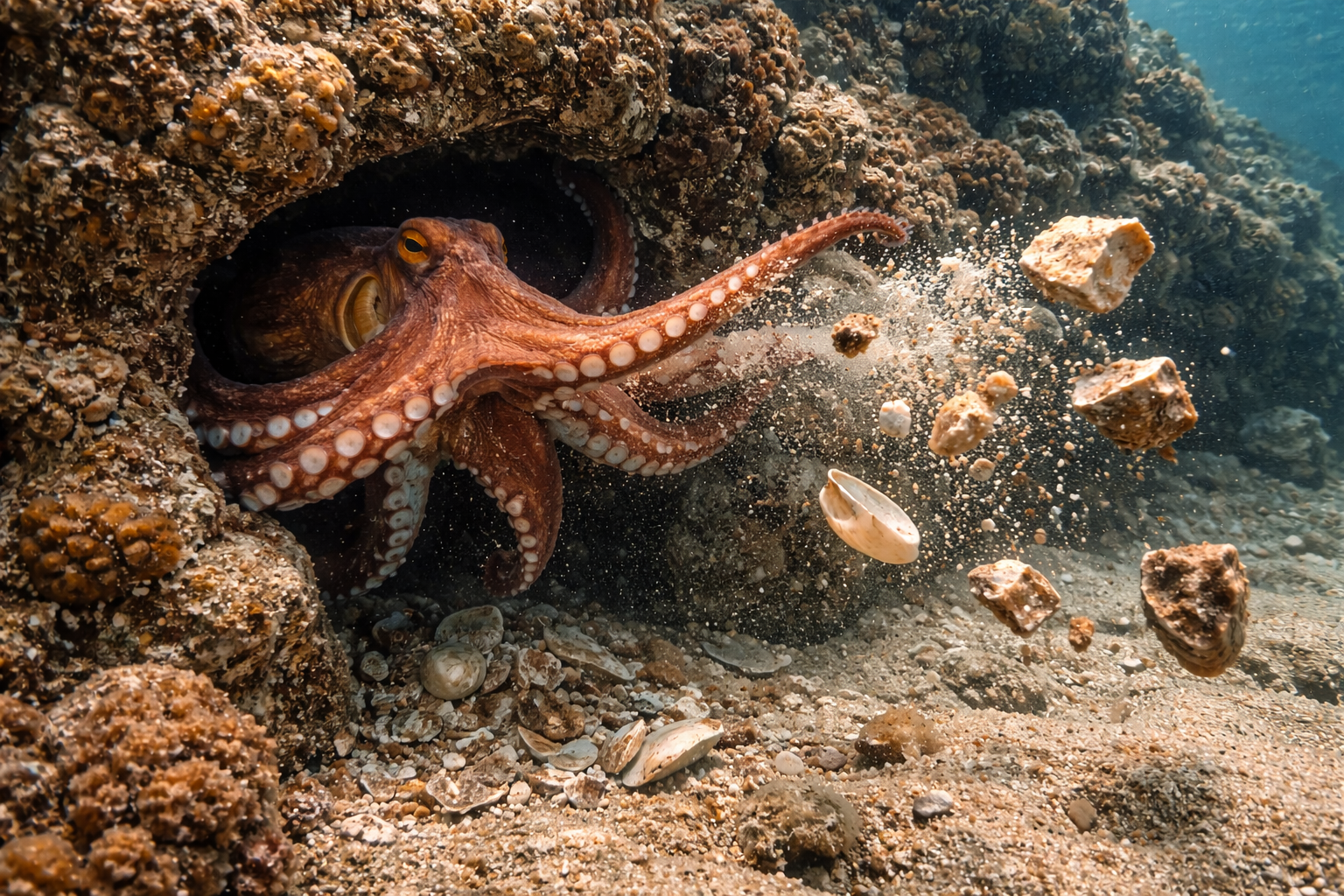
Octopuses regularly clear debris from their dens but those movements differ from throwing behavior. Cleaning motions usually send material downward or away with minimal force. In contrast social throws involve stronger siphon pressure and elevated trajectories.
Video analysis comparing both behaviors showed consistent differences as stated by BBC Earth Science. Thrown objects traveled farther and were aimed outward when another octopus was present. This distinction helped researchers separate intentional throws from routine housekeeping behavior.
4. Females appear to throw objects more frequently.
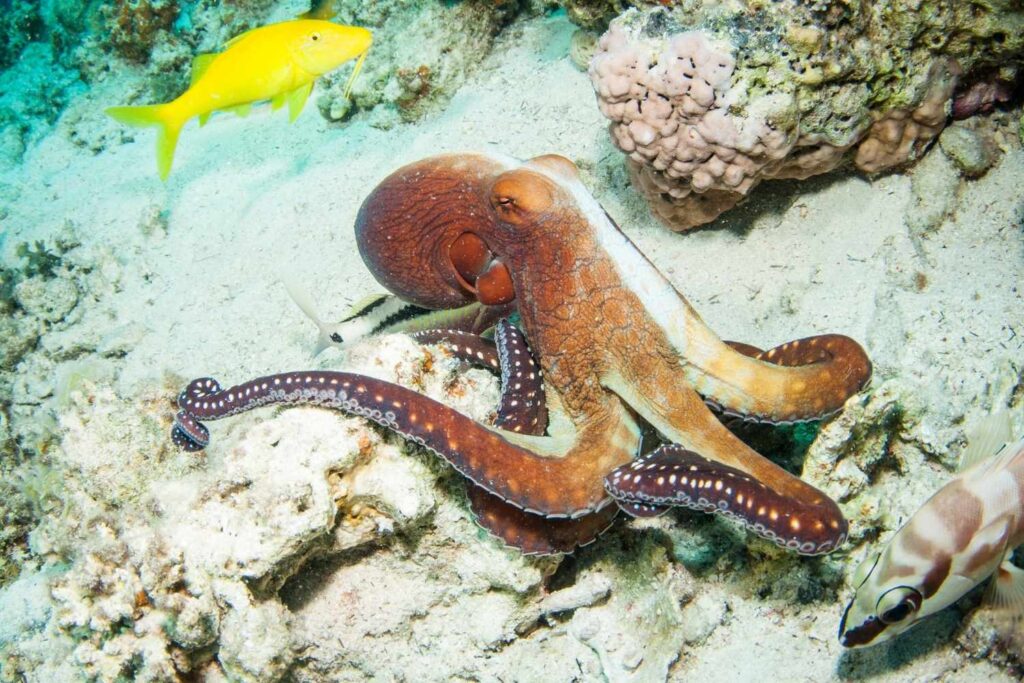
Female octopuses have been observed throwing debris more often than males in shared habitats. This pattern may relate to den defense and egg protection. Females invest heavily in maintaining secure shelters and minimizing intrusion.
Researchers noted females adjusted force based on distance. Nearby intruders received lighter throws while persistent animals faced stronger blasts. The variation suggested controlled behavior rather than reflex. This ability to modulate response supports the idea of deliberate action.
5. Thrown materials vary based on availability.
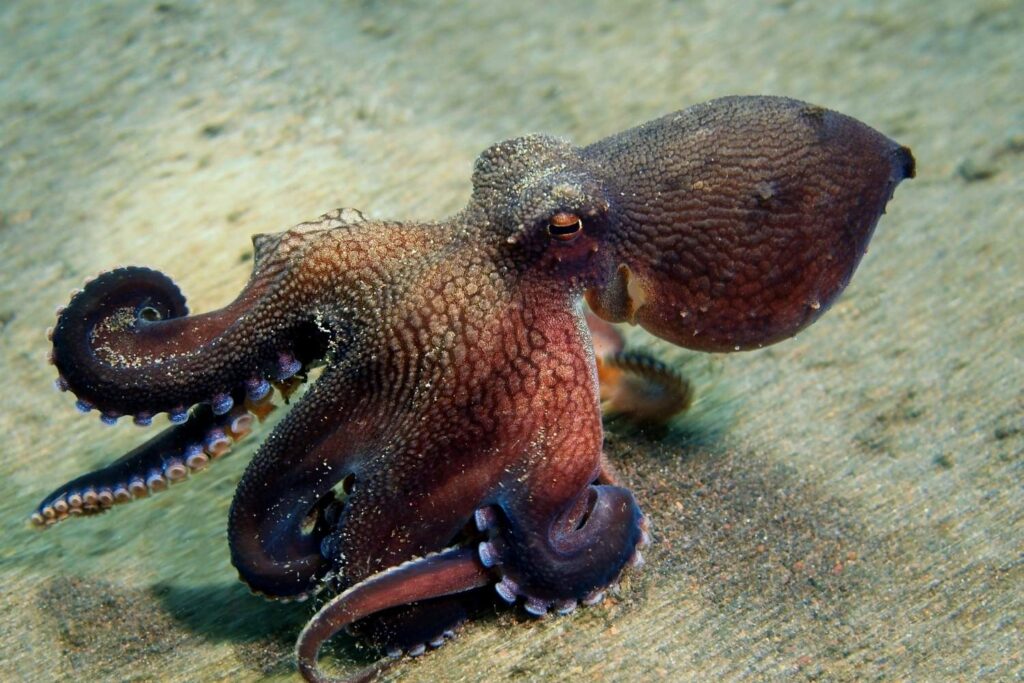
Octopuses use whatever materials are nearby when throwing. Shell fragments algae sand and small stones have all been documented. The choice appears opportunistic rather than fixed to one object type.
Divers observed octopuses switching materials mid interaction when earlier throws failed to deter another animal. That flexibility demonstrates environmental awareness. Selecting different objects depending on availability mirrors decision making seen in other cognitively complex species.
6. Throws sometimes strike unintended targets.
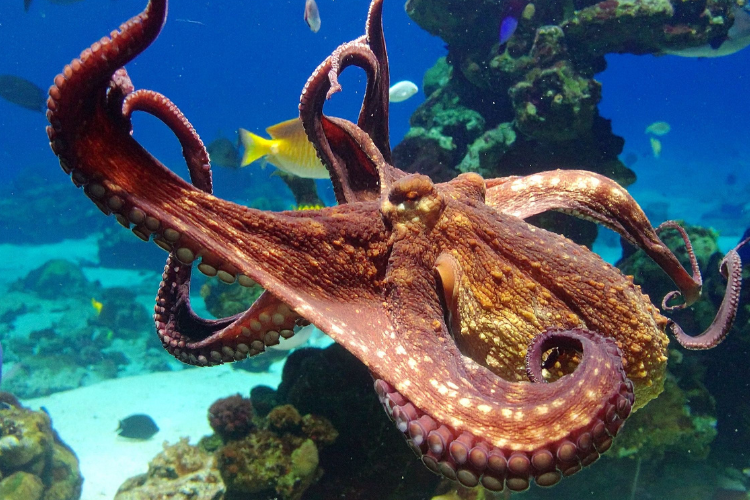
Not every thrown object hits its intended recipient. Some collide with passing fish or create clouds of silt instead. Water movement and shifting positions make precision difficult.
Even missed throws often alter the behavior of nearby animals. Fish retreat and octopuses reposition themselves. Researchers suggest the act of throwing itself communicates intent. Impact accuracy may be less important than the signal being sent.
7. Individual octopuses show consistent throwing styles.

Some octopuses throw frequently while others rarely do. Certain individuals favor powerful throws while others rely on repeated lighter tosses. These tendencies remain consistent over days of observation.
Behavioral ecologists note that such consistency points to individual differences. Personality variation is increasingly recognized in cephalopods. Throwing behavior adds another layer to understanding how individual traits shape social interactions underwater.
8. Object throwing may reduce physical confrontation.
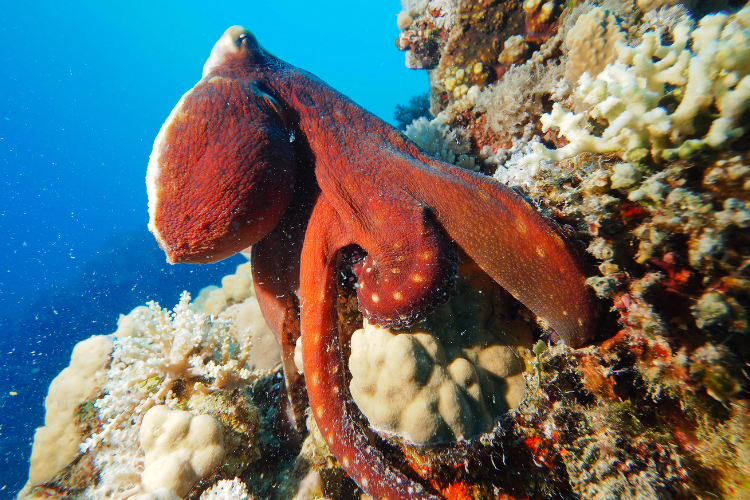
Physical fights are dangerous for soft bodied animals like octopuses. Grappling can lead to injury or exposure to predators. Throwing provides a way to manage conflict from a distance.
Observations show many interactions end after one or two throws. The efficiency of this strategy suggests it may help conserve energy and reduce harm. Avoiding direct contact offers clear survival advantages in crowded environments.
9. The behavior challenges assumptions about invertebrates.
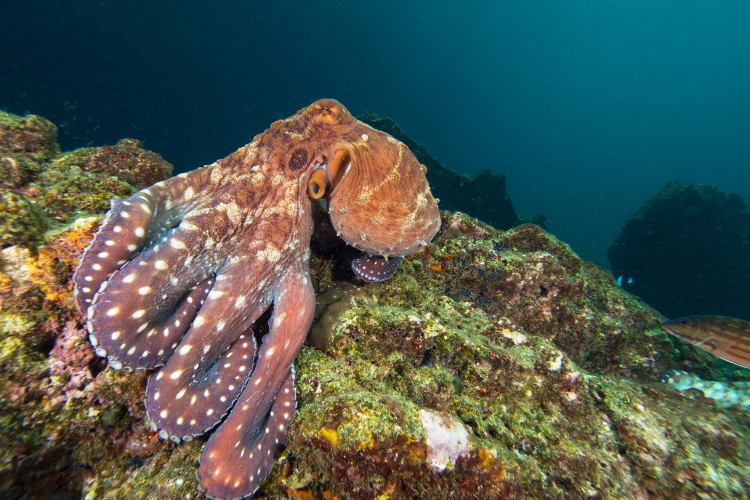
Intentional throwing requires awareness timing and spatial judgment. These traits were once thought uncommon in invertebrates. Seeing them combined in octopus behavior has surprised researchers.
As evidence accumulates scientists are rethinking cognitive boundaries. Octopuses continue to blur distinctions between vertebrate and invertebrate intelligence. Their behavior forces broader definitions of awareness and decision making.
10. Scientists are still uncovering how widespread it is.
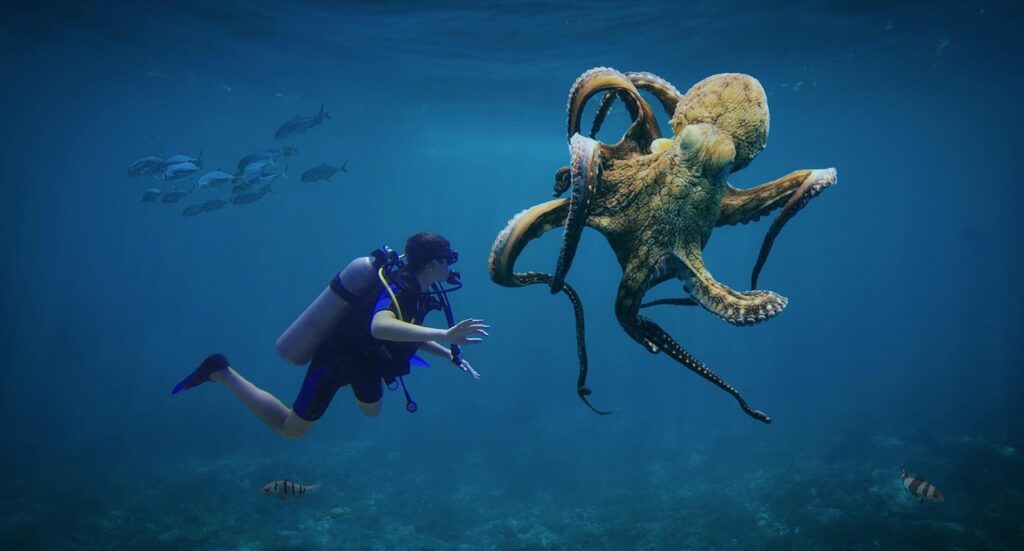
Throwing has been documented in specific regions but may occur elsewhere unnoticed. Many octopus habitats remain difficult to observe due to depth and visibility limits.
As underwater monitoring improves researchers expect additional examples to surface. Each new observation adds context to how octopuses interact socially. Much of their behavioral complexity likely remains hidden in unexplored waters.