
A legend just stepped out of the poem and into the dirt.
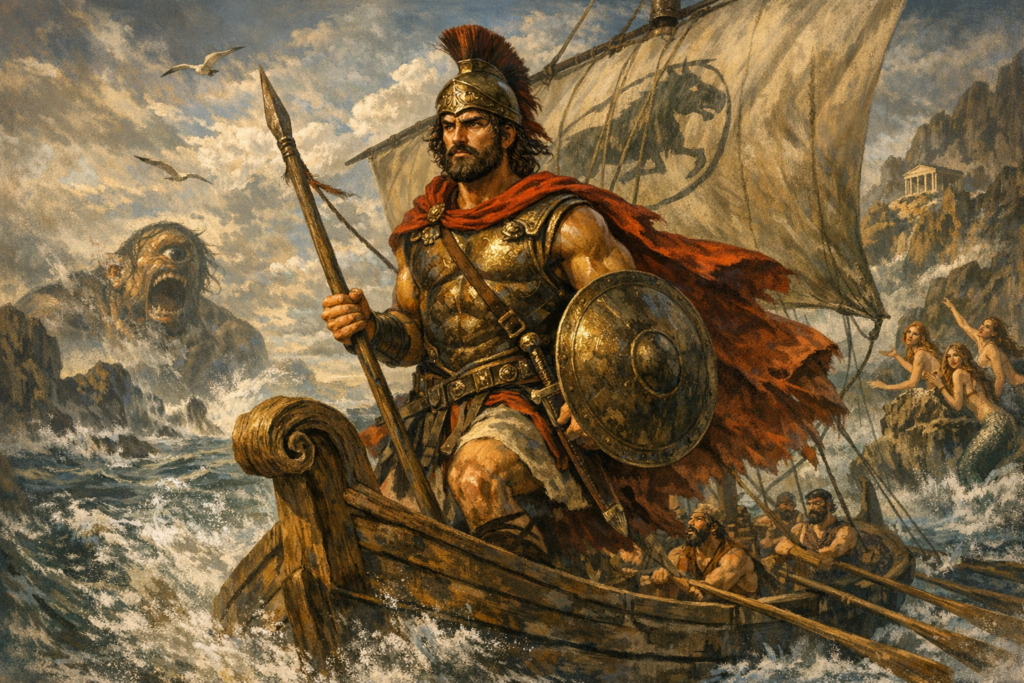
For generations, Odysseus lived in the realm of recited lines and imagined shores, his cunning etched into verse but not into stone. Then a hillside on Ithaca began to yield something harder to ignore. Fragments surfaced first, then shapes, then patterns that refused to stay abstract. The ground itself seemed to be answering a question scholars have circled for centuries. If epic poetry preserves memory, where does memory leave its mark? What has emerged from the soil does not settle the myth. It complicates it, anchors it, and makes the story feel unsettlingly close.
1. A newly uncovered sanctuary rises from Ithaca’s soil.
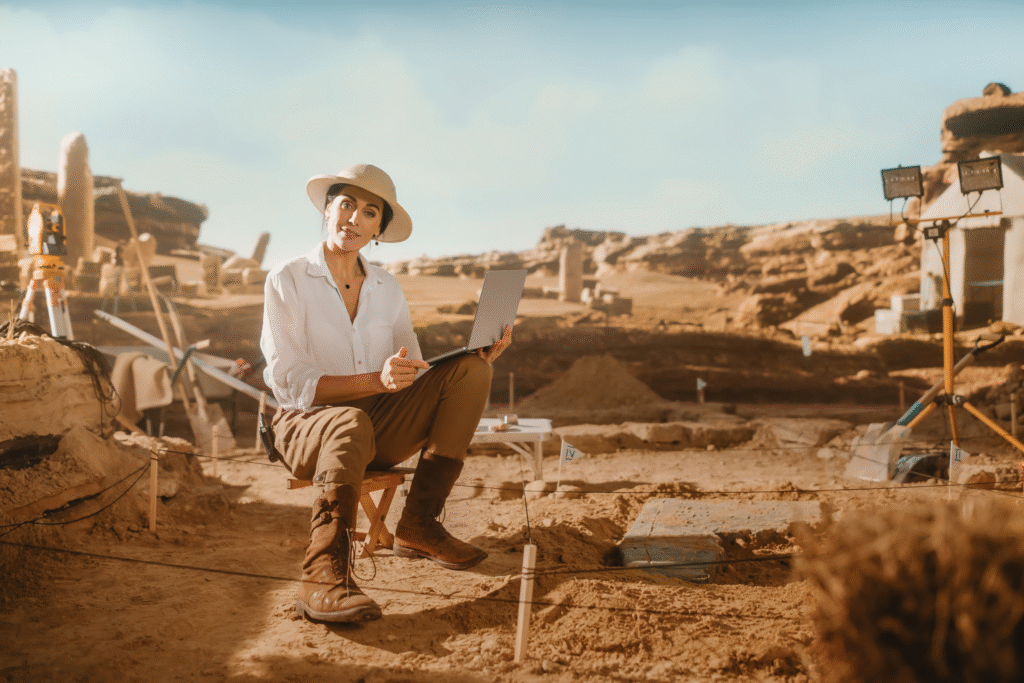
Archaeologists working high on Aghios Athanasios Hill uncovered walls, altars, and pottery belonging to a shrine. These aren’t fragments of random ruins, they fit Greek worship structures with uncanny precision. According to Greece’s Ministry of Culture, the site dates back to the 8th century BCE, the same period when Homer’s poems were beginning to spread. The timing feels remarkable. The hilltop is no longer background, it is evidence that Odysseus was more than a story.
2. Inscriptions tie the ruins straight to Odysseus.
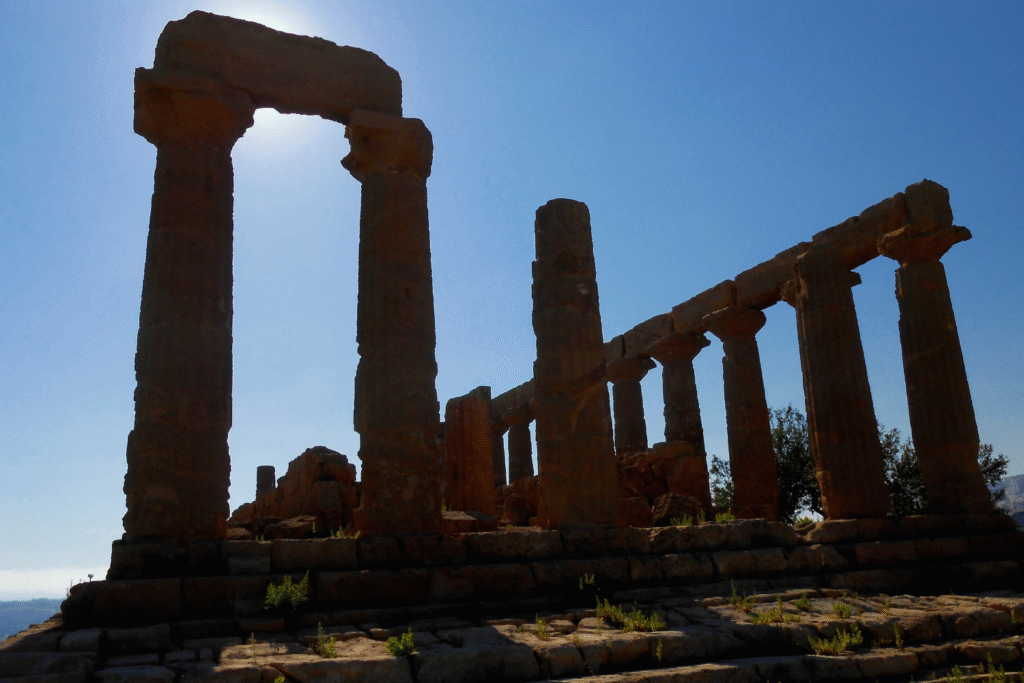
Among the stones, researchers found inscriptions carrying Odysseus’s name. This detail pushes the sanctuary beyond speculation and shows it was built specifically to honor him, as stated by the Archaeological Society at Athens. The gap between Homer’s tale and ancient ritual suddenly narrows. Letters carved into stone centuries ago have resurfaced, giving the hero a tangible place in history rather than keeping him locked in myth.
3. Offerings reveal worship once burned here.
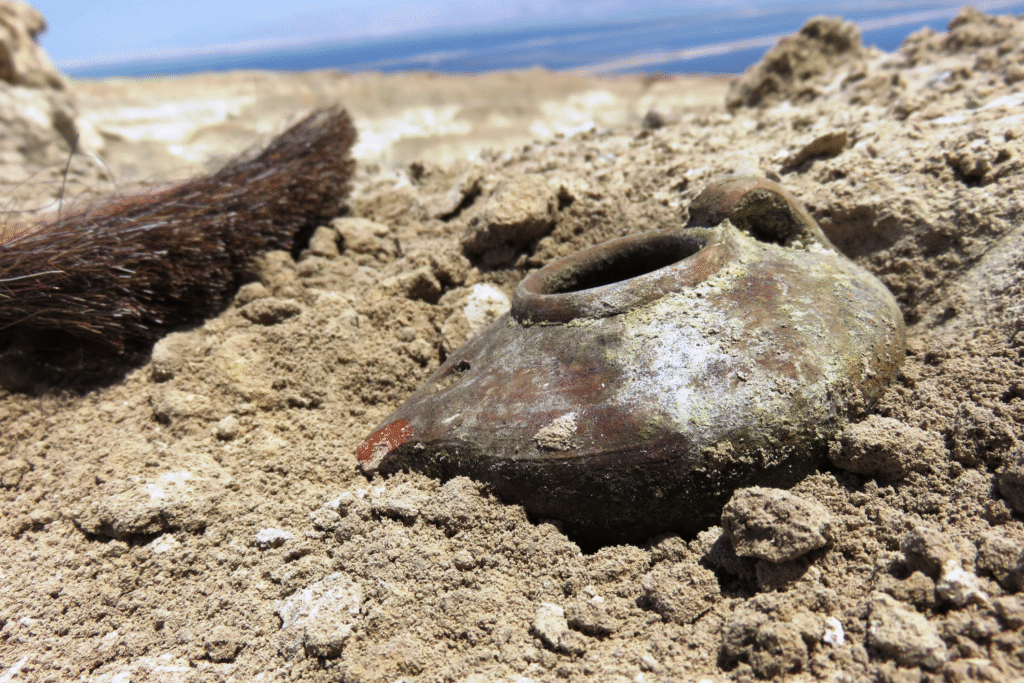
Excavators uncovered clay figurines, pottery, and animal bones charred by fire. Reported by Live Science, these were left as offerings during ceremonies. They show the sanctuary wasn’t just symbolic but active, where people prayed, sacrificed, and honored Odysseus. Each object is a message from the past, proving the hero was treated as protector. These fragments make the story feel alive in ways text alone never could.
4. Homer’s words match the island’s living terrain.
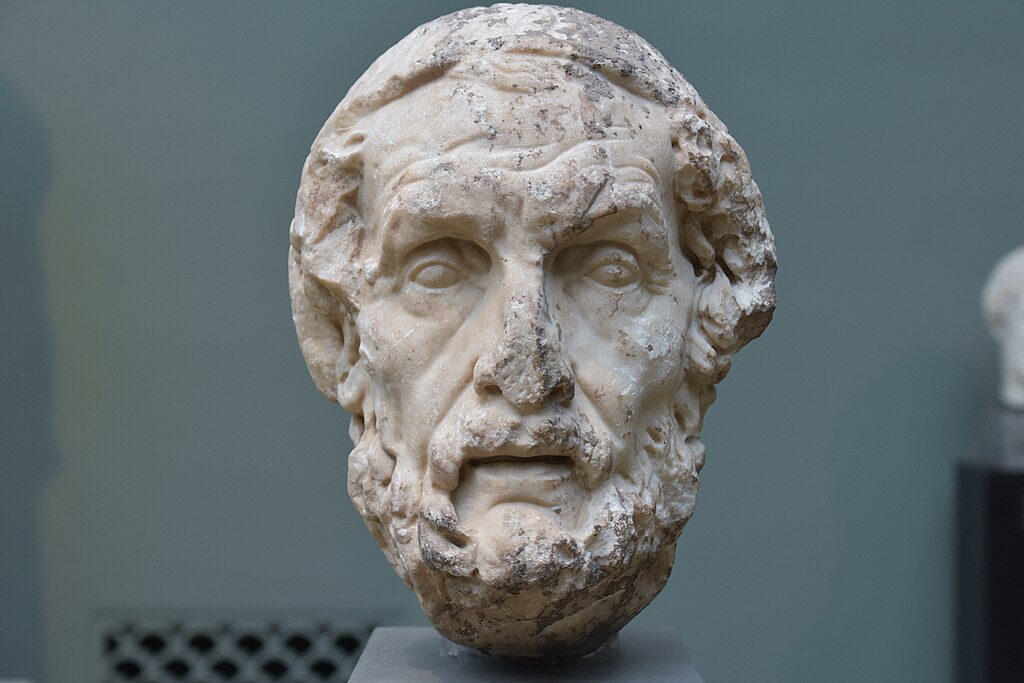
Standing at the sanctuary, you can see valleys and hills that mirror Homer’s descriptions in the Odyssey. The placement makes it hard to dismiss the connection. Homer may have drawn directly from this very landscape. The ground and the poetry now seem to tell the same story in different languages. For the first time, the poem feels rooted in place, not just imagination.
5. Local traditions now meet fresh confirmation.

For generations, Ithacans passed down tales linking their island to Odysseus. Festivals, names, and stories held his memory close. Now those traditions have something solid to rest upon. Oral memory meets stone, and pride that was once personal suddenly carries archaeological weight. The island’s story has moved from local lore to global significance.
6. Building the shrine shows deep cultural commitment.
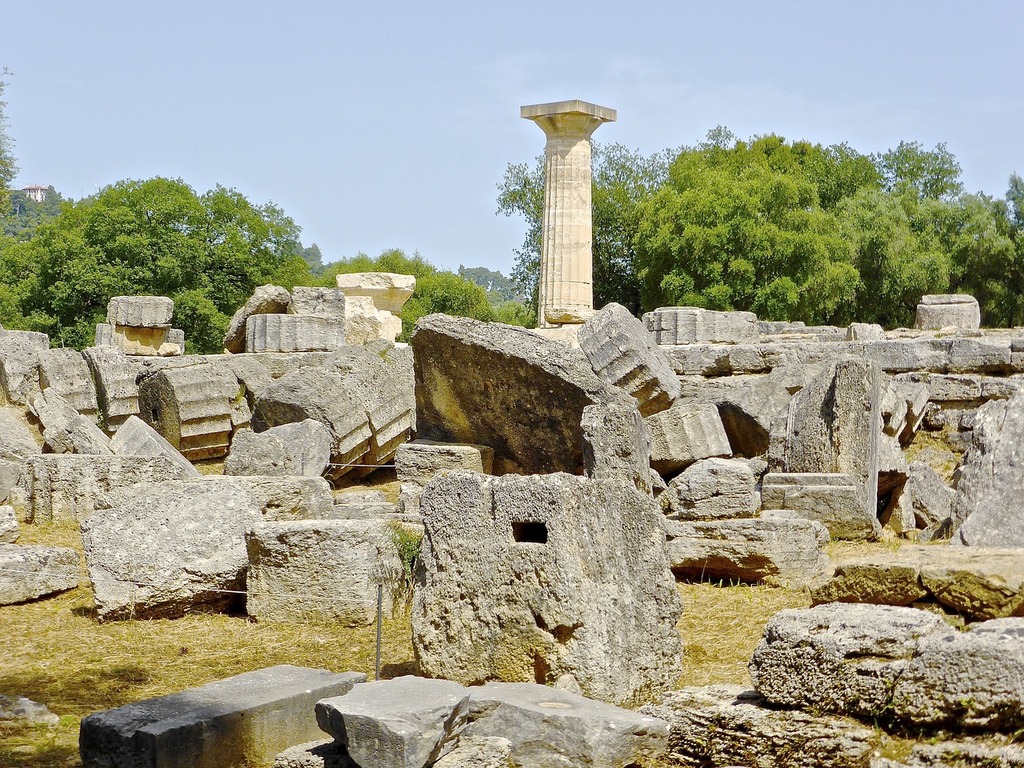
Constructing a sanctuary was no small task. It meant dedicating labor, materials, and resources to one figure. That people chose Odysseus speaks volumes about his role in their identity. This was not just about worship, it was about community and belonging. The ruins show he was central to how Ithacans saw themselves, tying myth into daily life.
7. Storytelling and religion met at this very spot.
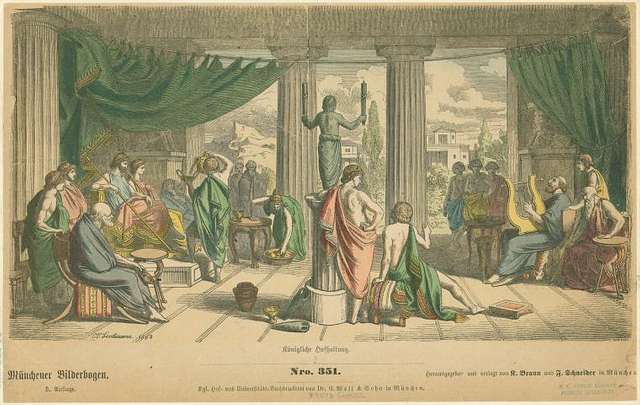
The sanctuary may have been a place where Homer’s verses were recited alongside ritual offerings. That would mean story and ceremony happened hand in hand. Myth was not distant entertainment but something lived. The discovery reframes the Odyssey as more than a poem, it becomes evidence of how stories shaped real practices. x
8. The discovery shakes long held skepticism about Homer.
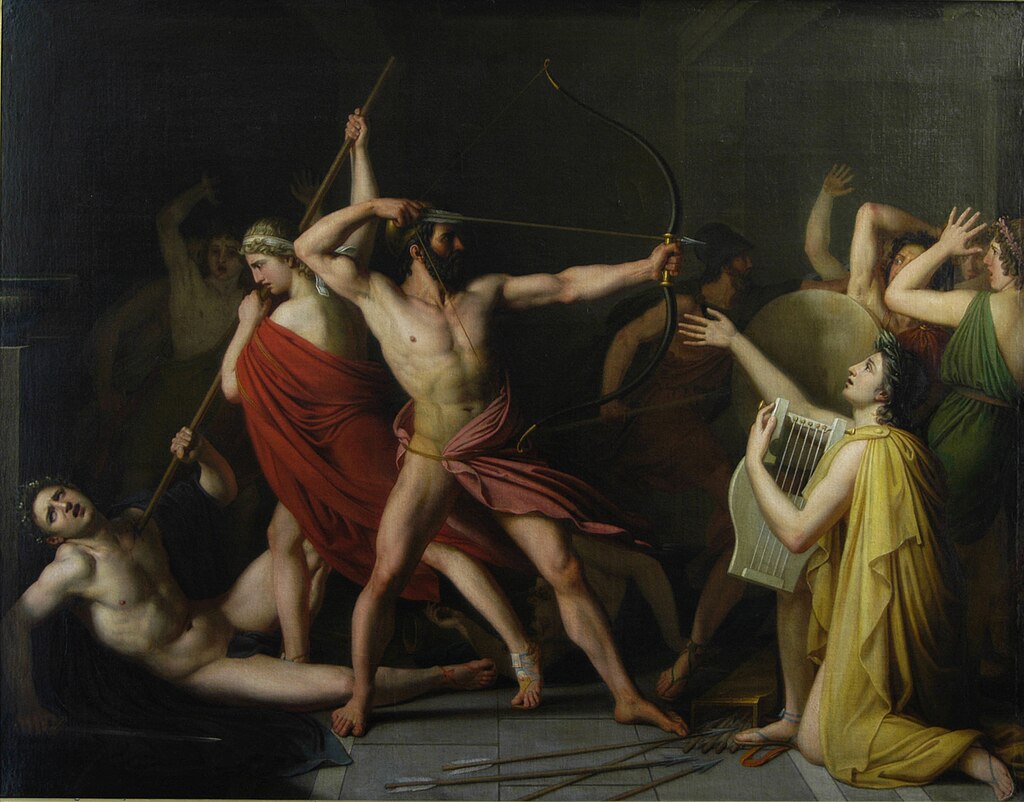
Many scholars once dismissed the Odyssey as fiction layered over fantasy. The evidence from Ithaca makes that harder to argue. Inscriptions, altars, and offerings point toward ritual tied directly to Odysseus. Homer’s words suddenly look less like invention and more like echoes of real cultural life. The poems now sit closer to history than before.
9. Ancient poems now read with sharper clarity.
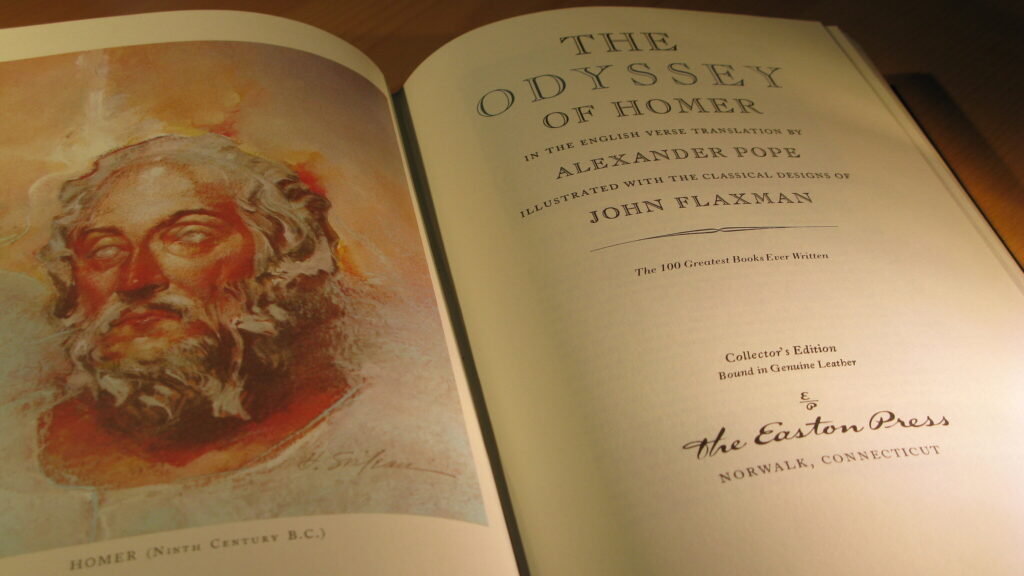
Knowing Odysseus was honored in a real sanctuary changes the way the Odyssey feels. The lines become layered, carrying both story and ritual. Each artifact deepens the text, making it not just literature but part of cultural memory. The discovery brings urgency to how we read Homer, he may have been recording practices, not only spinning tales.
10. Ithaca’s cultural status rises dramatically today.
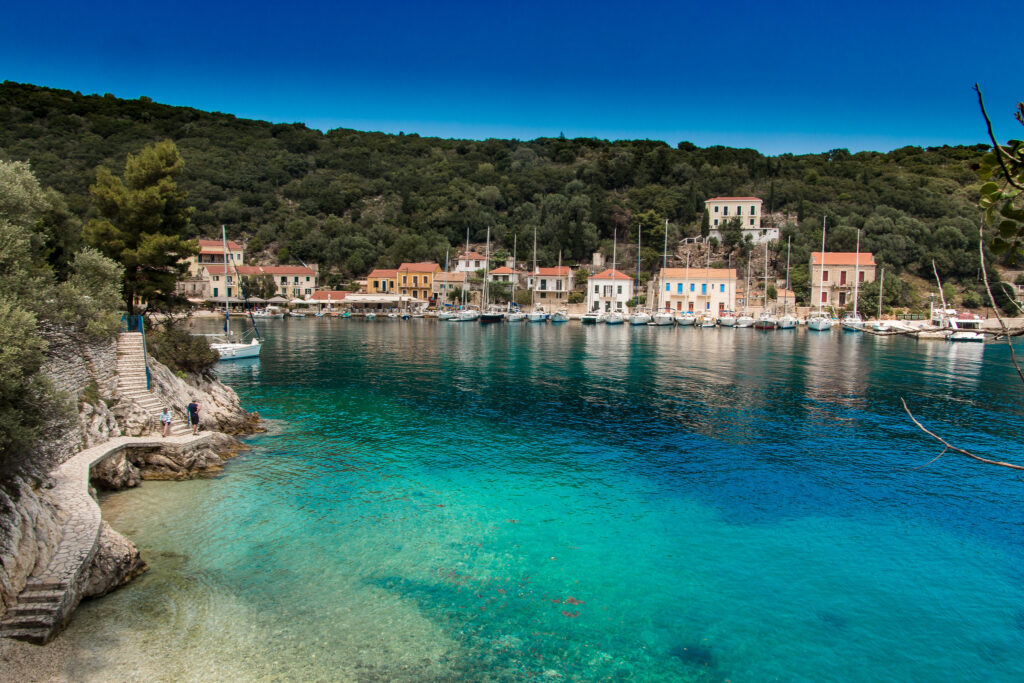
When the Ministry of Culture shared the news in June 2025, the island gained a new kind of importance. Ithaca is no longer only a mythic destination for tourists but a site of history and ritual. Visitors can now walk among ruins where real ceremonies once took place. The island has shifted overnight into a living link between epic poetry and archaeology.
11. Myth and memory collide in real time.
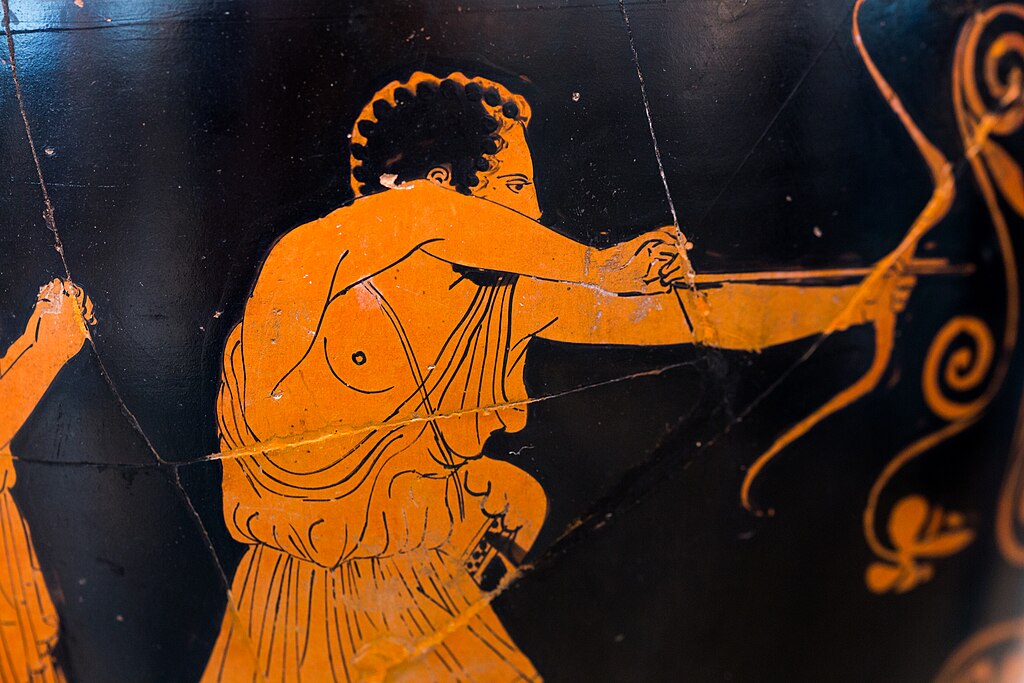
The sanctuary proves myths can live beyond the page. Even if Odysseus never walked Ithaca, belief in him was strong enough to shape rituals and architecture. The line between legend and memory feels thinner than ever. With this discovery, myth has a physical address, and Ithaca once again carries the weight of Odysseus into the present.