
Modern life depends on fragile systems orbiting overhead.

Everyday conveniences rely on technologies suspended far above Earth, where control is limited and reaction time is short. GPS navigation, global aviation, financial timing, and internet traffic all depend on space based systems vulnerable to forces humans cannot stop once triggered. Scientists and defense agencies track threats ranging from solar storms to orbital debris, yet mitigation options remain narrow. When disruption comes, it would unfold faster than governments or industries could respond. Understanding how these threats operate reveals why preparedness remains uneven and consequences could cascade globally.
1. What solar storms can do to satellites instantly.

Satellites operate within Earth’s magnetic shield, but powerful solar storms can overwhelm that protection. Sudden bursts of charged particles slam into electronics, disrupting signals and frying components. Operators may lose control without warning, leaving navigation and communication systems unreliable within minutes.
Solar storms originate from massive eruptions on the Sun’s surface. When directed toward Earth, they compress the magnetosphere and induce electrical currents. Satellites exposed to this surge can malfunction or fail permanently. Recovery depends on redundancy, but many systems lack immediate backups.
2. How solar flares disrupt GPS and navigation signals.
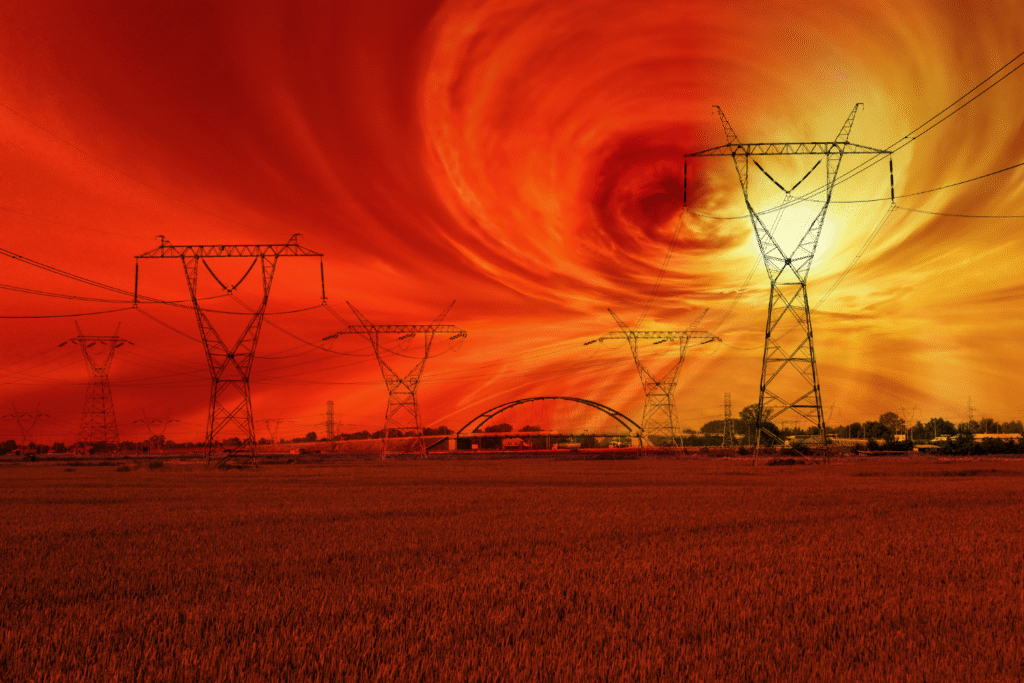
GPS relies on precise timing signals from orbiting satellites. Solar flares distort the ionosphere, bending or delaying those signals unpredictably. Even brief disturbances can cause widespread positioning errors.
Aircraft, ships, and emergency services depend on accurate GPS data. During strong solar events, errors can reach kilometers. Pilots may revert to manual navigation, increasing workload and risk. The instability persists until atmospheric conditions normalize, which can take hours or days.
3. Why commercial flights reroute during space weather events.

High altitude flights expose aircraft to increased radiation during solar storms. Polar routes are especially vulnerable because Earth’s magnetic protection weakens near the poles. Airlines must act quickly to protect crews and passengers.
Rerouting flights increases fuel use and delays schedules. Communication blackouts complicate coordination. Airlines rely on space weather forecasts, yet prediction windows remain short. Decisions often occur mid flight, underscoring how quickly space conditions can force costly operational changes.
4. What space debris threatens satellites without warning.
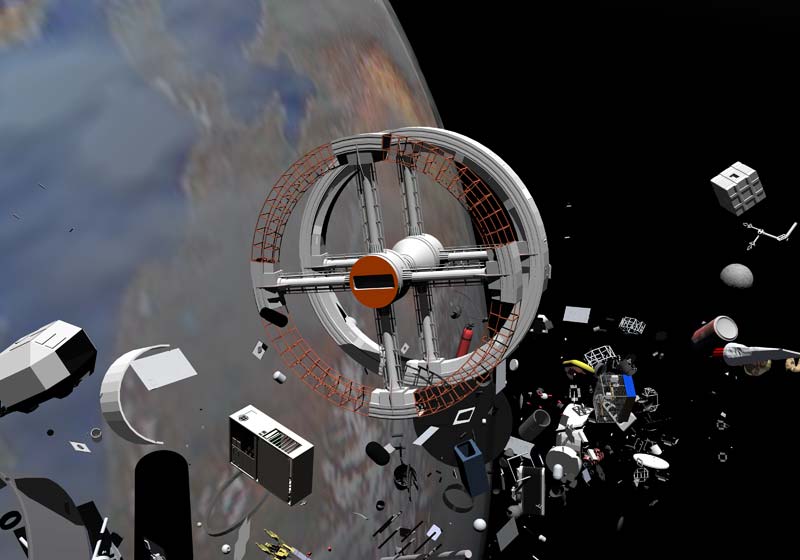
Thousands of defunct satellites and fragments orbit Earth at extreme speeds. Even small debris can destroy functioning spacecraft upon impact. Collisions happen too fast to avoid once trajectories intersect.
Space debris travels faster than bullets. Tracking systems monitor larger objects, but countless fragments remain untracked. A single collision can create cascading debris, increasing risk exponentially. Satellite operators face constant uncertainty as orbital congestion worsens each year.
5. How chain collisions could disable entire orbital regions.
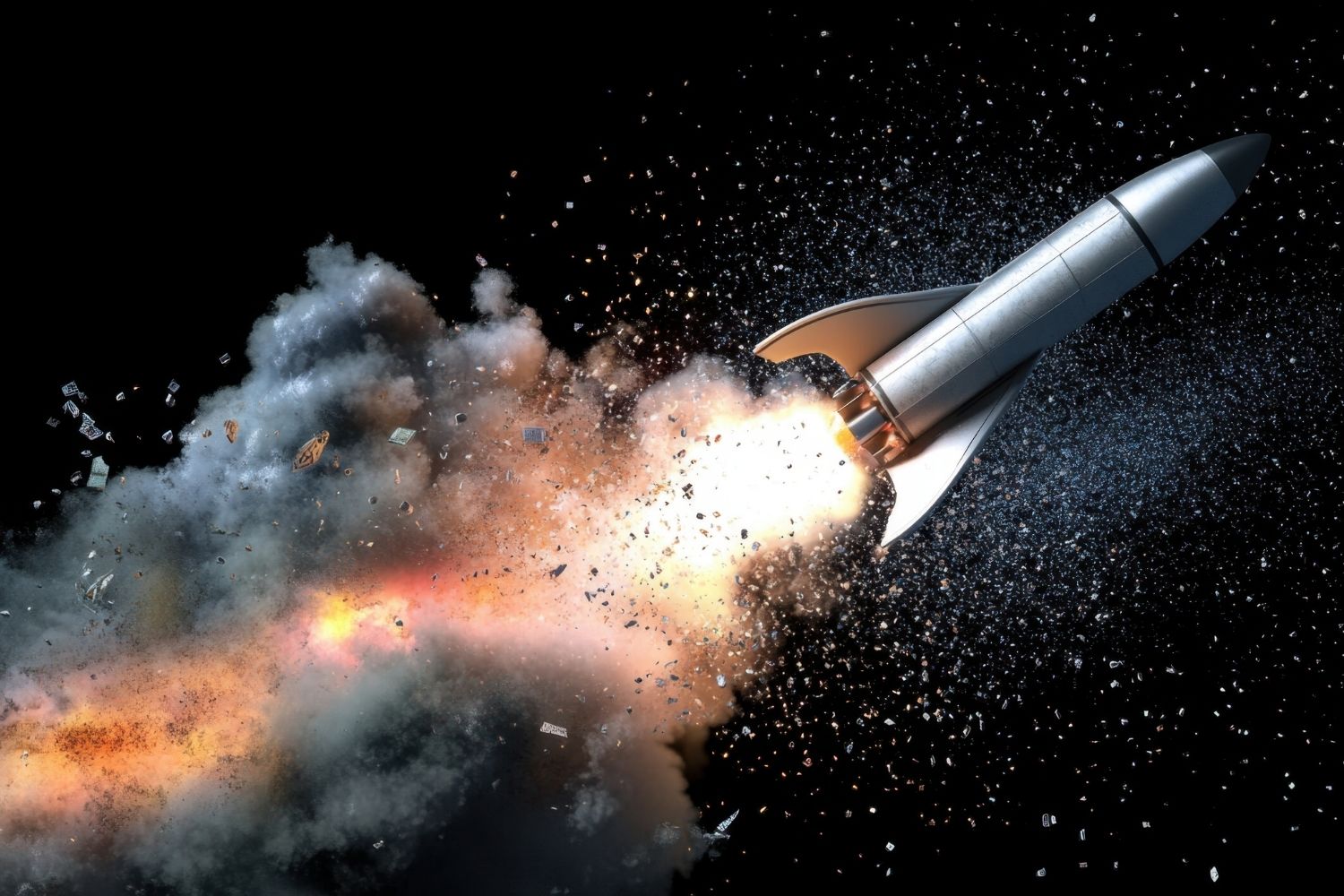
When debris strikes a satellite, fragments scatter into similar orbits. These fragments threaten additional satellites, triggering further collisions. This cascade effect can render orbital zones unusable.
Known as runaway collision scenarios, these events could cripple communication networks. Recovery would take decades as debris slowly decays. Critical services relying on specific orbital bands would vanish, forcing reliance on limited alternatives with reduced capacity.
6. Why internet traffic depends on vulnerable space systems.
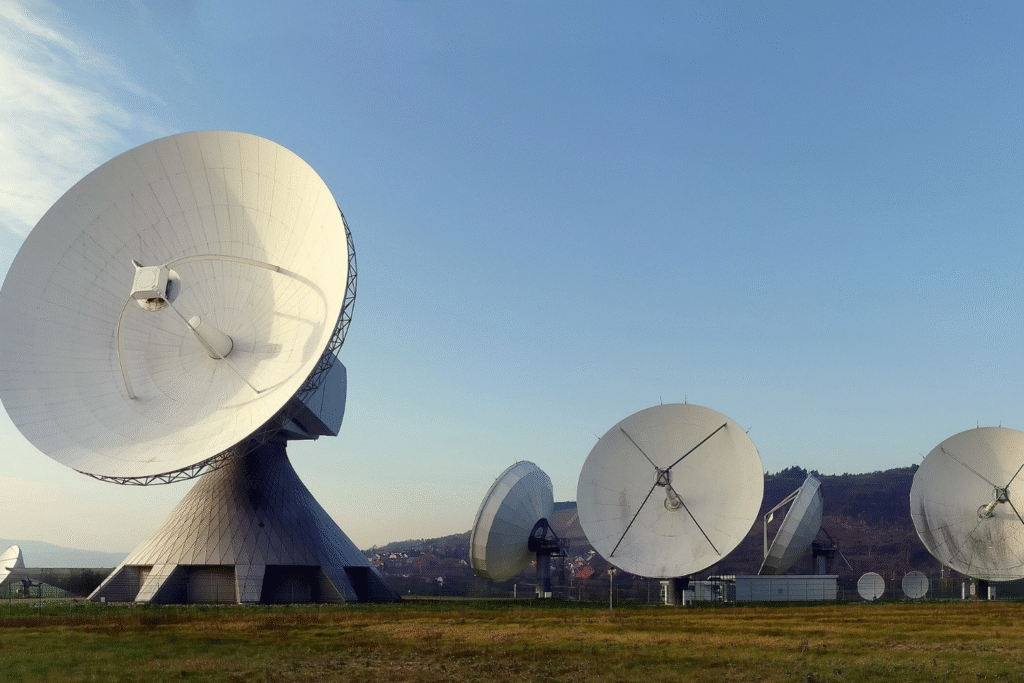
While much data travels through fiber cables, satellites handle remote connections, backups, and timing synchronization. Disruption in orbit ripples through terrestrial networks quickly.
Financial transactions, cloud services, and data centers rely on satellite timing signals. Even brief outages can desynchronize systems. Restoring coordination takes time, creating cascading delays across industries that appear ground based but depend on space.
7. What stray asteroids reveal about detection limits.
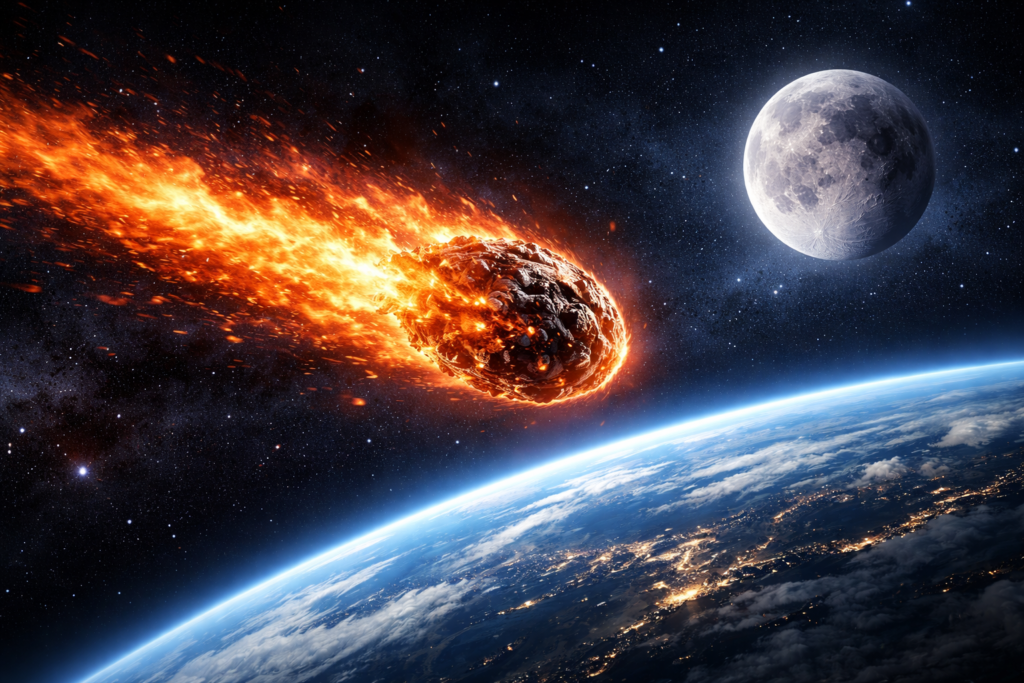
Near Earth asteroids pass unnoticed more often than assumed. Smaller objects evade detection until close approach. Impact risk remains low but not negligible.
Detection systems focus on larger threats. Smaller asteroids still cause regional damage if they enter Earth’s atmosphere. Tracking gaps highlight how limited warning time can be. Response options shrink dramatically once detection occurs late.
8. How impact shockwaves could damage orbiting infrastructure.

Asteroid impacts generate powerful atmospheric disturbances. Shockwaves and debris clouds can reach upper atmosphere layers where satellites operate.
Fragments and ionized particles disrupt signals and damage hardware. Even a non catastrophic impact could temporarily blind sensors and interfere with communication. Space assets lack shielding against sudden atmospheric upheaval triggered from below.
9. Why warning systems cannot guarantee prevention.
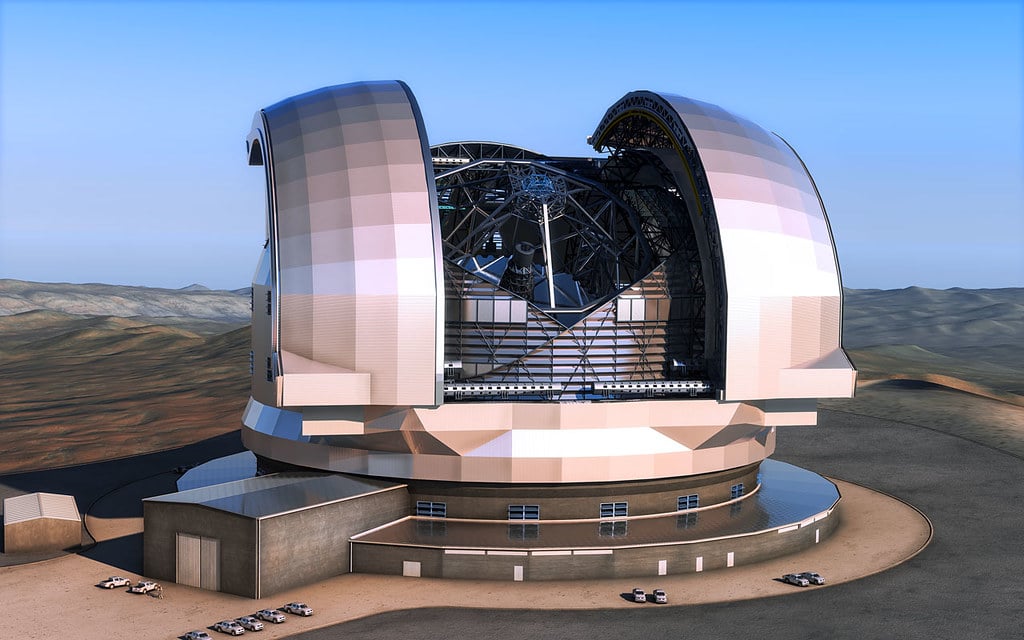
Monitoring networks provide alerts but not control. Knowing a threat exists does not mean it can be stopped. Reaction time remains the limiting factor.
Solar storms cannot be deflected. Debris cannot be cleared quickly. Asteroids require years of planning to alter course. Warning systems buy awareness, not immunity, leaving societies exposed despite advanced detection.
10. What military systems share with civilian vulnerabilities.
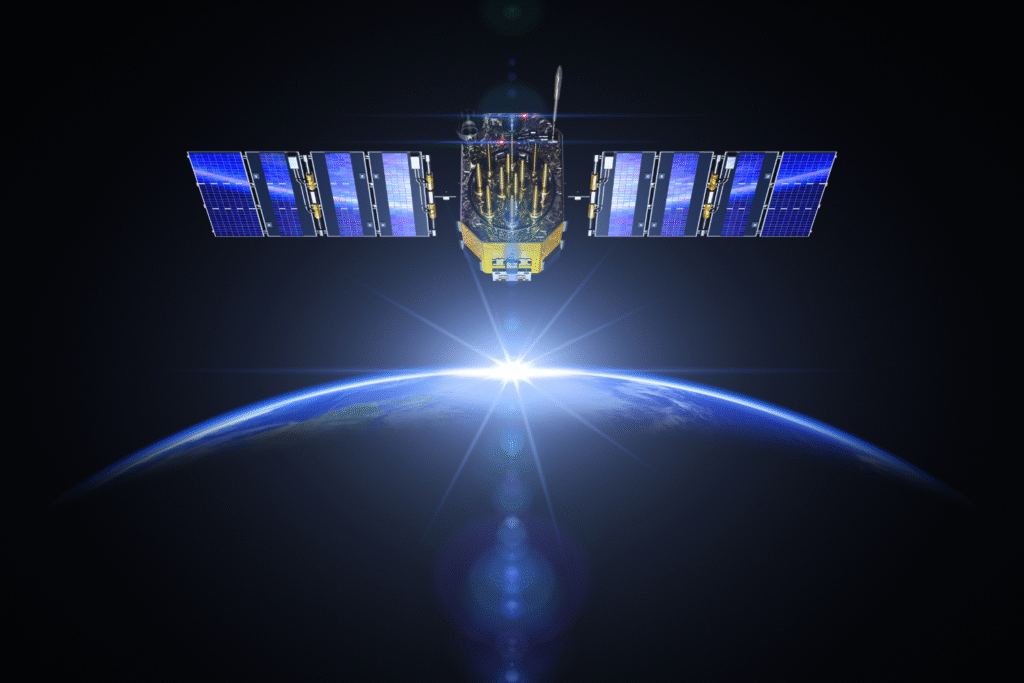
Defense infrastructure relies on the same satellites as civilian systems. Navigation, targeting, and communication overlap heavily. A shared failure affects all sectors simultaneously.
Redundancy exists but remains finite. Military planners acknowledge dependence on space assets. A disruption would blur lines between civilian inconvenience and national security crisis, complicating response priorities immediately.
11. How cascading failures could spread across continents.

Loss of GPS affects shipping, agriculture, and emergency response. Internet disruption slows financial markets and logistics. Each failure amplifies the next.
Modern systems interlock tightly. A single space based outage triggers multiple terrestrial consequences. Recovery requires coordinated restoration across industries, regions, and governments, none of which operate at the speed of orbital events.
12. Why preparedness remains uneven despite known risks.

Awareness does not equal readiness. Funding, coordination, and political urgency vary widely. Space threats compete with immediate concerns.
Mitigation requires global cooperation and long term investment. Progress moves slowly. Meanwhile, dependence on vulnerable systems grows. The gap between risk and readiness continues to widen as reliance on space deepens.