
A closer look at canine aggression indicators.
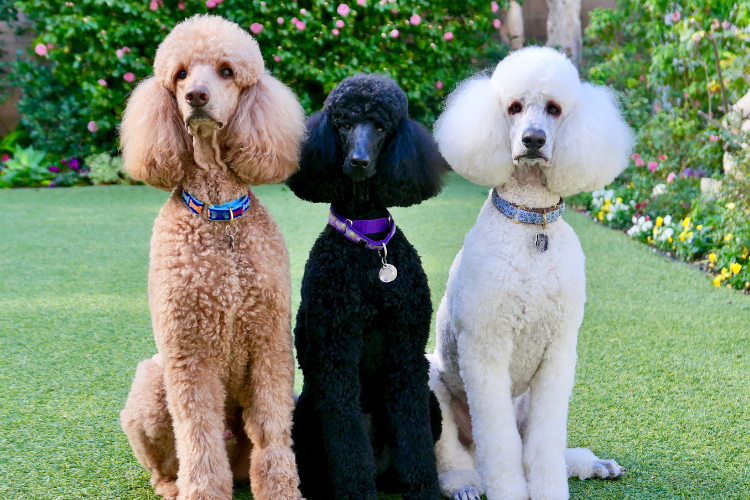
Some dogs respond to stress with behavior that surprises even experienced owners, and researchers continue examining why these reactions emerge. Genetics, early socialization and daily household dynamics shape each response in unpredictable ways. When veterinary behaviorists analyze bite related data across clinics and homes, certain breeds appear more frequently. The patterns do not condemn these dogs but reveal where communication breaks down, showing how pressure, fear and human misunderstanding collide in ways that can be prevented with clearer insight.
1. Chihuahuas can show sudden defensive reactions.
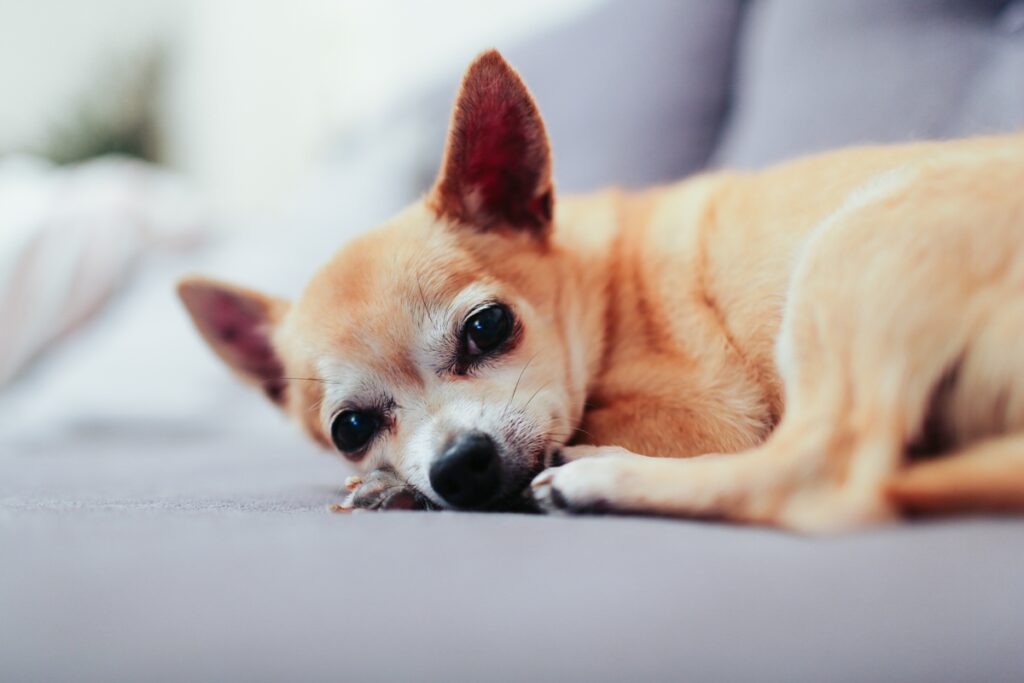
Small stature often hides powerful emotional sensitivity, and many behavior teams note how quickly some Chihuahuas shift from uncertainty to defensive snapping. Their stress patterns appear consistently in bite incident reviews, a detail found in behavioral summaries as reported by the American Veterinary Medical Association. That tendency makes sense to trainers familiar with dogs that react strongly when they feel cornered or misunderstood.
Owners who learn to read subtle tension signals usually prevent escalation. These dogs often benefit from a predictable rhythm and gentle introductions to new situations. With structure and careful handling, their defensive intensity softens and confidence grows.
2. Terriers often escalate quickly during stressful moments.
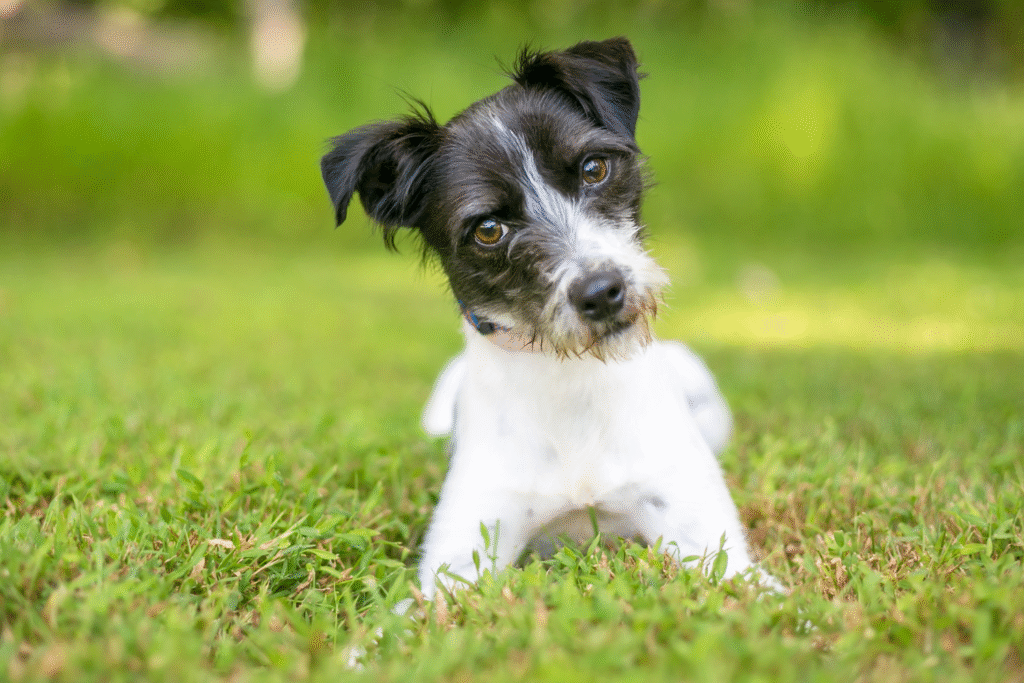
Their historic work rewarded fast reactions to movement and noise, which can spill into household life when boundaries feel vague. A large scale review of breed linked risk categories placed several terrier types in higher bite frequency groups according to the Centers for Disease Control and Prevention. Many owners are surprised by this, assuming small dogs require little behavioral guidance.
Clarity changes everything for these dogs. When routines become stable and transitions lose their frantic edge, terriers usually step back from conflict. Their intensity transforms into sharp focus once the environment feels predictable again.
3. Herding breeds may redirect frustration toward owners.
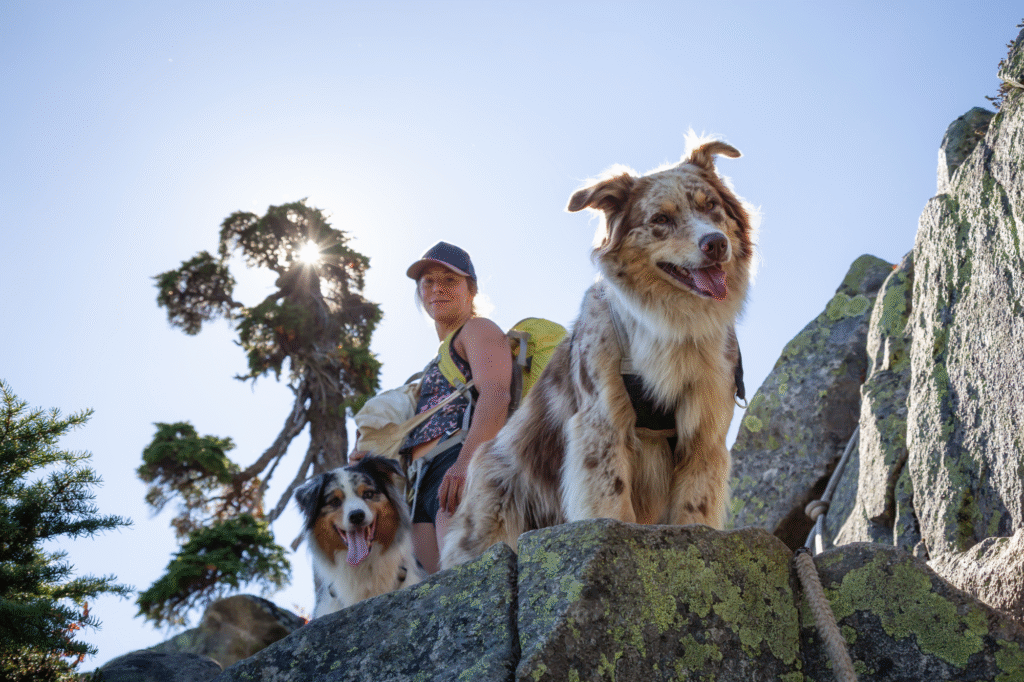
High intelligence and movement oriented instincts can misfire inside homes filled with noise and unpredictable energy. Border Collies, Australian Shepherds and similar breeds sometimes nip when excitement rises past their tolerance limit. This overstimulation to bite pathway has been examined by clinical behaviorists, as stated by the Journal of Veterinary Behavior. Many trainers spot the same pattern in videos sent by concerned families.
Owners often overlook early signs like pacing or obsessive focus. With structured outlets for mental exertion, these dogs regain emotional stability. The more they understand their daily expectations, the less likely frustration turns into redirected biting.
4. Dachshunds sometimes struggle with mounting impulse control.

Long bodies and bold temperaments create a mix that complicates stressful interactions. When pushed during handling or overwhelmed by unfamiliar guests, some Dachshunds react sharply to regain control. Their size can fool people into dismissing their boundaries, which increases the pressure they experience.
Clear, slow paced handling usually eases the tension. As owners set consistent expectations, the dog learns that discomfort does not always lead to confrontation. Over time, this understanding lowers reactive outbursts and strengthens trust.
5. Cocker Spaniels can react sharply when overstimulated.\
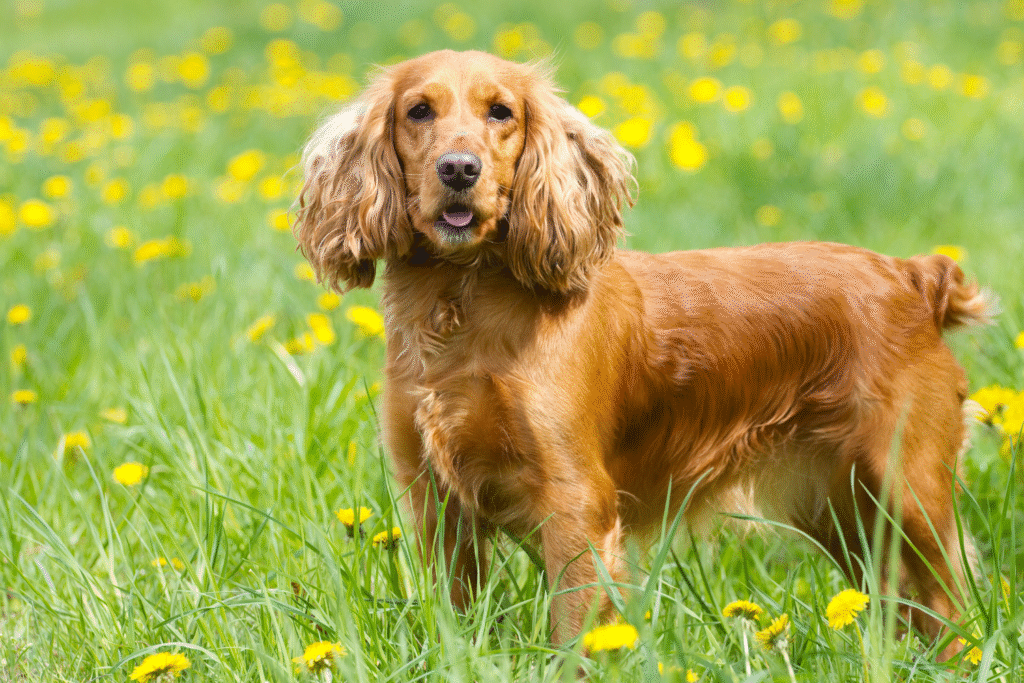
Certain lines show heightened sensitivity that makes grooming, sudden contact or loud environments difficult. When they are pushed too quickly or handled without warning, some individuals use a quick snap to create distance. This reaction stems from discomfort, not challenge or defiance.
Owners who slow their approach during high stress moments usually see lasting improvement. Gentle repetition builds familiarity, which lowers the dog’s urgency to defend itself. As comfort grows, sharp reactions gradually fade.
6. Jack Russell mixes may release tension through nipping.

With quick minds and constant drive, they often respond explosively during chaotic transitions like preparing for outings or greeting visitors. Their instinct to control movement has deep roots, and nipping becomes a tool when their arousal spikes.
Structured routines help these dogs decompress. Once they receive regular mental outlets and calm guidance, tension dissolves and nipping loses its grip. Their personality becomes more balanced when the household tempo slows down.
7. Akitas occasionally escalate when boundaries feel uncertain.
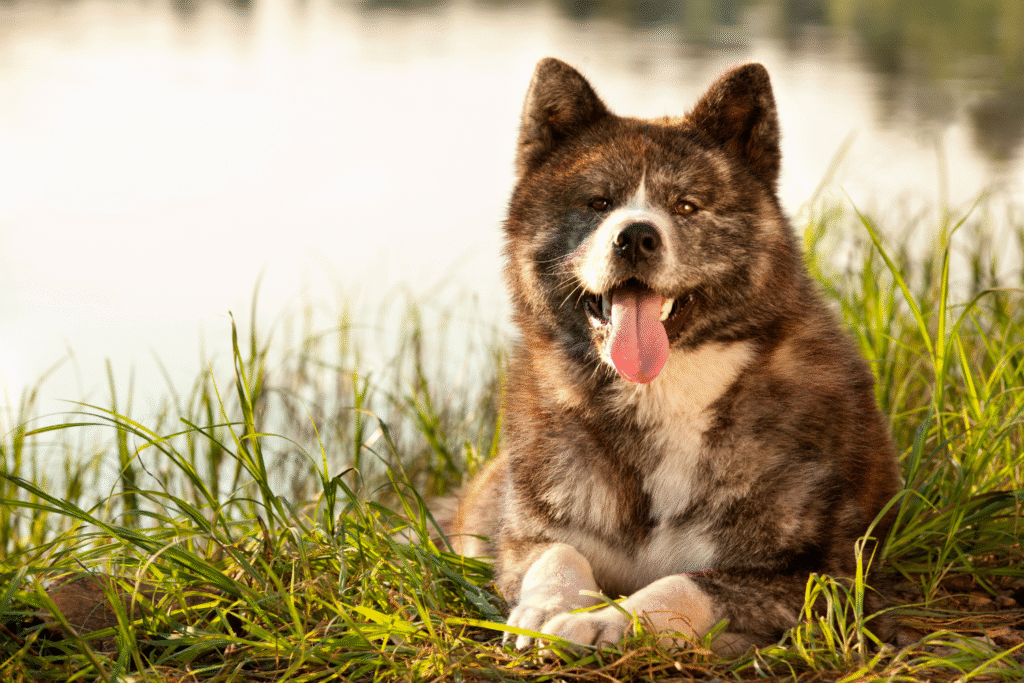
Guarding instincts and confident temperaments make them sensitive to inconsistent household rules. When expectations change from one day to the next, the dog may take on decision making roles that lead to conflict. Many owners underestimate how closely Akitas monitor social dynamics.
Firm but calm direction stabilizes their mindset. Once patterns remain steady, defensive reactions diminish. The dog begins trusting the household structure and no longer feels compelled to intervene through confrontation.
8. Shiba Inus often resist restraint in tense situations.

Independent instincts can clash with common handling tasks. Nail trims, brushing sessions or veterinary procedures may trigger sudden resistance, especially when the dog feels trapped. The intensity rarely stems from aggression but from a desire to escape overwhelming sensations.
Slow desensitization typically improves the experience. With repeated, gentle exposure, even highly independent Shibas relax. As trust grows, restraint becomes tolerable rather than threatening.
9. German Shepherds can redirect energy during chaotic events.

Their strong work drive makes them highly responsive to environmental shifts. When the household becomes loud or unpredictable, Shepherds may attempt to manage the situation themselves. If they fail, the built up stress sometimes spills into redirected nipping or snapping.
Stability transforms their behavior. Predictable routines return control to the owner and relieve the dog’s internal pressure. Over time, the Shepherd responds with calm observation instead of reactive bursts.
10. Poodles sometimes react strongly during uncomfortable handling.

Their intelligence makes them keenly aware of abrupt movements and unfamiliar sensations. Grooming related discomfort can trigger defensive reactions, especially in dogs with limited exposure to handling. Many owners are surprised when a usually steady dog reacts during a stressful session.
Consistent grooming rituals reduce these spikes in tension. When the dog anticipates the process and feels supported, its reactivity fades. Over time, calm repetition replaces defensive responses with cooperation.
11. Heelers may resort to nipping when overloaded.
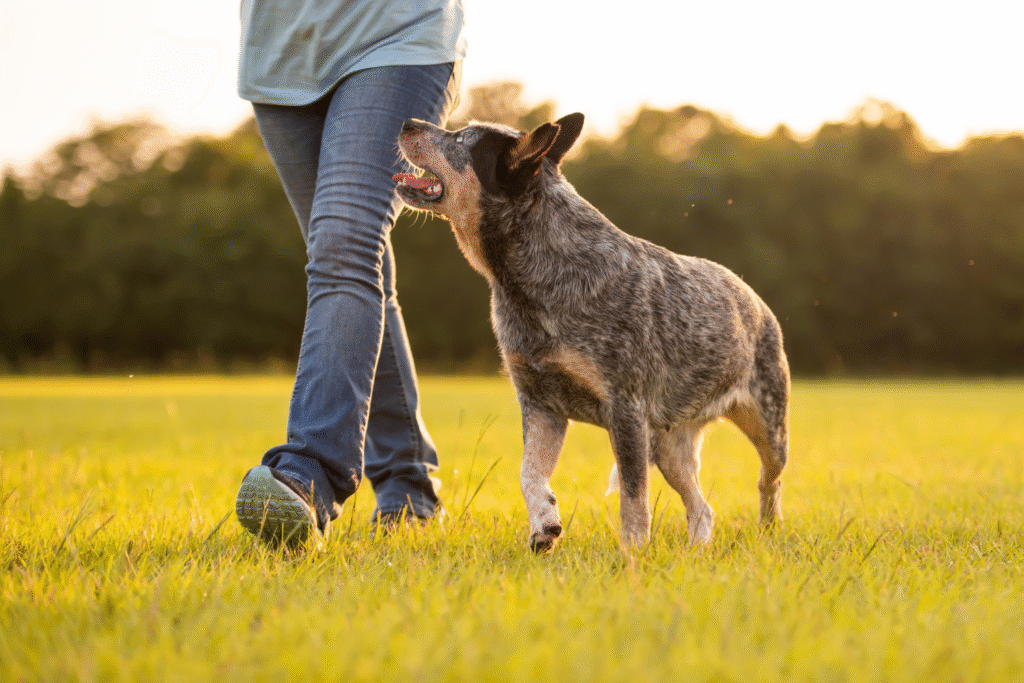
Bred for controlling livestock through targeted bites, they may rely on that instinct during home life when excitement turns chaotic. Fast moving children or sudden commotion can push them into herding behavior that includes biting.
Regular structure gives these dogs a healthier outlet. Purposeful tasks and predictable decompression periods lower the emotional intensity that fuels nipping. Their behavior shifts toward thoughtful engagement rather than reflexive control.
12. Lhasa Apsos can react defensively during resource tension.

Their protective nature over preferred resting spots or valued items can trigger conflict when people approach too quickly. Small spaces and bustling households intensify these moments, making the dog feel pressured to defend itself.
Consistency softens this pattern. When owners respect boundaries and build steady routines, the dog becomes less reactive. With predictability comes trust, and the urge to defend fades into calmer interaction.