
Scientists warn the unrest is escalating quickly.
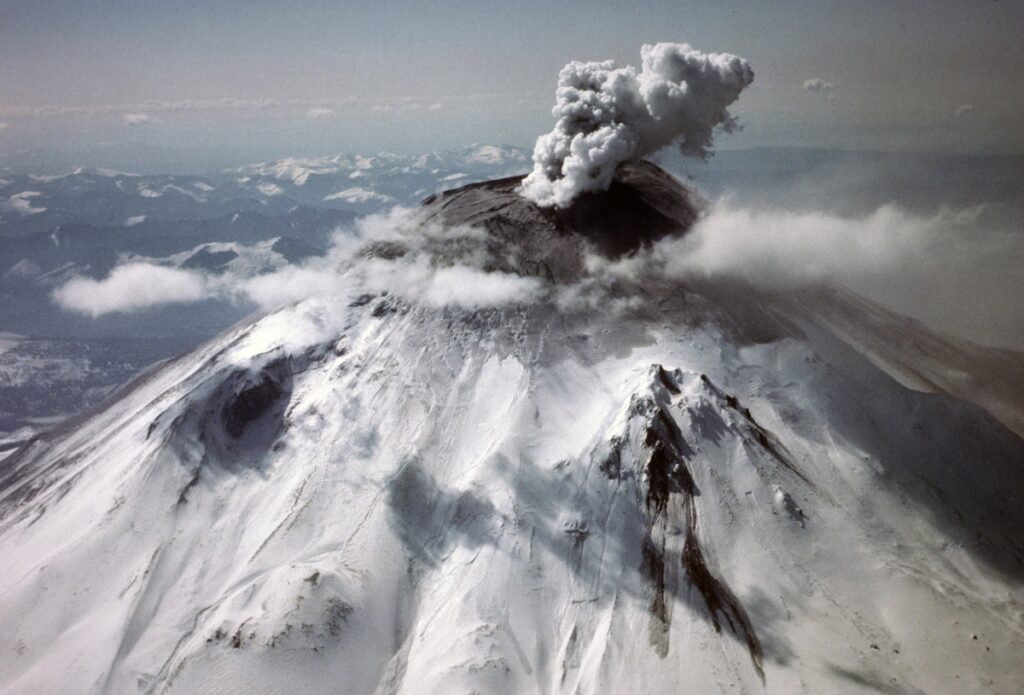
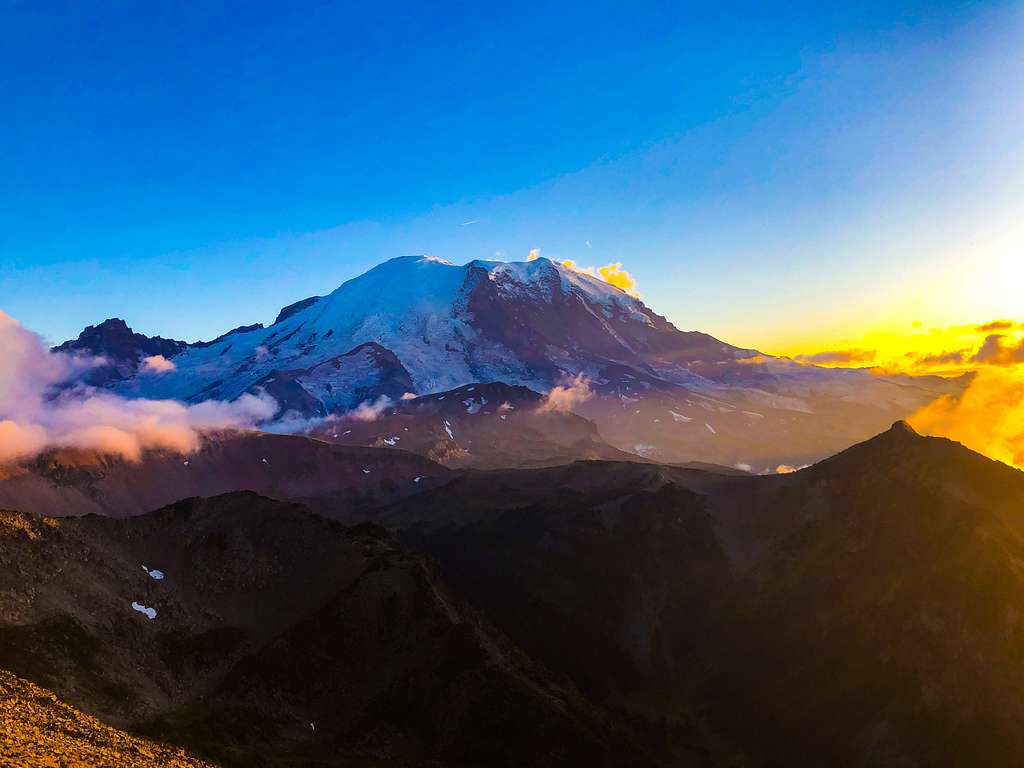
For three days, Mount Rainier has produced a dense chain of shallow earthquakes that shows no sign of easing. The tremors are clustered beneath one of the most closely watched volcanoes in North America, a mountain towering over communities from Tacoma to Puyallup. The activity does not confirm an eruption, but it signals a shift that demands attention. When a volcano with this history and this much ice begins to stir, even subtle changes carry enormous weight.
1. Seismic clusters show unusual consistency and strength.
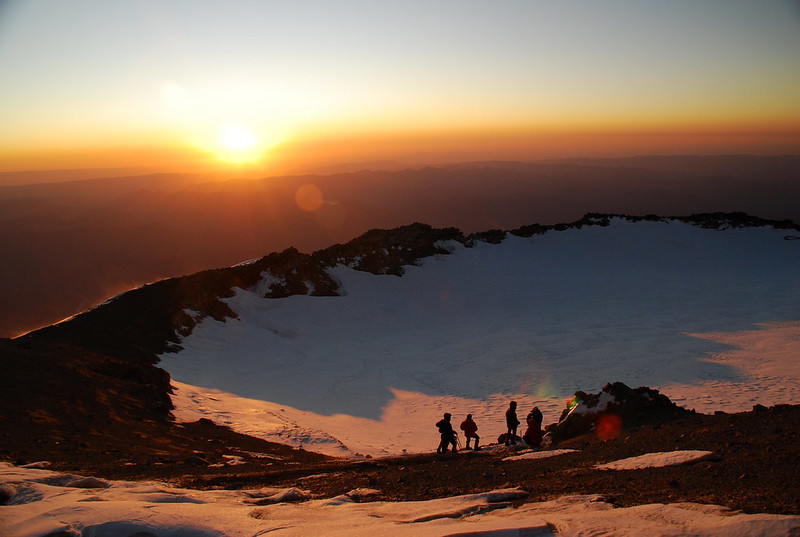
Scientists tracking the swarm report that the quakes are concentrated beneath the upper section of the mountain, as stated by the United States Geological Survey. The repetition and tight grouping suggest pressurized material moving upward. Swarms like this can build quietly for days before patterns become clear enough for interpretation. Each cluster helps narrow down where internal stress is rising and how it may evolve.
As data accumulates, researchers map subtle movements that reveal which parts of the system are becoming more active. These steps guide assessments that follow the volcano’s changing rhythm.
2. Ground deformation increases as deeper pressure rises.
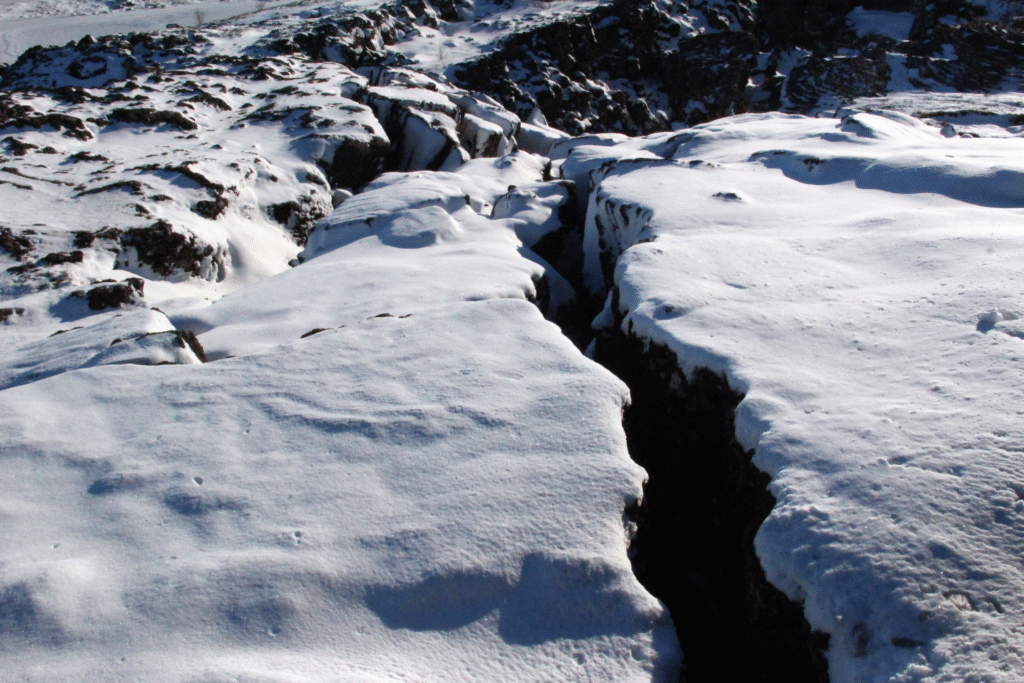
GPS sensors surrounding the mountain show measurable uplift in areas near the summit, as reported by the Pacific Northwest Seismic Network. Ground deformation occurs when rising magma or heated fluids force rock to stretch, sometimes by only a few millimeters. Even these small shifts can signal a system under increasing strain. The current pattern suggests a persistent upward push from beneath the volcano.
As uplift continues, it offers clues about the scale and depth of the movement. These measurements help determine whether internal forces are stable, accelerating or shifting direction.
3. Gas output rises as internal pathways open.
Monitoring stations have detected elevated sulfur dioxide and carbon dioxide over the past several days, as discovered by the Smithsonian Global Volcanism Program. These gases often increase when magma warms surrounding rock or moves into new fractures. Their composition also provides insight into temperature changes that cannot be measured directly. Rising gas output is one of the clearest signs that internal pathways are becoming more active.
When gas trends align with shaking and uplift, scientists develop a more unified understanding of how the system is behaving. That alignment places the mountain under closer scrutiny.
4. Heat beneath glacier ice accelerates hidden melt.
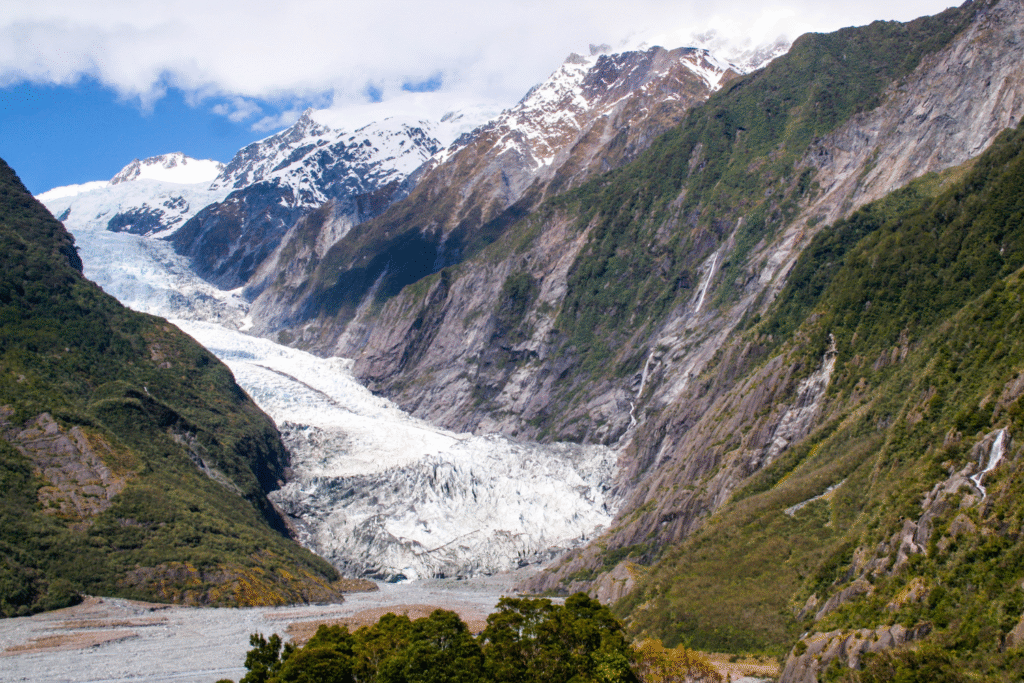
Thermal sensors show increased warmth beneath several glacier covered sections of Rainier. When deeper heat rises, meltwater begins forming channels inside the ice long before surface changes appear. These hidden pockets can weaken slopes or feed sudden pulses of runoff. Even slight increases in melt can matter because the mountain’s vast ice cover has historically produced damaging floods when destabilized.
Communities downstream pay close attention to changes in melt patterns because meltwater can move quickly once it escapes containment. The early signs guide readiness for potential downstream impacts.
5. Steam emissions reflect deeper shifts in temperature.
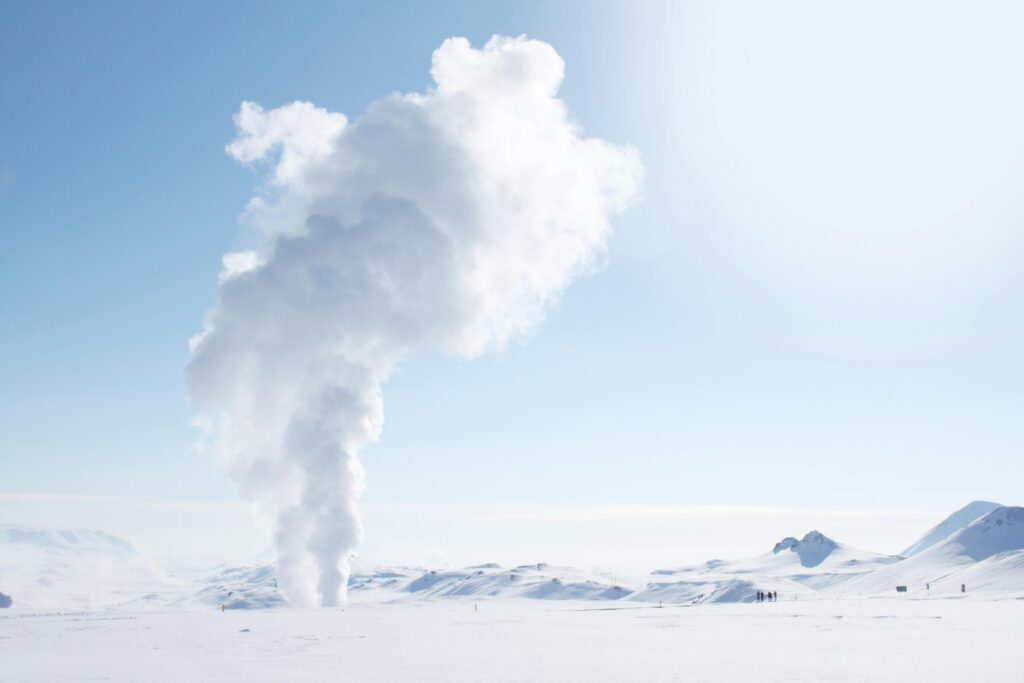
New bursts of steam have appeared along upper vents and fissures. Steam emerges when groundwater heats rapidly and escapes through available cracks. These changes often begin subtly but can intensify as temperatures continue rising. While steam alone does not predict an eruption, the timing relative to the current swarm raises its importance.
The appearance of these plumes adds another layer of information for scientists analyzing the mountain’s behavior. Small shifts in emissions often reveal that temperature changes are occurring deeper within the system.
6. Regional air quality begins to show early effects.

Volcanic unrest can release fine particles that drift into nearby valleys even without ash. These particles can irritate lungs and accumulate when regional weather traps air in low lying areas. Towns closer to Rainier often see slight haze or subtle chemical odors during heightened activity. Air quality monitors play a crucial role in tracking how far these materials travel.
These early shifts remind residents that volcanic effects begin long before any eruption. They also prepare health agencies to respond if conditions worsen.
7. Waterways downstream enter a period of heightened vulnerability.
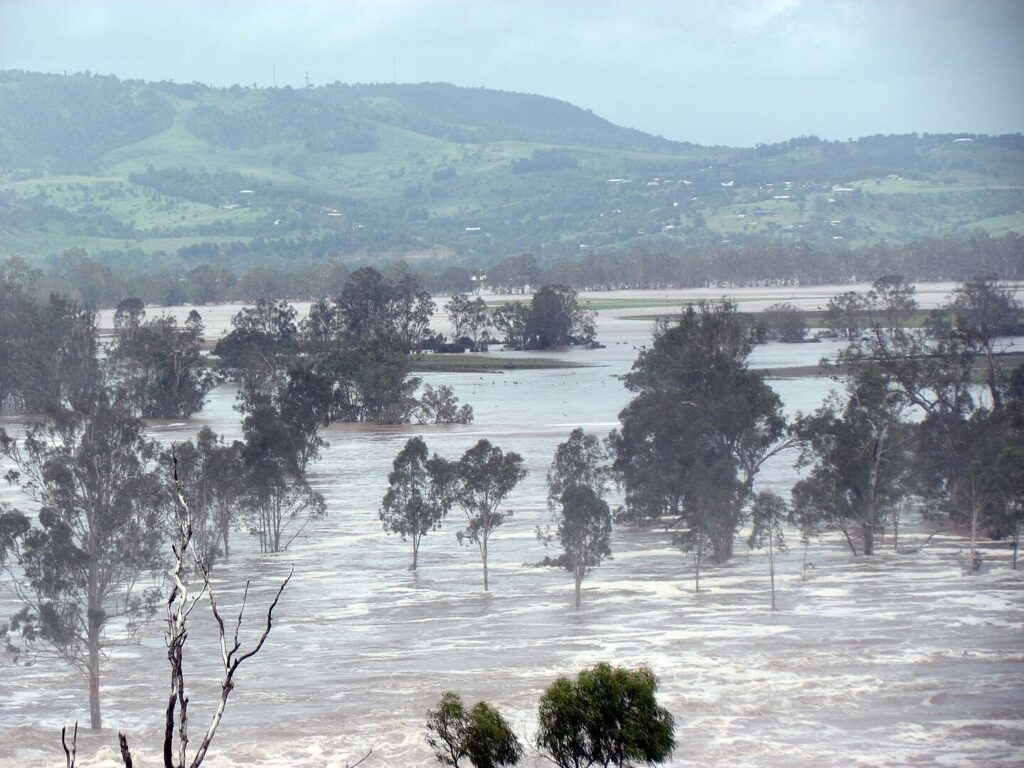
Rivers fed by Rainier’s glaciers can rise quickly when melt accelerates. If meltwater pools behind unstable ice or debris, sudden releases can occur. These floods move fast and follow long established channels that cut through communities in the Puyallup and Carbon River valleys. Even moderate releases can gather momentum as they descend.
Local authorities monitor water levels closely during these periods. Any sign of rapid fluctuation prompts increased readiness in downstream towns.
8. Wildlife movement signals growing environmental stress.

Animals around the mountain have shifted their patterns in recent days. Deer, birds and smaller mammals often respond to persistent shaking and subtle gas changes before humans notice them. Movement downslope can indicate stress spreading through ecosystems. While these behaviors do not predict eruptions, they mark significant environmental disruption.
Biologists use these changes as ecological indicators that complement seismic and gas data. The combined information helps clarify the scope of the unrest.
9. Emergency planners begin tightening coordination measures.
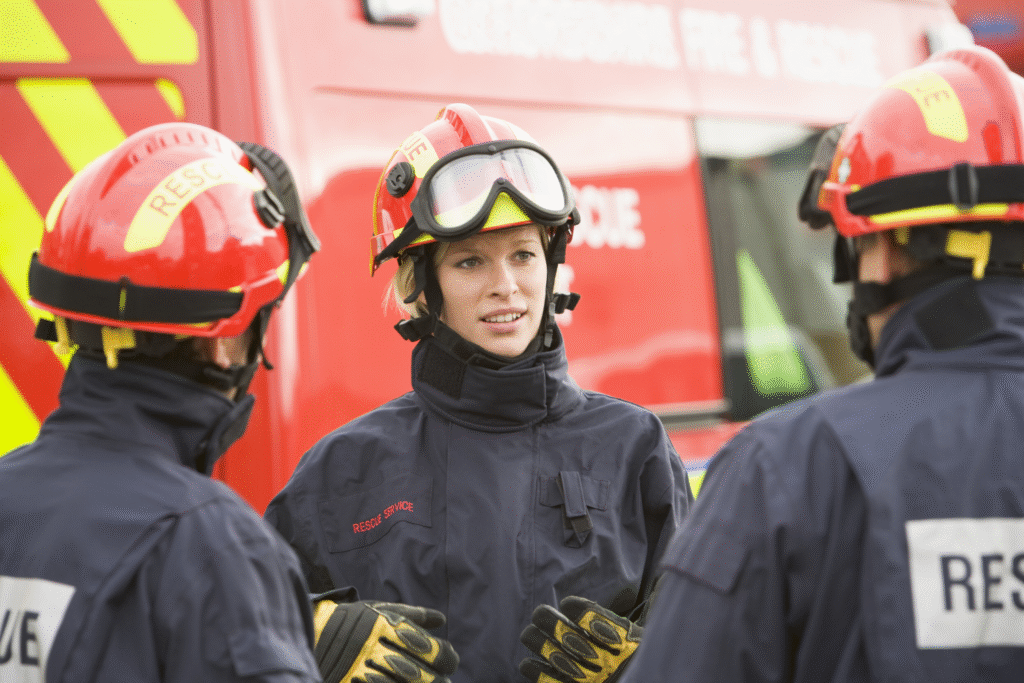
Regional emergency teams have entered a phase of elevated readiness. That includes reviewing evacuation routes, checking communication systems and confirming coordination between counties. Mount Rainier’s history demands careful planning because conditions can shift abruptly when pressure rises. Agencies work to minimize confusion and maintain clear channels for updates.
These preparations support residents living in areas with known risk. Careful coordination ensures that communities remain informed if conditions change further.
10. The mountain’s direction remains uncertain as monitoring continues.
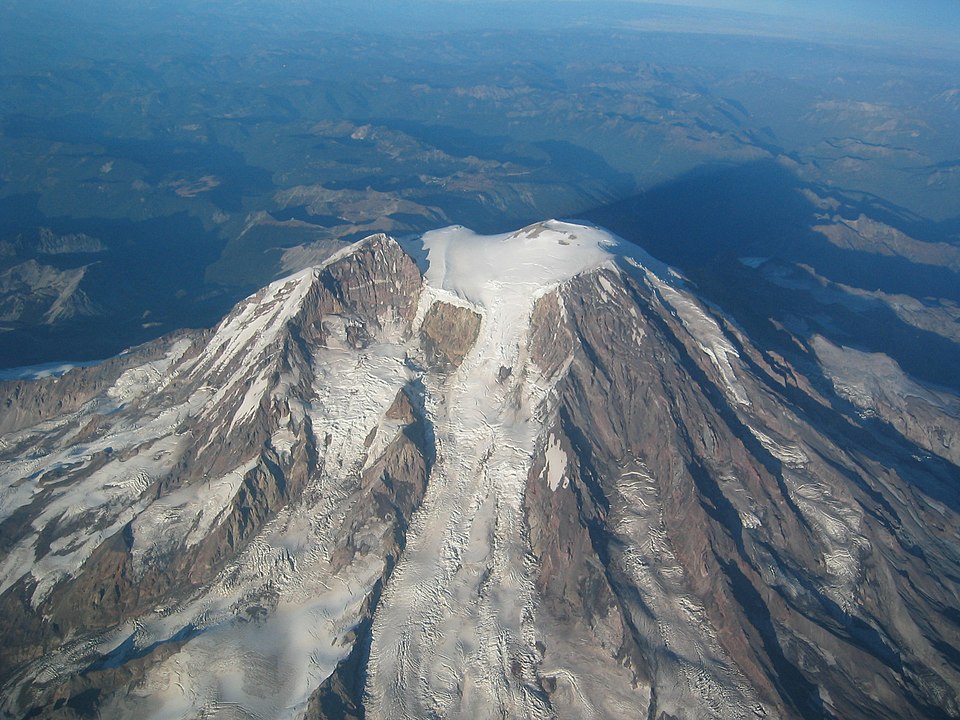
Mount Rainier’s unrest has entered a phase that researchers treat with heightened caution. The combination of shaking, uplift, steam and gas points to internal changes that require constant monitoring. Scientists continue interpreting each new measurement to determine whether this activity will stabilize or intensify. Residents remain attentive while carrying on with daily life.
The next stretch of days will help reveal whether the system is settling or advancing. Every signal helps refine the picture of what may come next.