How Household Noise Slowly Changes A Cat’s Personality

Everyday sounds shape behavior more than owners realize.
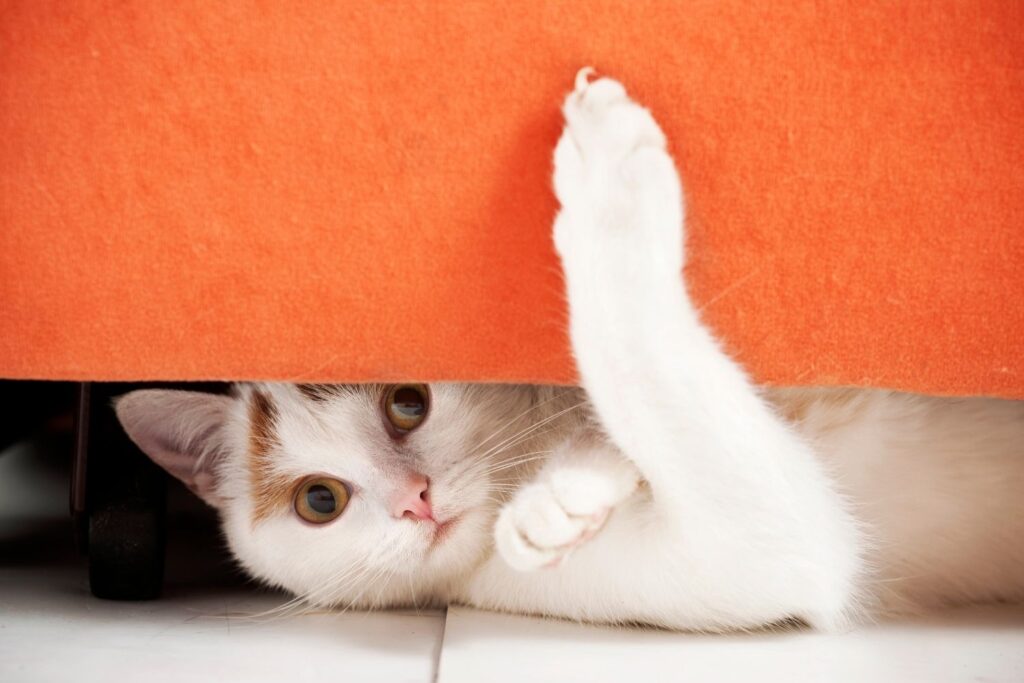
©Image license via Canva

Inside modern homes, sound rarely stops. Televisions hum, appliances cycle, phones buzz, and traffic leaks through windows day and night. Cats experience this soundscape very differently than humans do. Their hearing is far more sensitive, and their stress systems are designed for environments where silence is common and noise signals danger. When sound becomes constant, cats adapt in subtle ways that unfold over months or years. These changes often look like personality shifts, but they are learned responses to living in spaces that never fully quiet down.


Read more

What It Means When a Dog Stares at Nothing, According to Animal Behaviorists

That empty gaze usually has a real cause.

©Image license via PetsnPals/ChatGPT, Golden retriever staring at owner

Dog owners notice this behavior everywhere, from living rooms late at night to quiet sidewalks during walks. A dog suddenly stops, locks its eyes on a blank space, and seems fully absorbed. No sound, no movement, nothing obvious to explain it. The moment can feel eerie, but it is usually rooted in how dogs process information. Their senses, memory systems, and emotional regulation work very differently from ours. What looks like nothing to a human is often a meaningful signal to a dog’s brain.

Read more

How Bears Can Smell Food From Over a Mile Away Even Under Snow

A hidden sense guides survival in frozen landscapes.

©Image license via Canva

In bear country across North America, this scene repeats itself every year. Food locked in coolers, buried under snow, or sealed inside vehicles is still found overnight. Snowstorms, freezing temperatures, and distance do not stop it. Bears are not guessing. Their sense of smell is so advanced that it functions as their primary survival tool, guiding them toward calories when landscapes look empty to human eyes. This ability is shaped by anatomy, physics, memory, and constant evolutionary pressure to find food efficiently in harsh environments.

Read more

Why Dogs Adjust Their Personality Based on Household Routine

Daily patterns quietly shape canine behavior.

©Image license via iStock

Inside every home, routines form whether people notice them or not. Wake up times, meal schedules, work hours, noise levels, and emotional rhythms repeat day after day. Dogs do not just observe these patterns, they adapt to them. Over time, behavior that looks like personality change is often a flexible response to predictability, stress, or instability in daily life. Dogs evolved to read human patterns closely because survival depended on it. Modern households still shape canine behavior through routine, even when no training is involved.

Read more

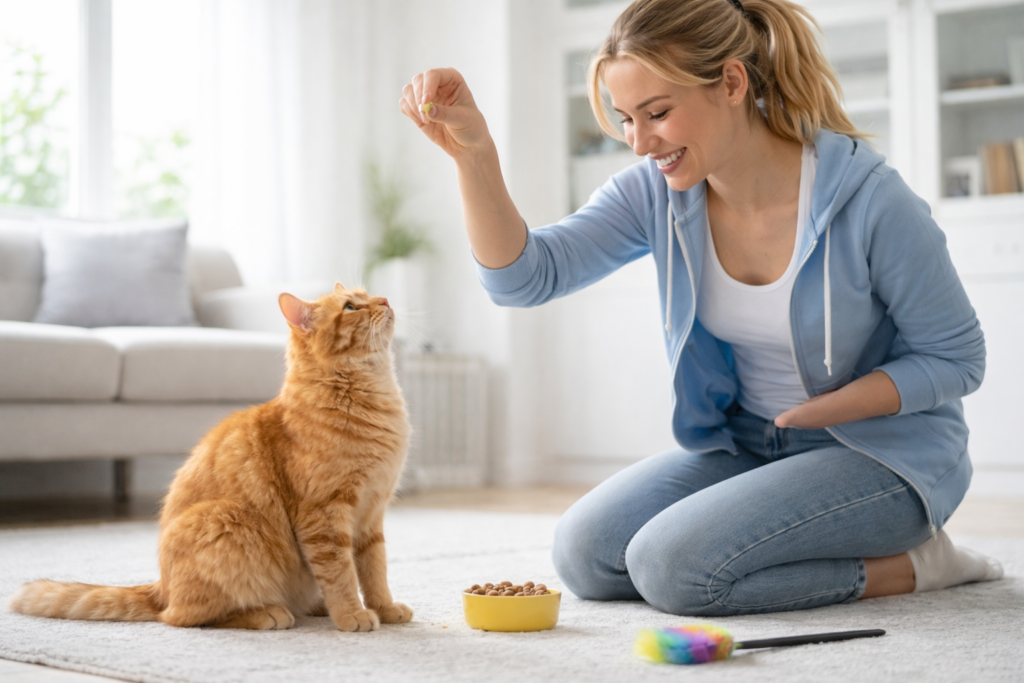
How Cats Learn Household Rules Without Being Trained

They absorb patterns long before you think they notice.

©Image license via PetsnPals/ChatGPT

Cats are rarely taught household rules, yet most learn them with surprising accuracy. They know which rooms feel off limits, when food appears, and how close is too close to the dinner table. This learning does not come from obedience or instruction. It comes from observation, repetition, emotional feedback, and self preservation. Domestic cats evolved alongside humans by reading environments rather than following commands. Inside modern homes, they rely on the same instincts. What looks like indifference is often quiet analysis happening in real time.

Read more