If You Stay Calm During Chaos, Neuroscience Explains Why

Your brain reacts differently when pressure hits.

©Image license via PetsnPals/ChatGPT

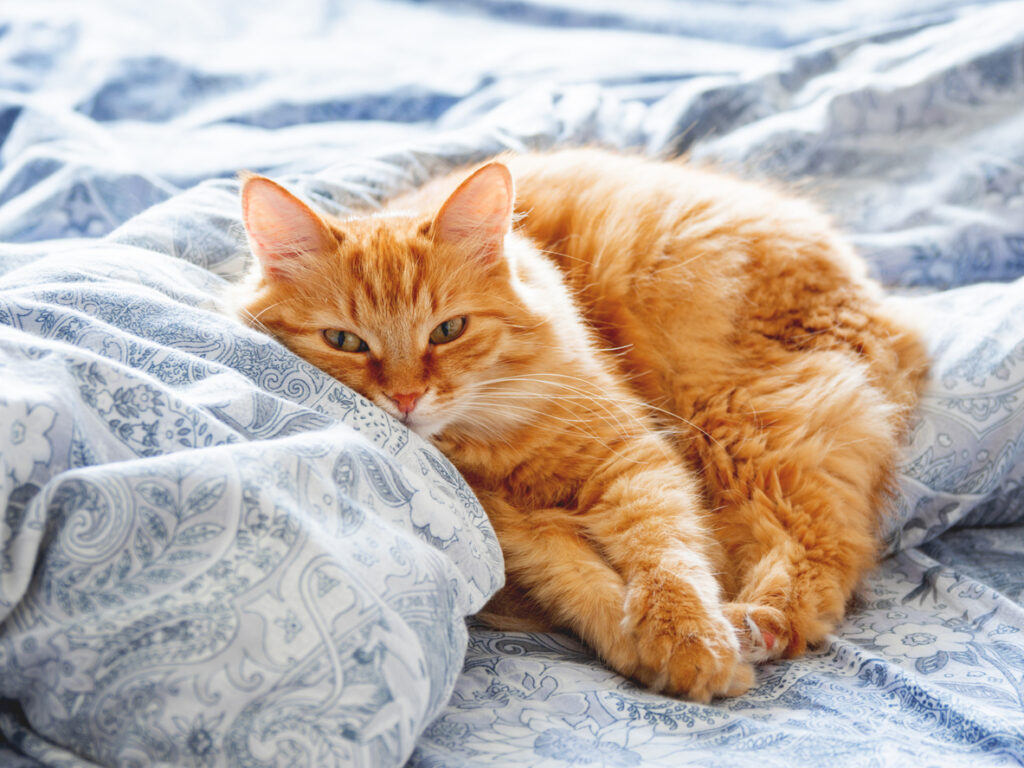
In moments of chaos, some people feel their heart race and thoughts scatter, while others slow down and seem to sharpen. This difference is not personality alone. Neuroscience shows that stress responses vary based on brain wiring, past experience, and regulation systems shaped over time. Calm behavior during emergencies often reflects how certain neural circuits engage under pressure. Instead of shutting down, these brains shift into controlled focus. Understanding why this happens reveals how calmness is less about willpower and more about biology working quietly in the background.

Read more

If Your Pet Sleeps in Your Bed, You Most Likely Have These 8 Traits

Science links sleep habits to emotional wiring.

©Image license via Canva

Sharing a bed with a pet often starts as a small exception and quietly becomes routine. Over time, that choice reflects how someone handles closeness, stress, and comfort when defenses are lowest. Sleep is one of the most neurologically vulnerable states humans enter each day. Who we allow into that space reveals patterns in attachment, regulation, and empathy that show up elsewhere in life. Research in psychology and neuroscience suggests that people who sleep beside their pets tend to cluster around specific emotional and behavioral traits shaped by both biology and experience.

Read more

Why Dogs From Shelters Often Bond Differently Than Puppies Raised at Home

Attachment grows from history as much as home.

©Image license via Canva

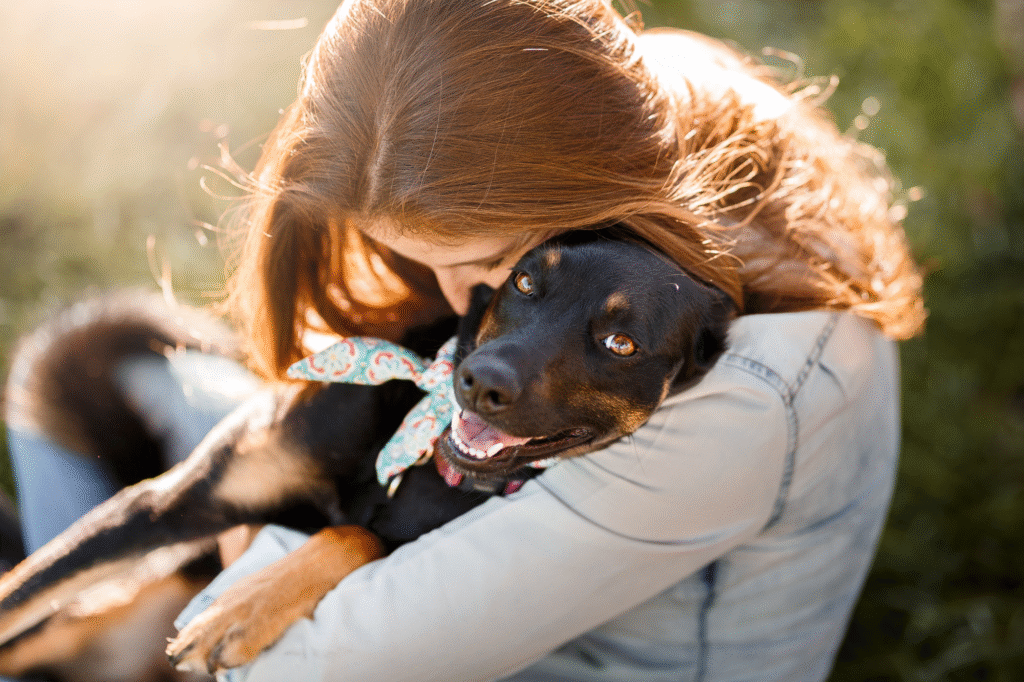
Dogs do not arrive in new homes as blank slates. Where they came from, how many people passed through their lives, and what stability looked like early on all shape how connection forms later. Shelter dogs and home raised puppies often love just as deeply, but they bond differently. Veterinarians and behaviorists in cities like Phoenix Chicago and Raleigh have long noticed distinct attachment patterns emerge within weeks of adoption. These differences are not flaws. They are adaptive responses shaped by experience memory and survival.

Read more

Why Indoor Cats Are Living Longer Than Ever Right Now

Quiet changes inside homes are reshaping feline lifespans.

©Image license via Canva

Across North America, veterinarians are noticing a quiet shift in feline aging. Indoor cats adopted since the early 2000s are reaching their late teens and beyond with fewer chronic crises. Better nutrition, preventive medicine, safer housing, and closer human observation all play roles. From apartments in Toronto to suburbs outside Phoenix, lifespan curves are stretching slowly upward, not by accident, but through everyday decisions repeated over many ordinary years. Those choices accumulate quietly, shaping bodies, immunity, stress, risk, and longevity.

Read more

Octopuses Aren’t Just Smart, They’ve Been Seen Throwing Things

Underwater behavior is revealing startling social awareness.

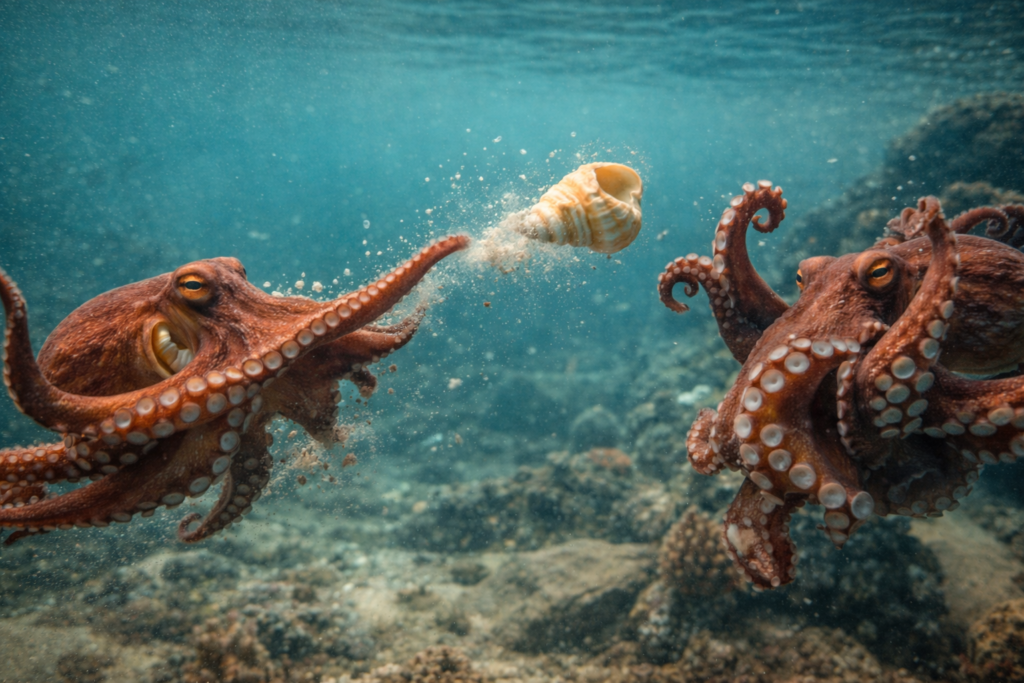
©Image PetsnPals/ChatGPT, Octopuses in a seashell standoff

For years octopuses were known for problem solving escape skills and camouflage. Then divers in places like Jervis Bay Australia began noticing something unsettlingly deliberate. Octopuses were gathering debris and forcefully launching it through the water. Shells algae sand and stones moved with direction and timing. These were not accidents. Scientists started paying attention because the throws happened during interactions not isolation. What looked playful at first is now reshaping how intelligence and intent are understood beneath the ocean surface.

Read more