How Pollution Is Permanently Altering Wildlife Genetics, and Why It Matters to Humans

Genetic changes in animals are no longer reversible.
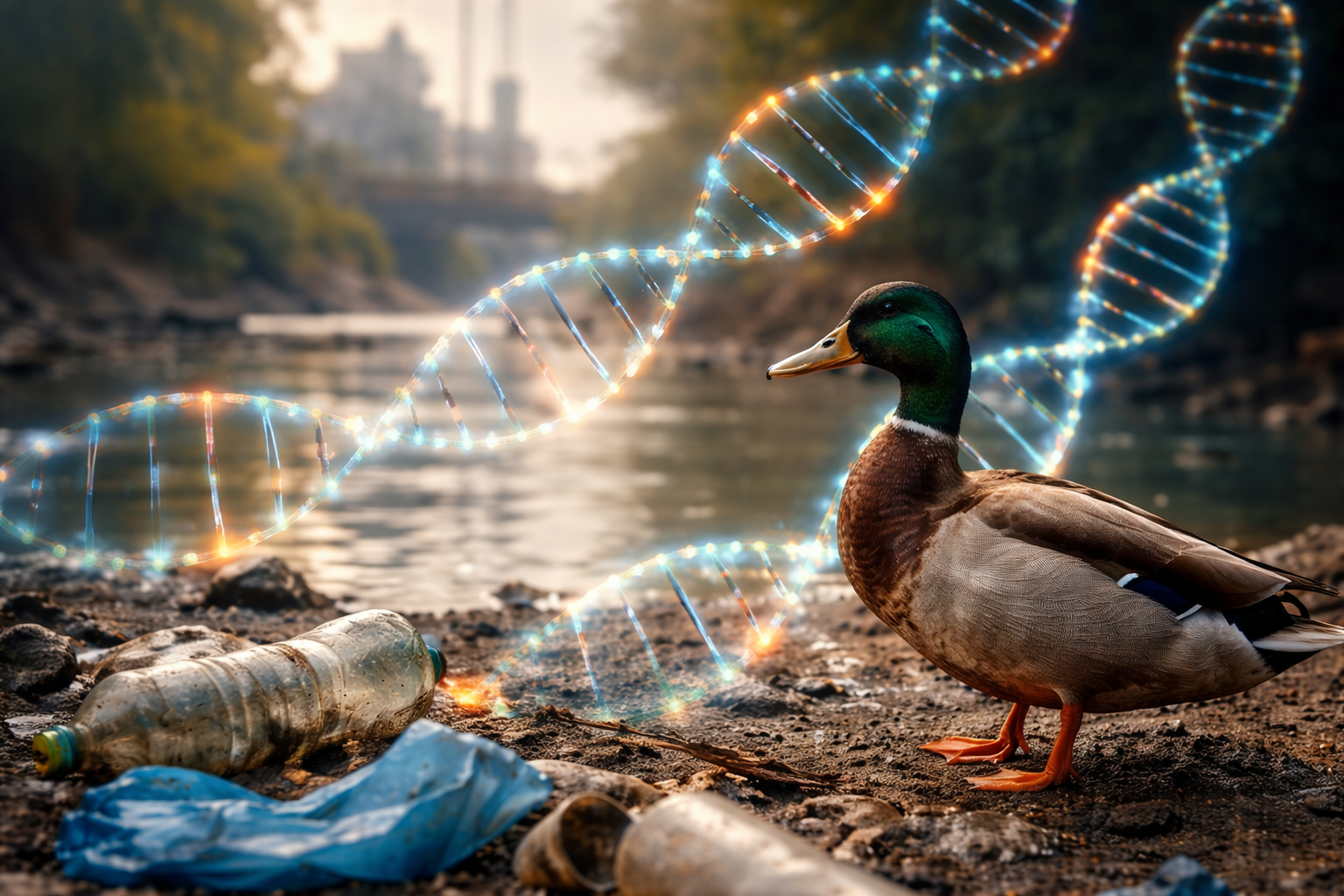
©Image PetsnPals/ChatGPT, Pollution and life in contrast

For decades, scientists believed pollution harmed wildlife mainly through illness, population loss, or habitat damage. New genetic research suggests something deeper is happening. Exposure to chemicals, heavy metals, and industrial byproducts is altering how some animals express and pass on their genes, sometimes permanently. These changes do not stop with wildlife. Researchers warn that genetic shifts moving through ecosystems can ripple outward, affecting food chains, disease dynamics, and even human health in ways that are only beginning to come into focus.

Read more

Millennials Are Killing Small Talk And Replacing It With Something Else

Casual chatter fades as deeper signals take over.

©Image via Canva

Something subtle has shifted in everyday conversations. The easy filler phrases that once padded elevators, offices, and social gatherings feel thinner now. Weather comments stall out. Polite noise dissolves faster than it used to. In its place, different rhythms are emerging. Conversations start later but go deeper sooner. Millennials did not decide this formally. It unfolded quietly as technology, stress, and social norms collided. What replaced small talk is not silence. It is something more selective, more intentional, and often more revealing.

Read more

10 Reason Why Getting a Second Cat is Not Always a Good Idea

When adding another cat changes everything.

©Image license via Canva

Adding a second cat often sounds comforting and generous. Many owners imagine companionship solving boredom or loneliness. Real life dynamics can be more complicated. Cats are territorial animals shaped by routine memory and control over space. Introducing another cat can quietly reshape stress levels health behaviors and household harmony in ways that only appear weeks or months later.

Read more

The Real Reason Horses Panic at Shadows, Doors, and Simple Obstacles

Why ordinary sights feel dangerous to horses.

©Image license via Canva

Shadow spooks frustrate riders yet they come from biology not stubbornness. Horses evolved as prey animals scanning environments for subtle danger cues. Modern barns trailers and arenas challenge senses shaped on open plains. Understanding what horses see process and remember reveals why doors shadows and simple obstacles can feel genuinely threatening in daily handling and training situations around the world.

Read more

The Science Behind Why Dogs Suddenly Refuse Food They Loved Yesterday

Appetite shifts often signal deeper biological changes.

©Image license via iStock

Dogs do not eat based on habit alone. Appetite reflects biology emotion environment and memory all working together. A meal refused today may connect to something that happened yesterday or even minutes earlier. Understanding why food suddenly loses appeal helps owners recognize normal shifts versus early warning signs tied to health stress or sensory overload inside everyday homes.

Read more