The version taught in school barely scratches the surface.
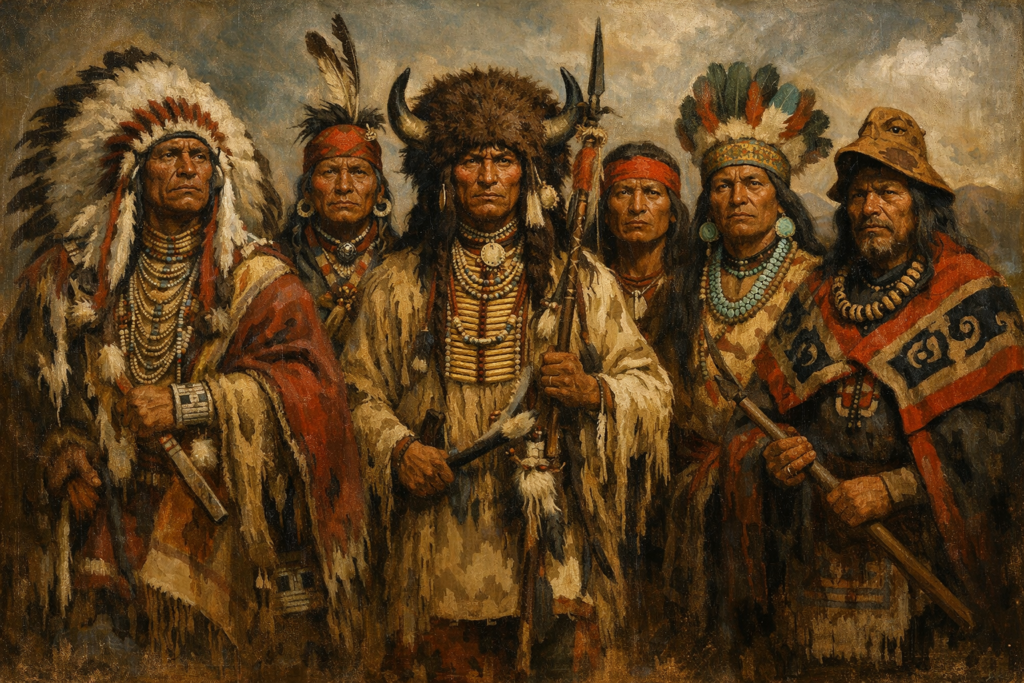
Most people walk away from school with the feeling that they understand the broad outline of history, at least enough to recognize the major players and turning points. But every so often, certain details surface that make that version feel incomplete. Not wrong exactly, just narrowed, like something important was left just out of frame. When it comes to Native American history, that gap is wider than many realize. There are stories, systems, and ideas that rarely make it into classrooms, yet they reshape how everything fits together. Once you start noticing them, the familiar version of the past begins to feel a lot less complete.