How Expanding Roads Are Disrupting Animal Migrations Across Critical Routes

Movement that once defined survival is being cut off.
©Image PetsnPals/AI generated image

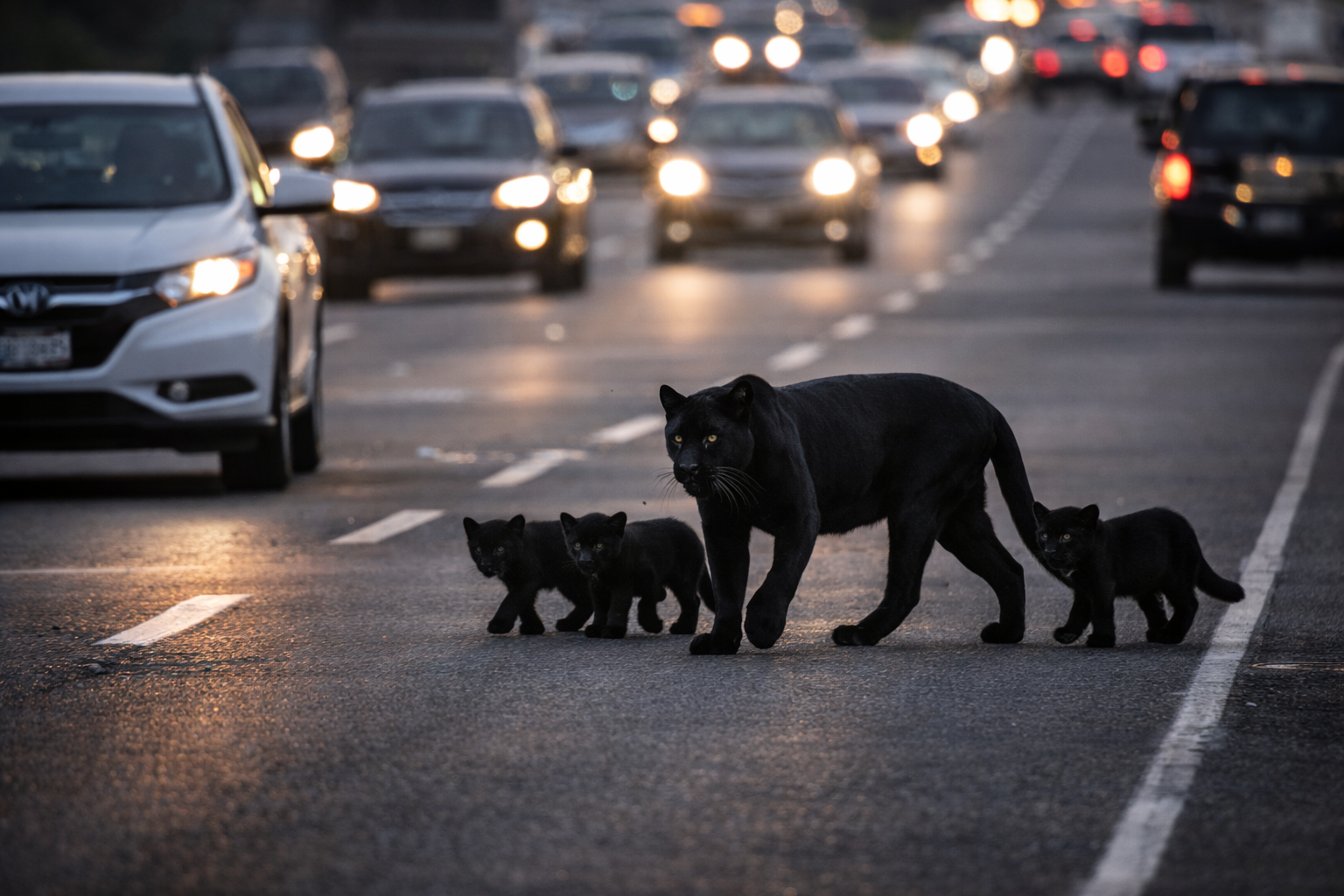
Road networks are reshaping wildlife movement in ways that extend far beyond isolated collisions. Migration routes that once connected feeding grounds, breeding areas, and seasonal habitats are being interrupted by expanding infrastructure that animals cannot easily navigate or avoid. In many cases, the impact is not immediate but cumulative, as repeated disruptions reduce access to critical resources and limit genetic exchange between populations. Species that rely on learned or instinctive pathways face increasing pressure as those routes become fragmented or inaccessible. The result is not just displacement, but long-term population decline driven by barriers that continue to expand across landscapes animals have used for generations.

Read more

Dogs So Territorial They Scare the Whole Block

Not every welcome feels warm when these dogs decide.

©Image license via Canva

Territorial behavior in dogs is often framed as loyalty or protection, but in some breeds, it extends into something far more pronounced. The way these dogs observe, respond, and define space can alter the atmosphere of an entire neighborhood. Their reactions are not random or exaggerated, but rooted in instinct, breeding, and a strong sense of ownership over their environment. For people encountering them, the experience can feel intense, even when no direct threat exists. Understanding where that behavior comes from helps explain why certain dogs create a presence that is difficult to ignore once it becomes part of the landscape.

Read more

10 Dinosaur “Facts” From Childhood That Would Fail a Science Test Today

Nearly everything you were taught has been rewritten.

©Image via Canva

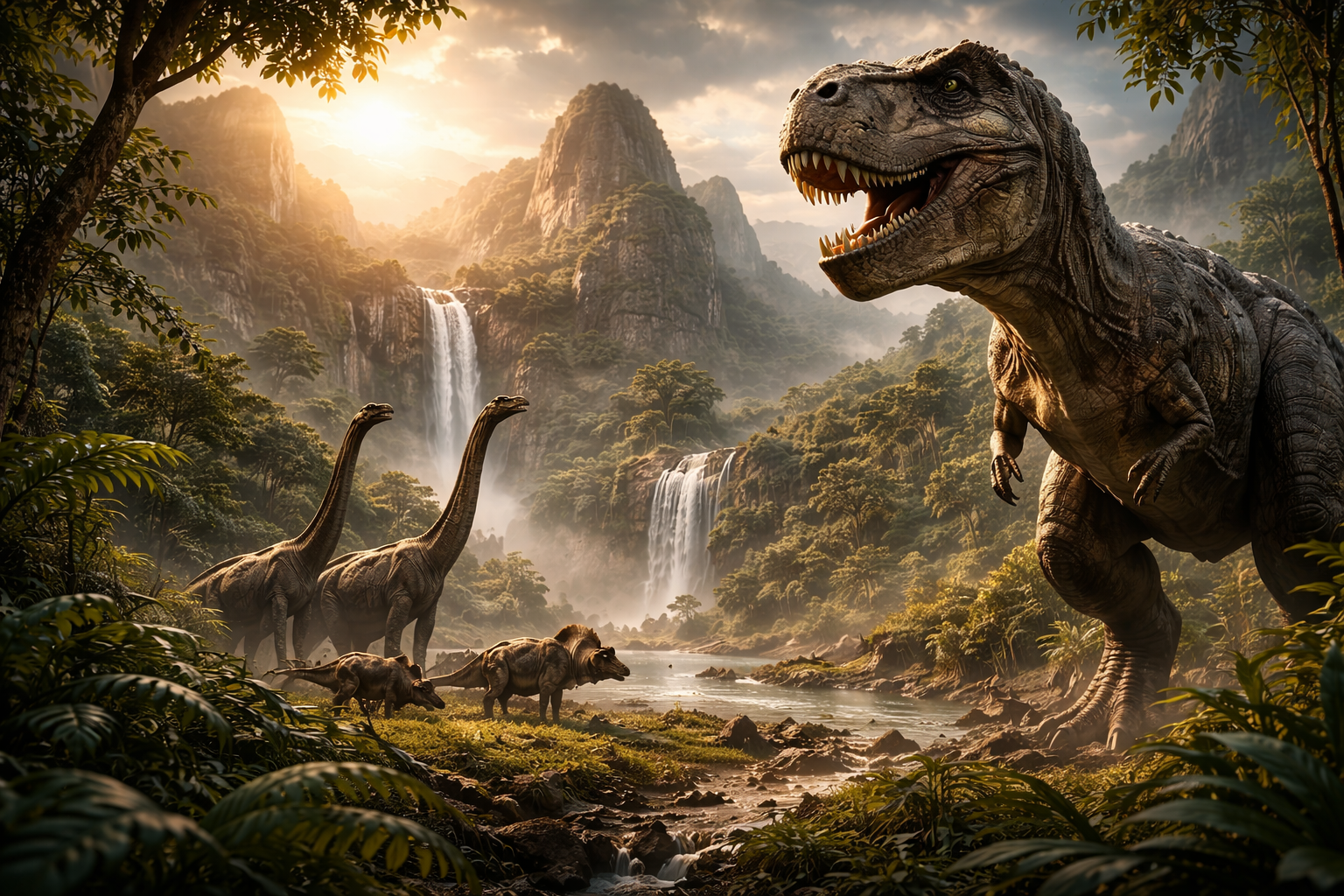
For decades, the image of dinosaurs felt settled, almost finished, as if science had already drawn the final version. Museums, textbooks, and films reinforced the same shapes, behaviors, and assumptions, turning them into something close to fact. But behind the scenes, that certainty has been steadily unraveling. New fossil discoveries, advanced imaging, and reanalysis of old specimens have exposed just how much of that familiar picture was incomplete or simply wrong. The result is not a small correction, but a full reshaping of how these animals looked, moved, and lived, forcing scientists to rethink details that once seemed unquestionable.

Read more

Why the U.S. May Be Closer to Testing Nuclear Weapons Again

What happens next may not stay contained.

©Image PetsnPals/AI generated image

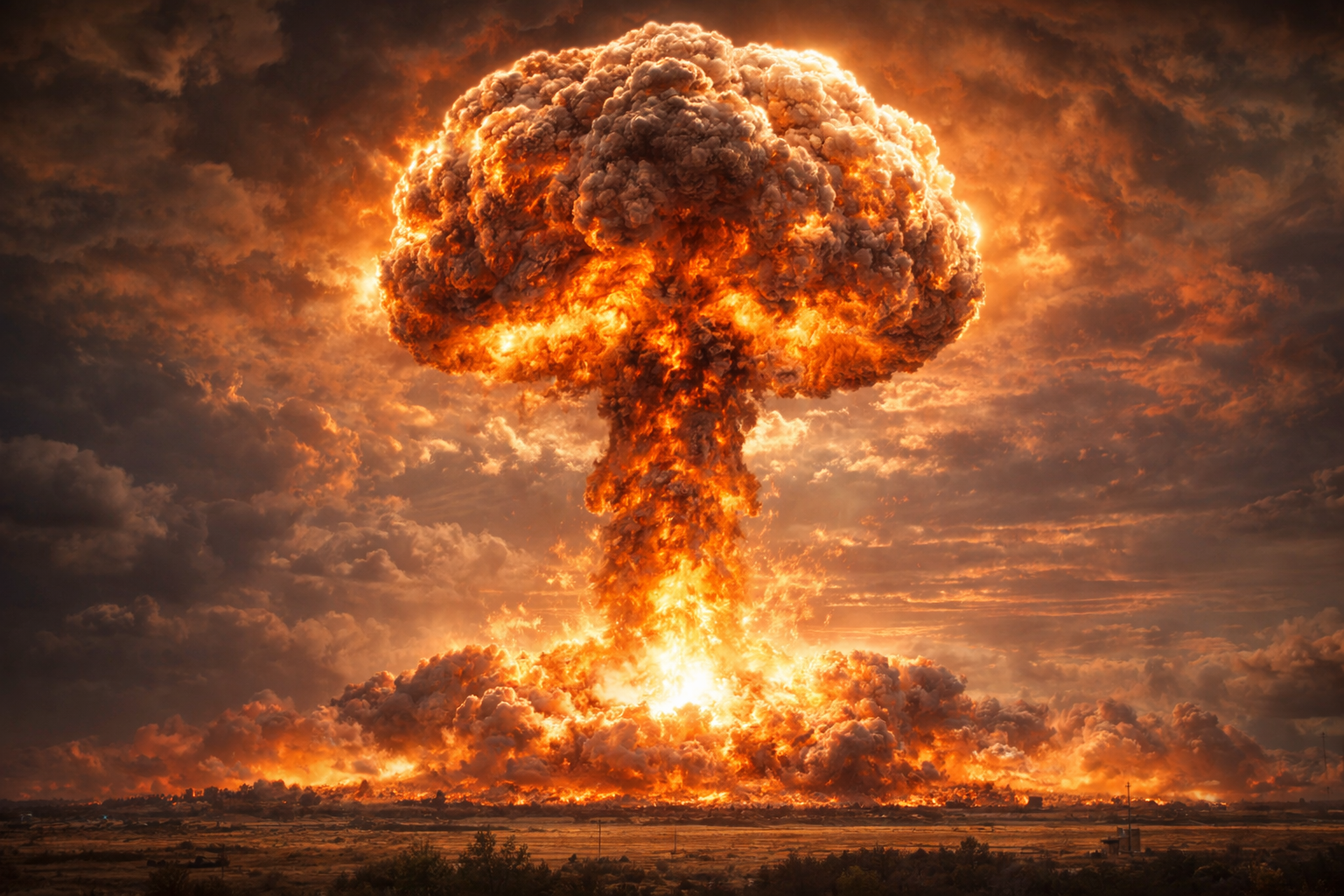
For decades, the United States has avoided full-scale nuclear testing, relying instead on simulations and controlled experiments to maintain its arsenal. That approach has largely held, even as global tensions fluctuated. Now, a combination of technical concerns, geopolitical competition, and internal policy debates is challenging that long-standing restraint. Questions are emerging about whether existing methods can fully guarantee reliability and credibility under changing conditions. At the same time, actions by other nuclear powers are influencing how those risks are evaluated. What is unfolding is not a confirmed shift, but a growing discussion that signals the possibility of decisions that could carry far-reaching consequences.

Read more

A Jupiter Moon Is Showing Signs That Could Point to Something We Didn’t See Coming

Speculations of habitability are gaining unexpected scientific traction.

©Image PetsnPals/AI generated image

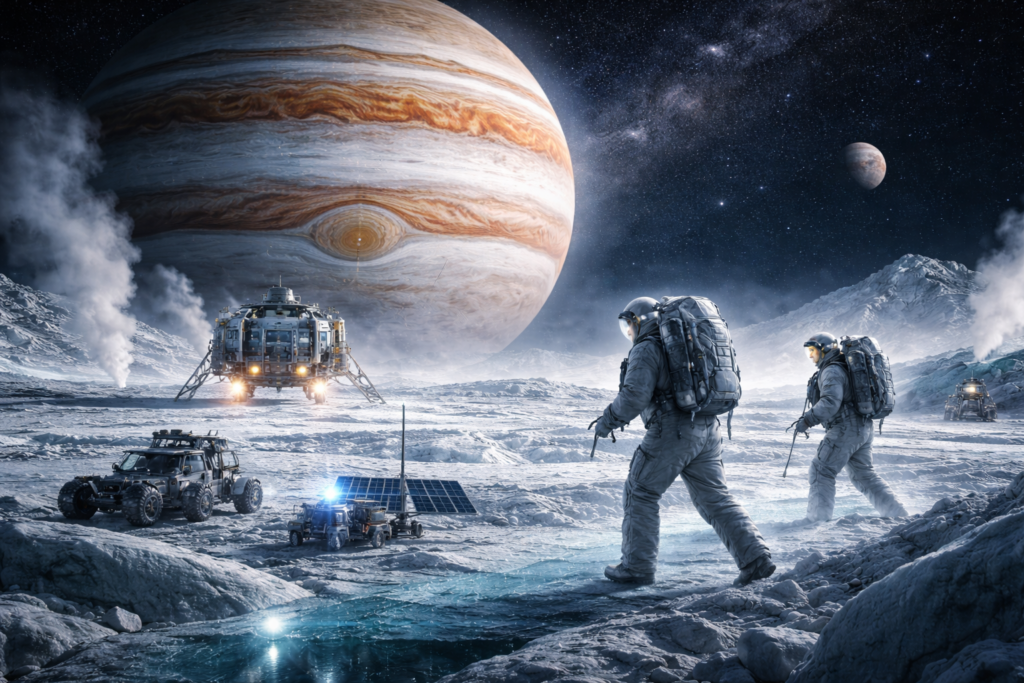
For decades, icy moons were treated as distant and largely static worlds, defined by their frozen surfaces and limited potential. That assumption is now being reexamined as new data reveals patterns that do not align with earlier expectations. Subsurface activity, chemical movement, and structural changes suggest a far more dynamic environment than previously understood. These signals do not offer direct answers, but they narrow the gap between speculation and possibility. As interpretations evolve, the distinction between inhospitable and potentially supportive conditions becomes less certain, forcing a closer look at what might exist beneath layers once thought to be barriers rather than gateways.

Read more